A Highland Resort Town an Hour from Tokyo Station
Karuizawa delivers highland air and autumn foliage just 70 minutes from Tokyo Station, with a compact bicycle loop that fits neatly into a single day.
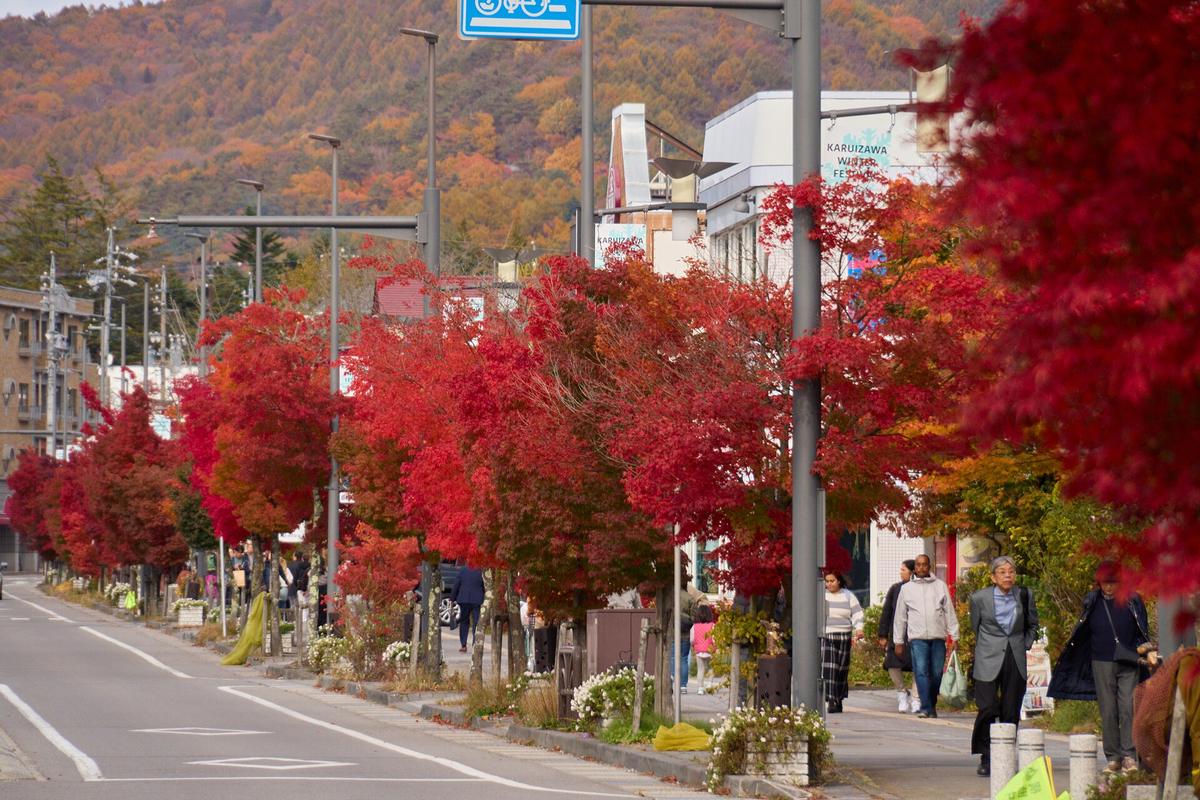

Karuizawa Day Trip from Tokyo by Shinkansen in 70 Minutes
You step out of the Hokuriku Shinkansen at Karuizawa and the air is 10 degrees cooler than Tokyo. That is the whole reason you came. Karuizawa is a highland resort town 65 minutes from Tokyo Station on the fastest Kagayaki service, and for a day trip the math works only if you know exactly what to do with the 8 to 10 hours you have on the ground.
Getting here without a car works, as long as you plan around the one useful bus or commit to two wheels. The short answer is a cycling loop of the old Ginza shopping street, Kumoba Pond, and Shiraito Falls, with the outlet mall as either a cap or a skip. The longer answer involves train schedules, rental costs, and the honest verdict on whether the Shinkansen fare is worth it.
The Train: How to Get There by 8:30 AM
Departure Windows And Service Types
From Tokyo Station, the first useful departure is the 06:12 Asama service. That gets you to Karuizawa by 07:22, and at that hour you have the town to yourself. The last useful return is a 21:51 Kagayaki from Karuizawa, arriving back at Tokyo Station at 22:56. That gives you a full 14-hour window if you want it, though most day trippers aim for a 7:00 to 8:00 departure and a 17:00 to 19:00 return.
Two service types run the route. The Kagayaki is the fastest at 62 to 65 minutes, but reserved seats only. The Asama takes 70 to 75 minutes and offers non reserved seats, which matters if you are making last minute plans on a weekend. Trains run roughly every 30 minutes.
Fares And The Case For A Rail Pass
One way fare for a non reserved seat on an Asama is ¥5,710. A reserved ordinary car seat off peak is ¥6,240, peak (New Year, Golden Week, Obon) is ¥6,570, and a Green car seat is ¥8,810. The breakdown: a base fare of ¥3,410 plus a Shinkansen surcharge that varies by seat type. Round trip with two reserved off peak tickets runs ¥12,480.
A JR Tokyo Wide Pass at ¥15,000 for three consecutive days covers this round trip plus leaves ¥2,520 of value for another day. If you are doing two or three day trips from Tokyo during a single trip, the pass pays for itself. If Karuizawa is your only Shinkansen outing, the pass barely breaks even and you are better off buying individual tickets.
The Cycling Loop: Your Best 6 Hours on the Ground
Rent An Electric Bike And Head North
Exit the north side of the station. You will find rental shops clustered there charging ¥1,000 to ¥2,000 for a standard model for the day, or ¥2,000 to ¥3,000 for an electric assist one. Pay the extra for electric. The full loop from the station to Harunire Terrace, then Shiraito Falls, then Kyu Karuizawa Ginza, then back covers about 25 kilometres with roughly 200 metres of elevation gain. On a standard two-wheeler that last hill back from the falls will punish you. On an electric bike it is a gentle cruise.
The loop works best in a clockwise direction starting with Harunire Terrace, 4 kilometres and 15 minutes from the station. The terrace is a wooden deck lined with 16 shops and restaurants set in a forest alongside a river. Entry is free. Stop for coffee or a sandwich, then continue to Shiraito Falls.
Shiraito Falls And The Winter Pivot
Shiraito Falls is 12 kilometres from the station, about 45 minutes by cycle. The falls are 70 metres wide and 3 metres high, with no entry fee. The water drops over a cliff in hundreds of thin white threads, which is what the name means. In winter the path to the falls may close after heavy snow, and even when open the roads are icy. Check local conditions before you go. If the falls access is blocked, skip it and spend that 90 minutes on the Ginza shopping street instead.
Ginza Street And Kumoba Pond
From Shiraito Falls you ride back toward Kyu Karuizawa Ginza, the old shopping street that runs about 500 metres. This is where Karuizawa began as a summer missionary retreat in 1886, founded by Canadian missionary Alexander Croft Shaw. Today the street is a dense strip of jam shops, souvenir stores, and cafes. Park the bike and walk it. The crowd here on a weekend is dense, but the pace is slow and the shops are small.
Kumoba Pond is a five minute detour off the Ginza street on the way back toward the station. In autumn the reflection of the maples on the water is the single photograph most day trippers come for. Peak foliage runs mid October to early November. Arrive outside that window and the pond is a pleasant rest stop, just not a destination.
| Item | Cost (¥) |
|---|---|
| Shinkansen return, reserved ordinary off peak | 12,480 |
| JR Tokyo Wide Pass, 3 consecutive days | 15,000 |
| Bicycle rental, standard, 1 day | 1,000 to 2,000 |
| Bicycle rental, electric, 1 day | 2,000 to 3,000 |
| Lunch at Harunire Terrace or Ginza | 1,200 to 2,500 |
| Coffee and snack | 500 to 1,000 |
| Outlet mall purchase (optional) | varies |
| Total without pass, no shopping | 15,180 to 17,980 |
The Outlet Mall: the Honest Take
Karuizawa Prince Shopping Plaza is a 1 minute walk from the south exit of the station. It has roughly 240 stores. It dominates the station area, and on weekends domestic tourists pile off every train with empty suitcases. If outlet shopping is your goal, this is a valid reason for the trip. The Shinkansen fare plus rental still comes in well below a domestic flight to a similar outlet in a regional city.
If outlet shopping is not your goal, the south exit is best ignored. The crowd there is intense, the layout is a sprawling outdoor mall that takes an hour just to walk through, and the deals are good but not unique. You will find the same brands at Gotemba Premium Outlets closer to Tokyo. Skip it and spend that time in the highland forest instead.
The mall opens at 10:00 and closes at 19:00 or later depending on season. First time visitors make the mistake of walking through the south exit to see what is there, then losing 90 minutes to browsing. If you are here for the loop, exit north. If you are here for shopping, go south and do not pretend otherwise.

Seasons, Timings, and Winter Access
Climate And The Seasonal Shift
Karuizawa sits at roughly 1,000 metres elevation, so its seasons run about a month behind Tokyo. Summer average highs are 26°C, consistently 10 degrees cooler than central Tokyo, which is why Canadians and missionaries built their summer retreats here starting in 1886. Autumn foliage peaks from mid October to early November. The winter average high is 2°C, the average low is minus 8°C, and snow is moderate but roads and paths are icy.
The Winter Itinerary Without A Bike
Visit between December and March and the loop is risky. Shiraito Falls access may be blocked by heavy snow, and the path from the falls back to the Ginza is steep enough on dry pavement. The winter alternative: walk from the north exit to Kyu Karuizawa Ginza in 20 minutes, visit Kumoba Pond, and take a taxi to Harunire Terrace for lunch. That gives you a 3 hour walkable itinerary without the Shinkansen fare changing. The outlet mall south exit stays open year round.
Peak surcharge periods for the Shinkansen (New Year, Golden Week, Obon) add roughly ¥330 per reserved seat. Book at least a week ahead during those windows. The train is the only viable transport on those dates because the Kanetsu Expressway jams for hours.
What Goes Wrong
The single thing that most often goes wrong on a Karuizawa day trip: you arrive at Tokyo Station, board an Asama with non reserved seats, and find every seat taken by a Japanese family with ski bags or shopping luggage. You stand for 65 minutes. That is the failure case. Book a reserved seat on the Kagayaki or Asama for ¥6,240 one way and guarantee a window seat on the mountain side (left side heading north, right side heading south).
The second most common mistake: arriving at 10:00, exiting the south side, and spending until noon at the outlet mall without noticing your departure train is 17:00. You have now spent ¥12,480 on transport to browse an American brand store you have at home. Exit north. Rent the cycle first. Commit to the loop. Save the mall for the last hour before your train if you have energy left.
The third failure: thinking the full 25 kilometre loop is easy on a standard rental. The elevation gain is only 200 metres, but the climb back from Shiraito Falls to the Ginza is a sustained gradient that will make a non cyclist walk the bike for the last 500 metres. Spend the extra ¥1,000 on the electric assist. The difference between arriving at the falls winded and arriving refreshed is what makes the day feel like an escape rather than an errand.
Who Should Skip This Trip Entirely
If you are in Tokyo for five days or fewer, skip Karuizawa. The city itself rewards depth over range, and a day trip that costs ¥12,480 in rail fares and 2.5 hours of round trip train time is a poor trade against a full day in Shinjuku, Shibuya, or Asakusa. Understand how the metro works, then pick two districts per day and walk them until your feet hurt. That is the better use of a short trip.
If your goal is a natural escape from Tokyo, Kamakura at 1 hour by JR Yokosuka Line is cheaper and does not require a bicycle or a Shinkansen reservation. The trade off is that Kamakura is crowded even on weekdays and the air is coastal, not highland. Karuizawa is the choice when you want the cool mountain air, the forested cycling, and the specific experience of a Japanese summer resort town that has been functioning since the 1880s. That is a specific thing. If you do not want that specific thing, the Shinkansen fare is not worth it.
Read next
-
 Tokyo Hotels by Type and Budget from Capsules to Luxury
Tokyo hotels organised by type and price band, from efficient capsule pods to full-service luxury towers, to help you book the right room.
Tokyo Hotels by Type and Budget from Capsules to Luxury
Tokyo hotels organised by type and price band, from efficient capsule pods to full-service luxury towers, to help you book the right room.
-
 Where to Stay in Tokyo by District and Travel Style
A comparison of Tokyo's major districts to help you choose the right base for your travel style, whether you want calm or chaos.
Where to Stay in Tokyo by District and Travel Style
A comparison of Tokyo's major districts to help you choose the right base for your travel style, whether you want calm or chaos.
-
 Narita or Haneda for Tokyo and What That Airport Choice Costs You
Narita or Haneda for Tokyo: compare door-to-district time, transfer cost, and what the wrong airport choice eats from your trip.
Narita or Haneda for Tokyo and What That Airport Choice Costs You
Narita or Haneda for Tokyo: compare door-to-district time, transfer cost, and what the wrong airport choice eats from your trip.
-
 Things to Do in Tokyo That Are Worth Your Limited Days
A curated list of Tokyo's highest-impact sights and experiences, from immersive art to quiet backstreets, to help you prioritise your days.
Things to Do in Tokyo That Are Worth Your Limited Days
A curated list of Tokyo's highest-impact sights and experiences, from immersive art to quiet backstreets, to help you prioritise your days.
-
 Best Time to Visit Tokyo Month by Month Tradeoffs
A month-by-month guide to visiting Tokyo, laying out the trade-off between weather, crowds, price, and what's actually open.
Best Time to Visit Tokyo Month by Month Tradeoffs
A month-by-month guide to visiting Tokyo, laying out the trade-off between weather, crowds, price, and what's actually open.
-
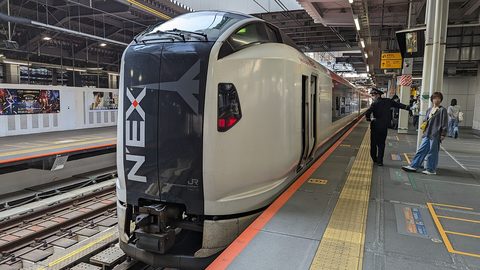 Getting Around Tokyo by Train Airport Transfers and IC Cards
A practical guide to Tokyo's rail network, covering airport transfers, IC cards, and how to avoid the station navigation mistakes that eat your day.
Getting Around Tokyo by Train Airport Transfers and IC Cards
A practical guide to Tokyo's rail network, covering airport transfers, IC cards, and how to avoid the station navigation mistakes that eat your day.
-
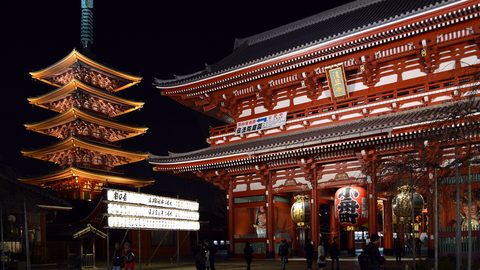 Senso-ji
 is free and never closes, but the experience at 6am with empty Nakamise stalls is nothing like the 11am crush under Kaminarimon. Here is when to go and what you get at each hour.
Senso-ji
Senso-ji is free and never closes, but the experience at 6am with empty Nakamise stalls is nothing like the 11am crush under Kaminarimon. Here is when to go and what you get at each hour.
-
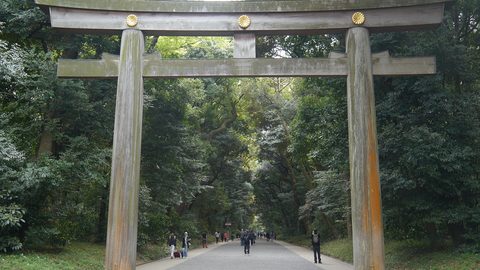 Meiji Jingu
The Meiji Jingu visit changes completely depending on which torii gate you enter. One drops you from Harajuku noise into sudden forest, the other builds quiet slowly from Yoyogi.
Meiji Jingu
The Meiji Jingu visit changes completely depending on which torii gate you enter. One drops you from Harajuku noise into sudden forest, the other builds quiet slowly from Yoyogi.
-
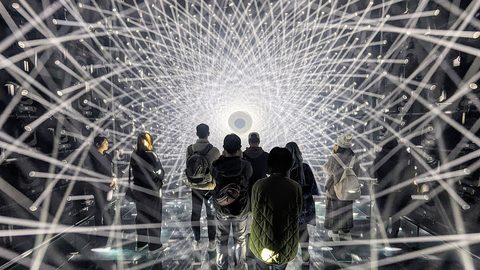 teamLab
 Borderless and Planets are two different Tokyo venues with separate booking systems. Borderless tickets at Azabudai Hills sell in timed slots and the maze has no fixed route.
teamLab
teamLab Borderless and Planets are two different Tokyo venues with separate booking systems. Borderless tickets at Azabudai Hills sell in timed slots and the maze has no fixed route.