How to See Mount Fuji from Tokyo in a Single Day
Mount Fuji is visible from Tokyo on clear winter days. Kawaguchiko, Hakone, and the Shinkansen each offer a different way to see it in a single day.
How to See Mount Fuji from Tokyo in a Single Day
At 6:45 on a January morning, the first highway bus pulls out of Busta Shinjuku bound for Kawaguchiko, and your odds of seeing Fuji's full snowcap peak above the lake are above 60%. By June, those odds drop below 20%. That is the central fact of any Tokyo day trip to Mount Fuji: visibility is a winter game, not a summer one. December through February deliver dry air and clear skies. June through August deliver haze, humidity, and a very high chance you will stare at grey cloud where the peak should be. Getting here without a car works, as long as you plan around the one useful bus. Here is where to stand, what to pay, when to go, and what to do when the mountain stays hidden.
The Kawaguchiko Option: Lake, Pagoda, and a 2-Hour Bus Ride
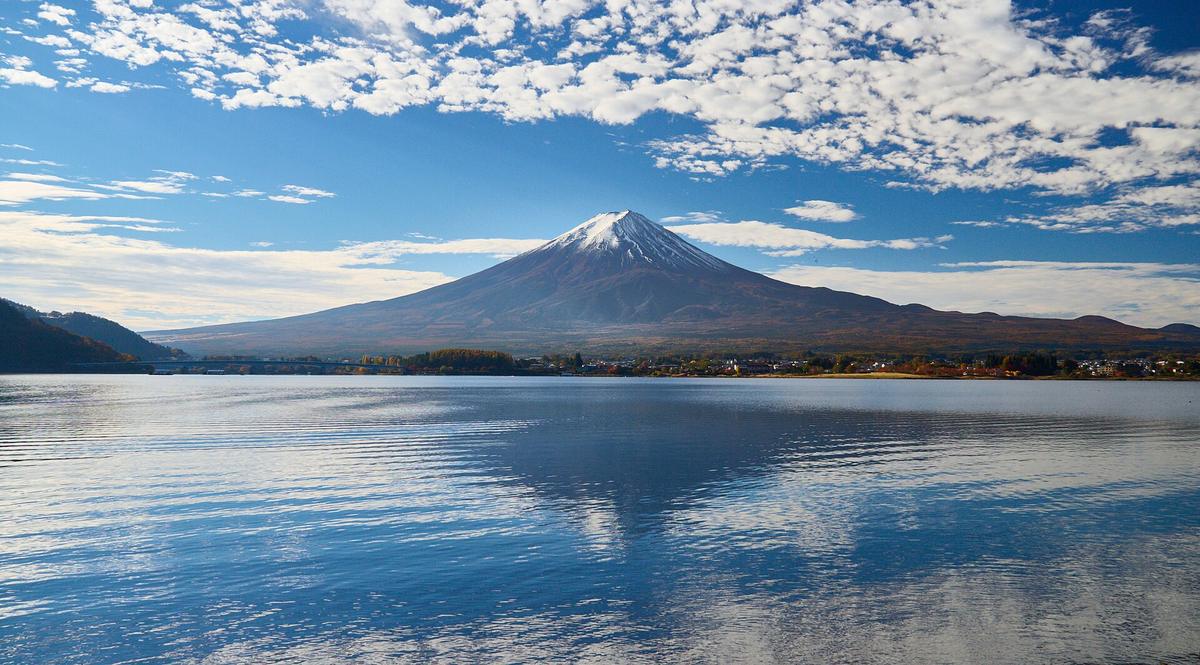
Kawaguchiko is the single most reliable day trip for a classic Fuji view. The lake reflects the mountain when conditions cooperate, and the area has two landmark viewpoints that do not require a car.
The Highway Bus From Shinjuku
Book Fujikyuko Bus or Keio Bus from Busta Shinjuku, the expressway terminal on the 4th floor above JR Shinjuku Station's South Exit. The ride takes between one hour 50 minutes and two hours 15 minutes depending on traffic. One way costs ¥2,200 for adults; a round trip costs ¥4,000. The first departure leaves around 06:45. The last return from the lakeside leaves around 20:10. Arrive at Busta Shinjuku 15 minutes before departure. Seats sell out on winter weekends, so book online at least a week ahead.
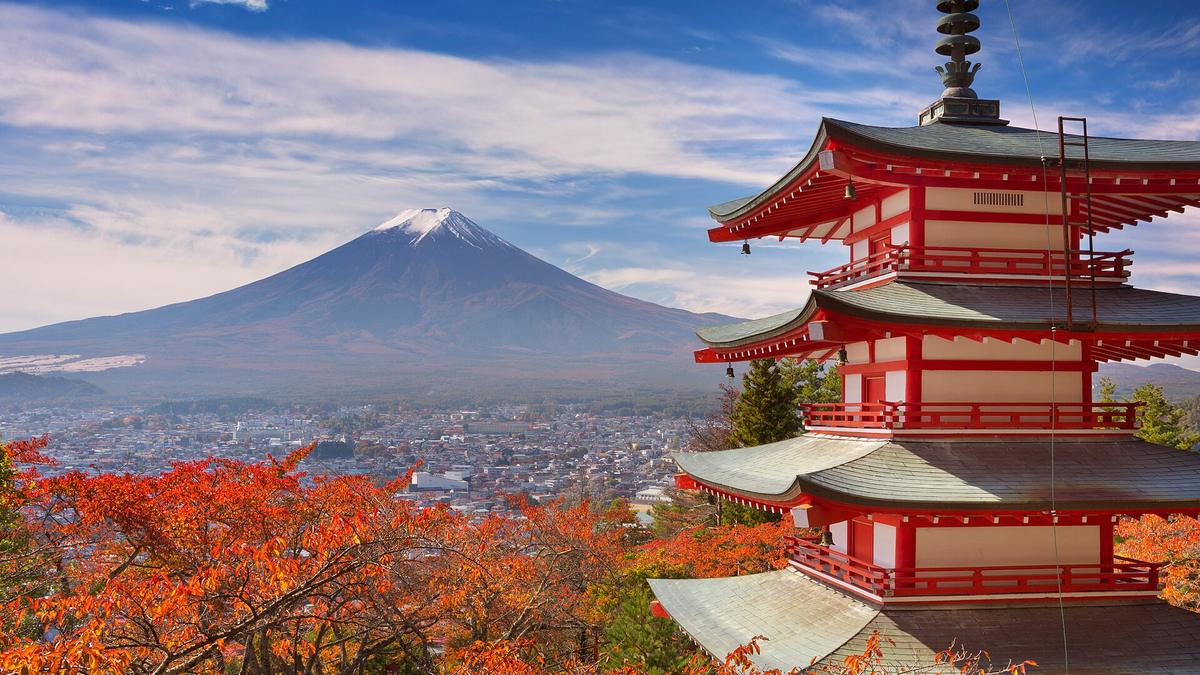
The Chureito Pagoda Climb
The postcard shot of Fuji behind a five-storey pagoda is not in the town itself. It is at Arakurayama Sengen Park, a 10-minute walk from Shimoyoshida Station on the Fujikyu Railway line, two stops before Kawaguchiko. Climb 398 steps from the park entrance to the viewing platform. Admission is free. Go in the morning. By noon the sun is behind the mountain and the shot flattens. If you take the train instead of the bus, ride the JR Chuo Line Limited Express Azusa or Kaiji from Shinjuku to Otsuki (about 60 minutes, ¥4,000 to ¥4,500 including surcharge), then transfer to the Fujikyu Railway for the 55-minute ride to Shimoyoshida or the lake terminus. Total journey time is about two hours each way.
Lake Level And The Ropeway
From Kawaguchiko Station, walk 10 to 15 minutes to the Kachi Kachi Ropeway lower station. The cable car ascends in about 3 minutes to a summit lookout over the water and, on clear days, Fuji. Round trip fare is ¥1,000. Operating hours are 09:00 to 17:00, with shorter hours in winter and longer hours in summer. The walking path around the lake is roughly 20 kilometres, so you are not circling it in a day. Stick to the eastern shore near the bridge, where boat rentals operate, for your lake-and-mountain composition.
Hakone, Gotemba, and the Shinkansen Gambit
Kawaguchiko is the straightforward choice. It is not the only one. Two other routes work, each with a different trade-off.
Hakone By Odakyu Romancecar
The Odakyu Romancecar runs from Shinjuku to Hakone-Yumoto in about 85 minutes. The one-way fare is ¥2,470, split into a base fare of ¥1,280 and a Limited Express surcharge of ¥1,190. From Hakone-Yumoto you transfer to the Hakone Tozan Railway, then the cable car and ropeway. The Togendai ropeway station gives elevated Fuji views when the sky is clear. The two-day Hakone Free Pass costs ¥6,100 and covers the round-trip Odakyu line journey plus all local transport in Hakone. You save money if you also use the loop transport, but for a single-day Fuji viewing trip the pass does not break even.
Gotemba And The Outlets
Gotemba requires a JR Chuo Line train from Shinjuku to Kozu, then a transfer to the JR Gotemba Line. Total travel time is about two hours 15 minutes each way. The viewing point is the Gotemba Premium Outlets observation deck, which faces Fuji directly. This is a shopping centre with a mountain view, not a nature excursion. Go only if you want to combine discount shopping with your sightseeing and you are visiting in winter.
The Shinkansen Quick Look
A Tokyo to Osaka Shinkansen trip passes Shin-Fuji station about 40 minutes after leaving Tokyo. From a window seat on the right side (seat E), you get a 30-second to 60-second view of the peak on a clear day. This is not a day trip. It is a commute that happens to include a glimpse. Book a regular ticket to Shin-Fuji, step off the train, walk outside the station, and look southwest. The platform itself has clear sightlines, but the view is better from ground level. The round trip takes about two hours of travel and costs roughly ¥6,000.
When the Mountain Stays Hidden: Live Webcams and the Forecast
You need two tools before you leave your hotel. The Fuji Kawaguchiko Webcam at fujigoko.tv shows the current lake and mountain conditions in real time. The Fuji Five Lakes Tourism Board runs additional live cameras. Check them the evening before and again at 06:00 on the morning of your trip. If you see only cloud, do not go.
The second tool is tenki.jp, a Japanese-language weather site that publishes a Mount Fuji visibility forecast. The page is in Japanese only. Open it in Chrome with auto-translate or use a translation extension. It gives a clear, partly cloudy, or cloudy prediction for each hour of the day. A forecast of nothing but cloud by 10:00 means you should switch to an indoor Tokyo plan for the day. Do not gamble a bus ticket on seeing nothing.
The failure case: it is June, visibility is below 20%, and you are already in Shinjuku. Skip the bus entirely. Spend the day in Tokyo. The mountain will still be there in December.
What the Climbing Season Means for Day Trippers (It Does Not)
Mount Fuji's official climbing season on the Yoshida Trail runs from early July to early September. The entry fee is ¥2,000 and the daily climber cap is 4,000. The 5th Station is a 50-minute bus ride from Kawaguchiko. The ascent from the 5th Station to the summit takes 5 to 7 hours. The descent takes 3 to 4 hours. A day trip from Tokyo that includes climbing is not feasible. You cannot reach the 5th Station, hike up and down, and get back to Tokyo within a single day. Anyone telling you otherwise is selling a tour that starts at 03:00 and ends with exhaustion. The climbing season is irrelevant to the day tripper. Stick to the viewpoints.
.jpg)

The JR Tokyo Wide Pass: Does it Pay for a Fuji Day Trip?
The JR Tokyo Wide Pass costs ¥15,000 for three consecutive days. It covers the JR Chuo Line to Otsuki, including Limited Express trains, and the Fujikyu Railway to Kawaguchiko. A round trip from Shinjuku to the lakeside by train costs ¥4,000 to ¥4,500. The pass does not break even on a single Fuji day trip. If you are using it for three days of travel that include Nikko, Kamakura, and the Fuji route, it pays off. For a standalone Fuji day, pay cash and book the bus.
Who Wins and Who Loses on a Fuji Day Trip
A Kawaguchiko or Hakone day trip suits the efficiency nerd who plans around a bus schedule, checks a forecast, and treats a clear view as a data-driven win. It suits the repeat Tokyo visitor who has already covered the city's districts and wants a focused outing with a single objective. It does not suit the first-timer on a three-day Tokyo sprint who is already packing Shibuya, Shinjuku, Asakusa, and Akihabara into two days. That traveller should skip Fuji entirely and use the time to see one district properly. The single thing that most often goes wrong here is the date: visiting between June and August, ignoring the 20% visibility number, and blaming the weather. The weather was predictable. The mistake was the calendar.
Read next
-
 Tokyo Hotels by Type and Budget from Capsules to Luxury
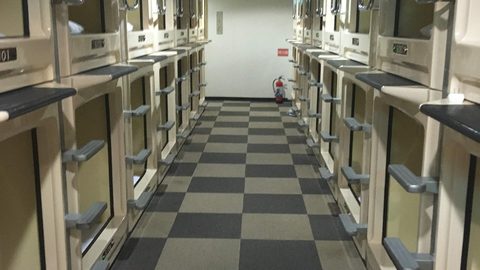
Tokyo hotels organised by type and price band, from efficient capsule pods to full-service luxury towers, to help you book the right room.
Tokyo Hotels by Type and Budget from Capsules to Luxury
Tokyo hotels organised by type and price band, from efficient capsule pods to full-service luxury towers, to help you book the right room.
-
 Where to Stay in Tokyo by District and Travel Style
A comparison of Tokyo's major districts to help you choose the right base for your travel style, whether you want calm or chaos.
Where to Stay in Tokyo by District and Travel Style
A comparison of Tokyo's major districts to help you choose the right base for your travel style, whether you want calm or chaos.
-
 Narita or Haneda for Tokyo and What That Airport Choice Costs You
Narita or Haneda for Tokyo: compare door-to-district time, transfer cost, and what the wrong airport choice eats from your trip.
Narita or Haneda for Tokyo and What That Airport Choice Costs You
Narita or Haneda for Tokyo: compare door-to-district time, transfer cost, and what the wrong airport choice eats from your trip.
-
 Things to Do in Tokyo That Are Worth Your Limited Days
A curated list of Tokyo's highest-impact sights and experiences, from immersive art to quiet backstreets, to help you prioritise your days.
Things to Do in Tokyo That Are Worth Your Limited Days
A curated list of Tokyo's highest-impact sights and experiences, from immersive art to quiet backstreets, to help you prioritise your days.
-
 Best Time to Visit Tokyo Month by Month Tradeoffs
A month-by-month guide to visiting Tokyo, laying out the trade-off between weather, crowds, price, and what's actually open.
Best Time to Visit Tokyo Month by Month Tradeoffs
A month-by-month guide to visiting Tokyo, laying out the trade-off between weather, crowds, price, and what's actually open.
-
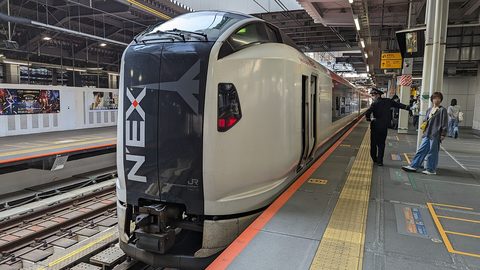 Getting Around Tokyo by Train Airport Transfers and IC Cards
A practical guide to Tokyo's rail network, covering airport transfers, IC cards, and how to avoid the station navigation mistakes that eat your day.
Getting Around Tokyo by Train Airport Transfers and IC Cards
A practical guide to Tokyo's rail network, covering airport transfers, IC cards, and how to avoid the station navigation mistakes that eat your day.
-
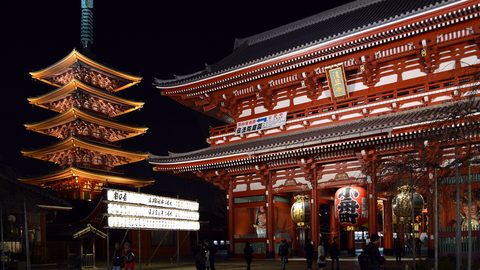 Senso-ji
 is free and never closes, but the experience at 6am with empty Nakamise stalls is nothing like the 11am crush under Kaminarimon. Here is when to go and what you get at each hour.
Senso-ji
Senso-ji is free and never closes, but the experience at 6am with empty Nakamise stalls is nothing like the 11am crush under Kaminarimon. Here is when to go and what you get at each hour.
-
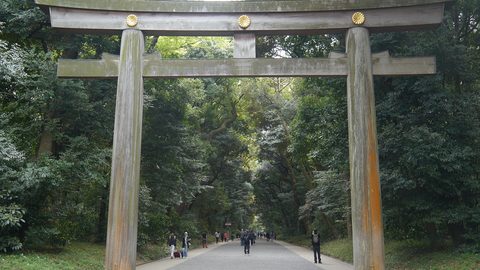 Meiji Jingu
The Meiji Jingu visit changes completely depending on which torii gate you enter. One drops you from Harajuku noise into sudden forest, the other builds quiet slowly from Yoyogi.
Meiji Jingu
The Meiji Jingu visit changes completely depending on which torii gate you enter. One drops you from Harajuku noise into sudden forest, the other builds quiet slowly from Yoyogi.
-
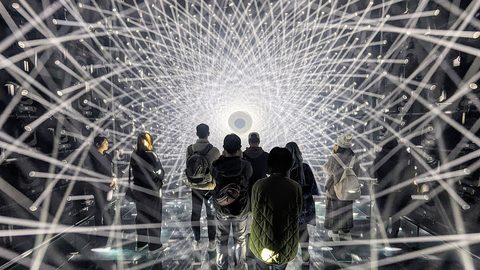 teamLab
 Borderless and Planets are two different Tokyo venues with separate booking systems. Borderless tickets at Azabudai Hills sell in timed slots and the maze has no fixed route.
teamLab
teamLab Borderless and Planets are two different Tokyo venues with separate booking systems. Borderless tickets at Azabudai Hills sell in timed slots and the maze has no fixed route.