Best Time to Visit Phuket: Month by Month Weather, Crowds and Swimmable Seas
Best time to visit Phuket is November to February for dry weather and calm seas, but prices jump 50 to 100 percent. Monsoon months bring beach closures.
Phuket’s Weather is Not What Most Guides Tell You
Most advice frames Phuket as two simple seasons: dry and wet. That framing hides the real problem. Phuket has a dry season where the sea is calm and a monsoon where the water can kill you. It also has a single week when the roads become lethal, a month when the heat hits 33°C with no breeze, and a two-week period over Christmas when accommodation prices double. The best time to visit depends on which of those trade-offs you can tolerate. Here is the month-by-month breakdown of exact weather patterns, sea conditions, festival dates, and the specific windows to skip.
Phuket Weather by Month: What Actually Happens
Phuket sits on the Andaman coast, so its monsoon runs May to October and its dry season runs November to April. That is the opposite of the Gulf coast around Koh Samui, where October to December is the wet window. Book a Gulf coast trip expecting Phuket's weather and you get the timing wrong. The dry season delivers average temperatures around 28°C with calmer seas and reliable sunshine. The monsoon, labelled green season by the tourism board, brings a specific daily pattern: sunny mornings from 28 to 32°C, then heavy rain for one to three hours in the afternoon. The rain does not last all day.
April is the hottest month. The average high hits 33°C and the low stays at 25°C, with high humidity and little wind. This is not the time for beach lounging or long walks, but it is the window for Songkran, the national water festival, which lands on April 13 to 15 every year.
November to February: Peak Season Window
November to February is the prime window. Dry weather, calm seas, and comfortable temperatures drive accommodation prices up by 50 to 100 percent compared to low season. Visitor volume is roughly double what it is in green season. Beaches such as Patong, Karon, Kata, Nai Harn, Surin, Bang Tao, Kamala, and Mai Khao have lifeguards on duty during this period. The peak pricing condenses into a narrow spike from December 20 to January 10, when resorts charge their highest rates of the year. For the best balance of weather and cost, book the first two weeks of November or the last two weeks of February.
May to October: Monsoon and Rip Current Risk
May to October is the west coast red flag season. The monsoon brings dangerous rip currents that cause annual drowning fatalities among tourists. In 2023, the Thai Ministry of Public Health recorded 33 drowning deaths involving tourists in Phuket, most of them on west coast beaches during this period. The exact figure for 2024 has not been published, but the pattern is consistent every year. Lifeguard presence is seasonal, typically November to April. Outside those months, many beaches have no lifeguards at all. Visiting between May and October means swimming only at beaches with active lifeguards: Patong, Karon, Kata, Nai Harn, Surin, Bang Tao, Kamala, and Mai Khao. Pay attention to red flags. Even then, conditions can shift quickly. After heavy rain, raw sewage and rubbish can plague certain beaches, especially Patong and Karon, making the sea unswimmable for 24 to 48 hours.
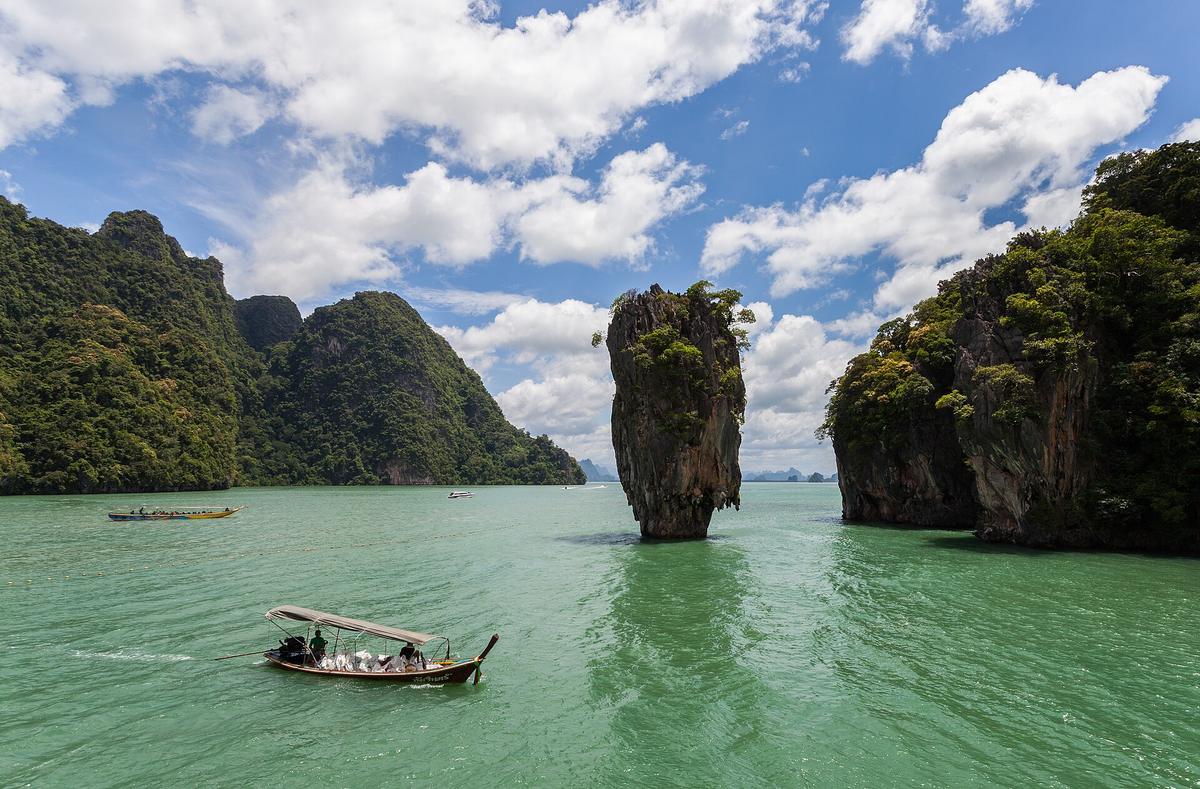
Accommodation prices drop by 40 to 60 percent in green season. Visitor numbers are roughly 50 percent lower than high season. The trade-off: the Similan Islands close from mid-May to mid-October, and the Surin Islands close during the same period. Day trips to Phi Phi Islands run year-round but at reduced frequency. Trips to Phang Nga Bay, Racha Island, and Coral Island continue year-round depending on sea conditions.

Phuket Monsoon: What You Can and Cannot Do
Monsoon does not mean you stay indoors. The morning sun is real and strong. You can swim at protected beaches, take day trips to Phang Nga Bay where the karst scenery is sheltered from the open sea, and book tours to Racha Island or Coral Island if conditions permit. The problem is that most generic advice never warns you about the rip current fatalities, the beach closures, or the fact that lifeguards are not guaranteed. Planning to swim during the monsoon means limiting yourself to beaches with lifeguard service confirmed by the Phuket Lifeguard Service, whose contract is renewed annually. Patong, Karon, Kata, Nai Harn, Surin, Bang Tao, Kamala, and Mai Khao are the beaches that have lifeguards during this period. Check the current status before you go in.
The Similan Islands are the biggest loss. Those islands offer world-class diving, but they are closed from mid-May to mid-October. Plan a November-to-May visit if the Similans are your reason for coming. Surf season runs during the monsoon months, with Kata Beach as the most reliable spot for waves. That is a separate activity, but know that the same conditions making swimming dangerous make surfing possible.
Phuket Peak Season Prices: What You Actually Pay
Peak season runs November to March, but the real price spike hits from December 20 to January 10. During that window, accommodation prices increase by 50 to 100 percent above low-season rates. A room costing 2,000 THB in June can double or more in late December. The Christmas and New Year period also means the island is at its most crowded, with traffic on the main road between Patong and the airport stretching a 60-to-90-minute taxi ride into two hours or more.
For dry weather and calm seas without peak prices, book the shoulder weeks: the first two weeks of November or the last two weeks of February. Weather is still reliable, crowds are thinner, and rates have not yet hit their ceiling. The other option is green season, where you save 40 to 60 percent on accommodation but accept the risk of afternoon rain, rip currents, and no access to the Similan Islands. That trade-off works for travellers who prioritize budget over guaranteed beach time.
| Month | Season | Average High | Rain Pattern | Crowd Level | Sea Condition |
|---|---|---|---|---|---|
| November | Start of dry season | 28°C | Low | Moderate | Calm, lifeguards on main beaches |
| December | Peak season | 28°C | Very low | High, peak pricing Dec 20 Jan 10 | Calm, lifeguards on main beaches |
| January | Peak season | 28°C | Very low | Very high | Calm, lifeguards on main beaches |
| February | Peak season | 29°C | Very low | High | Calm, lifeguards on main beaches |
| March | Late dry season | 30°C | Low | Moderate | Calm early, building swell |
| April | Hottest month | 33°C | Low | High during Songkran | Calm, hot |
| May | Start of monsoon | 31°C | Afternoon showers | Low | Rip current risk, lifeguards reduced |
| June | Monsoon | 30°C | Afternoon rain 1 3 hours | Low | Red flag risk, some beaches closed |
| July | Monsoon | 30°C | Afternoon rain 1 3 hours | Low | Red flag risk |
| August | Monsoon | 29°C | Afternoon rain 1 3 hours | Low | Red flag risk |
| September | Monsoon | 29°C | Afternoon rain | Low | Red flag risk, Vegetarian Festival late Sep |
| October | Monsoon | 29°C | Afternoon rain | Low, rising late month | Red flag risk, surf season |
Phuket in April: Songkran, the Week to Skip
Songkran happens every year on April 13 to 15. The water fights are famous and fun, but Phuket's roads become a lethal gridlock of drunk driving with a sharp spike in fatal accidents. The island's traffic is already the single biggest daily stressor: the tuk tuk mafia charges fixed fares of 200 to 400 THB for a five-minute trip, and drivers in tourist zones like Patong and Kata block ride-hail pickups from Grab and Bolt. Add Songkran's alcohol-fuelled chaos to that system and even a short transfer becomes dangerous. The April average high of 33°C with 25°C lows and high humidity makes the water fights a relief from the heat. The cost in safety and mobility is not worth it for most travellers.
If you are in Phuket during Songkran, stay within walking distance of your accommodation. Do not ride a scooter. Do not expect a tuk tuk to take you anywhere quickly or safely. The festival is best experienced from a fixed location with a pool and air conditioning nearby, not from the back of a vehicle.
Phuket Vegetarian Festival: a Nine-Day Spectacle You Need to Plan for
The Phuket Vegetarian Festival runs for nine days, starting on the first day of the ninth lunar month of the Chinese calendar. The 2026 dates are September 25 to October 3. The 2027 dates are October 14 to 22. The main events take place in Phuket Town at shrines along Thalang Road, Ranong Road, and Phang Nga Road. The key ritual involves Mah Song spirit mediums who undergo body piercing and fire walking. Street processions happen daily during the festival, with times varying by shrine.
This festival is not a quiet cultural backdrop. It is loud, intense, and draws large crowds to Phuket Town. If you are based on a west coast beach like Patong or Kata, budget for the transfer into town, which means dealing with the island's notorious transport monopoly. Book a Grab or Bolt if you can get a pickup. Staying in Old Phuket Town puts the procession routes within walking distance. Accommodation in Phuket Town books up during the festival, so reserve ahead.
The Single Most Practical Thing to Do Before Booking
Before you pick your travel dates, check the specific location of your hotel against a map. The most common mistake visitors make is booking a hotel based on a beach name without confirming the exact spot. A hotel listed as Patong on the far northern hillside can mean a 30-minute, 400 THB tuk tuk ride just to reach the sand, trapping you in a remote resort bubble where you cannot walk anywhere. The same applies to Kata, Karon, and Kamala. Read the location description for walking distance to the beach and to restaurants. If the hotel is on a hill or set back from the coast, budget for the transport cost and time into your daily plan.
The taxi tuk tuk mafia is the single biggest daily stressor in Phuket. Drivers refuse to use meters and charge fixed fares that feel like extortion in tourist zones. Grab and Bolt work well on the island's excellent 5G network, but local drivers in Patong and Kata have been known to block ride-hail pickups. Register your local SIM with the Grab app at the airport. A tourist SIM from AIS or TrueMove costs about 300 THB for 15 days of unlimited data and is significantly cheaper than roaming. Without a local number, the app will not let you book a ride. That one step solves more daily frustration on Phuket than any other preparation.
Common Questions
What is the absolute best month to visit Phuket for good weather and low crowds?
November gives you the start of the dry season with average temperatures around 28°C, calm seas, and lifeguards on the main beaches, but visitor volume is still moderate and accommodation prices have not yet hit the December peak. February works similarly from the other end of the peak season. Both months avoid the December 20 to January 10 price spike.
Can I swim at Phuket beaches during the monsoon?
Yes, but only at beaches with confirmed lifeguard presence. Patong, Karon, Kata, Nai Harn, Surin, Bang Tao, Kamala, and Mai Khao have lifeguards during the May to October period, but the Phuket Lifeguard Service contract is renewed annually, so check the current status. Pay attention to red flags. Rip currents cause annual fatalities among tourists on the west coast during this period.
Is Songkran in Phuket worth the risk?
The water fights are enjoyable if you stay within walking distance of your accommodation and avoid roads entirely. The problem is the sharp spike in drunk driving accidents and the gridlock that makes even short trips dangerous. If you need to move around the island during April 13 to 15, skip Phuket that week or confine yourself to a single beach area with everything within walking distance.
How much cheaper is Phuket in green season compared to peak season?
Accommodation prices drop by 40 to 60 percent in the May to October green season compared to the November to March high season. Visitor volume is roughly 50 percent lower. The trade-off is afternoon rain, rip current risk on west coast beaches, and the closure of the Similan Islands from mid-May to mid-October.
Which beaches have lifeguards in Phuket and when?
Patong, Karon, Kata, Nai Harn, Surin, Bang Tao, Kamala, and Mai Khao have lifeguards during the November to April period. Outside those months, lifeguard presence is seasonal and depends on the annual contract renewal of the Phuket Lifeguard Service. Always check the current red flag status before swimming, especially between May and October.
Read next
-
 Phuket Hotels by Property Type and Price Band Without the Hype
Phuket hotels range from gated luxury resorts in Bang Tao to walkable guesthouses in Phuket Town. Price band and location matter equally.
Phuket Hotels by Property Type and Price Band Without the Hype
Phuket hotels range from gated luxury resorts in Bang Tao to walkable guesthouses in Phuket Town. Price band and location matter equally.
-
 Where to Stay in Phuket Which Beach Area Matches Your Trip
Where to stay in Phuket depends entirely on which beach area matches your trip. Patong, Kata, Bang Tao and Rawai are not interchangeable.
Where to Stay in Phuket Which Beach Area Matches Your Trip
Where to stay in Phuket depends entirely on which beach area matches your trip. Patong, Kata, Bang Tao and Rawai are not interchangeable.
-
 Phuket Flights Direct Routes Airlines and HKT Airport Arrival Guide
Phuket flights and HKT airport guide covering direct routes, airlines, arrival procedures, visa queues, and the real cost of getting from the airport to Patong.
Phuket Flights Direct Routes Airlines and HKT Airport Arrival Guide
Phuket flights and HKT airport guide covering direct routes, airlines, arrival procedures, visa queues, and the real cost of getting from the airport to Patong.
-
 Phuket Things to Do Worth Your Days and What to Skip
Phuket things to do range from the Big Buddha and Wat Chalong to speedboat day trips. Some earn your days; many do not.
Phuket Things to Do Worth Your Days and What to Skip
Phuket things to do range from the Big Buddha and Wat Chalong to speedboat day trips. Some earn your days; many do not.
-
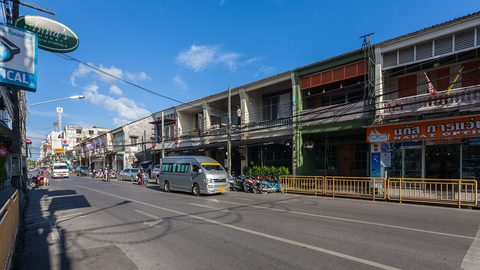 Getting Around Phuket Without Losing Your Mind or Your Cash
Getting around Phuket means navigating tuk-tuk monopolies, blocked ride-hail zones, and fixed fares. Plan your transport before you book a hotel.
Getting Around Phuket Without Losing Your Mind or Your Cash
Getting around Phuket means navigating tuk-tuk monopolies, blocked ride-hail zones, and fixed fares. Plan your transport before you book a hotel.
-
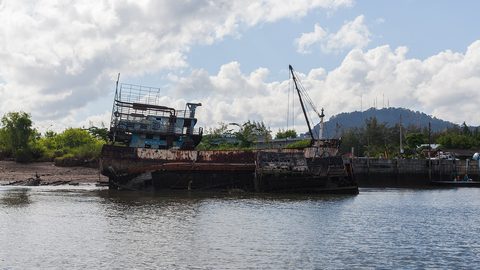 Phuket Itinerary Five Days Alternating Beaches and Boat Days
A five day Phuket itinerary should alternate beach recovery with activity days. Consecutive boat trips in Phuket heat and traffic are a mistake.
Phuket Itinerary Five Days Alternating Beaches and Boat Days
A five day Phuket itinerary should alternate beach recovery with activity days. Consecutive boat trips in Phuket heat and traffic are a mistake.
-
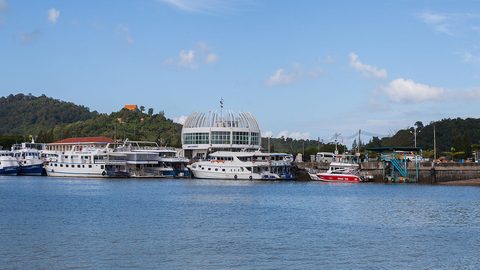 Phuket Old Town
 is a compact Sino-Portuguese quarter of shophouse cafes, dim sum trolleys and street art that most beach visitors never make the 45-minute drive to see.
Phuket Old Town
Phuket Old Town is a compact Sino-Portuguese quarter of shophouse cafes, dim sum trolleys and street art that most beach visitors never make the 45-minute drive to see.
-
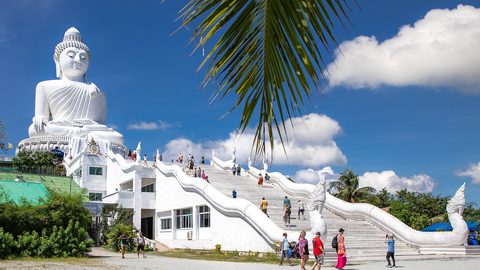 Big Buddha
 Phuket is a free, unfinished marble statue on Nakkerd Hill with the best panoramic island view, reached by a steep road that tuk-tuks charge a premium to climb.
Big Buddha
Big Buddha Phuket is a free, unfinished marble statue on Nakkerd Hill with the best panoramic island view, reached by a steep road that tuk-tuks charge a premium to climb.
-
 Thailand Travel Guide From First Timers To Island Hoppers
A realistic Thailand travel guide covering regions, seasons, and pacing so you avoid the classic Bangkok Chiang Mai island mistake.
Thailand Travel Guide From First Timers To Island Hoppers
A realistic Thailand travel guide covering regions, seasons, and pacing so you avoid the classic Bangkok Chiang Mai island mistake.