Where to Stay in Phuket: Matching a Beach Area to the Trip You Actually Want
Where to stay in Phuket depends entirely on which beach area matches your trip. Patong, Kata, Bang Tao and Rawai are not interchangeable.
Where to Stay in Phuket: Matching a Beach Area to the Trip You Actually Want
The beach you pick in Phuket determines everything: how much you pay for transport, whether you can walk to dinner, and whether your trip feels like a tropical escape or a series of expensive taxi ordeals. The island is 50 km long. A hotel name alone tells you nothing about the actual location. You can book a room labelled "Patong" that sits on the far northern hillside, a 30-minute, 400 THB ride from the sand, trapping you in a remote resort bubble. The decision on where to stay in Phuket is a decision about friction: how much you want to fight traffic, negotiate with drivers, and feel the heat of the sun on the beach versus the heat of a bad deal in the shade. Go district by district, with the friction points named openly. The trade-offs are not in the brochure.
Phuket Beach Areas Compared
Phuket's west coast holds nearly all the swimmable sand. The east coast is pier and mangrove. The question is not which beach has the prettiest water but which one lets you live the way you want to while you are there. A beach that requires a taxi to reach dinner, a taxi to reach the sand, and a taxi to reach a drink will bleed your budget and your patience faster than any room rate can save you. The table below puts the seven major beach areas side by side on the metrics that matter most: how you get to the sea, what the water does in monsoon, and who should actually stay there.

| Area | Beach Access | Swim Season | Monsoon Conditions | Best For |
|---|---|---|---|---|
| Patong | Walk, 5–15 minutes | Nov–Apr | Red-flagged, strong rips May–Oct | Nightlife seekers, singles, groups aged 18–35 |
| Karon | Walk from west-side hotels, taxi from east-side hills | Nov–Apr | Dangerous rips May–Oct | Couples, families wanting space without isolation |
| Kata / Kata Noi | Walk, 5–10 minutes | Nov–Apr (surf May–Oct) | Dangerous rips May–Oct | First-time visitors, surf learners, families with older children |
| Kamala | Walk, 5–10 minutes | Nov–Apr | Calmer than Patong/Karon, rips possible | Families with young children, long-stay retirees |
| Surin / Bang Tao (Laguna) | Walk from resort, taxi from budget rooms | Nov–Apr | Strong currents May–Oct | Resort guests, golfers, luxury travellers |
| Nai Harn / Rawai | Walk or scooter, 5–15 minutes | Nov–Apr (Nai Harn calmest in high season) | Swimmable in protected bay May–Oct | Long-stay expats, families, seafood diners |
| Mai Khao / Nai Yang | Walk from resort, taxi from budget rooms | Nov–Apr | Strong rips, jellyfish warnings May–Oct | Airport transit stays, seclusion seekers, plane spotters |
Patong or Kata or Karon: the Three-Way Choice for First-Timers
If you are deciding between Patong, Kata and Karon, you are deciding between noise, convenience and quiet. There is no right answer. Only the right one for the trip you actually booked.
Patong: The Nightlife Hub With A Daily Taxi Fight
Patong runs on Bangla Road, the neon-lit adult entertainment strip that transforms at 6 PM. The beach here is 3 km of sand with a walkable room-to-beach time of 5 to 15 minutes for most hotels. That walkability is the main argument for Patong. You do not need a ride for dinner, for the beach, or for a drink. The friction comes from the driver monopoly itself: drivers in Patong block ride-hail pickups and charge fixed fares of 200-400 THB for a 5-minute trip. The sea is swimmable from November to April. From May to October, red flags mean dangerous rips and no swimming. Patong is for travellers aged 18-35 who want to party, who accept that the beach is a daytime backdrop rather than the main event, and who will not be bothered by the seedy strip running parallel to the sand.
Kata: The Surf Spot For First-Timers
Kata is 1.5 km of sand with 700 m at Kata Noi. Most hotels are a 5 to 10 minute walk from the sea. The surf season runs May to October, when learners take lessons on gentle waves. Swim season is November to April. Kata is the safest bet for first-time visitors who want a real beach but do not want Patong's intensity. The downside: the Kata hillside is steep. A hotel on the east side of the hill means a taxi to the beach, not a walk. Check the exact location before you book. Kata works for families with older children who want to learn to surf and for couples who want a quieter evening than Patong but still want a restaurant within sight of their room.
Karon: The Long Flat Sand For Families Who Want Space
Karon beach is 5 km long, the longest continuous stretch of sand on the west coast. Fewer vendors, less noise, more space. Hotels on the west side of the road walk directly onto the beach. Hotels on the east side of the hills require a taxi. Karon is quieter than Patong but not isolated. You get a proper beach with room to lay a towel without a beach chair vendor demanding 100-200 THB for a patch of sand you occupy. The monsoon sea conditions from May to October are dangerous rips; the beach is unusable for swimming during that window. Karon is for couples and families who want space without isolation and who are willing to pay for a west-side hotel to avoid the taxi problem.
Bang Tao vs Kamala: Resort Bubble or Quiet Bay
Bang Tao and Kamala sit north of Patong and serve two entirely different kinds of traveller. One is a manufactured luxury envelope. The other is a quiet expat and retiree stretch with a calm bay.
Bang Tao and The Laguna Complex
Bang Tao beach runs 6 km, much of it fronting the Laguna complex, a gated resort enclave with eight hotels, golf courses, artificial lagoons and high-end beach clubs. If you stay inside the Laguna bubble, you do not leave it. Everything you need is on site: restaurants, pools, a spa, a shuttle between hotels. The friction is that you are trapped in that bubble. A trip to a local market or a dinner outside the complex requires a taxi. Drivers charge premium rates from Bang Tao because they know you have no alternative. The swim season is November to April; from May to October, strong currents make the sea hazardous. Bang Tao is for luxury resort lovers who want a soft landing, who are happy to pay resort prices for resort convenience, and who do not need to see anything outside the gates.
Kamala: The Quiet Bay For Young Children And Retirees
Kamala beach is 2 km of shallow bay, calmer than Patong and Karon even in monsoon. The typical room-to-beach time is 5 to 10 minutes. Nightlife is limited to a few expat bars. There is no Bangla Road equivalent. The water is calm enough in high season for young children to paddle without panic. The trade-off is that Kamala is quiet. If you want a bar scene or a late dinner, you take a 15-minute ride to Patong, and that trip costs the same 200-400 THB as a 5-minute one. Kamala is for households with toddlers, long-stay retirees, and anyone whose idea of a perfect beach day is a book and a calm bay without a soundtrack of jet skis.
Phuket Family Accommodation Area: Where to Base with Kids
For a trip with children, the beach you choose determines whether you spend your days organising transport or actually relaxing. Three areas work: Kata, Kamala and Nai Harn. Each for different reasons.
Kata gives you a walkable beach with surf lessons for older children and a selection of restaurants along the main road. Kamala gives you the shallowest bay on the west coast, calm enough for toddlers, with a 5-minute walk to the sand from most hotels. Nai Harn, the 700 m local favourite, offers calm lagoon-like water in high season and a village atmosphere where children can run on the grass at the southern end without dodging jet-ski rentals. The common thread is walkability. A household with small children who needs a ride to reach the beach will spend more on transport than on accommodation. Book a hotel on the west side of the road, check the nightly rate against the cost of a 400 THB round trip for every meal, and budget for the fact that Phuket's traffic means a 5 km trip takes 20 minutes, not 5.
The Areas Most Travellers Miss That Might Fit Better
Beyond the six main beach areas, two locations serve specific trips better than the sand strip.
Old Phuket Town: For Culture And Food, Not The Beach
Old Phuket Town has no beach. It is 30 to 45 minutes by car from the nearest west-coast sand. What it has is Sino-Portuguese architecture, a Sunday market on Thalang Road from 4 PM to 10 PM, and the best local food on the island. Morning dim sum trolleys roll through the streets. The Oh Aew dessert shop and the Moo Hong braised pork belly stalls are neighbourhood rituals, not tourist traps. Stay here if your trip is about eating, walking heritage streets, and seeing how the island lives when the beach crowds leave. You will need a scooter or a budget for taxis to reach the sea.
Mai Khao And Nai Yang: For The Airport And Seclusion
Mai Khao beach runs 11 km through Sirinat National Park, the longest stretch on the island and the quietest. Nai Yang is 2 km of beach with a few restaurants. Both sit 5 to 15 minutes from Phuket International Airport. The swim season is November to April; from May to October, strong rips and jellyfish warnings close the water. These beaches are for a transit stay, a last night before a flight, or a seclusion seeker who wants to see nothing but sand and planes landing overhead. They are not for anyone who wants a daily trip to a different beach or a night out in Patong. The distance and the taxi cost will eat your trip.

The Real Friction Points That Will Affect Your Daily Life
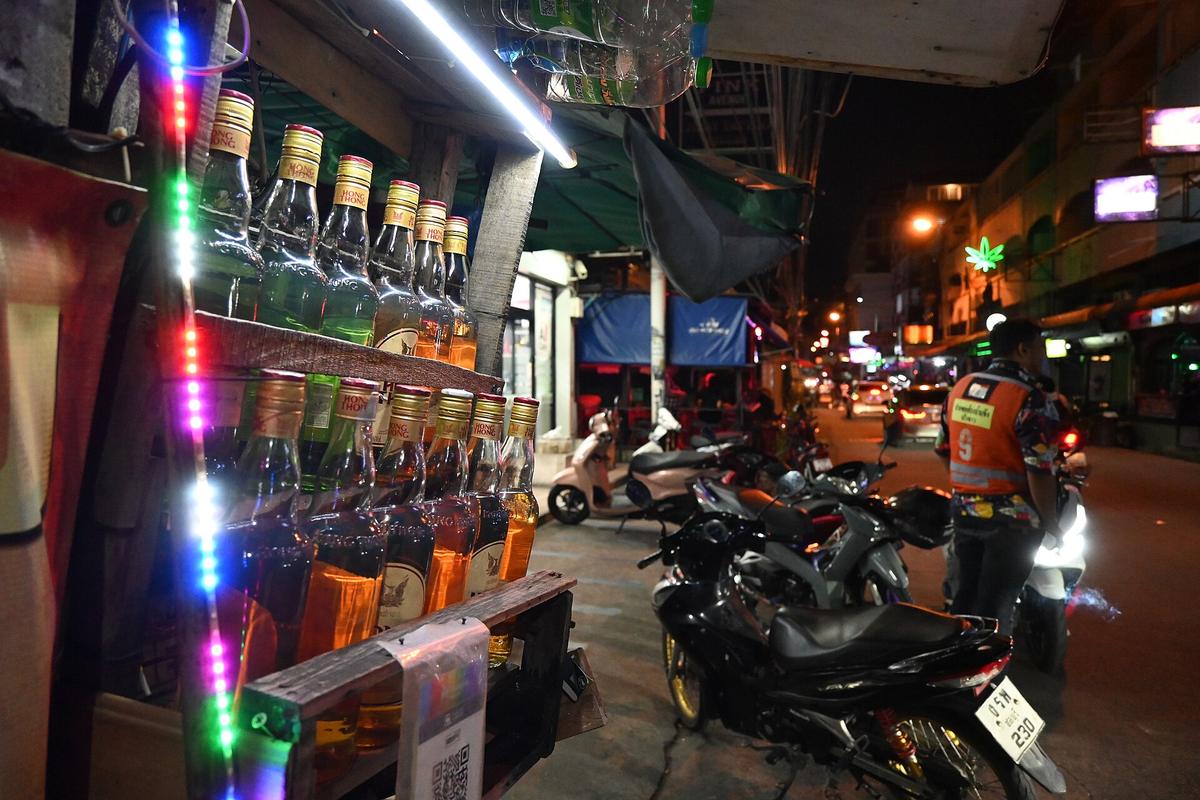
A single fact will shape every day of your trip more than the hotel pool or the beach width: Phuket has no unified public bus system covering the whole island. The Smart Bus runs along the west coast to Rawai for 100 THB but is impractical with heavy luggage. Ride-hail apps like Grab and Bolt work on excellent 5G coverage, but their drivers are physically blocked from pickup zones in Patong and Kata by the local drivers. The result: a 5-minute trip costs 200-400 THB. A day with two beach moves, a lunch trip and a dinner trip costs 800-1,600 THB in taxi fares alone. That is real money. It is also the reason that walkability is the single most important variable in your accommodation decision. A hotel that lets you step out of the lobby and onto the sand without a negotiation saves you not just cash but the daily irritation of being treated like a fare.
The other friction points are smaller but cumulative. Beach chair vendors will demand 100-200 THB even if you lay your own towel on an empty patch of sand. Jet-ski rental scams are endemic; operators claim you damaged the vehicle and demand cash repairs on return. After heavy rain, raw sewage can plague Patong and Karon beaches, making the sea unswimmable for 24 to 48 hours. None of these are enough to skip Phuket. They are enough to choose your base carefully.
How to Avoid the Common Mistake That Wrecks a Phuket Trip
The most common mistake travellers make is booking a hotel based on a beach's name without checking the specific location. A "Patong" hotel on the far northern hillside means a 30-minute, 400 THB ride just to reach the sand. A "Kata" hotel on the east side of the hill means a taxi to the beach. The room decision factors: beach access method (walk vs taxi or scooter), hill side (west-facing sea views vs east-facing inland), and sea condition by month (swimmable November to April, hazardous May to October on most west-coast beaches). Check all three on Google Maps before you pay a deposit. Look for the walking path from the hotel entrance to the sand. If it is not a straight line on a flat road, budget for the taxi fare and the daily frustration of waiting for a driver who may not show up.
The Honest Caveat: Phuket is Not a Quiet Island
Phuket is a sprawling island of extreme contrasts, where gleaming beach clubs sit alongside hectic roads and relentless development. The dreamy tropical escape you see in photographs requires more logistical grit than expected, especially outside the manicured resort bubbles. The island is 50 km long. The traffic is real. The driver monopoly is a daily frustration that no hotel rating can fix. If you want an authentic, slow-paced Thai village experience, skip Phuket. If you want nightlife, direct flights, infrastructure, and a beach that you can walk to from your room, pick the right area, check the exact location, and accept that the island's commercialisation is the price of convenience. A 4-day trip is the minimum; less than that and you will spend more time in transit between the airport and your far-flung beach than actually relaxing.
Common Questions
Which Phuket beach is best for swimming in May?
Nai Harn is the safest bet. Its protected bay remains swimmable during monsoon, while most west-coast beaches are red-flagged with dangerous rips from May to October.
Can I walk to the beach from any hotel in Patong?
No. Hotels on the far northern hillside require a 30-minute, 400 THB ride to reach the sand. Only hotels within 5-15 minutes walk of the beach centre offer true walkability.
Is Bang Tao worth the price for a family?
Yes, if you want a resort bubble where everything is on site. No, if you plan to explore the island daily, because each trip outside the Laguna complex costs a premium taxi fare.
How do I avoid the driver monopoly in Phuket?
Stay in a walkable area where you do not need transport for meals or the beach. Use Grab or Bolt for longer trips, but expect drivers to cancel near Patong and Kata where the monopoly blocks pickups.
What month should I avoid Phuket for swimming?
Avoid late May to October for swimming on most west-coast beaches. Dangerous rip currents and red flags close the sea. Nai Harn is the exception, staying swimmable in its protected bay.
How much does a taxi from Phuket airport to Patong cost?
A metered taxi takes 60-90 minutes and costs 600-800 THB. A shared minibus is 180-200 THB but slower. The Smart Bus runs for 100 THB but is impractical with luggage.
Is Patong safe for families?
The beach itself is fine during the day. The Bangla Road nightlife strip is adult-focused. Those with young children are better suited to Kamala or Kata for a quieter evening.
Can I use Grab in Phuket everywhere?
Grab and Bolt work on the island's excellent 5G network, but drivers avoid pickup zones in Patong and Kata where the local monopoly blocks ride-hail vehicles. You may need to walk outside the zone to meet your driver.
Which beach in Phuket has the calmest water for children?
Kamala has the shallowest, calmest bay on the west coast, ideal for toddlers. Nai Harn is also calm in high season. Both offer walkable access from family-friendly hotels.
Is Karon better than Kata for a couple?
Karon offers more space and fewer vendors, making it better for couples who want a quiet beach walk. Kata is better for couples who want surf lessons and a wider restaurant selection.
Should I stay in Old Phuket Town or on a beach?
Stay in Old Phuket Town only if food and culture matter more than the beach. You are 30-45 minutes from the nearest sand. Stay on a beach if swimming and sunbathing are the main activity.
How far in advance should I book Phuket accommodation?
Book 2-3 months ahead for peak season November to February, when prices rise 50-100%. For low season, 2-4 weeks ahead is enough, though top walkable hotels in Kata and Kamala still fill.
Read next
-
 Phuket Hotels by Property Type and Price Band Without the Hype
Phuket hotels range from gated luxury resorts in Bang Tao to walkable guesthouses in Phuket Town. Price band and location matter equally.
Phuket Hotels by Property Type and Price Band Without the Hype
Phuket hotels range from gated luxury resorts in Bang Tao to walkable guesthouses in Phuket Town. Price band and location matter equally.
-
 Phuket Flights Direct Routes Airlines and HKT Airport Arrival Guide
Phuket flights and HKT airport guide covering direct routes, airlines, arrival procedures, visa queues, and the real cost of getting from the airport to Patong.
Phuket Flights Direct Routes Airlines and HKT Airport Arrival Guide
Phuket flights and HKT airport guide covering direct routes, airlines, arrival procedures, visa queues, and the real cost of getting from the airport to Patong.
-
 Phuket Things to Do Worth Your Days and What to Skip
Phuket things to do range from the Big Buddha and Wat Chalong to speedboat day trips. Some earn your days; many do not.
Phuket Things to Do Worth Your Days and What to Skip
Phuket things to do range from the Big Buddha and Wat Chalong to speedboat day trips. Some earn your days; many do not.
-
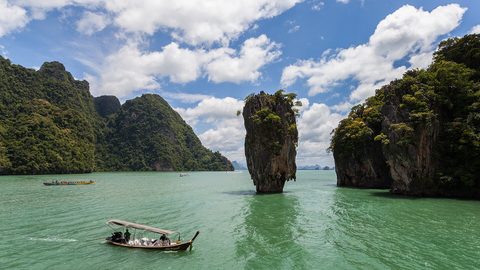 Best Time to Visit Phuket Month by Month Weather and Crowds
Best time to visit Phuket is November to February for dry weather and calm seas, but prices jump 50 to 100 percent. Monsoon months bring beach closures.
Best Time to Visit Phuket Month by Month Weather and Crowds
Best time to visit Phuket is November to February for dry weather and calm seas, but prices jump 50 to 100 percent. Monsoon months bring beach closures.
-
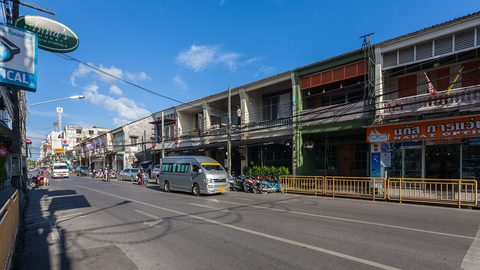 Getting Around Phuket Without Losing Your Mind or Your Cash
Getting around Phuket means navigating tuk-tuk monopolies, blocked ride-hail zones, and fixed fares. Plan your transport before you book a hotel.
Getting Around Phuket Without Losing Your Mind or Your Cash
Getting around Phuket means navigating tuk-tuk monopolies, blocked ride-hail zones, and fixed fares. Plan your transport before you book a hotel.
-
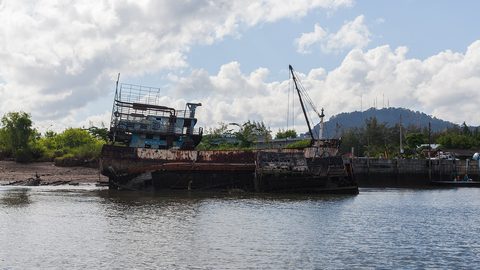 Phuket Itinerary Five Days Alternating Beaches and Boat Days
A five day Phuket itinerary should alternate beach recovery with activity days. Consecutive boat trips in Phuket heat and traffic are a mistake.
Phuket Itinerary Five Days Alternating Beaches and Boat Days
A five day Phuket itinerary should alternate beach recovery with activity days. Consecutive boat trips in Phuket heat and traffic are a mistake.
-
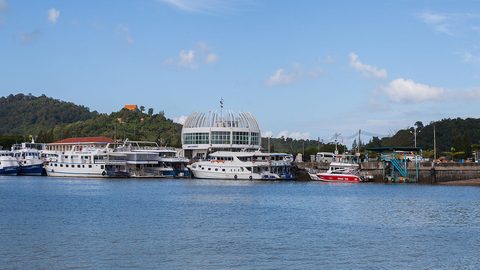 Phuket Old Town
 is a compact Sino-Portuguese quarter of shophouse cafes, dim sum trolleys and street art that most beach visitors never make the 45-minute drive to see.
Phuket Old Town
Phuket Old Town is a compact Sino-Portuguese quarter of shophouse cafes, dim sum trolleys and street art that most beach visitors never make the 45-minute drive to see.
-
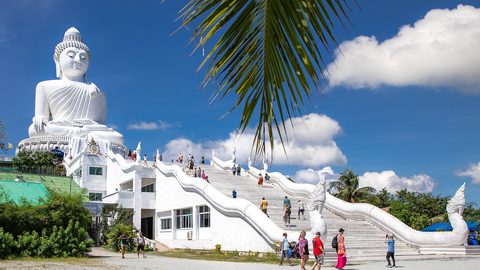 Big Buddha
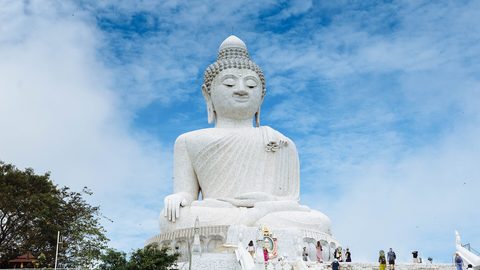
 Phuket is a free, unfinished marble statue on Nakkerd Hill with the best panoramic island view, reached by a steep road that tuk-tuks charge a premium to climb.
Big Buddha
Big Buddha Phuket is a free, unfinished marble statue on Nakkerd Hill with the best panoramic island view, reached by a steep road that tuk-tuks charge a premium to climb.
-
 Thailand Travel Guide From First Timers To Island Hoppers
A realistic Thailand travel guide covering regions, seasons, and pacing so you avoid the classic Bangkok Chiang Mai island mistake.
Thailand Travel Guide From First Timers To Island Hoppers
A realistic Thailand travel guide covering regions, seasons, and pacing so you avoid the classic Bangkok Chiang Mai island mistake.