Phuket Beaches Compared Across a Dozen Different Coastal Stretches
Twelve Phuket beaches compared with unvarnished honesty: sand quality, swimming safety, crowd levels, and the beach chair and jet-ski reality at each stretch of coast.
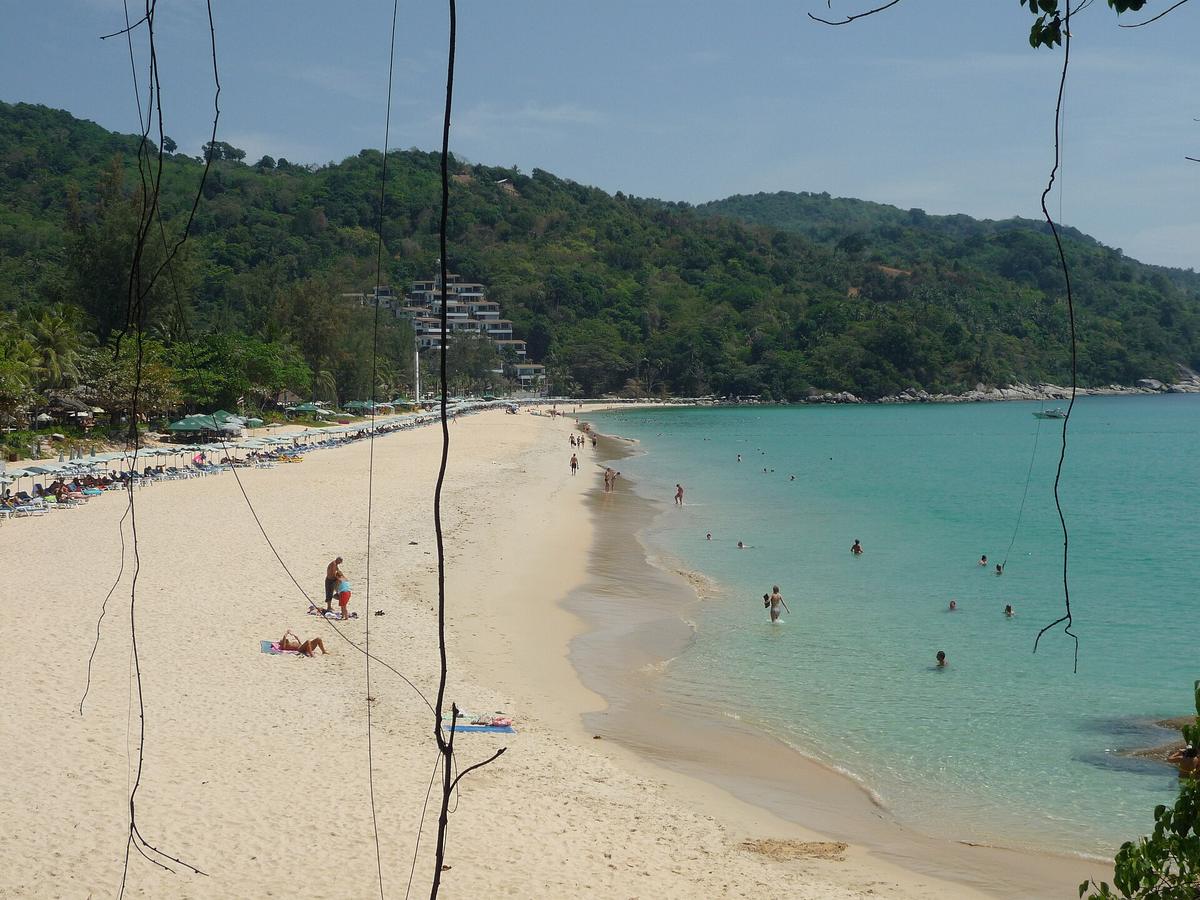
Phuket Beaches Compared
You land at HKT, step outside, and the tropical humidity hits you like a wall. The taxi queue stretches forty deep, and the driver who finally takes you quotes 800 baht for a ride that, according to the map, is fifteen kilometres. This is the moment the brochure fantasy dies. Phuket is not a single postcard beach. It is a sprawling, traffic-choked island of extreme contrasts: a world-class beach club sits a few hundred metres from a sewage outflow. The difference between a perfect holiday and a frustrating one is which stretch of sand you chose.
The island rewards travellers who know what they want. It punishes those who book a name without understanding the trade-offs. Patong means noise, jet skis, and a 400 baht tuk tuk ride if your hotel sits on the northern hill. Kata means surf schools and family-friendly calm. Mai Khao means solitude and the roar of aircraft passing low overhead, wheels down for the runway. The wrong beach costs you two hours a day in transit and a constant low-grade irritation from vendors, rip currents, or simply the wrong crowd. The right beach turns a four-day trip into something that actually feels like a holiday.
Best Phuket Beaches
The phrase "best Phuket beaches" is meaningless without context. Best for what? A beach that serves a party traveller perfectly will ruin a quiet couple's week. Here is the honest breakdown by what each beach actually delivers.
Mai Khao Beach
The longest beach on the island at 11 kilometres, and the emptiest. The sand is coarse, golden, and compacted, firm enough for a long run. Swim only between November and April. The rip current risk is noticeable and becomes dangerous during the monsoon from May to October, when red flags go up. There are no permanent sunbed vendors and almost no food. A few seasonal operators appear during high season, but do not count on them. Shade comes from casuarina trees set back from the sand. Bring an umbrella or plan to move with the sun. The dominant sound is aircraft. The northern end of the beach sits directly under the flight path of Phuket International Airport, and the runway runs parallel to the sand. Planes pass low enough to read the airline name on the tail. Book this beach for solitude, plane spotting, and a flat 11-kilometre stretch to yourself. Skip it if you want to swim in the monsoon, eat lunch on the sand, or escape engine noise.
Nai Yang Beach
Three kilometres of fine golden sand with some shell fragments, protected within Sirinat National Park. Pay the 200 baht entry fee for foreign adults, set by the national park authority at the 2024 rate. Swim November to April. The reef offshore reduces the swell and keeps the rip risk low. Dense casuarina and sea pine canopy provides shade all day. This makes it a genuine family beach. Rent a sunbed for 100 to 200 baht per day from local concession holders. The food situation is excellent: permanent restaurants and street food stalls under the trees, heavy on seafood. Crowd levels stay low, busier on weekends with Thai families. Noise is low except at the southern end, where occasional aircraft sound carries. Pick Nai Yang if you are a family on a budget, a nature lover, or anyone who values shade over soft sand. The national park entry fee is a small price for a beach that feels genuinely different from the resort strip.
Bang Tao Beach
Six kilometres of fine white to pale gold sand, dominated by the Laguna Phuket integrated resort complex. The resort owns the frontage in the central section, where sunbeds are for guests only. Head to the public access sections at the northern and southern ends, where local vendors charge 100 to 200 baht per day for a bed. Swim November to April; the southern end is more sheltered. The rip risk is low, higher at the northern end during monsoon. Shade comes from casuarina trees along much of the length, plus resort umbrellas. Crowd levels are low on the public sections. Noise is low, occasionally interrupted by construction from resort expansion. Eat at resort beachfront restaurants or local eateries in Bang Tao village behind Laguna. This beach suits resort guests who want a long beach for walks and do not mind the gated feel, families staying at Laguna, and long-stay expats who rent a villa in the village. Independent travellers who want cheap street food and spontaneous access to the water should look elsewhere.
Phuket Beach Guide
The island's west coast beaches are not interchangeable. The differences in sand quality, water conditions, and vibe are dramatic. The wrong choice wastes your limited days.
Surin Beach
Surin is 800 metres of fine white soft sand that shrinks every year as erosion eats the shoreline. Swim November to April. The steep drop-off creates a strong shore break, and the rip risk is significant, climbing in the monsoon. Limited natural shade means you rely on sunbed umbrellas, which run 200 to 300 baht per day, the highest on the island. Crowd levels are high from December to April. The beach clubs dominate the scene: Catch Beach Club, Bimi Beach Club, and Zazada Beach Club all pump music through the day. Eat at these clubs or from local vendors at the beach access points. Noise is driven by the club sound systems. Surin works for couples who want a chic beach club day with cocktails and a scene, and upmarket travellers who value style over space. Avoid it if you have small children, want a quiet swim, or are put off by the 300 baht sunbed.
Kamala Beach
Two kilometres of fine golden sand with a gentle slope and calm water. This is one of the safest swimming beaches on the island. The rip risk is low. Swim November to April. Kamala village sits directly behind the beach, a permanent residential and commercial area with a mosque and a temple, which gives it a lived-in feel that Patong lacks. Sunbeds cost 100 to 200 baht per day. Crowd levels are quieter than Patong but busier than Surin during high season. Shade comes from trees and sunbed umbrellas. Food is excellent: beachfront restaurants and the village behind the beach offer a full range from Thai to international. Noise stays low; there is no major nightlife zone on the beach. Book Kamala if you are a family who wants safe swimming and a real village, a quiet couple, or a long-stay visitor who needs a base with services but without the party. Most first-time visitors should book this beach for a soft landing without the Patong chaos.
Which Phuket Beach
Match your travel style to the beach's dominant character. Here is how the remaining beaches break down.
Patong Beach
2.8 kilometres of fine golden sand that is wide, busy, and loud. Swim November to April only. Water quality suffers after heavy rain when sewage runoff makes the sea unswimmable for 24 to 48 hours. The rip risk is present, with flagged zones in high season and red flags common during monsoon. Sunbeds are abundant at 100 to 200 baht per day, but aggressive upselling is standard. Jet ski rental runs 1,500 to 3,000 baht for 30 minutes, and scams are endemic: operators claim damage and demand cash. Bangla Road, the neon-lit adult entertainment strip, transforms at 6 PM and runs until 4 AM. Crowd levels are very high from December to April. Noise is constant: jet skis, longtail boats, beach vendors, and music from the beach road. Choose Patong if you are a party traveller, a first-time visitor who wants maximum services and minimum quiet, or someone who plans to spend evenings on Bangla Road. Skip it if you value sleep, clean water, or a relaxed beach day.
Karon Beach
3.5 kilometres of fine white sand with a squeaky texture from high quartz content. The shore break can be powerful, and the rip risk is high. Multiple drownings have been recorded. Red flags are common during monsoon. Swim November to April only. Sunbeds cost 100 to 200 baht per day. Crowd levels spread out across the long beach. Shade is limited. Eat at beachfront restaurants and in Karon village behind the beach. Noise is noticeable; jet skis are present but fewer than Patong. Karon suits couples and families who want more space than Kata offers, and windsurfers who come during monsoon for the stronger winds. Weak swimmers and anyone wanting a calm, protected bay should stay away.
Kata Beach
1.5 kilometres of fine white medium-grain sand in a protected bay that stays calm through high season. The rip risk is low in the centre, higher at the north and south ends. Swim November to April. Kata is the island's surf beach in low season, with consistent small waves from May to October and surf schools operating on the sand. Sunbeds cost 100 to 200 baht per day. Crowd levels are high in high season. Shade comes from trees at the back and sunbed umbrellas. Food is good, with beachfront restaurants and Kata village offering a wide range. The key advantage over Karon is the protected bay: Kata stays swimmable when Karon has dangerous surf. Pick Kata if you are a family who wants a calm bay with services, a couple, or a surf beginner coming in low season for the gentle waves.
Kata Noi Beach
700 metres of fine white soft sand, smaller and quieter than its neighbour. The steep beach creates a shore break, and the rip risk is notable. Swim November to April. Sunbeds cost around 200 baht per day from a single concession with limited numbers. The beach is small so it can feel busy in high season. There is no jet ski rental and no major development on the sand. A few beachfront restaurants provide food. Kata Noi suits couples who want an intimate, quiet beach without the party vibe, and upmarket travellers staying at the resort on the headland.
Nai Harn Beach
600 metres of fine white soft sand with a protected bay that stays calm in high season. The rip risk is low in the centre. Swim November to April. Large trees behind the beach provide excellent natural shade. Sunbeds cost 100 to 200 baht per day. A freshwater lagoon sits directly behind the beach, adding a second swimming option. Crowd levels are moderate, popular with expat residents and Thai families. There are no jet skis. Occasional longtail boats depart from the beach. Nai Harn village is 500 metres inland with a full range of restaurants and shops. This beach works for expat residents, families who want shade and calm water, quiet couples, and long-stay visitors who want a local vibe without resort isolation.
Phuket Swimming Beaches
Start with a warning. The monsoon from late May to October brings dangerous rip currents that close many beaches. Red flags mean do not enter the water. Even in high season, the rip risk varies dramatically between beaches.
The safest swimming beaches are Kamala, Nai Harn, and Kata during high season. Kamala has a gentle slope and low rip risk. Nai Harn is protected by its bay. Kata stays calm in the centre. The most dangerous beaches for swimming are Karon during monsoon, where the powerful shore break and high rip risk have caused multiple drownings, and Patong after heavy rain, where sewage runoff makes the water unswimmable for 24 to 48 hours. Freedom Beach, accessible only by longtail boat from Patong, Karon, or Kata at 1,500 to 2,000 baht round trip, offers a sheltered cove with calm water and low rip risk. The access cost and boat booking requirement limit its appeal. Ya Nui, a 200-metre cove with coarse golden sand and some coral fragments, is sheltered by headlands and offers low rip risk, with decent snorkelling on the rocky edges. Ao Sane, three small coves totalling 150 metres with coarse grey coral rubble sand, has the best shore-entry snorkelling on the west coast. Parrotfish, angelfish, and moray eels are reported. The rough access road requires a motorbike or 4WD. Rawai is not a swimming beach. The water is shallow, muddy at low tide, and busy with longtail boat traffic. Go to Rawai for the seafood market, not for a swim.
The common mistake is assuming every beach on the west coast is swimmable year-round. They are not. Book November to April for reliable swimming. If you travel in low season, accept that you will be looking at the water from the sand.
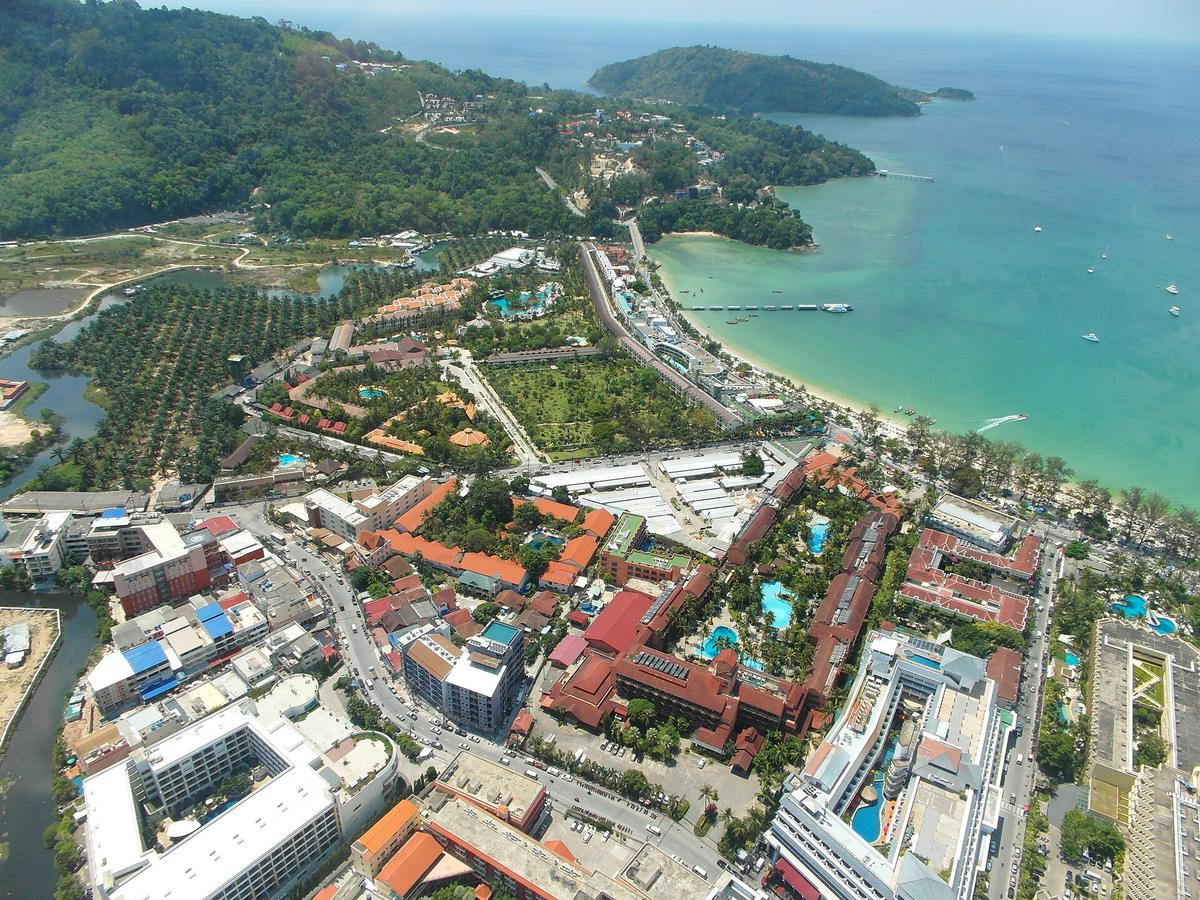

_-_panoramio.jpg)
Phuket Beach Comparison
This comparison exists to save you from a bad booking. The research is clear on the friction points that ruin a beach day.
Beach chair vendors will demand 100 to 200 baht even if you lay your own towel on an empty patch of sand. This is standard across every beach with a concession system. Patong is the most aggressive. Nai Harn and Kamala are more relaxed. Mai Khao has no permanent vendors, so you can lay a towel freely outside the few seasonal operator spots. Jet ski rental scams are endemic on Patong and Karon. Operators claim you damaged the vehicle and demand cash repairs upon return. Avoid jet ski rental entirely. Accept that you are gambling if you rent one. The tuk tuk mafia is the single biggest daily stressor on the island. Drivers in Patong and Kata block ride-hail pickups and charge fixed fares of 200 to 400 baht for a five-minute trip. Grab and Bolt work elsewhere but are unreliable in these zones. Factor this cost into your beach choice: a beach that requires a tuk tuk ride from your hotel every day adds 400 to 800 baht to your daily budget.
Freedom Beach is the one beach that genuinely delivers the secluded tropical cove the brochures promise. The access is a barrier. The longtail boat round trip costs 1,500 to 2,000 baht. A steep jungle trail from Patong exists but is closed intermittently. Ao Sane offers similar seclusion with easier land access, assuming you have a motorbike. For most travellers, the combination of cost and logistics means Freedom Beach is not worth a dedicated trip unless you have at least five days and a strong desire for isolation.
Small Coves Worth Your Time
Ya Nui and Ao Sane sit in the shadow of the big beaches and reward the traveller who does some research. Ya Nui is a 200-metre cove with coarse golden sand and coral fragments. Snorkel the rocky headlands for reef fish and occasional parrotfish. Sunbeds are limited and seasonal, around 100 baht per day. One or two seasonal food vendors operate here. The crowd stays low simply because the beach is too small to hold many people. Come for snorkelling, kayaking, or a small cove to yourselves for a few hours. Ao Sane is even more raw: three small coves with coarse grey sand and coral rubble. The snorkelling is the best shore entry on the west coast, with reef directly offshore. The only food option is the Ao Sane Bungalows restaurant. The access road is rough, signposted from Nai Harn. Use a motorbike or 4WD. Ao Sane is for snorkellers and solitude seekers who do not mind rough sand and rough access.
Who Phuket Suits and Who Should Skip it
Phuket suits luxury resort lovers who want a soft landing with direct flights and full infrastructure. It suits first-time Thailand visitors who need English-speaking services and a range of accommodation. It suits families who want a beach with sunbeds, restaurants, and jet ski rental within walking distance. It suits active travellers who mix Muay Thai sessions with beach time. It suits nightlife seekers who want Bangla Road and the Patong strip. The island delivers for all of these travellers, provided they pick the right beach.
Phuket is not for backpackers on a shoestring budget who want untouched culture. The commercialisation is intense, and the tuk tuk mafia makes budget transport a daily frustration. It is not for solitude seekers who want an empty beach with no aircraft noise and no vendor pressure. Mai Khao comes closest, but the planes and the lack of services test even the most dedicated isolationist. It is not for anyone who dislikes tourist crowds or aggressive touts. The beach chair vendors, the jet ski operators, and the tuk tuk drivers make their presence felt. And it is not for anyone who wants an authentic, slow-paced Thai village experience. That exists on Koh Yao Noi, on the mainland side of Phang Nga Bay, and on the islands of the Trat archipelago. It does not exist on Phuket. The island is a resort destination that has optimised for volume. The traveller who accepts that reality will have a much better time than the one who fights it.
Read next
-
 Phuket Hotels by Property Type and Price Band Without the Hype
Phuket hotels range from gated luxury resorts in Bang Tao to walkable guesthouses in Phuket Town. Price band and location matter equally.
Phuket Hotels by Property Type and Price Band Without the Hype
Phuket hotels range from gated luxury resorts in Bang Tao to walkable guesthouses in Phuket Town. Price band and location matter equally.
-
 Where to Stay in Phuket Which Beach Area Matches Your Trip
Where to stay in Phuket depends entirely on which beach area matches your trip. Patong, Kata, Bang Tao and Rawai are not interchangeable.
Where to Stay in Phuket Which Beach Area Matches Your Trip
Where to stay in Phuket depends entirely on which beach area matches your trip. Patong, Kata, Bang Tao and Rawai are not interchangeable.
-
 Phuket Flights Direct Routes Airlines and HKT Airport Arrival Guide
Phuket flights and HKT airport guide covering direct routes, airlines, arrival procedures, visa queues, and the real cost of getting from the airport to Patong.
Phuket Flights Direct Routes Airlines and HKT Airport Arrival Guide
Phuket flights and HKT airport guide covering direct routes, airlines, arrival procedures, visa queues, and the real cost of getting from the airport to Patong.
-
 Phuket Things to Do Worth Your Days and What to Skip
Phuket things to do range from the Big Buddha and Wat Chalong to speedboat day trips. Some earn your days; many do not.
Phuket Things to Do Worth Your Days and What to Skip
Phuket things to do range from the Big Buddha and Wat Chalong to speedboat day trips. Some earn your days; many do not.
-
 Best Time to Visit Phuket Month by Month Weather and Crowds
Best time to visit Phuket is November to February for dry weather and calm seas, but prices jump 50 to 100 percent. Monsoon months bring beach closures.
Best Time to Visit Phuket Month by Month Weather and Crowds
Best time to visit Phuket is November to February for dry weather and calm seas, but prices jump 50 to 100 percent. Monsoon months bring beach closures.
-
 Getting Around Phuket Without Losing Your Mind or Your Cash
Getting around Phuket means navigating tuk-tuk monopolies, blocked ride-hail zones, and fixed fares. Plan your transport before you book a hotel.
Getting Around Phuket Without Losing Your Mind or Your Cash
Getting around Phuket means navigating tuk-tuk monopolies, blocked ride-hail zones, and fixed fares. Plan your transport before you book a hotel.
-
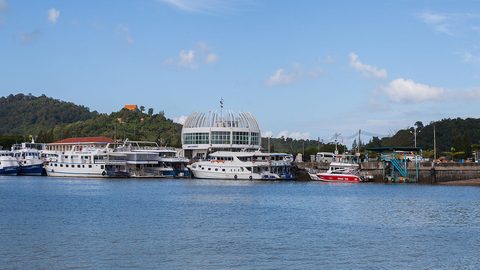 Phuket Old Town
 is a compact Sino-Portuguese quarter of shophouse cafes, dim sum trolleys and street art that most beach visitors never make the 45-minute drive to see.
Phuket Old Town
Phuket Old Town is a compact Sino-Portuguese quarter of shophouse cafes, dim sum trolleys and street art that most beach visitors never make the 45-minute drive to see.
-
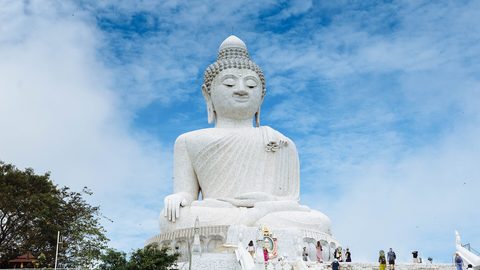
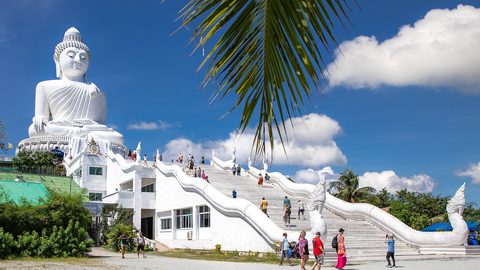 Big Buddha
 Phuket is a free, unfinished marble statue on Nakkerd Hill with the best panoramic island view, reached by a steep road that tuk-tuks charge a premium to climb.
Big Buddha
Big Buddha Phuket is a free, unfinished marble statue on Nakkerd Hill with the best panoramic island view, reached by a steep road that tuk-tuks charge a premium to climb.
-
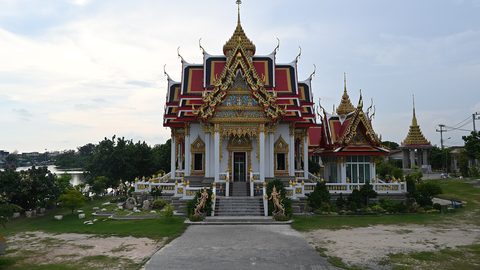 Thailand Travel Guide From First Timers To Island Hoppers
A realistic Thailand travel guide covering regions, seasons, and pacing so you avoid the classic Bangkok Chiang Mai island mistake.
Thailand Travel Guide From First Timers To Island Hoppers
A realistic Thailand travel guide covering regions, seasons, and pacing so you avoid the classic Bangkok Chiang Mai island mistake.