Sapporo Food and Why It Is the Best Eating City in Japan Outside Tokyo, Osaka and Kyoto
Sapporo food makes a strong claim as Japan's best eating city outside the big three, built on miso ramen, soup curry, Hokkaido dairy, and cold-water seafood.
Sapporo Food is the Best Eating in Japan Outside the Big Three Cities
Step out of the subway at Odori Station into air that smells like roasting corn butter and charcoal lamb. A block north, a line of locals waits in the cold outside a ramen shop that opened in 1955. That shop, Aji no Sanpei, invented miso ramen. This is the city that created soup curry, where the dairy is the richest in Japan and the seafood arrives from freezing northern currents. Sapporo food is not a consolation prize for skipping Tokyo, Osaka or Kyoto. It is a separate category.
No other Japanese city outside the big three can claim a dish that defines a national genre. Sapporo has three. Miso ramen, soup curry and Genghis Khan lamb all started here. Add seasonal Hokkaido seafood, dairy you cannot reproduce south of the island, and a beer culture that predates most of Japan's major breweries. The case for Sapporo as the best food city outside Tokyo, Osaka and Kyoto rests on dishes, not restaurants. The restaurants change. The dishes do not.

Best Food in Sapporo: the Dishes That Make the Case
Organise your trip by dish instead of by address. That forces you to eat what the city does best rather than what a guidebook recommends. Below are the dishes that define Sapporo, the shops that do them right, and the practical moves that keep you from wasting a meal.
Miso Ramen: Born Here In 1955
Miso ramen originated at Aji no Sanpei in 1955. The signature is a rich miso broth wok-fried with ground pork and bean sprouts, then topped with a slab of butter and a mound of sweet Hokkaido corn. The noodles are thick, curly and yellow, built to hold the fat. Ramen Alley in the Susukino entertainment district, established 1951, packs 17 shops into a narrow lane and is the most famous place to eat it. Honest verdict: it is heavily touristed. Sapporo residents favour standalone shops outside the alley. Sumire, Junren and Keyaki are the local picks. Sumire's broth is darker and funkier. Junren balances pork and miso more evenly. Keyaki runs a lighter, cleaner bowl. All three take ticket machines at the door. Insert cash, press the button for miso ramen, hand the ticket to the counter staff. Most are cash only. Carry ¥1,000 to ¥1,500 per bowl.
Sapporo Ramen Guide: Where To Eat And What To Order
The standard order is miso ramen with corn butter topping. That is not a tourist gimmick. The northern island produces roughly half of Japan's raw milk, and the butter here is noticeably sweeter and creamier than the national average. The corn, harvested July through September, is sold as a seasonal topping even in winter from frozen stock. If you see a shop offering a "Hokkaido" ramen, it is the corn butter bowl. Skip the soy sauce and salt ramen unless you are in a shop that specialises in them. In Sapporo, you order miso. Ramen Alley is convenient for a late night bowl after drinking in the district. The shops run until 02:00 or later. For a daytime bowl, take the subway to Shiroishi, the working class district where Sapporo Ramen Republic has an offshoot with less queue pressure.
Soup Curry: A Sapporo Invention From The 1970s
Soup curry originated at Ajanta café in the Hiraoka neighbourhood in the 1970s. It is a thin, broth based curry served with a whole chicken leg and large chunks of vegetables. The defining move is the adjustable spice level, typically 1 to 50. Some shops go to 100 or beyond. The two chains every visitor tries are Suage and Garaku. Suage runs a cleaner, more refined broth with a visible layer of oil. Garaku is thicker, spicier, and consistently has a queue. Both are in the Susukino area. Order at level 5 if you have medium heat tolerance. Level 10 if you want a sweat. Anything above 30 is for people who eat raw habanero for fun. Spoon the broth over the rice. Do not dump the rice into the bowl. Soup curry shops are open for lunch and dinner. They take cards at the counter but keep cash as backup.
Hokkaido Seafood Specialities: Seasonal And Specific
Hokkaido seafood specialities are not a generic category. They are species specific and season specific. Bafun uni, the short spined orange sea urchin, peaks June through August. Murasaki uni, the long spined pale yellow variety, peaks August through October. Ikura, salmon roe, is best September through November. Hotate, scallops, peak May through August but are farmed year round. Kegani, hairy crab, peaks December through March, caught off Nemuro and Erimo. Tarabagani, king crab, peaks November through March out of Wakkanai and Abashiri. The best place to eat these is Nijo Market, open daily 07:00 to 18:00. Kaisendon, a raw seafood bowl, is the breakfast move. Arrive by 07:30, walk the stalls, order a bowl with uni and ikura. Prices run ¥2,000 to ¥4,000. Many stalls are cash only. The Central Wholesale Market opens at 06:00, has a tuna auction you can view with a booking, and its donburi shops open from 07:00. It is less touristy than Nijo but further from the centre. The entertainment district has tourist oriented crab restaurants charging ¥10,000 to ¥25,000 per person for a multi course meal. Skip those unless budget is irrelevant. The market stalls give you better crab for a quarter of the price.
Genghis Khan: The Beer Hall Ritual
Genghis Khan is thin sliced lamb or mutton grilled on a domed metal skillet. The pan has a central dome and a brim channel that collects the juices. You dip the vegetables into the channel as they cook. The dish was popularised on the island after 1918 as a way to use wool mutton sheep. The pan design is modelled on Mongolian army helmets, or so the story goes. The only place to eat it properly is Sapporo Beer Garden, opened 1966 in a former brewery building. They serve all you can drink Genghis Khan courses from ¥3,500 to ¥6,000 per person. The most recent rate was approximately ¥4,500 for the standard course with unlimited lamb and two hours of draft beer. Sapporo Beer Garden fills up every night. Book at least three days ahead. Arrive hungry and do not order extra meat until you have finished the first round. The lamb is thin and cooks fast. The beer is Sapporo draft, fresh but not the special unpasteurized version. That is only at the Beer Museum.
Zangi Fried Chicken And Ishikari Nabe
Zangi is Hokkaido style fried chicken, double battered and served with a vinegar soy dipping sauce. It is not karaage. The batter is thicker and crunchier, and the meat is marinated before frying. Every izakaya in the Susukino district serves it. The best version is at a standing bar in the Kotoni district, but you will find reliable zangi at any izakaya with a charcoal grill. Ishikari nabe is a salmon and miso hot pot, a winter dish that warms you from the inside. It is served in a clay pot with salmon, tofu, vegetables and a miso broth. Jozankei Onsen, 45 minutes from central Sapporo, has several ryokan that serve it as part of a winter kaiseki dinner. You can also find it at nabe specialty shops in the Susukino area from December through March.
Sapporo Soft Serve: Dairy At Its Peak
Sapporo soft serve is sold everywhere, including winter. The island produces over 90% of Japan's natural cheese, and the raw milk base for soft serve is intense. The standard milk flavour is rich enough to taste the butterfat. Melon and lavender flavours are common at roadside rest stops and farms. Do not skip the soft serve because it is cold outside. It is a dessert, not a drink, and the dairy quality justifies it. Shiroi Koibito Park, the chocolate factory theme park, sells a soft serve that combines milk and white chocolate. The factory tour requires a booking in advance.
Unpasteurised Sapporo Beer
Sapporo Beer was founded in 1876 as Kaitakushi Beer Brewery, Japan's first beer brand. The Beer Museum, free to enter, offers paid tasting flights from ¥600 to ¥1,000. The most recent rate was ¥800 for a flight of three beers. The only place in Japan to drink fresh unpasteurised Sapporo draft is the Beer Museum. It is not bottled or canned. It is served from a tank in the tasting room and has a noticeably cleaner, less bitter profile than the pasteurised version. Go early. The tasting room closes at 18:00, last entry 17:30.
Sapporo Eating Neighbourhoods: Where to Walk and What to Skip
Sapporo eating neighbourhoods are spread out. The grid layout and wide streets make walking easy in good weather, but from December to March, sidewalk ice is a real hazard. Locals wear slip on cleats. Budget 30% more walking time than Google Maps says in winter.
Susukino is the primary eating district, with approximately 4,500 restaurants and bars. Ramen Alley is here. So are the soup curry chains, the crab restaurants, and most of the izakaya. It is neon lit, open all night, and the closest thing Sapporo has to a dense nightlife zone. It is not Tokyo style dense. The streets are wide, the clubs are small, and the action ends around 02:00. Maruyama, the upscale residential district, concentrates high end sushi, kaiseki and French Japanese fusion restaurants. Book those a week ahead. Kotoni, with zero tourists, has the most authentic izakaya density. Walk into any shop on Kotoni's main street, point at something on the menu, and eat well. Nakajima Park has a few good restaurants but is better for a walk between meals. Shiroishi, the working class district, has the ramen republic offshoot and unpolished shops that charge ¥800 for a bowl. Hitsujigaoka has sheep and a city panorama but no serious food. Jozankei has onsen and winter hot pot. Base yourself in Susukino for eating. Take the subway to Maruyama or Kotoni for specific meals.
.JPG)
When the Normal Route is Closed or Sold Out
Ramen Alley is packed on February weekends during the Snow Festival. The queue for Garaku soup curry hits 45 minutes at peak dinner. Sapporo Beer Garden books out three days ahead during festival weeks. The plan B is to eat in Kotoni or Shiroishi, where tourists rarely go. Kotoni's izakaya strip has no queues and charges ¥300 less per dish than Susukino equivalents. Shiroishi's ramen shops serve bowls for ¥800 and do not have ticket machines. Hand cash to the counter staff.
If it is 01:00 and you want food, the Susukino area has convenience stores with hot counters, but the real move is a ramen shop in Ramen Alley. Several stay open until 04:00. If the subway has stopped running and a snowstorm has emptied the taxi queue, walk the underground walkway from Susukino to Sapporo Station. It is a disorienting 2km maze that takes days to navigate efficiently, but it is heated and ice free. Follow the signs for Odori Station and you will surface within a block of your hotel.
The single thing that most often goes wrong: visitors book a one night stay during the Snow Festival, the accommodation sells out, they spend more time in transit queues than at the sculptures, and they miss the food scene entirely. Book three nights minimum. Spend one day on central landmarks and markets, one on the Beer Museum and an evening food crawl, and one on a day trip to Otaru or Yoichi. That is the minimum to eat the dishes that make the case.
Who Sapporo Suits and Who it Does Not
Sapporo suits food focused travellers obsessed with seafood, ramen and dairy. It suits winter sports enthusiasts who want city comforts near world class powder. It suits festival chasers targeting the Snow Festival and beer and whisky lovers. It suits urban explorers who prefer walkable, less dense Japanese cities.
Sapporo is not for travellers seeking traditional Kyoto style temples and geisha culture. The city was rebuilt after the 1970s and feels modern. It is not for nightlife seekers wanting a dense, Tokyo style club district. Susukino has 4,500 restaurants but the clubs are small and quiet by Tokyo standards. It is not for anyone who dislikes cold. Sapporo is snowbound for nearly five months, and the black ice from December to March is genuinely dangerous without slip on cleats. If you are here for the food, you will be walking between meals on icy sidewalks. Bring the cleats. Bring cash. Come hungry.
Common Questions
What is the one dish I must eat in Sapporo?
Miso ramen with corn butter topping. It was invented here in 1955 at Aji no Sanpei, and no other city makes it the same way. The Hokkaido dairy and corn are irreplaceable.
Is Nijo Market worth visiting?
Yes, for a kaisendon breakfast. Arrive by 07:30, bring cash, order a bowl with sea urchin and salmon roe. It is less touristy than Otaru's market but still has marked up prices. The Central Wholesale Market is cheaper and less crowded but requires a 06:00 start and a booking for the tuna auction.
How much does a meal cost in Sapporo?
Ramen runs ¥1,000 to ¥1,500. Soup curry is ¥1,200 to ¥1,800. A kaisendon at Nijo Market is ¥2,000 to ¥4,000. Genghis Khan all you can drink courses at Sapporo Beer Garden start at ¥3,500. A full crab dinner in Susukino runs ¥10,000 to ¥25,000 per person.
Is Ramen Alley in Susukino worth the queue?
For the experience, yes. For the best ramen, no. The 17 shops in the alley serve solid bowls but are priced for tourists. Standalone shops like Sumire, Junren and Keyaki serve better ramen with shorter queues.
What is the biggest mistake visitors make with Sapporo food?
Assuming every shop takes credit cards. Many ramen shops, Nijo Market stalls, and small izakaya are cash only. Carry at least ¥10,000 in cash for a day of eating.
Read next
-
 Sapporo Hotels by District for Snow Festival and Summer Beer Garden Stays
Sapporo hotels book out months ahead for the February Snow Festival and summer beer garden season, with district choice determining whether you walk to the sculptures or ride the subway from Jozankei.
Sapporo Hotels by District for Snow Festival and Summer Beer Garden Stays
Sapporo hotels book out months ahead for the February Snow Festival and summer beer garden season, with district choice determining whether you walk to the sculptures or ride the subway from Jozankei.
-
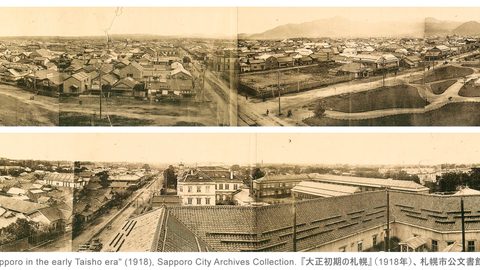 Where to Stay in Sapporo and Why the Underground Walkway Decides It
Choosing where to stay in Sapporo comes down to the heated underground walkway network, which makes winter distances deceptive and some neighbourhoods far more practical than they look on a map.
Where to Stay in Sapporo and Why the Underground Walkway Decides It
Choosing where to stay in Sapporo comes down to the heated underground walkway network, which makes winter distances deceptive and some neighbourhoods far more practical than they look on a map.
-
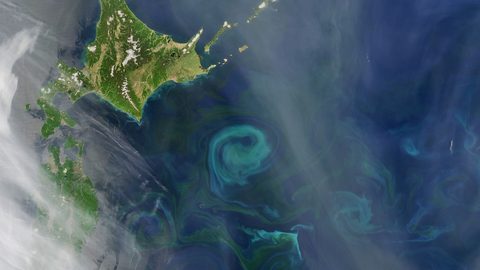 Sapporo Flights and the 37-Minute Train From New Chitose Airport
Flights to Sapporo land at New Chitose Airport, and the JR Rapid train covers the distance to Sapporo Station in 37 minutes for ¥1,150, though winter weather can make the bus the safer choice.
Sapporo Flights and the 37-Minute Train From New Chitose Airport
Flights to Sapporo land at New Chitose Airport, and the JR Rapid train covers the distance to Sapporo Station in 37 minutes for ¥1,150, though winter weather can make the bus the safer choice.
-
 Sapporo Things to Do That Are Worth Your Days in a Young Food City
Sapporo things to do are less about ancient temples and more about beer, ramen, snow sculptures, and a sculptural park by Isamu Noguchi—ranked by what earns your limited days.
Sapporo Things to Do That Are Worth Your Days in a Young Food City
Sapporo things to do are less about ancient temples and more about beer, ramen, snow sculptures, and a sculptural park by Isamu Noguchi—ranked by what earns your limited days.
-
 Best Time to Visit Sapporo When Five Metres of Snow Is the Real Calendar
The best time to visit Sapporo depends on whether you want five metres of snow and the Snow Festival crush or Japan's mildest summer with rooftop beer gardens.
Best Time to Visit Sapporo When Five Metres of Snow Is the Real Calendar
The best time to visit Sapporo depends on whether you want five metres of snow and the Snow Festival crush or Japan's mildest summer with rooftop beer gardens.
-
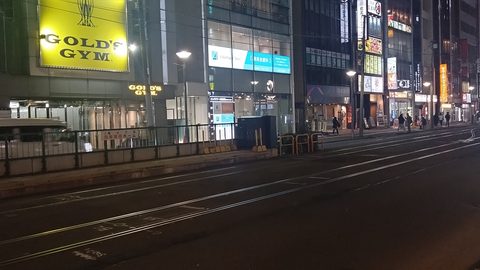 Getting Around Sapporo Starts With Understanding North 3 West 2
Getting around Sapporo becomes trivially easy once you understand that North 3 West 2 is a map coordinate on a numbered grid, not a street name to memorise.
Getting Around Sapporo Starts With Understanding North 3 West 2
Getting around Sapporo becomes trivially easy once you understand that North 3 West 2 is a map coordinate on a numbered grid, not a street name to memorise.
-
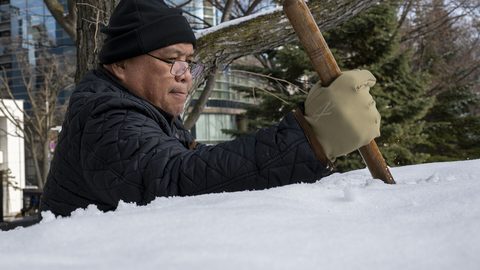 Sapporo Snow Festival
The Sapporo Snow Festival draws two million visitors over seven days in early February, with Odori Park's building-sized sculptures requiring hotels booked by September and a strategy for the crowds.
Sapporo Snow Festival
The Sapporo Snow Festival draws two million visitors over seven days in early February, with Odori Park's building-sized sculptures requiring hotels booked by September and a strategy for the crowds.
-
 Sapporo Beer Museum
The Sapporo Beer Museum offers free entry to a red-brick maltings and a paid tasting flight of unpasteurized beer available nowhere else, with Genghis Khan lamb barbecue at the Beer Garden next door.
Sapporo Beer Museum
The Sapporo Beer Museum offers free entry to a red-brick maltings and a paid tasting flight of unpasteurized beer available nowhere else, with Genghis Khan lamb barbecue at the Beer Garden next door.
-
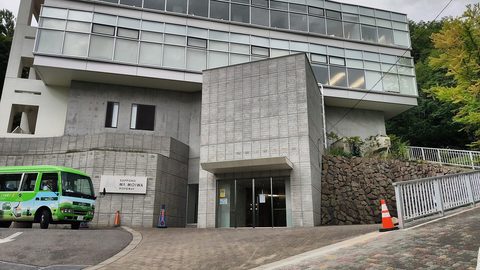 Mount Moiwa
 delivers Sapporo's best night panorama via a ropeway and funicular to a summit observation deck, with the city grid stretching toward Ishikari Bay and a lovers' padlock terrace at the top.
Mount Moiwa
Mount Moiwa delivers Sapporo's best night panorama via a ropeway and funicular to a summit observation deck, with the city grid stretching toward Ishikari Bay and a lovers' padlock terrace at the top.