A Three-Day Sapporo Itinerary That Splits Into Winter and Summer Routes
A three-day Sapporo itinerary needs two versions: the winter route built around snow and underground walkways, and the summer route of beer gardens and bike rides.
A Three-Day Sapporo Itinerary That Splits Into Winter and Summer Routes
Most travellers assume a three-day Sapporo itinerary works the same in February and July. It does not. Snow buries Moerenuma Park and turns a 15-minute walk into a 30-minute ice hazard. Summer opens up bike paths, beer gardens, and lavender day trips that do not exist in winter. The two seasons produce genuinely different trips. This plan gives you a sequenced route for each, clustered by geography so you are not crisscrossing the city four times a day. Pick your season and follow that track.
3 Days in Sapporo: the Shape of Both Trips
Three days is the minimum to cover the core landmarks, one food district, and one day trip without rushing. The winter version relies on the underground walkway network (Sapporo Ekimae-dori Chikagai, known as Pole Town and Aurora Town) to connect the main rail hub to the Susukino entertainment quarter, a 1.2 km tunnel that keeps you out of black ice and freezing wind. The summer version swaps tunnels for open air, replaces ski slopes with bike rentals, and adds a full day of lavender and canal walking. Both versions share Day 1 for the central city core, then diverge on Days 2 and 3.

The Winter Itinerary: Snow Festival or Ski Season
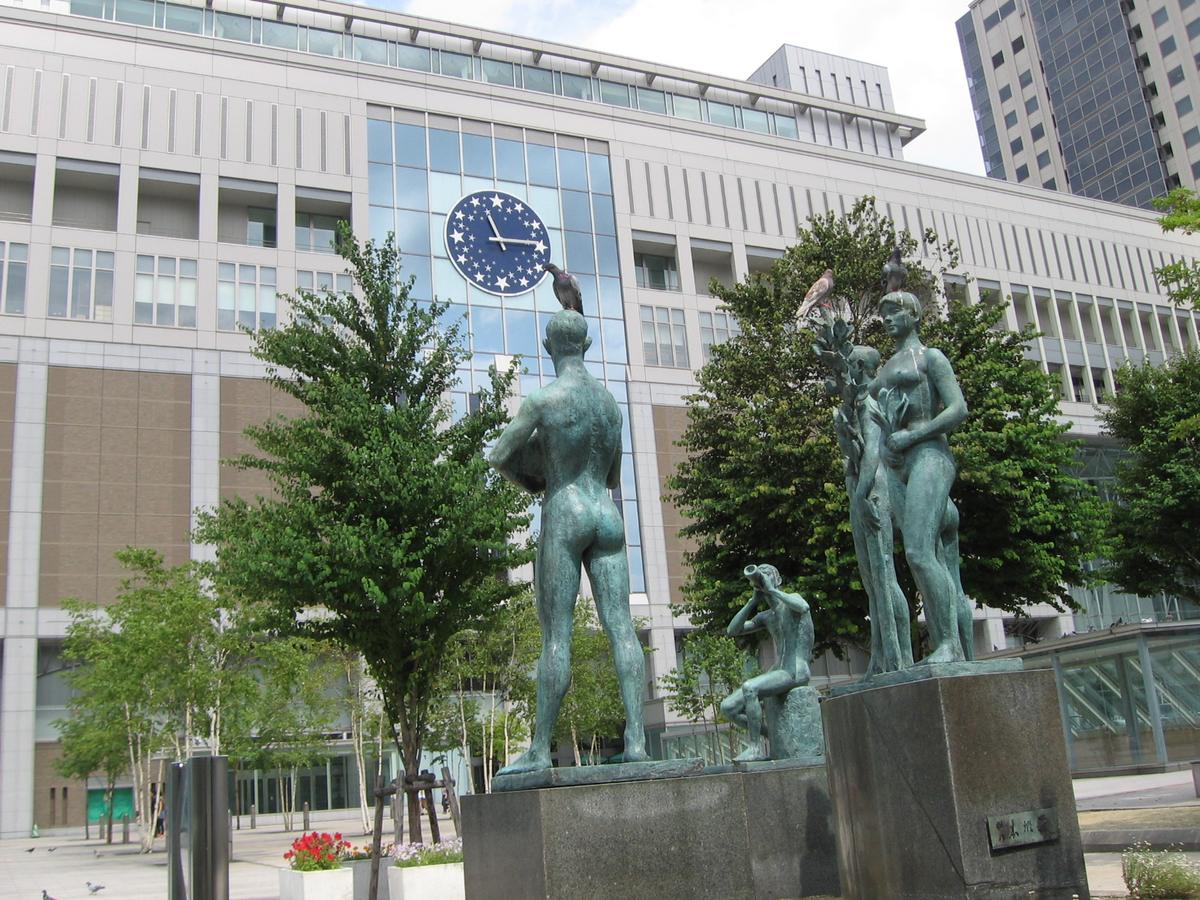
This route assumes you are visiting between December and February. If the Sapporo Snow Festival (seven days in early February; the 2025 dates were February 4 to February 11) is your target, the crowd density changes the order. Move the Odori Park sculpture viewing to early morning, eat a late lunch at Nijo Market, and see the Susukino ice sculptures in the evening when they are lit. If you are coming for ski season and not the festival, the standard order below works fine.
Day 1 Winter: City Core, Beer Museum, Genghis Khan
Start at Nijo Market at 07:00 for a kaisendon breakfast. The market opens at 07:00 and closes at 18:00, but the seafood stalls are best in the first two hours. Budget ¥2,000 to ¥4,000 for a bowl with sea urchin and crab. Walk ten minutes to the Former Hokkaido Government Office (Hokkaido-cho Kyu Honchosha), the red-brick Meiji building. Entry is free. Check the closure status before you go: it was closed for renovation until March 2025, and by August 2026 the reopening should be confirmed, but verify on the official Hokkaido government site before heading out.
From there, walk into Odori Park. The park runs 1.5 km east-west across 13 blocks from Nishi 1-chome to Nishi 13-chome. In winter, the park is the festival's main site, packed with large snow sculptures and shoulder-to-shoulder crowds. If you are there outside festival dates, the park is a snow-covered corridor with limited seating. Walk to the Sapporo TV Tower at the east end. The observation deck sits at 90.38 m on a 147.2 m tower. Admission is ¥1,000 (2025 rate, set by Sapporo TV Tower Co.; rates may rise, check at the ticket counter).
By 11:30, head to Suage or Garaku for soup curry lunch. Both have locations near Susukino. Soup curry is a spiced broth with whole vegetables and chicken or seafood; a bowl costs ¥1,200 to ¥1,800. After lunch, take the subway to the Sapporo Beer Museum. Admission is free. The tasting set of three beers costs ¥1,000 (2025 rate, set by the museum; check for updates). The museum closes at 20:00 with last entry at 19:30 and is closed on Mondays (or Tuesday if Monday is a holiday).
Dinner is Genghis Khan at the Sapporo Beer Garden next to the museum. Genghis Khan is grilled lamb on a helmet-shaped skillet. Expect to pay ¥2,000 to ¥4,000 per person. After dinner, walk into Susukino, Japan's largest entertainment district north of Tokyo. In winter, the underground walkway connects the rail hub to the nightlife quarter, so you can avoid the icy streets.
Day 2 Winter: Ski or Snow Festival Day Trip
Option A is a half-day of skiing. Sapporo Teine is 40 minutes from the main rail hub by train and bus. A half-day lift ticket cost ¥4,500 in the 2025-26 season (set by Sapporo Teine; confirm the current rate before booking). Sapporo Kokusai is roughly an hour by bus. Both have rental gear. Return to the city by 15:00, rest, then head to Mount Moiwa for the night view. The ropeway round trip costs ¥2,100 (2025 rate, set by Sapporo Mt. Moiwa Ropeway; check for updates). The summit sits at 531 m. The view is dramatic with snow on the ground, but the observation deck is cold; wear winter cleats on the platform.
Option B applies only during the Snow Festival. Replace the ski day with Otaru Snow Light Path if the dates overlap. Otaru is a half-hour by JR rapid train. The Snow Light Path runs for ten days in February. Return to Sapporo for dinner at Ramen Alley in Susukino, which has 17 shops serving miso ramen with corn and butter.
Day 3 Winter: Jozankei Onsen
Take the bus, a 50- to 60-minute ride from the main rail hub to Jozankei Onsen, a riverside hot spring village within city limits. Day-trip bath access costs ¥500 to ¥2,000 depending on the facility. The water is a sodium chloride spring. This is the recovery day after skiing or festival walking. Return to Sapporo by 17:00 and eat ishikari nabe, a salmon and miso hot pot, for dinner. What gets cut in winter: Moerenuma Park (snow covered, limited access) and the lavender fields (not in season).
Sapporo Summer Itinerary: Beer Gardens, Bikes, and Lavender
Summer runs from June to August. Temperatures sit at 20 to 25 degrees Celsius. The snow is gone, the underground walkway is optional, and the city opens outdoor spaces that are unusable in winter. This version maximises walking, biking, and day trips.
Day 1 Summer: Same Core, Different Pace
Start at Nijo Market at 07:00 for kaisendon. Same recommendation as winter, but you can sit outside at the stalls without freezing. Walk to the Former Hokkaido Government Office (verify reopening as above), then into Odori Park. In summer, Odori Park hosts beer gardens in multiple blocks. The Sapporo Beer Garden sets up outdoor seating from July through August. You can drink draft Sapporo Beer in the open air. Walk the full 1.5 km length to the TV Tower. The observation deck admission is the same ¥1,000.
Lunch at Suage for soup curry. After lunch, walk the underground corridor for a few blocks to escape the midday heat, but you can also stay above ground. Head to the Sapporo Beer Museum (free admission, ¥1,000 tasting set, closed Mondays). In summer, the beer garden next to the museum is the better choice for an afternoon drink. Dinner is Genghis Khan at the Beer Garden, then walk through Susukino. The district is less frantic in summer but still active.
Day 2 Summer: Otaru Day Trip
Take the JR rapid train from the main rail hub to Otaru. The ride takes 30 to 35 minutes. Otaru Canal runs 1,140 m through the old warehouse district. Walk the canal, visit the Otaru Music Box Museum (free admission), and eat sushi for lunch. A sushi set costs ¥2,000 to ¥5,000. Return to Sapporo by late afternoon. Dinner is ramen at the Ramen Republic on the 10th floor of the ESTA building at the main rail hub. The republic has eight shops (as of 2025, per ESTA; confirm the shop count before going).
Day 3 Summer: Moerenuma Park and Lavender
Take the subway to Moerenuma Park, designed by Isamu Noguchi. The park covers 188.8 hectares. Admission is free. Hours are 07:00 to 22:00 from April to October. Rent a bike at the park entrance and ride the sculptural grounds. If you have time, add the Historical Village of Hokkaido, an open-air museum with 52 historic buildings. Admission is ¥800 (2025 rate, set by the Historical Village of Hokkaido; check for updates). Hours are 09:00 to 17:00 (until 16:30 from October to April), closed Mondays.
If you want a lavender day trip instead of Moerenuma Park, head to the Furano area. This requires a longer journey, roughly 2 hours by train, and works best if you skip the Historical Village. Lavender blooms in July. What gets cut in summer: ski areas (closed), and Mount Moiwa night view is optional since the city looks less dramatic without snow on the mountains.
| Element | Winter (Dec Feb) | Summer (Jun Aug) |
|---|---|---|
| Day 1 core | Nijo Market, Government Office, Odori Park, TV Tower, Beer Museum, Genghis Khan | Same order, beer garden replaces indoor drinking |
| Day 2 | Ski at Teine or Kokusai, or Otaru Snow Light Path; Mount Moiwa night view | Otaru day trip (canal, sushi, music box) |
| Day 3 | Jozankei Onsen day trip | Moerenuma Park bike rental or Furano lavender |
| Transit | Underground walkway essential; black ice on sidewalks | Walking and subway; no ice hazards |
| Clothing | Winter cleats, waterproof boots, layers | Light jacket, walking shoes, sun protection |
| Crowds | Snow Festival brings 2 million visitors in February | Moderate; beer gardens draw locals in July and August |

Sapporo Trip Plan: Common Mistakes and How to Avoid Them
The most common mistake is booking a single night during the Snow Festival. Hotel rates triple, availability vanishes months ahead, and you spend more time in transit queues than at the sculptures. Book at least six months ahead if you want February dates. The second mistake is assuming the subway runs 24 hours. It stops around midnight. Taxis become scarce and expensive during snowstorms. Plan your last train. The third mistake is skipping winter cleats. Sidewalk ice from December to March is treacherous. Black ice forms daily. Locals wear slip-on cleats. Buy a pair at a drugstore in the main rail hub for ¥800 to ¥1,200. The fourth mistake is underestimating winter walking time. Google Maps underestimates it by about 30 percent. Add five to ten minutes to every estimated walk.
Getting Around: Subway Day Pass and IC Cards
The subway has three lines. A day pass costs ¥800 (2025 rate, set by Sapporo City Transportation Bureau; confirm at the ticket machine). If you make three or more trips in a day, buy the pass. Otherwise, use a Kitaca or Suica IC card. You can buy and recharge a Kitaca at New Chitose Airport or any subway stop. The JR Rapid Airport train from the airport to the main rail hub takes 37 minutes and costs ¥1,150. Buses take 70 minutes and cost ¥1,300. Taxis cost roughly ¥13,000 to ¥15,000 and take an hour.
Food Timing: Nijo Market, Ramen Alley, and Beer Museum
Nijo Market works best as a breakfast stop. Arrive at 07:00 for the freshest kaisendon. By 09:00, the stalls are busy. Ramen Alley in Susukino opens for lunch and dinner; 17 shops compete for your attention. The Sapporo Beer Museum closes at 20:00 and is closed on Mondays. Plan the beer tasting for late afternoon, between lunch and dinner. The fresh unpasteurized draft is only available at the museum. If the museum is closed, the Sapporo Beer Garden next door serves the same beer and is open daily.
Who Sapporo Suits and Who Should Skip it
Sapporo suits winter sports enthusiasts who want city comforts near powder, food-focused travellers obsessed with seafood and ramen, festival chasers targeting the Snow Festival, urban explorers who prefer walkable and less dense Japanese cities, and beer and whisky lovers. It is not for travellers seeking traditional Kyoto-style temples and geisha culture; Sapporo is a modern city rebuilt after the 1970s. It is not for nightlife seekers wanting a dense Tokyo-style club district; Susukino is active but spread out. It is not for those who dislike cold; the city is snowbound for nearly five months. The single thing that most often goes wrong is underestimating the winter cold and ice. Arrive with cleats, waterproof boots, and a coat rated for minus ten degrees Celsius, and the trip works. Arrive without them, and you spend three days cold and slipping.
Frequently Asked Questions
Can I combine winter and summer activities in one trip?
No. Moerenuma Park is snow covered and inaccessible in winter. Ski resorts close in summer. Lavender only blooms in July. Pick one season and stick with its route.
Is the Snow Festival worth the crowds?
Yes, if you plan for it. Book accommodation six months ahead, arrive at Odori Park by 08:00 before the crowds peak, and use the underground walkway to move between sites. The ice sculptures in Susukino are less crowded after 21:00.
Do I need a car in Sapporo?
No. The subway and JR trains cover every site in this itinerary. A car is a liability in winter because of snow and ice. Parking costs ¥1,000 to ¥2,000 per day.
How much cash do I need for three days?
Carry ¥20,000 to ¥30,000 per person. Many ramen shops and Nijo Market stalls do not accept cards. The Beer Museum and larger restaurants take cards, but smaller places are cash only.
What happens if the Beer Museum is closed on Monday?
Go to the Sapporo Beer Garden next door. It serves the same fresh draft beer and Genghis Khan. The garden is open daily. Alternatively, visit the Shiroi Koibito Park chocolate factory, but book the factory tour in advance.
Can I visit Jozankei Onsen as a day trip in summer?
Yes. The bus runs year round. Summer adds riverside walking trails and outdoor baths. Winter adds snow views. Both work as a half day trip.
What is the best way to handle the underground walkway?
The walkway runs 1.2 km from the main rail hub to Susukino. It connects to department stores, restaurants, and the subway. Use it as a weatherproof transit corridor. It takes about 15 minutes to walk end to end.
Read next
-
 Sapporo Hotels by District for Snow Festival and Summer Beer Garden Stays
Sapporo hotels book out months ahead for the February Snow Festival and summer beer garden season, with district choice determining whether you walk to the sculptures or ride the subway from Jozankei.
Sapporo Hotels by District for Snow Festival and Summer Beer Garden Stays
Sapporo hotels book out months ahead for the February Snow Festival and summer beer garden season, with district choice determining whether you walk to the sculptures or ride the subway from Jozankei.
-
 Where to Stay in Sapporo and Why the Underground Walkway Decides It
Choosing where to stay in Sapporo comes down to the heated underground walkway network, which makes winter distances deceptive and some neighbourhoods far more practical than they look on a map.
Where to Stay in Sapporo and Why the Underground Walkway Decides It
Choosing where to stay in Sapporo comes down to the heated underground walkway network, which makes winter distances deceptive and some neighbourhoods far more practical than they look on a map.
-
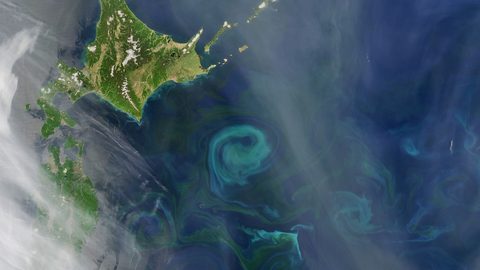 Sapporo Flights and the 37-Minute Train From New Chitose Airport
Flights to Sapporo land at New Chitose Airport, and the JR Rapid train covers the distance to Sapporo Station in 37 minutes for ¥1,150, though winter weather can make the bus the safer choice.
Sapporo Flights and the 37-Minute Train From New Chitose Airport
Flights to Sapporo land at New Chitose Airport, and the JR Rapid train covers the distance to Sapporo Station in 37 minutes for ¥1,150, though winter weather can make the bus the safer choice.
-
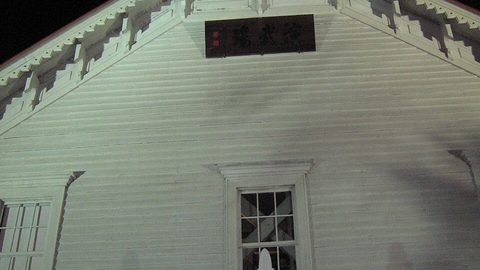 Sapporo Things to Do That Are Worth Your Days in a Young Food City
Sapporo things to do are less about ancient temples and more about beer, ramen, snow sculptures, and a sculptural park by Isamu Noguchi—ranked by what earns your limited days.
Sapporo Things to Do That Are Worth Your Days in a Young Food City
Sapporo things to do are less about ancient temples and more about beer, ramen, snow sculptures, and a sculptural park by Isamu Noguchi—ranked by what earns your limited days.
-
 Best Time to Visit Sapporo When Five Metres of Snow Is the Real Calendar
The best time to visit Sapporo depends on whether you want five metres of snow and the Snow Festival crush or Japan's mildest summer with rooftop beer gardens.
Best Time to Visit Sapporo When Five Metres of Snow Is the Real Calendar
The best time to visit Sapporo depends on whether you want five metres of snow and the Snow Festival crush or Japan's mildest summer with rooftop beer gardens.
-
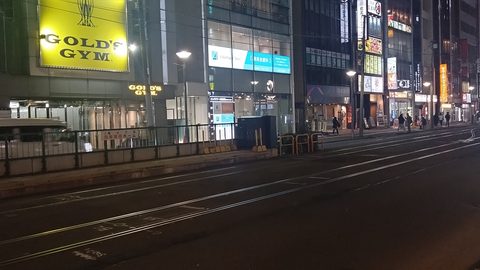 Getting Around Sapporo Starts With Understanding North 3 West 2
Getting around Sapporo becomes trivially easy once you understand that North 3 West 2 is a map coordinate on a numbered grid, not a street name to memorise.
Getting Around Sapporo Starts With Understanding North 3 West 2
Getting around Sapporo becomes trivially easy once you understand that North 3 West 2 is a map coordinate on a numbered grid, not a street name to memorise.
-
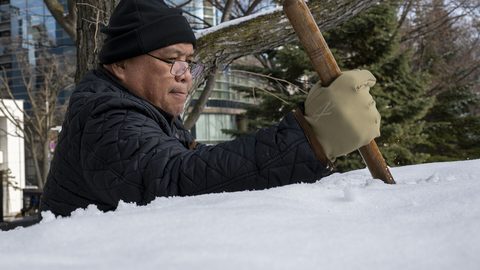 Sapporo Snow Festival
The Sapporo Snow Festival draws two million visitors over seven days in early February, with Odori Park's building-sized sculptures requiring hotels booked by September and a strategy for the crowds.
Sapporo Snow Festival
The Sapporo Snow Festival draws two million visitors over seven days in early February, with Odori Park's building-sized sculptures requiring hotels booked by September and a strategy for the crowds.
-
 Sapporo Beer Museum
The Sapporo Beer Museum offers free entry to a red-brick maltings and a paid tasting flight of unpasteurized beer available nowhere else, with Genghis Khan lamb barbecue at the Beer Garden next door.
Sapporo Beer Museum
The Sapporo Beer Museum offers free entry to a red-brick maltings and a paid tasting flight of unpasteurized beer available nowhere else, with Genghis Khan lamb barbecue at the Beer Garden next door.
-
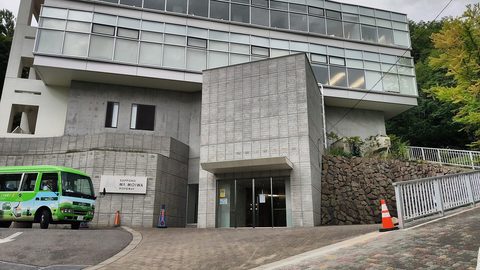 Mount Moiwa
 delivers Sapporo's best night panorama via a ropeway and funicular to a summit observation deck, with the city grid stretching toward Ishikari Bay and a lovers' padlock terrace at the top.
Mount Moiwa
Mount Moiwa delivers Sapporo's best night panorama via a ropeway and funicular to a summit observation deck, with the city grid stretching toward Ishikari Bay and a lovers' padlock terrace at the top.