Is the Kisarazu Outlet Mall Worth a Full Day of Your Japan Trip
A frank assessment of Mitsui Outlet Park Kisarazu as a day trip from Tokyo, comparing brands, bus access, and whether it beats Gotemba.
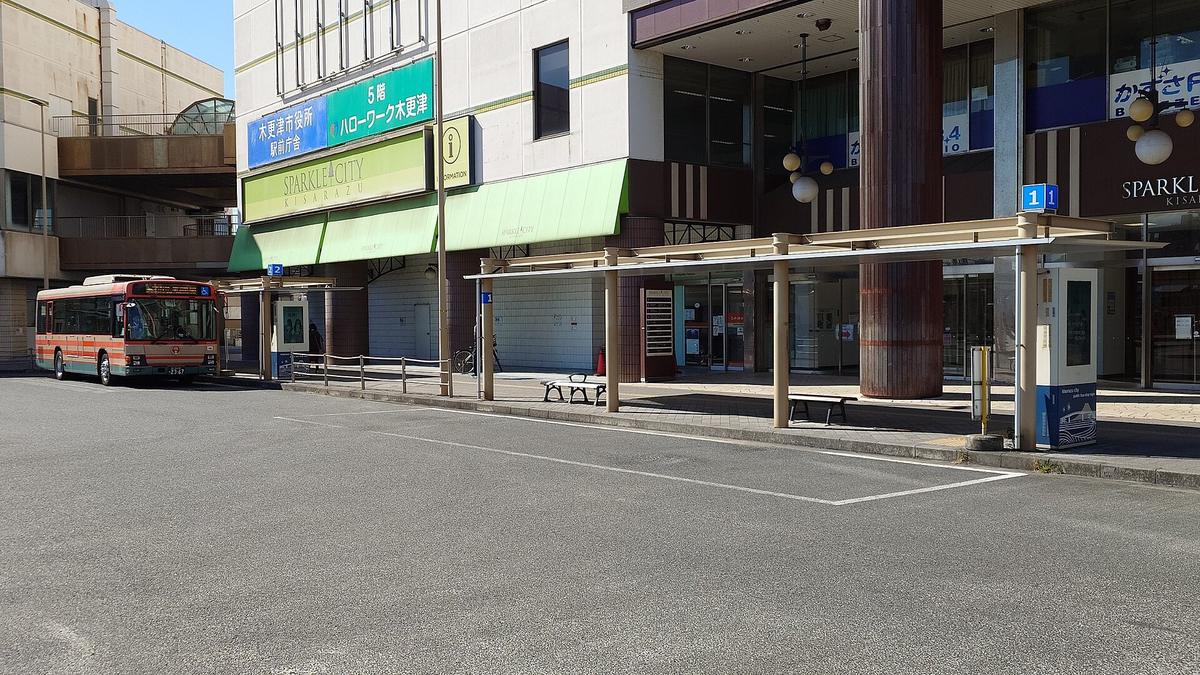

The Bus Ride That Turns Into a Tunnel Under the Sea
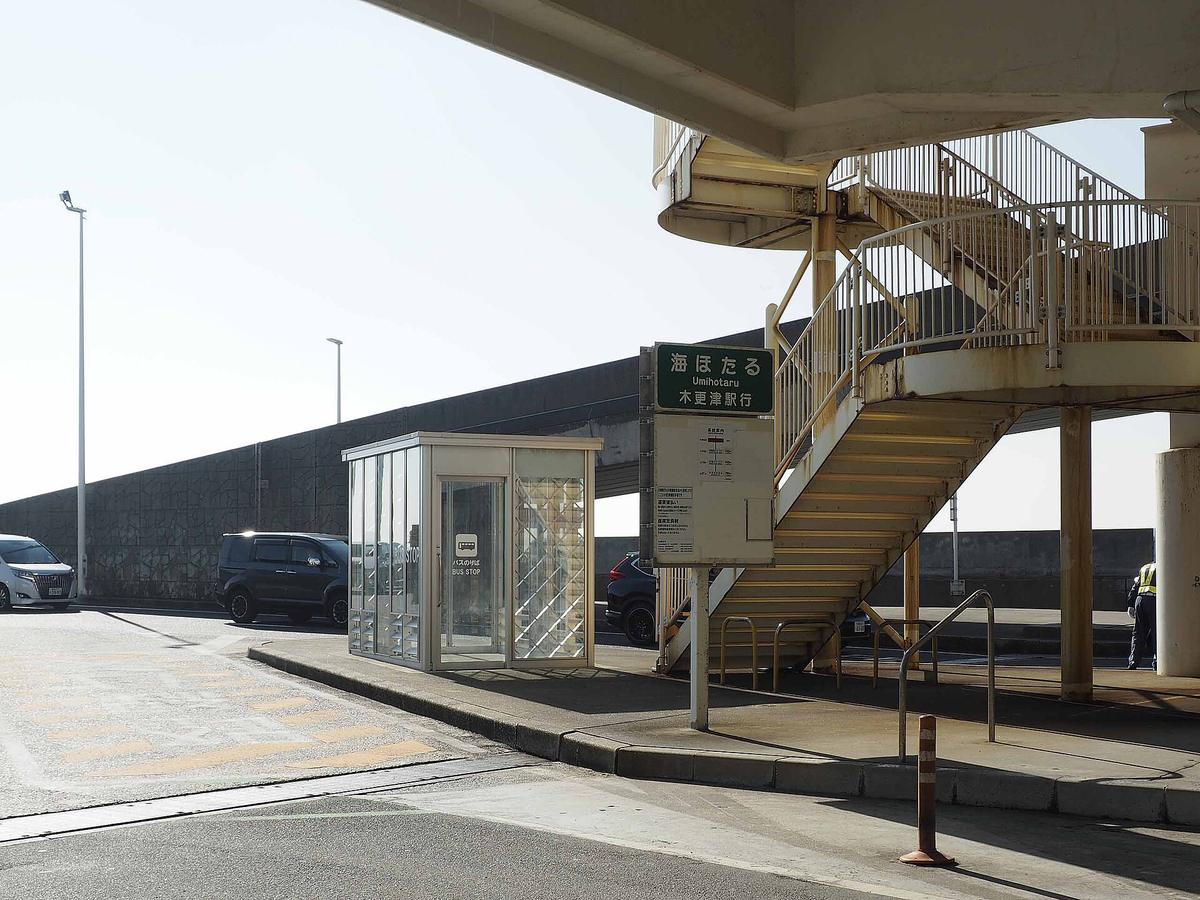
You board a bus at Tokyo Station, cross the Rainbow Bridge, and the highway dives into a 9.6 kilometre undersea tunnel. You emerge on an artificial island called Umihotaru, walk up to a fifth-floor observation deck, and stand in the middle of Tokyo Bay watching ships pass below. Twenty minutes later you are at Mitsui Outlet Park Kisarazu, a 300-shop complex on the Chiba coast, ready to hunt discounts. The question is not whether the shopping is good. It is whether a full day of your Japan trip is worth spending here instead of in a neighbourhood that has taken centuries to develop its character.
The Real Price Tag is the Bus Ride to Kisarazu
What You Trade Away
A first trip to Tokyo is already too short. Four days is the minimum to understand a single neighbourhood, and even then you only scrape the surface. Every hour you spend on a highway bus to Mitsui Outlet Park Kisarazu is an hour you are not walking the narrow alleys of Yanaka, eating monjayaki on Tsukishima, or standing at a counter in Uogashi Nihon-Ichi for a 20-minute sushi hit. That is the trade-off. If your primary goal in Japan is cultural immersion, urban texture, or food, skip this outlet. The blunt truth about a Kisarazu day trip: dedicated outlet shopping on a first Japan trip is low priority, unless a specific brand haul is a primary trip goal and the yen is weak.
When the Arithmetic Flips
But that condition matters. In a weak-yen period, the effective saving on a single luxury bag at Mitsui Outlet Park Kisarazu can reach 70% off Japanese retail, plus an extra 20-40% against the domestic MSRP in your home currency. That is not a discount. That is a structural arbitrage. And the outlet carries the brands that make that arithmetic work: Gucci, Prada, Bottega Veneta on the luxury tier, Coach and Michael Kors in the international premium band, and Japanese selectors like United Arrows and Beams that are hard to find discounted anywhere else. If your trip has a shopping budget measured in thousands of dollars, the day trip to Kisarazu can pay for itself before lunch.
How it Compares to the Fuji Outlet
Kisarazu Versus the Famous One
Gotemba Premium Outlets is the famous one. It has Mount Fuji as a backdrop. It also requires a two-hour bus ride from Shinjuku each way, and on weekends the crowds are dense enough that popular sizes vanish before noon. Kisarazu is closer. The bus from Tokyo Station takes about 50 minutes, the complex feels less touristy, and the crowd is overwhelmingly domestic. You will hear Japanese families, not English, Mandarin, and Korean. That changes the experience: quieter aisles, shorter queues at the tax-free counter, a calmer pace.
The trade-off is the view. Gotemba has Fuji. Kisarazu has Tokyo Bay and the Aqua Line bridge. The bay view from Umihotaru is impressive, but it is not Fuji. If you want a photograph of a mountain while you shop, go to Gotemba. If you want to maximise your shopping time and avoid the tour-bus scrum, go to Kisarazu. The Aqua Line itself is part of the appeal. The tunnel-bridge combination is an engineering novelty, and the Umihotaru rest stop with its foot bath and 360-degree observation deck is a genuinely pleasant midpoint break, even if you do not shop.
What You Will Find Inside the 300 Shops
Luxury, Sportswear, and Japanese Select Stores
The outlet is laid out in two main zones. The first block is international luxury and premium brands: Gucci, Prada, Bottega Veneta, Coach, Michael Kors. Discounts here run 30-70% off Japanese retail, and on a weak yen the effective saving against US or European prices is substantial. The second block is Japanese select stores and global sportswear. United Arrows and Beams offer past-season collections at 40-50% off. Montbell and The North Face cover outdoor gear. Nike and Adidas have enormous standalone stores with outlet-specific lines that do not appear in regular retail.
Cosmetics and the Tax-Free Drill
The cosmetics zone is smaller but worth a look. Cosme Kitchen and L'Occitane have discounted skincare sets, often in seasonal packaging. The tax-free threshold is ¥5,000 per store per day, and you need your original passport with a temporary visitor stamp. Do this at each store individually; there is no central tax refund desk. Some stores deduct the full 10% consumption tax. Others deduct 8% and keep 2% as a handling fee. Ask before you pay.
Food, Costco, and the Neighbourhood Context
The food court opens at 11:00 and runs until 20:00. It is functional rather than memorable. You can get ramen, curry, udon, and a few local Chiba specialities. The sit-down restaurants open until 21:00 and are a small step up. Do not plan your day around the food here. Eat a proper meal before you come or after you leave.
Adjacent to the outlet is a Costco. If you live in a country without Costco, this is a minor attraction. If you live in a country with Costco, skip it. The layout is identical. The hot dog is cheaper. That is the extent of the novelty.
If you want to combine the outlet with something cultural, the Boso Peninsula has options. Nokogiriyama and its giant stone Buddha is 40 minutes by car. Mother Farm and Kamogawa Sea World are further but doable if you have a rental car. Without a car, stick to the outlet and the Umihotaru stop. The bus from Tokyo Station drops you at the outlet. It does not connect easily to the rest of the peninsula.
When to Go and When to Stay Away
Tuesday through Thursday are quietest. Saturday and Sunday are busiest. National holidays and the first day of major sale periods are worse. The outlet opens at 10:00 and the food court at 11:00. Arrive at 09:45, be at the Gucci or Beams door at 10:00, and you will have an hour of calm before the midday crowd arrives. Leave by 14:00 and you are back in Tokyo by 15:00, with the afternoon still available for a neighbourhood walk or a late lunch in Shinjuku.
.jpg)
| Factor | Mitsui Outlet Park Kisarazu | Gotemba Premium Outlets |
|---|---|---|
| Travel Time From Central Tokyo | 50 minutes by bus from Tokyo Station | 2 hours by bus from Shinjuku |
| Scenic Backdrop | Tokyo Bay and Aqua Line bridge | Mount Fuji |
| Crowd Profile | Mostly domestic Japanese shoppers | Heavy international tourist volume |
| Number Of Shops | Approximately 300 | Approximately 290 |
| Novelty Factor | Undersea tunnel and Umihotaru rest stop | Fuji view from the shopping area |
Who Should Do This and Who Should Not
Do this if you have a specific brand shopping list, the yen is weak, and you have already spent at least three days in Tokyo proper. Do this if you want a calm, domestic-scale shopping experience without the tour-bus energy of the Fuji outlet. Do this if the idea of riding a bus through an undersea tunnel to an artificial island sounds like a fun half-day novelty.
Skip this if you are on a first trip with four days or fewer. Skip this if your Japan budget is tight and you want a dorm bed under ¥3,000. Skip this if you find the unspoken social rules of Japanese queues and quiet spaces exhausting rather than appealing. Skip this if you would rather spend that day in a neighbourhood like Shimokitazawa for vintage shopping, Yanaka for walking, or Tsukishima for monjayaki. Those experiences are cheaper, closer, and more distinctively Tokyo.
The Single Most Practical Thing to Do Next
Check the yen exchange rate against your home currency. If the effective saving on a high-ticket bag is less than 15% after conversion, stay in Tokyo. If it is 30% or more, book the bus for a Tuesday or Wednesday, arrive at the outlet by 09:45, and be back in the city by 15:00 with the afternoon still yours.
Read next
-
 Tokyo Hotels by Type and Budget from Capsules to Luxury
Tokyo hotels organised by type and price band, from efficient capsule pods to full-service luxury towers, to help you book the right room.
Tokyo Hotels by Type and Budget from Capsules to Luxury
Tokyo hotels organised by type and price band, from efficient capsule pods to full-service luxury towers, to help you book the right room.
-
 Where to Stay in Tokyo by District and Travel Style
A comparison of Tokyo's major districts to help you choose the right base for your travel style, whether you want calm or chaos.
Where to Stay in Tokyo by District and Travel Style
A comparison of Tokyo's major districts to help you choose the right base for your travel style, whether you want calm or chaos.
-
 Narita or Haneda for Tokyo and What That Airport Choice Costs You
Narita or Haneda for Tokyo: compare door-to-district time, transfer cost, and what the wrong airport choice eats from your trip.
Narita or Haneda for Tokyo and What That Airport Choice Costs You
Narita or Haneda for Tokyo: compare door-to-district time, transfer cost, and what the wrong airport choice eats from your trip.
-
 Things to Do in Tokyo That Are Worth Your Limited Days
A curated list of Tokyo's highest-impact sights and experiences, from immersive art to quiet backstreets, to help you prioritise your days.
Things to Do in Tokyo That Are Worth Your Limited Days
A curated list of Tokyo's highest-impact sights and experiences, from immersive art to quiet backstreets, to help you prioritise your days.
-
 Best Time to Visit Tokyo Month by Month Tradeoffs
A month-by-month guide to visiting Tokyo, laying out the trade-off between weather, crowds, price, and what's actually open.
Best Time to Visit Tokyo Month by Month Tradeoffs
A month-by-month guide to visiting Tokyo, laying out the trade-off between weather, crowds, price, and what's actually open.
-
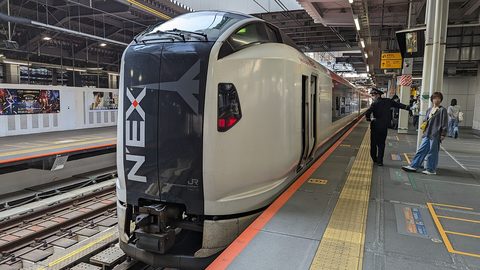 Getting Around Tokyo by Train Airport Transfers and IC Cards
A practical guide to Tokyo's rail network, covering airport transfers, IC cards, and how to avoid the station navigation mistakes that eat your day.
Getting Around Tokyo by Train Airport Transfers and IC Cards
A practical guide to Tokyo's rail network, covering airport transfers, IC cards, and how to avoid the station navigation mistakes that eat your day.
-
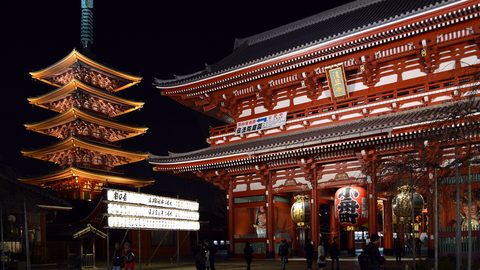 Senso-ji
 is free and never closes, but the experience at 6am with empty Nakamise stalls is nothing like the 11am crush under Kaminarimon. Here is when to go and what you get at each hour.
Senso-ji
Senso-ji is free and never closes, but the experience at 6am with empty Nakamise stalls is nothing like the 11am crush under Kaminarimon. Here is when to go and what you get at each hour.
-
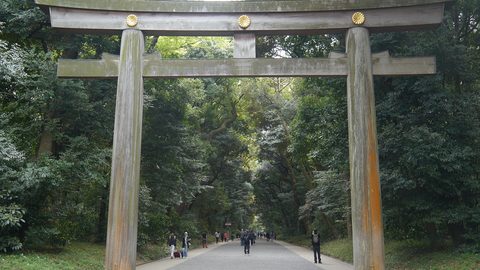 Meiji Jingu
The Meiji Jingu visit changes completely depending on which torii gate you enter. One drops you from Harajuku noise into sudden forest, the other builds quiet slowly from Yoyogi.
Meiji Jingu
The Meiji Jingu visit changes completely depending on which torii gate you enter. One drops you from Harajuku noise into sudden forest, the other builds quiet slowly from Yoyogi.
-
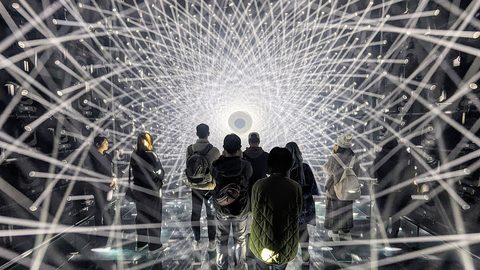 teamLab
 Borderless and Planets are two different Tokyo venues with separate booking systems. Borderless tickets at Azabudai Hills sell in timed slots and the maze has no fixed route.
teamLab
teamLab Borderless and Planets are two different Tokyo venues with separate booking systems. Borderless tickets at Azabudai Hills sell in timed slots and the maze has no fixed route.