Where to See Autumn Leaves in Tokyo and the Gardens That Illuminate at Night
Tokyo's autumn foliage peaks in late November, with Rikugien and Koishikawa Korakuen offering evening illuminations that define the season.
_at_Jingu_Gaien_Icho_Namiki_Ave._(31086887982).jpg)
Tokyo Autumn Foliage is Not a Nature Escape
Forget a day in a mountain park. Tokyo's best autumn colour sits inside its Edo-period strolling gardens. Two of them, Rikugien and Koishikawa Korakuen, run after-dark illuminations that are the centrepiece of the season. These are not wild forests. They are precisely composed landscapes designed for walking contemplation. At night they become something else entirely.
Your window is narrow. The Tokyo autumn foliage peak runs from late November into the first week of December. Japanese maple peaks from late November to mid-December. Ginkgo peaks from mid-November into early December. The garden illuminations align to this: both Rikugien and Koishikawa Korakuen light up from late November to early December each year. The exact start date shifts between 20 November and 25 November depending on the year and the species. The end date shifts between 5 December and 10 December. Check the annual announcement from the Tokyo Metropolitan Park Association two weeks before your trip and adjust your itinerary accordingly.
The Two Gardens That Light Up at Night
Rikugien Garden
Rikugien runs its autumn illumination from sunset until 21:00, with last entry at 20:30. The daytime entry fee is 300 JPY. The after-dark entry is the same 300 JPY, no separate surcharge for the lights. That flat fee is rare: most cities would charge double for a night event. The 2026 rate is set by the Tokyo Metropolitan Park Association and is subject to revision, so verify the published fee on the association website in the month of your visit. The garden is in the Komagome area, a 10-minute walk from JR Komagome Station on the Yamanote Line.
Koishikawa Korakuen Garden
Koishikawa Korakuen runs its illumination from sunset until 20:00 or 21:00, depending on the specific dates within the late November to early December window. The entry fee is also 300 JPY, same for daytime and after dark. This garden sits next to the Tokyo Dome complex, a 5-minute walk from Suidobashi Station on the JR Chuo-Sobu Line. The illumination here is quieter than Rikugien because it draws fewer international visitors. It is still busy on weekends.
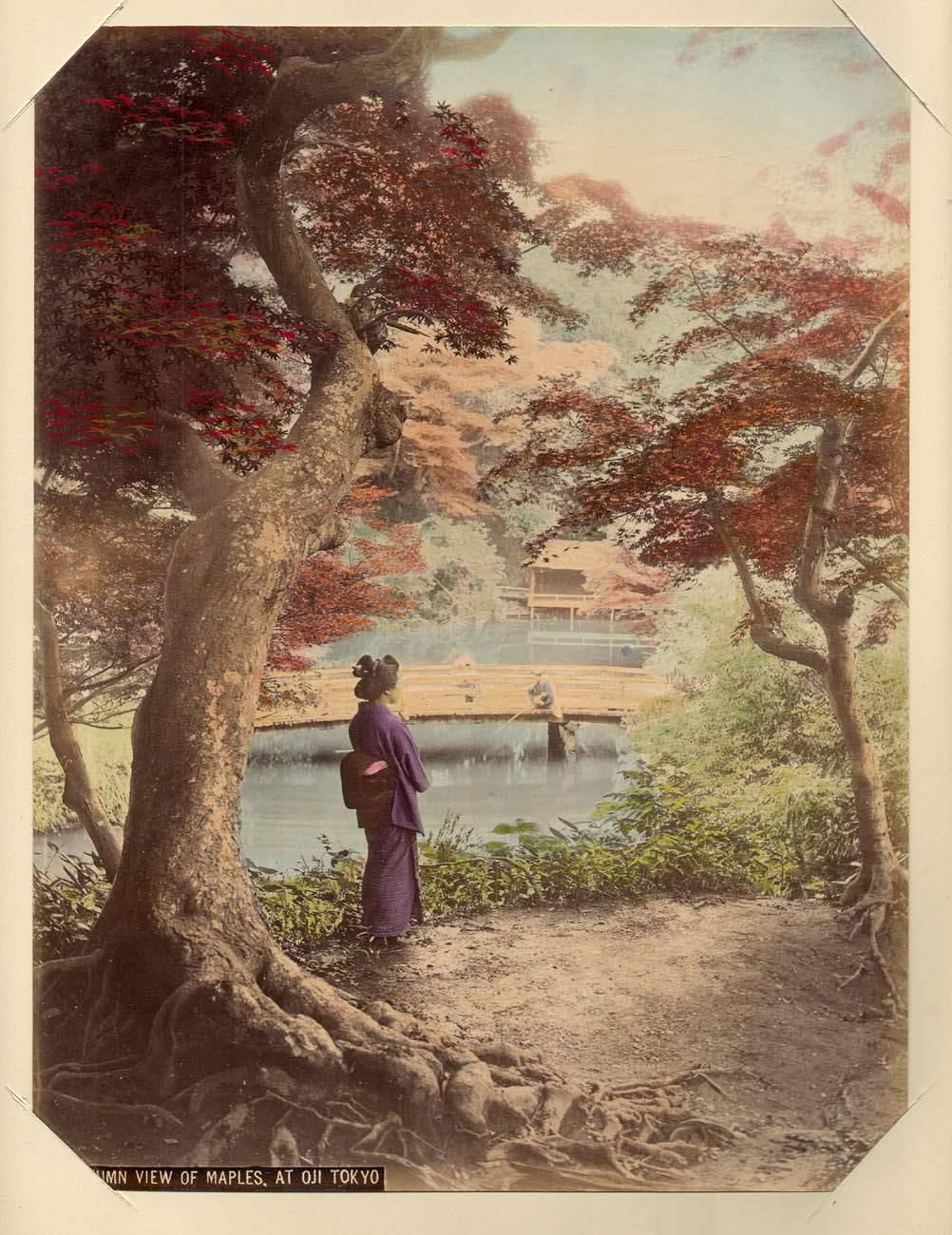
Both gardens are compact. Rikugien takes roughly 40 minutes to walk the full circuit at a normal pace. Koishikawa Korakuen takes about 30 minutes. The after-dark lighting transforms the ponds, bridges and teahouses into reflected colour. Arrive 30 minutes before sunset to watch the transition from daylight to full illumination. That is the best moment. It is the least crowded.
Crowds, Timing and the Failure Case
Autumn foliage crowd density at these gardens is moderate to high. It is noticeably lower than cherry blossom peak, but that still means queues at the ticket gate and slow movement along the garden paths. Hotel rates during foliage season run 1.0x to 1.3x standard rates, compared to the 1.5x to 3x multiplier during cherry blossom season. There is no dedicated foliage surcharge season in Tokyo's hotel pricing. Autumn is a better value window than spring even if the crowds are present.
The Saturday Night Mistake
You arrive at Rikugien at 20:00 on a Saturday and the ticket queue snakes down the street. The garden holds a limited number of people inside at any time. A long queue means 40 minutes waiting and entry with 20 minutes before last admission. The fix: go on a weekday, or arrive at 16:30 for the daylight entry and stay through sunset. The garden does not clear between daytime and the illumination period. Paying the 300 JPY fee in the afternoon lets you stay into the lit hours without re-buying a ticket.
The Rain Cancellation
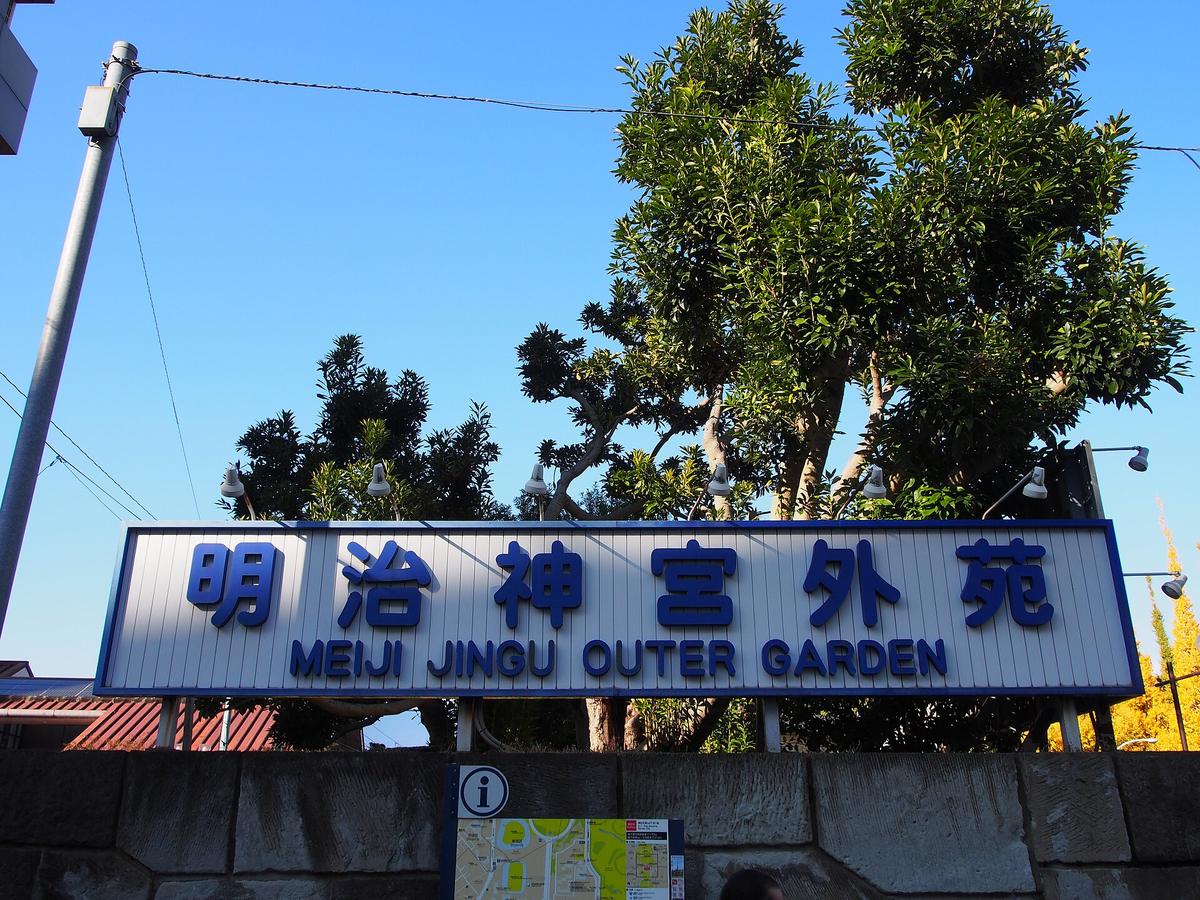
You try to visit on the final night of the illumination period and find the garden closed early due to predicted rain. Tokyo gardens close illumination events at the first sign of persistent rain. There is no indoor alternative. When that happens, redirect to the Meiji Jingu Gaien ginkgo avenue, a 300-metre stretch with 146 ginkgo trees in four rows. It is a public road with no entry fee and no closing time. The peak there is mid-November to early December. It is not an illuminated garden, but the trees are lit by streetlights and surrounding building light. You can walk it at any hour.
Mount Takao As A Daytime Backup
If you have a free afternoon and want a natural setting without illuminations, Mount Takao is 50 minutes from Shinjuku Station on the Keio Line express. Peak foliage there runs from mid-November to early December. The mountain elevation is 599 metres. The cable car one-way is 490 JPY, round-trip 950 JPY. The trail entry is free. You are not here for nighttime lights. You are here for a walk through deciduous forest above the urban basin. The crowd level is moderate, higher on weekends. Go on a weekday morning and you have the trail to yourself by 10:00.
Showa Kinen Park For Ginkgo Scale
Showa Kinen Park in western Tokyo is a larger alternative. It has a 200-metre ginkgo avenue in the Canal area, two rows of trees, peaking mid-November to late November. The entry fee is 450 JPY. The park runs an autumn illumination from late November to early December, also 450 JPY with no surcharge. The scale here is bigger than the central gardens, but the location is a 30-minute train ride from Shinjuku to Tachikawa, which adds a 60-minute round-trip commute. Only go if you have a full half-day to spend. It is not a short after-dark stop.

| Garden | Entry Fee | Hours | Peak Window | Travel From Shinjuku |
|---|---|---|---|---|
| Rikugien Garden | 300 JPY | Sunset to 21:00 | Late Nov to early Dec | 20 min by JR Yamanote Line |
| Koishikawa Korakuen Garden | 300 JPY | Sunset to 20:00 or 21:00 | Late Nov to early Dec | 15 min by JR Chuo-Sobu Line |
| Showa Kinen Park | 450 JPY | Sunset to 21:00 (approx) | Late Nov to early Dec | 30 min by JR Chuo Line to Tachikawa |
Read next
-
 Tokyo Hotels by Type and Budget from Capsules to Luxury
Tokyo hotels organised by type and price band, from efficient capsule pods to full-service luxury towers, to help you book the right room.
Tokyo Hotels by Type and Budget from Capsules to Luxury
Tokyo hotels organised by type and price band, from efficient capsule pods to full-service luxury towers, to help you book the right room.
-
 Where to Stay in Tokyo by District and Travel Style
A comparison of Tokyo's major districts to help you choose the right base for your travel style, whether you want calm or chaos.
Where to Stay in Tokyo by District and Travel Style
A comparison of Tokyo's major districts to help you choose the right base for your travel style, whether you want calm or chaos.
-
 Narita or Haneda for Tokyo and What That Airport Choice Costs You
Narita or Haneda for Tokyo: compare door-to-district time, transfer cost, and what the wrong airport choice eats from your trip.
Narita or Haneda for Tokyo and What That Airport Choice Costs You
Narita or Haneda for Tokyo: compare door-to-district time, transfer cost, and what the wrong airport choice eats from your trip.
-
 Things to Do in Tokyo That Are Worth Your Limited Days
A curated list of Tokyo's highest-impact sights and experiences, from immersive art to quiet backstreets, to help you prioritise your days.
Things to Do in Tokyo That Are Worth Your Limited Days
A curated list of Tokyo's highest-impact sights and experiences, from immersive art to quiet backstreets, to help you prioritise your days.
-
 Best Time to Visit Tokyo Month by Month Tradeoffs
A month-by-month guide to visiting Tokyo, laying out the trade-off between weather, crowds, price, and what's actually open.
Best Time to Visit Tokyo Month by Month Tradeoffs
A month-by-month guide to visiting Tokyo, laying out the trade-off between weather, crowds, price, and what's actually open.
-
 Getting Around Tokyo by Train Airport Transfers and IC Cards
A practical guide to Tokyo's rail network, covering airport transfers, IC cards, and how to avoid the station navigation mistakes that eat your day.
Getting Around Tokyo by Train Airport Transfers and IC Cards
A practical guide to Tokyo's rail network, covering airport transfers, IC cards, and how to avoid the station navigation mistakes that eat your day.
-
 Senso-ji
 is free and never closes, but the experience at 6am with empty Nakamise stalls is nothing like the 11am crush under Kaminarimon. Here is when to go and what you get at each hour.
Senso-ji
Senso-ji is free and never closes, but the experience at 6am with empty Nakamise stalls is nothing like the 11am crush under Kaminarimon. Here is when to go and what you get at each hour.
-
 Meiji Jingu
The Meiji Jingu visit changes completely depending on which torii gate you enter. One drops you from Harajuku noise into sudden forest, the other builds quiet slowly from Yoyogi.
Meiji Jingu
The Meiji Jingu visit changes completely depending on which torii gate you enter. One drops you from Harajuku noise into sudden forest, the other builds quiet slowly from Yoyogi.
-
 teamLab
 Borderless and Planets are two different Tokyo venues with separate booking systems. Borderless tickets at Azabudai Hills sell in timed slots and the maze has no fixed route.
teamLab
teamLab Borderless and Planets are two different Tokyo venues with separate booking systems. Borderless tickets at Azabudai Hills sell in timed slots and the maze has no fixed route.