Safety in Phuket: The Risks Visitors Genuinely Face and How to Avoid Them
Phuket safety risks weighted honestly: jet-ski scams, Songkran road deaths, monsoon drownings and the Patong taxi monopoly, with specific steps to avoid each one.
Phuket Safety: the Risks Visitors Genuinely Face and How to Avoid Them
You are more likely to get seriously hurt or lose a large sum of money in Phuket than anywhere else in Thailand. The island's safety record is not about pickpocketing or late-night unease. It is about preventable drownings, extortionate watercraft scams, lethal Songkran road crashes, and a taxi mafia that operates with impunity. Here is exactly what goes wrong and how to stop it happening to you.
Phuket is a sprawling island of extreme contrasts, where polished beach clubs sit alongside hectic roads and relentless development. The scale of the island and the traffic surprise visitors. The dreamy tropical escape demands more logistical grit than expected, especially outside the manicured resort bubbles. The risks are real but knowable, and every one of them has a specific prevention tactic.

Is Phuket Safe for Tourists? the Short Answer
Phuket is safe for tourists in the sense that violent crime against visitors is rare. The risks that send tourists home injured or out of pocket are environmental and commercial, not criminal. You are not likely to be mugged or assaulted. You are likely to be overcharged, scammed, or caught in a rip current if you ignore the red flags.
The biggest danger on the island is the road. The most common cause of tourist admission to a Phuket medical centre is scooter injury. The most expensive mistake is renting a jet-ski without video evidence. The most preventable death is drowning during the May to October monsoon season, when lifeguards plant red flags that many visitors ignore. Treat Phuket as a place that demands your full attention on the road, in the water, and at the bar, and you will be fine.
Phuket Jet-Ski Scam: How the Racket Works and How to Kill it
How the Shakedown Operates
The jet-ski damage claim is an established extortion racket on Patong, Kata, and Karon beaches. The operator hands you a watercraft, you take it out, and upon return they point to a scratch or dent that was already there. They demand 10,000 to 40,000 THB in cash before they release your passport or your person. This is not a negotiation. It is a shakedown.
Your Defence: Film Everything
Book a rental only through your hotel or a reputable tour operator, never from a beachfront vendor. Before you take the machine out, film a 360-degree walkaround video on your phone, showing every panel and the propeller. Do the same with the operator in the frame. If they refuse to be filmed, walk away. If they still try the claim after you have video, tell them you are calling the tourist police on 1155. Most scammers drop the demand when they see a phone recording and hear the number.
The Scooter Deposit Trap
The same method applies to scooter rental shops that claim new damage on return. Shops routinely demand your passport as a deposit. This is not standard practice in the rest of Thailand. Offer a cash deposit of 3,000 to 5,000 THB instead. If they insist on the passport, find another shop. Most rental scooters carry no valid insurance for the renter, so any damage you cause is your liability anyway.
Phuket Road Accidents: the Leading Cause of Tourist Hospitalisation
Road crashes are the most common reason tourists end up in Phuket medical facilities. Bangkok Hospital Phuket in Phuket Town and Bangkok Hospital Siriroj in Patong see the aftermath daily. The cause is almost always a tourist on a rented scooter without a valid licence, without a helmet, or both.
Thai law requires a full motorcycle licence or an International Driving Permit with a motorcycle endorsement. Your home country car licence is not enough. If you crash without the correct licence, your travel insurance is void. If you have no insurance, the private facility will ask for a deposit upfront before treating you. Treatment at Bangkok Hospital Phuket is comparable to Western private care and costs accordingly.
Helmets are compulsory for rider and passenger. The rule is enforced. The real reason to wear one: a fall at 40 km/h on Phuket's poorly lit roads can cause permanent brain injury.
Songkran Drunk Driving: The Deadliest Days of the Year
Songkran, April 13 to 15, turns Phuket's roads into a lethal gridlock of drunk driving. The water fights are fun. The road death statistics are not. Avoid riding any vehicle during these three days. If you are on the island, stay in your resort or within walking distance. The spike in fatal accidents during Songkran is sharp enough that the government publishes daily death counts. Do not be part of the tally.
Phuket Tuk-Tuk Mafia: the Monopoly That Controls Your Transport
The tuk-tuk drivers in Patong, Kata, and Karon operate a violent monopoly. They block ride-hail pickups from Grab and Bolt in these areas. You cannot summon a cheap ride to your location. The fare basis is negotiation before the ride; there are no meters. A five-minute trip costs 200 to 400 THB. A ride from Patong to Karon runs 300 to 500 THB.
The drivers enforce fixed prices among themselves. If you try to haggle below the collective rate, you will be refused. This is not a negotiation. It is a fixed fee. Your options: use the Smart Bus along the west coast for 100 THB if you are not carrying heavy luggage, walk if your destination is within 20 minutes on foot, or stay in a resort that provides a free shuttle. If you are staying in a remote hillside hotel in Patong, budget 400 THB every time you want to reach the sand.
Monsoon Drownings and Red Flag Beach Risks
Several tourists drown on Phuket's west-coast beaches every year. The cause is rip currents during the May to October southwest monsoon. The red flag means do not enter the water. This is not an advisory. It is an instruction enforced by lifeguards. When the red flags are up, the sea is not swimmable, period.
During the monsoon season, raw sewage and rubbish can plague certain beaches, especially Patong and Karon, after heavy rain. The sea becomes unswimmable for 24 to 48 hours. Box jellyfish and Portuguese man o' war are reported sporadically in the same months. If the water looks murky or the flags are red, use your hotel pool. Freedom Beach and Nai Harn Beach offer safer swimming in high season when the lagoons are calm.
Bangla Road Bar Bills and Drink Spiking
Bangla Road transforms at 6 PM into a neon-lit adult entertainment strip. The scam here is the bar bill: unrequested drinks added to your tab, or a menu with prices in tiny print. The inflated amount runs 3,000 to 10,000 THB. Drink spiking occurs on Bangla Road and at beach bars, with sedatives added to open drinks.
Bucket drinks are a separate risk. Shared buckets with unknown alcohol volume and mixers make it easy to lose count of how much you have consumed. To stay safe, never leave your drink unattended. Pay per drink as you order rather than running a tab. If the price list is not clearly displayed, walk out before you order. If a bar bill dispute turns aggressive, call the tourist police on 1155. They patrol Patong and Phuket Town specifically for these complaints.
Petty Theft and Timeshare Scams
Bag theft on Patong, Karon, and Kata beaches happens when swimmers leave their belongings unattended while in the water. Take only what you need to the beach and use a waterproof pouch that stays on your person. The timeshare scam operates as a free tour or free attraction tickets, concentrated around Patong and Karon. The method is a high-pressure sales presentation lasting two to four hours. If a stranger offers you a free ticket to the Phi Phi Islands or a free dinner, the answer is no.
Health Risks: Dengue and Private Medical Costs
Dengue fever is transmitted by the Aedes aegypti mosquito during the May to October rainy season. Phuket records cases annually; the exact figure changes each year and is published by the Phuket Provincial Public Health Office. Use DEET repellent day and night, especially around dawn and dusk. The island has excellent 5G coverage, so you can check local health advisories on your phone.
If you get sick or injured, Mission Hospital Phuket and Vachira Phuket Hospital are the public options. Vachira is cheaper but slower. The private facilities, Bangkok Hospital Phuket and Bangkok Hospital Siriroj, require a payment guarantee or upfront deposit before treatment. Travel insurance is not a nice-to-have in Phuket. It is a requirement. Without it, a broken leg from a scooter crash can cost more than your entire trip.
How to Avoid the One Thing That Most Often Goes Wrong
The single most common mistake visitors make in Phuket is renting a scooter without the correct licence, without travel insurance that covers motorcycle riding, and without a helmet. That combination causes the majority of tourist admissions to medical facilities and the largest out-of-pocket bills. If you do not have a valid International Driving Permit with a motorcycle endorsement, do not rent a scooter. Use Grab or Bolt where the tuk-tuk mafia does not block them, take the Smart Bus, or hire a private driver through your hotel. The 200 THB you save by taking a scooter instead of a tuk-tuk is not worth the risk of a catastrophic medical bill and a ruined holiday.
Common Questions
Is Phuket safe to visit alone?
Yes, if you take the same precautions as any city. The main risks are road crashes, jet-ski scams, and drowning, not street crime. Solo travellers should avoid renting scooters, use ride-hail apps where available, and keep valuables locked in the hotel safe.
What should I do if a jet-ski operator demands money after I return the ski?
Do not pay. Call the tourist police on 1155 immediately. If you filmed a walkaround video before taking the ski, show it to the police. The scam relies on you being isolated and intimidated; the police have dealt with these claims thousands of times.
Can I drink tap water in Phuket?
No. Drink bottled or filtered water only. Ice in restaurants and bars is made from filtered water and is safe. Avoid drinks with ice from street vendors unless you see the ice is from a sealed bag.
What is the safest beach for swimming during monsoon season?
None. When the red flags are up on all west-coast beaches, do not enter the water anywhere. Kata and Karon are not safer than Patong during a rip current event. Use your hotel pool until the flags come down.
Read next
-
 Phuket Hotels by Property Type and Price Band Without the Hype
Phuket hotels range from gated luxury resorts in Bang Tao to walkable guesthouses in Phuket Town. Price band and location matter equally.
Phuket Hotels by Property Type and Price Band Without the Hype
Phuket hotels range from gated luxury resorts in Bang Tao to walkable guesthouses in Phuket Town. Price band and location matter equally.
-
 Where to Stay in Phuket Which Beach Area Matches Your Trip
Where to stay in Phuket depends entirely on which beach area matches your trip. Patong, Kata, Bang Tao and Rawai are not interchangeable.
Where to Stay in Phuket Which Beach Area Matches Your Trip
Where to stay in Phuket depends entirely on which beach area matches your trip. Patong, Kata, Bang Tao and Rawai are not interchangeable.
-
 Phuket Flights Direct Routes Airlines and HKT Airport Arrival Guide
Phuket flights and HKT airport guide covering direct routes, airlines, arrival procedures, visa queues, and the real cost of getting from the airport to Patong.
Phuket Flights Direct Routes Airlines and HKT Airport Arrival Guide
Phuket flights and HKT airport guide covering direct routes, airlines, arrival procedures, visa queues, and the real cost of getting from the airport to Patong.
-
 Phuket Things to Do Worth Your Days and What to Skip
Phuket things to do range from the Big Buddha and Wat Chalong to speedboat day trips. Some earn your days; many do not.
Phuket Things to Do Worth Your Days and What to Skip
Phuket things to do range from the Big Buddha and Wat Chalong to speedboat day trips. Some earn your days; many do not.
-
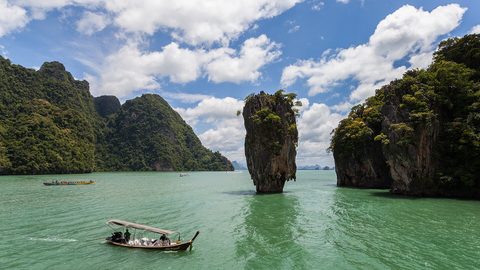 Best Time to Visit Phuket Month by Month Weather and Crowds
Best time to visit Phuket is November to February for dry weather and calm seas, but prices jump 50 to 100 percent. Monsoon months bring beach closures.
Best Time to Visit Phuket Month by Month Weather and Crowds
Best time to visit Phuket is November to February for dry weather and calm seas, but prices jump 50 to 100 percent. Monsoon months bring beach closures.
-
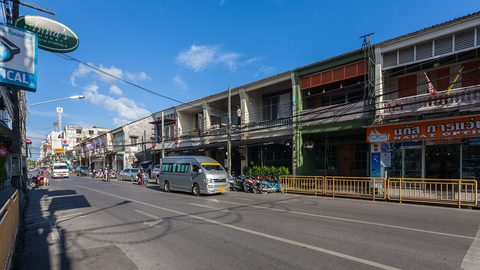 Getting Around Phuket Without Losing Your Mind or Your Cash
Getting around Phuket means navigating tuk-tuk monopolies, blocked ride-hail zones, and fixed fares. Plan your transport before you book a hotel.
Getting Around Phuket Without Losing Your Mind or Your Cash
Getting around Phuket means navigating tuk-tuk monopolies, blocked ride-hail zones, and fixed fares. Plan your transport before you book a hotel.
-
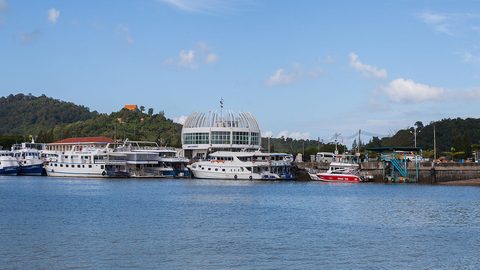 Phuket Old Town
 is a compact Sino-Portuguese quarter of shophouse cafes, dim sum trolleys and street art that most beach visitors never make the 45-minute drive to see.
Phuket Old Town
Phuket Old Town is a compact Sino-Portuguese quarter of shophouse cafes, dim sum trolleys and street art that most beach visitors never make the 45-minute drive to see.
-
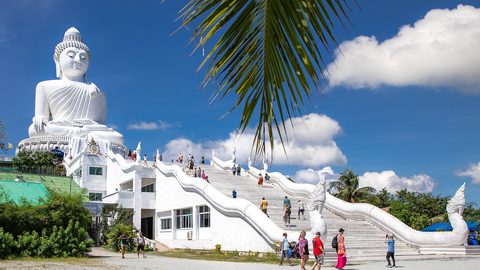 Big Buddha
 Phuket is a free, unfinished marble statue on Nakkerd Hill with the best panoramic island view, reached by a steep road that tuk-tuks charge a premium to climb.
Big Buddha
Big Buddha Phuket is a free, unfinished marble statue on Nakkerd Hill with the best panoramic island view, reached by a steep road that tuk-tuks charge a premium to climb.
-
 Thailand Travel Guide From First Timers To Island Hoppers
A realistic Thailand travel guide covering regions, seasons, and pacing so you avoid the classic Bangkok Chiang Mai island mistake.
Thailand Travel Guide From First Timers To Island Hoppers
A realistic Thailand travel guide covering regions, seasons, and pacing so you avoid the classic Bangkok Chiang Mai island mistake.