The War Remnants Museum in Ho Chi Minh City: What Makes It the Most Affecting Stop in Saigon
The War Remnants Museum in Ho Chi Minh City is the most emotionally affecting stop in the city. Here is what to expect and how to prepare.

The War Remnants Museum is Not a Balanced History Lesson. That is Exactly Why You Should Go
The common assumption about the War Remnants Museum in Ho Chi Minh City is that it is a museum about war, a dry case of glass cabinets, timelines, and battlefield strategy. It is not. It is a museum about suffering. The building on Vo Van Tan Street in District 3 presents the Vietnamese government's account of what Vietnam calls the American War, and it makes no effort to pretend otherwise. There is no "both sides" framing. No displays ask you to consider geopolitical context. What you get is a relentless visual record of what happened to civilians, documented by photographers who died making the images. That one-sidedness is what makes the museum more affecting than almost anything else you can do in the city. You do not leave informed about the war. You leave emotionally exhausted by it.
- Address: 28 Vo Van Tan, Ward 6, District 3, Ho Chi Minh City
- Opening Hours: 07:30-17:30 daily, last entry at 17:00. Open 365 days a year including Tet.
- Adult Ticket (2026): 40,000 VND, roughly US$1.60. Verified against the museum's own published tariff.
- Child Ticket (6-16): 20,000 VND. Under 6 free.
- Recommended Visit Time: 2 to 3 hours. Do not rush it.
- Best Time to Arrive: 07:30 sharp, at opening. Fewer crowds, lower temperature before the heat builds.
- Air Conditioning: Partial. Some rooms have it; others, especially the ground floor, do not.
- Photography Policy: Permitted throughout except flash in the Requiem exhibition room.
- Age Advisory: Not recommended for children under 12. The preserved foetuses in the Agent Orange rooms are extreme.
War Remnants Museum Saigon: What You Will Actually See
The museum is housed across three floors in a 3,000 m² building that was originally opened in 1975 as the Exhibition House for US and Puppet Crimes. It changed its name in 1990 and again in 1995 to its current one, but the core mission has not shifted: this is a state-run institution that presents the war as a story of foreign aggression and Vietnamese resistance. Know that going in. The value is not in the neutrality of the interpretation. The value is in what was collected.
The Ground Floor and the Courtyard
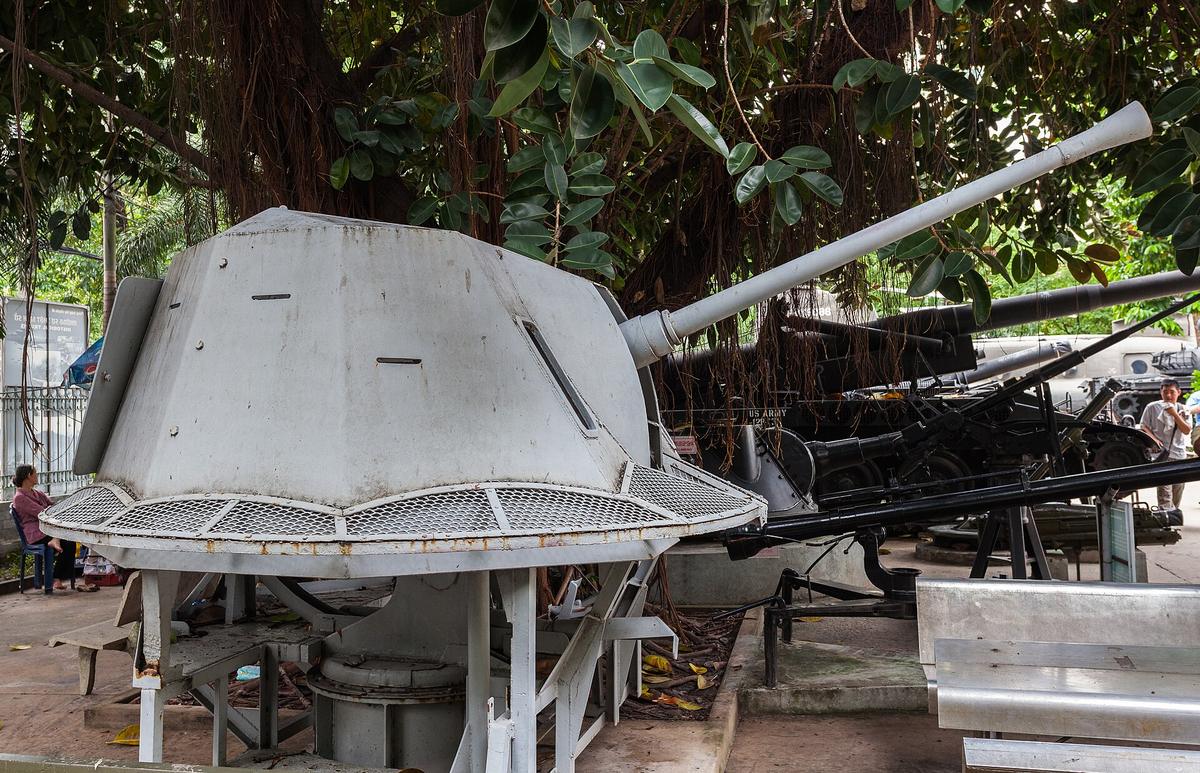
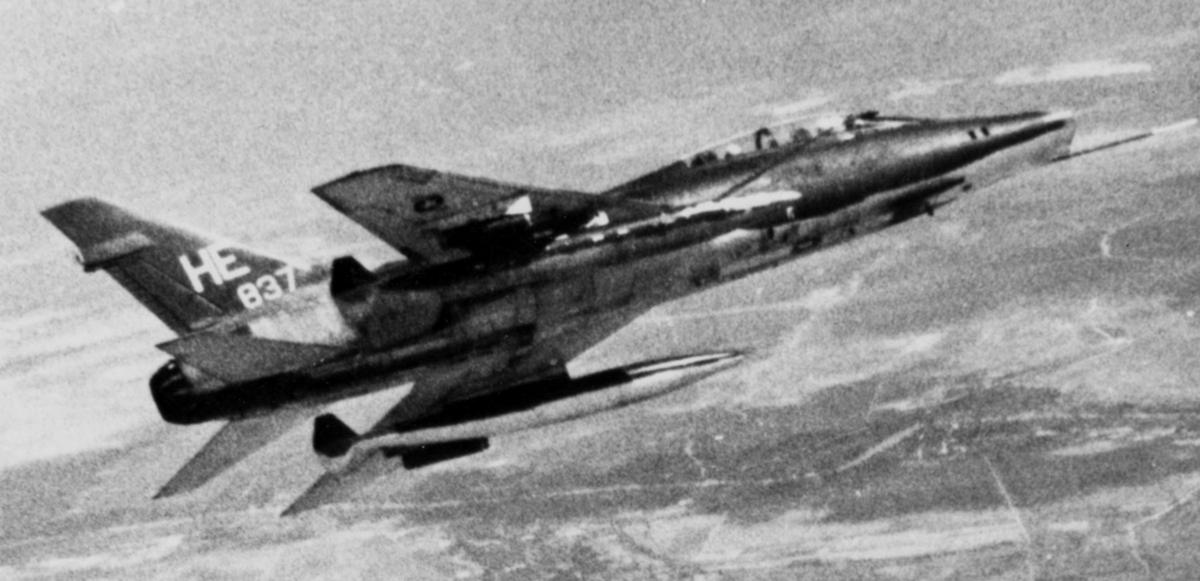
Buy your ticket at the entrance, then walk outside into the courtyard before you see any indoor exhibits. That courtyard holds the military equipment: a UH-1 Huey helicopter, a CH-47 Chinook, M48 and M41 tanks, an A-1 Skyraider, an A-37 Dragonfly, an F-5A Freedom Fighter, and an M107 self-propelled gun. These are real. They were used in the war. Children climb on them without much supervision, which feels jarring given what is inside. Next to the courtyard, on the ground floor, are the tiger cages. These are replicas of the prison cells used at Con Dao Island prison, which operated from 1862 until 1975. The cages measured roughly 2.7 metres by 1.5 metres and stood 1.2 metres high. You cannot stand up inside one. The museum intends you to try the feeling.
The Requiem Exhibition
Room 3 on the ground floor holds the Requiem exhibition, and it is the single strongest section of the museum. The full title is "Requiem, The Vietnam Collection". It gathers photographs taken by 134 war photographers from 11 countries, all of whom were killed during the conflict. The collection was compiled by photojournalists Tim Page and Horst Faas. It covers the period from 1945 to 1975. Larry Burrows' final roll of film is here. So is Robert Capa's last photograph taken in Indochina. These are not images you have seen in textbooks filtered through editorial distance. They are contact sheets and prints made by men who died within days or hours of releasing the shutter. The presentation is not curated for comfort. You walk out of this room feeling the weight of what it cost to get these images. Do not plan anything lighthearted for the hour that follows.
The Agent Orange Rooms
Rooms 4 and 7 cover Agent Orange, the chemical defoliant sprayed across Vietnam during the war. Room 4 on the first floor documents the immediate aftermath. Room 7 on the second floor shows the ongoing generational effects. This is the part of the museum that hits visitors hardest. The displays include preserved human foetuses in jars, showing severe birth defects linked to dioxin exposure. Photographs of affected children and adults taken in the decades since the war ended line the walls. There is no air conditioning in these rooms. The heat inside adds to the rawness of the experience. Visitors walk in unprepared and walk out in tears. That is not a metaphor. It happens every day.
Rooms 5 and 6
Room 5 is labelled "Aggression War Crimes" and shows photographic documentation of civilian casualties, including the My Lai massacre and napalm victims. The famous "Napalm Girl" photograph appears in multiple iterations. Room 6 is called "The World Supports Vietnam in Its Resistance" and collects international anti-war propaganda from the period. This section feels dated: posters, pamphlets, and slogans from solidarity movements abroad. Worth a glance, but not where the emotional weight sits.
Rooms 8 and 9
Room 8 covers post-war reconciliation efforts. Room 9 is a rotating temporary exhibition space. Neither carries the same force as the rooms below. If you are running short on time or emotional stamina, skip these last two.
War Remnants Museum Review: Who Should Go and Who Should Skip
The museum is an essential stop for anyone who wants to understand how Vietnam remembers the war. Go if you have read American histories of the conflict and want the perspective those books never cover. Go if you are a photographer or photojournalism student. The Requiem exhibition alone justifies the trip.
Skip it if you are travelling with young children. The museum itself advises against children under 12, and that advisory is sound. Skip it if you are emotionally fragile on the day. Skip it if this is your first morning in the city and you have not yet adjusted to the sensory overload of Ho Chi Minh City. The museum amplifies everything. It is not a calm, air-conditioned break from the heat. It is the opposite.
The mistake most visitors make is treating the museum as a standard tourist attraction to be ticked off between lunch and a rooftop bar. Do not do that. Give the museum a clean three-hour window and commit to staying present through the difficult rooms. If you cannot give it that, come back another day.
Ho Chi Minh City War Museum: How to Visit Well
Arrive at 07:30 when the gates open. This gives you the lowest crowd density and the coolest temperature of the day. The museum gets busiest between 10:00 and 15:00. By 10:30, groups are packed into the Requiem room and you cannot see the photographs without waiting.
Pay in cash at the ticket counter. Credit cards are not accepted at the gate. The rate is 40,000 VND for adults, 20,000 VND for children aged 6 to 16. The published tariff is set by the Ho Chi Minh City Department of Culture and Sports and changes irregularly. Confirm the figure at the counter before paying.
Follow this order: courtyard military equipment first (outside, takes 15 minutes), then Requiem on the ground floor, then Agent Orange on the first floor, then Agent Orange consequences on the second floor. Save the tiger cages for a moment when you need to sit down. They sit on the ground floor and the replication is physically exhausting to stand inside.
Do not bring large bags. The museum does not offer bag storage. You will carry everything you bring through every room. A small crossbody with your phone, wallet, water, and sunglasses is all you need.
Bring water. The lack of air conditioning means the second floor gets stifling by mid-morning. There is a small gift shop on the ground floor near the exit, but it sells souvenirs, not cold drinks.
Saigon War Museum: What Comes Next
The Reunification Palace is 700 metres away, a ten-minute walk down Vo Van Tan Street and Nam Ky Khoi Nghia. The palace opens at 07:30 and closes at 16:00 daily. The logical pairing is War Remnants Museum in the morning, then Reunification Palace in the afternoon. The museum tells you why the war happened and what it cost. The palace shows you where it ended, with the North Vietnamese tank crashing through the gate in 1975. Together they form a complete narrative loop.
Do not plan a nice lunch immediately after the museum. Do not schedule a spa treatment. The Agent Orange rooms leave a residue that does not fade in an hour. Give yourself space. Walk to the palace. Sit in the garden for a while. Let the experience land before you try to enjoy the rest of your day.

| Room / Exhibition | Floor | Priority |
|---|---|---|
| Requiem — The Vietnam Collection | Ground | Essential. This is the best single room in the museum. |
| Agent Orange Aftermath | First | Essential. Graphic but necessary. |
| Consequences of Agent Orange | Second | Essential. The most emotionally difficult room on site. |
| Tiger Cages | Ground (courtyard adjacent) | High. Replicas, but physically affecting. |
| Courtyard Military Equipment | Outdoor | Moderate. Worth 15 minutes, especially for military history enthusiasts. |
| Aggression War Crimes | First | Moderate. Photographs of civilian casualties, overlaps with Requiem. |
| Historical Truths | Ground | Low. This is the propaganda room. Read the text for perspective, then move on. |
| World Supports Vietnam | First | Low. Dated poster collection, skip if short on time. |
| War and Peace | Second | Low. Post-war reconciliation overview, skip if crowded. |
What the Museum Does Not Tell You
The museum is a Vietnamese government institution. It does not present the American strategic rationale for the war. It does not discuss the North Vietnamese communist consolidation of power after 1975. It does not show photographs of Viet Cong casualties or document the treatment of South Vietnamese allies sent to re-education camps after the war ended. None of that invalidates the photographs in the Requiem room or the medical evidence in the Agent Orange display. It means you need to know this is one perspective, not a complete history. The emotional impact of the museum is real. The intellectual framework is partial. Carry both understandings with you as you walk through.
Common Questions
How long does the War Remnants Museum take?
Plan for 2 to 3 hours minimum. Many visitors need the full three hours to move through the nine exhibition rooms at a pace that lets them absorb the content without rushing.
Is the museum suitable for children?
No. The museum itself advises against children under 12. The preserved foetuses in the Agent Orange rooms and the graphic war photography are not something a child should see.
Do I need to book tickets in advance?
No. The museum does not accept advance bookings or timed entry. You buy at the gate on the day you visit. Arrive early to avoid the queue that forms from 10:00 onward.
Is the museum open on public holidays?
Yes. The museum is open 365 days a year, including Tet (Lunar New Year) and all public holidays. Hours remain 07:30 to 17:30. Last entry is at 17:00.
Read next
-
 Ho Chi Minh City Hotels From Converted Villas to Skydeck Towers by Price Band
Ho Chi Minh City hotels sorted by property type and price band, from converted District 3 villas to skydeck towers near the Saigon River.
Ho Chi Minh City Hotels From Converted Villas to Skydeck Towers by Price Band
Ho Chi Minh City hotels sorted by property type and price band, from converted District 3 villas to skydeck towers near the Saigon River.
-
 Ho Chi Minh City Where to Stay District by District for Every Travel Style
Where to stay in Ho Chi Minh City: a district-by-district breakdown of Saigon neighbourhoods from chaotic District 1 to the expat calm of Thao Dien.
Ho Chi Minh City Where to Stay District by District for Every Travel Style
Where to stay in Ho Chi Minh City: a district-by-district breakdown of Saigon neighbourhoods from chaotic District 1 to the expat calm of Thao Dien.
-
 Flying to Ho Chi Minh City Airport Guide and the Airlines That Serve SGN
Airlines flying into Tan Son Nhat Airport (SGN), terminal details, and a step-by-step arrival guide for getting from the plane into Ho Chi Minh City.
Flying to Ho Chi Minh City Airport Guide and the Airlines That Serve SGN
Airlines flying into Tan Son Nhat Airport (SGN), terminal details, and a step-by-step arrival guide for getting from the plane into Ho Chi Minh City.
-
 Ho Chi Minh City Things to Do Ranked From War History to Wholesale Flower Markets
Ho Chi Minh City things to do ranked with honest verdicts: which Saigon war-history sights, markets, and temples earn your three days and which to skip.
Ho Chi Minh City Things to Do Ranked From War History to Wholesale Flower Markets
Ho Chi Minh City things to do ranked with honest verdicts: which Saigon war-history sights, markets, and temples earn your three days and which to skip.
-
 Ho Chi Minh City Best Time to Visit Month by Month Avoiding Tet Closures and Monsoon Flooding
Ho Chi Minh City best time to visit month by month: dry season windows, Tet holiday closures that empty the city, and the monsoon flooding to avoid.
Ho Chi Minh City Best Time to Visit Month by Month Avoiding Tet Closures and Monsoon Flooding
Ho Chi Minh City best time to visit month by month: dry season windows, Tet holiday closures that empty the city, and the monsoon flooding to avoid.
-
 Ho Chi Minh City Getting Around Without Losing Your Phone or Your Nerve
Getting around Ho Chi Minh City: Grab app tactics, airport transfers from Tan Son Nhat, and how to cross a Saigon street without stopping or running.
Ho Chi Minh City Getting Around Without Losing Your Phone or Your Nerve
Getting around Ho Chi Minh City: Grab app tactics, airport transfers from Tan Son Nhat, and how to cross a Saigon street without stopping or running.
-
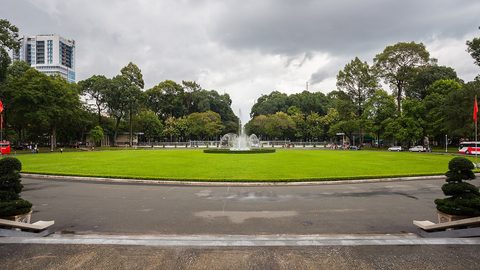 Reunification Palace
The Reunification Palace in Ho Chi Minh City is famous for its tank gate, but the basement war command bunker is the part that explains the building.
Reunification Palace
The Reunification Palace in Ho Chi Minh City is famous for its tank gate, but the basement war command bunker is the part that explains the building.
-
 Ben Thanh Market
 in Ho Chi Minh City is a tourist trap for souvenirs but genuinely good for lunch. Here is what to eat and what to skip.
Ben Thanh Market
Ben Thanh Market in Ho Chi Minh City is a tourist trap for souvenirs but genuinely good for lunch. Here is what to eat and what to skip.
-
 Cholon
, Saigon's vast Chinatown in District 5, is best explored in the morning: Binh Tay Market, Thien Hau Temple, medicinal herb streets, and sui cao dumplings.
Cholon
Cholon, Saigon's vast Chinatown in District 5, is best explored in the morning: Binh Tay Market, Thien Hau Temple, medicinal herb streets, and sui cao dumplings.