The Best Time to Visit Ho Chi Minh City: Saigon Weather, Tet Closures, and Dry Season Windows
Ho Chi Minh City best time to visit month by month: dry season windows, Tet holiday closures that empty the city, and the monsoon flooding to avoid.
The Most Common Mistake About Saigon’s Timing
Most advice frames the best time to visit Ho Chi Minh City around avoiding rain. That is half right, but the bigger disruption is not weather. It is a calendar. The worst time to be in Saigon is when the city is either underwater from a monsoon peak or empty during Tet. The weather is manageable with an umbrella and the right month. A city that has shut down for a week or flooded to the point where Grab drivers cancel every ride is not manageable. The real deciding factor is the collision of the dry season with the Lunar New Year holiday.
Saigon Weather by Month: What Each Month Actually Delivers
Ho Chi Minh City has a tropical savanna climate, classified Aw on the Köppen system. The annual average temperature is 28°C with average humidity of 78%. The city does not have four seasons. It has a dry season from December through April and a wet season from May through November. Within those two buckets, the experience varies sharply by month. This is what you will actually deal with, month by month.
December To March: The Dry Season Window
This is the stretch that most travellers book for. December brings the coolest nights, with a monthly average low of 22°C. Average temperatures sit around 27°C. February is the driest month, receiving just 4 mm of rainfall. You get 7 to 9 hours of sunshine per day. Walking is bearable. Humidity drops enough that you are not drenched by 9 AM. This is the clearest dry-season window, and bookings spike accordingly around Christmas, New Year, and Tet.
April: The Hottest Month
April has a monthly average high of 35°C. It is still technically dry season, but the heat is oppressive. Sunshine hours remain high, but air quality drops as agricultural burning season haze arrives from the Mekong Delta and Cambodia. The PM2.5 annual average for 2023 was 22.9 µg/m³ according to the IQAir World Air Quality Report, and haze compounds this during February through April. If you tolerate heat poorly, skip April.
May To August: The Wet Season Builds
The monsoon begins around May. The typical wet-season rain pattern is a heavy downpour lasting 1 to 2 hours in the late afternoon. Morning sightseeing remains possible. September is the peak of the monsoon, with 327 mm of average monthly rainfall. Sunshine drops to 4 to 6 hours per day. Late September and October are the worst months for street flooding, especially on Nguyen Huu Canh, Ton Dan, Tran Xuan Soan, and parts of District 7 Phu My Hung. High tide flooding is most frequent in October and November, meaning flooded roads even without rain. Grab drivers cancel rides during heavy rain. Walking becomes an obstacle course of submerged pavements and motorbike traffic.
Late September And October: The Window To Avoid
This is the most physically difficult time to visit. You cannot rely on transport. Your shoes will not stay dry. The city does not stop, but moving through it becomes a daily negotiation with water. Avoid this window unless you have no other option.
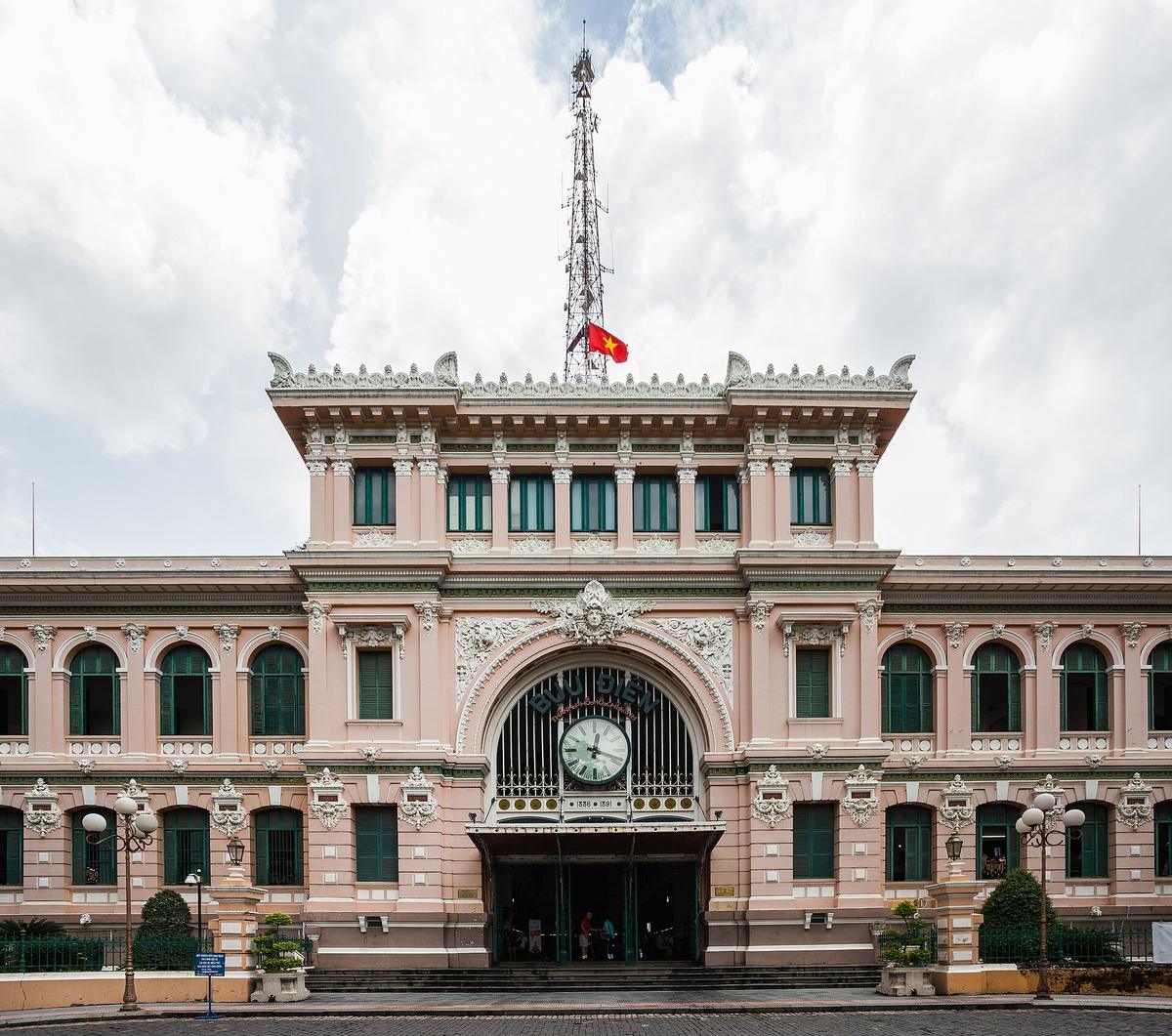

When to Go Ho Chi Minh City: the Three Danger Windows
The question of when to go to Ho Chi Minh City is really a question of which disruption you can tolerate. Three windows create problems that no amount of packing can solve.
Tet Holiday: Late January To Mid February
Tet, the Vietnamese Lunar New Year, is the most important holiday in the country. For travellers, it is the most disruptive. The city empties as millions return to their hometowns. Many restaurants, markets, and shops close for 3 to 7 days. The 2026 Tet date falls on 17 February. The 2027 date falls on 6 February. If you plan to visit during this period, you will find transport overbooked weeks in advance, and your food options reduced to a handful of tourist cafes in District 1. The city is not quiet in a peaceful way. It is quiet in a closed way. Tet travel advice for Saigon centres on one rule: do not come for the holiday itself unless you are visiting family or have prebooked every meal and ride. The week before and the week after are manageable, but the three days around the date are a ghost town.
Monsoon Peak: Late September And October
Late September and October bring the heaviest rainfall of the year. September averages 327 mm of rain. Street flooding is routine. Walking becomes impossible in affected areas. Grab drivers cancel during rain. Riding a motorbike taxi in a downpour is miserable and unsafe. If you are here anyway, schedule all major activities for the morning and stay indoors from roughly 3 PM onward. Do not book a hotel in an area prone to high tide flooding.
Christmas And New Year Surge: Late December To Early January
Christmas and New Year draw huge crowds to Nguyen Hue Walking Street for the Christmas Eve pedestrian street event on 24 December and the New Year's Eve countdown on 31 December. Hotels raise rates. Restaurants require advance bookings. The city does not close, but it is at its most expensive and crowded. If you want the energy of a major celebration, this is fine. If you want a calm visit, arrive after 5 January.
| Month | Season | Avg High °C | Rainfall mm | Sunshine Hrs/Day | Key Disruption |
|---|---|---|---|---|---|
| December | Dry | ~27 | Low | 7 9 | Christmas crowds |
| January | Dry | ~27 | Low | 7 9 | Tet (late Jan Feb) |
| February | Dry (driest) | ~28 | 4 mm | 7 9 | Tet peak |
| March | Dry | ~28 | Low | 7 9 | Haze begins |
| April | Dry (hottest) | 35°C | Low | 7 9 | Haze, heat |
| May | Wet | ~33 | Rising | 4 6 | Afternoon rain |
| June | Wet | ~32 | High | 4 6 | Rain pattern |
| July | Wet | ~32 | High | 4 6 | Rain pattern |
| August | Wet | ~32 | High | 4 6 | Rain pattern |
| September | Wet (peak) | ~30 | 327 mm | 4 6 | Street flooding |
| October | Wet | ~30 | High | 4 6 | High tide flooding |
| November | Wet | ~29 | Moderate | 4 6 | Transition |
Tet Travel Advice Saigon: How to Survive or Skip it
If you land during Tet and cannot change your dates, you need a specific plan. Book every restaurant meal before arrival. Check restaurant closures on Google Maps and call ahead. Use Grab for everything, but expect surge pricing. Do not rely on street food stalls in your normal area; walk to District 1 tourist zones or large hotels that operate year-round. Ben Thanh Market remains open but with reduced stock. The War Remnants Museum and Independence Palace stay open. Budget for higher costs on transport. The Reunification Day holiday on 30 April and International Labour Day on 1 May create a separate domestic travel peak with high hotel occupancy and heavy demand on transport, but total closures do not occur.
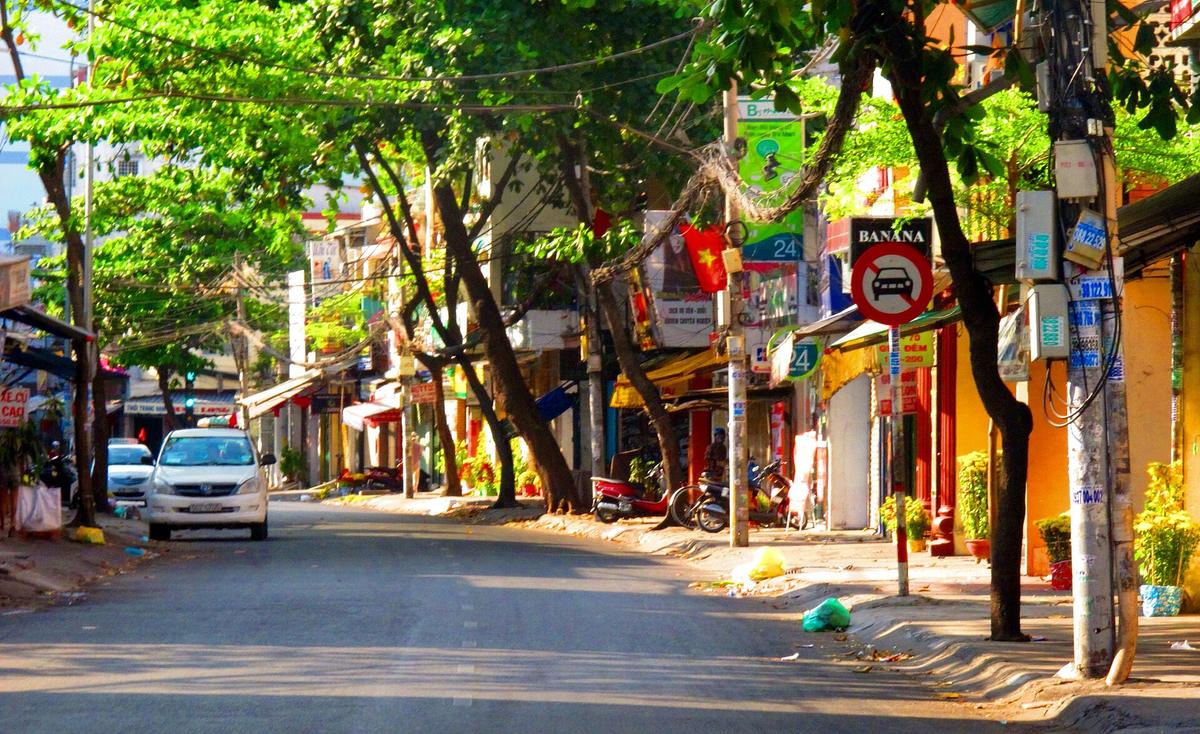

Ho Chi Minh City Best Time to Visit: the Verdict
The best time to visit Ho Chi Minh City is the dry season from December to March, with one major caveat. You must check the Tet dates for your travel year and avoid the exact holiday window. If Tet falls in February, arrive in early January or even late December. If Tet falls in late January, arrive after the holiday or in March. The dry season gives you lower humidity, average temperatures around 27°C, minimal rain, and walking that is actually bearable. Book accommodation and flights well in advance for both Christmas and Tet periods.
Ho Chi Minh City Dry Season: What to Do When Flooding is Not an Issue
When the dry season delivers its best conditions, from December to February, you have ideal walking conditions for the city's core districts. District 1 landmarks like the Notre Dame Cathedral Basilica (exterior only, under long term renovation), Central Post Office, and Bitexco Financial Tower Saigon Skydeck are reachable on foot. The War Remnants Museum in District 3 is a mandatory morning stop. No advance booking required. The Cu Chi Tunnels require a half day tour; book through your hotel or a reputable operator. The Jade Emperor Pagoda in District 3 offers atmospheric incense soaked Taoist worship. The Cafe Apartment at 42 Nguyen Hue gives you a vertical block of independent cafes; walk up the stairs, do not wait for the slow lift.
What The Dry Season Does Not Fix
Dry season does not fix the city's friction points. Motorbike pavement parking forces you onto the road. Crossing a street requires walking at a slow, predictable pace into moving traffic; running or stopping is dangerous. Bag and phone snatching by motorbike riders is a real risk; hold phones loosely. Grab drivers cancel during rush hour from 7:30 to 9 AM and 4:30 to 6:30 PM. The dry season removes rain from the equation, but the city still demands alertness.
Common Questions
What is the cheapest month to visit Ho Chi Minh City?
May and June, early in the wet season, offer lower flight and hotel prices because demand drops. You trade cost for daily afternoon downpours.
Can I visit Ho Chi Minh City during the monsoon without major issues?
Yes, if you plan your day around the rain pattern. Morning sightseeing is usually clear. Stay indoors during the heavy 1 to 2 hour downpour, typically after 3 PM. Avoid October for the high tide street flooding.
Is Ho Chi Minh City worth visiting during Tet?
Only if you have prebooked everything and prefer a quiet city. Most restaurants and shops close. The experience is not representative of normal Saigon.
What should I pack for the dry season in Ho Chi Minh City?
Lightweight, breathable clothing. A light jacket for air conditioned spaces. Sunscreen. A reusable water bottle. Comfortable walking shoes. No umbrella needed.
Does it rain every day during the wet season?
Almost daily from May through November, but the typical pattern is one heavy downpour lasting 1 to 2 hours in the late afternoon. The rest of the day is often passable.
Read next
-
 Ho Chi Minh City Hotels From Converted Villas to Skydeck Towers by Price Band
Ho Chi Minh City hotels sorted by property type and price band, from converted District 3 villas to skydeck towers near the Saigon River.
Ho Chi Minh City Hotels From Converted Villas to Skydeck Towers by Price Band
Ho Chi Minh City hotels sorted by property type and price band, from converted District 3 villas to skydeck towers near the Saigon River.
-
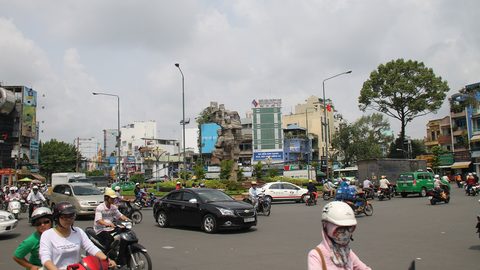 Ho Chi Minh City Where to Stay District by District for Every Travel Style
Where to stay in Ho Chi Minh City: a district-by-district breakdown of Saigon neighbourhoods from chaotic District 1 to the expat calm of Thao Dien.
Ho Chi Minh City Where to Stay District by District for Every Travel Style
Where to stay in Ho Chi Minh City: a district-by-district breakdown of Saigon neighbourhoods from chaotic District 1 to the expat calm of Thao Dien.
-
 Flying to Ho Chi Minh City Airport Guide and the Airlines That Serve SGN
Airlines flying into Tan Son Nhat Airport (SGN), terminal details, and a step-by-step arrival guide for getting from the plane into Ho Chi Minh City.
Flying to Ho Chi Minh City Airport Guide and the Airlines That Serve SGN
Airlines flying into Tan Son Nhat Airport (SGN), terminal details, and a step-by-step arrival guide for getting from the plane into Ho Chi Minh City.
-
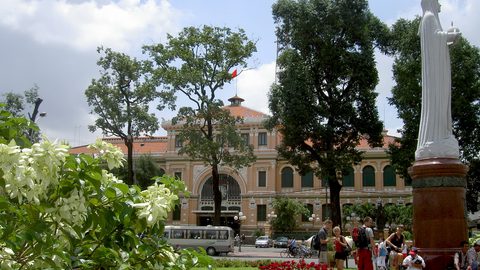 Ho Chi Minh City Things to Do Ranked From War History to Wholesale Flower Markets
Ho Chi Minh City things to do ranked with honest verdicts: which Saigon war-history sights, markets, and temples earn your three days and which to skip.
Ho Chi Minh City Things to Do Ranked From War History to Wholesale Flower Markets
Ho Chi Minh City things to do ranked with honest verdicts: which Saigon war-history sights, markets, and temples earn your three days and which to skip.
-
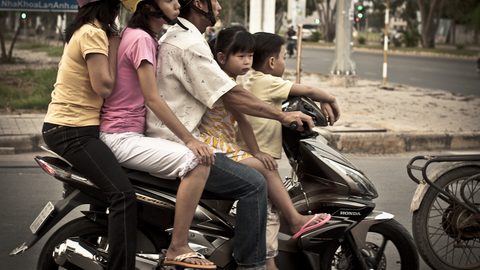 Ho Chi Minh City Getting Around Without Losing Your Phone or Your Nerve
Getting around Ho Chi Minh City: Grab app tactics, airport transfers from Tan Son Nhat, and how to cross a Saigon street without stopping or running.
Ho Chi Minh City Getting Around Without Losing Your Phone or Your Nerve
Getting around Ho Chi Minh City: Grab app tactics, airport transfers from Tan Son Nhat, and how to cross a Saigon street without stopping or running.
-
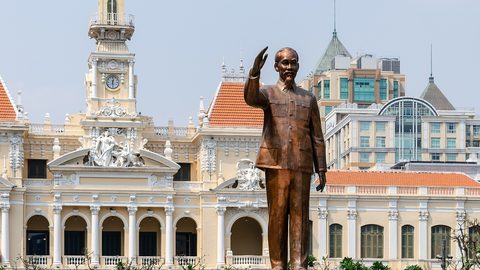 Ho Chi Minh City Itinerary for 3 Days of War History Markets and Street Food
A 3-day Ho Chi Minh City itinerary: District 1 war history on day one, Cholon markets on day two, and a Saigon street-food night on day three.
Ho Chi Minh City Itinerary for 3 Days of War History Markets and Street Food
A 3-day Ho Chi Minh City itinerary: District 1 war history on day one, Cholon markets on day two, and a Saigon street-food night on day three.
-
 War Remnants Museum
The War Remnants Museum in Ho Chi Minh City is the most emotionally affecting stop in the city. Here is what to expect and how to prepare.
War Remnants Museum
The War Remnants Museum in Ho Chi Minh City is the most emotionally affecting stop in the city. Here is what to expect and how to prepare.
-
 Reunification Palace
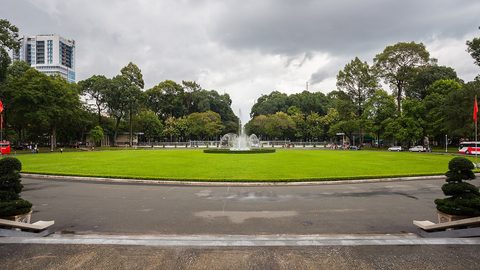
The Reunification Palace in Ho Chi Minh City is famous for its tank gate, but the basement war command bunker is the part that explains the building.
Reunification Palace
The Reunification Palace in Ho Chi Minh City is famous for its tank gate, but the basement war command bunker is the part that explains the building.
-
 Ben Thanh Market
 in Ho Chi Minh City is a tourist trap for souvenirs but genuinely good for lunch. Here is what to eat and what to skip.
Ben Thanh Market
Ben Thanh Market in Ho Chi Minh City is a tourist trap for souvenirs but genuinely good for lunch. Here is what to eat and what to skip.