Exploring Cholon: Saigon's Chinatown of Morning Markets, Taoist Temples, and Almost No Visitors
Cholon, Saigon's vast Chinatown in District 5, is best explored in the morning: Binh Tay Market, Thien Hau Temple, medicinal herb streets, and sui cao dumplings.
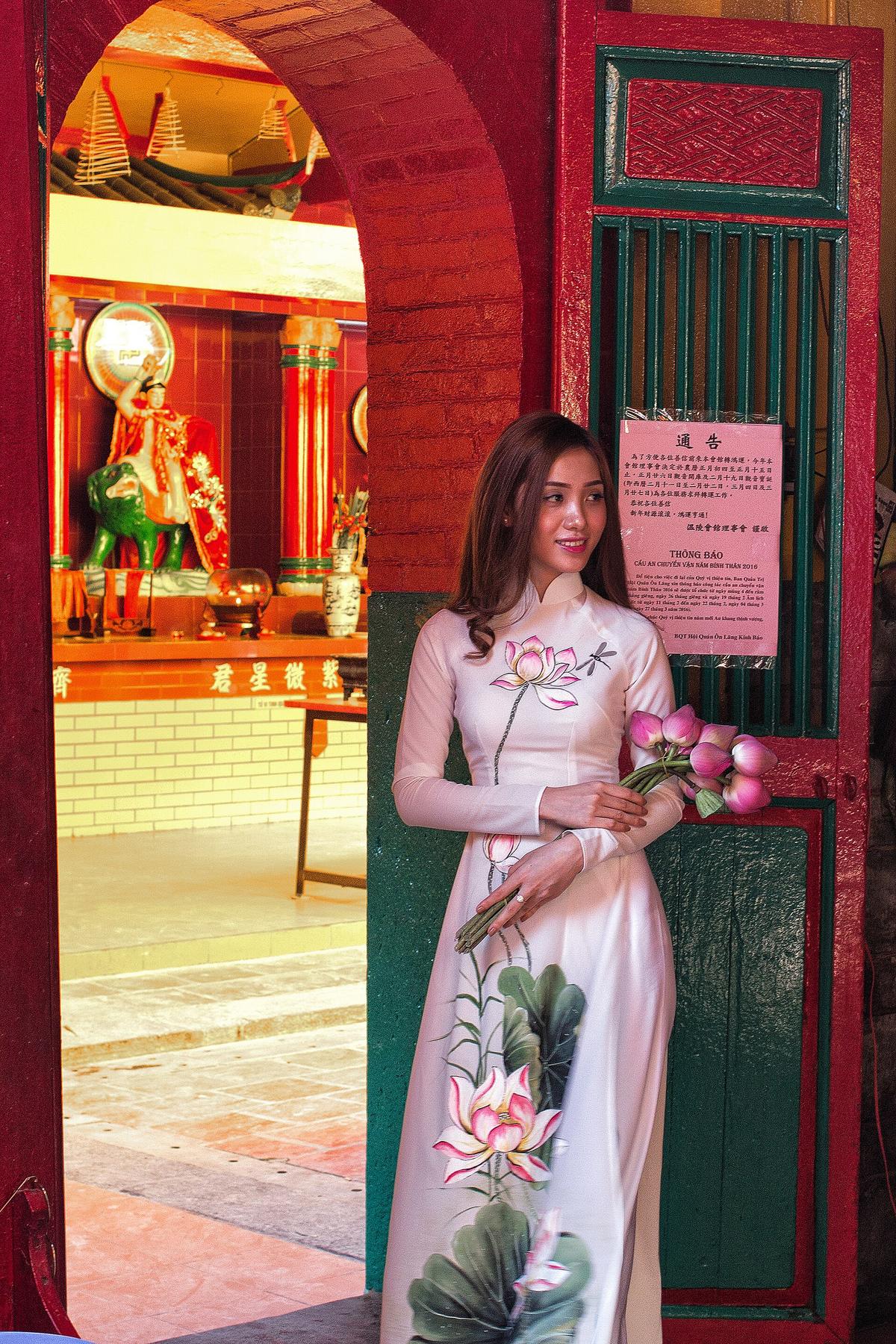

Cholon is the Largest Chinatown in the World. Most Visitors See Ten Percent of It.
You take a Grab to Binh Tay Market, thread through the wholesale chaos for twenty minutes, buy a bag of dried longan, and leave. That is what almost everyone does in Cholon. The mistake costs you the rest of the neighbourhood. District 5 is a morning place: the incense coils of Thien Hau Temple still burning from dawn, the herb sellers of Hai Thuong Lan Ong Street unpacking their root bundles, the Cantonese sui cao dumplings arriving in clear broth at 6am. This is a walking route that starts early and ends with lunch. You will cover the markets, the temples, one of the city's best small museums, and streets where almost no other visitor walks. By 1pm you will be full and the heat will be up, which is the right time to leave.
- District: 5
- Distance from District 1 centre: 5-6 km
- Drive time from District 1: Approx. 20 minutes (varies with traffic)
- Settler group: Hoa (ethnic Chinese)
- Settlement period: Late 18th century, predating French colonial Saigon
- Claimed size ranking: Largest Chinatown in the world by area or population (exact figures vary by source; check the Hoa community records for the most current claim)
- Typical visit duration: Half a day (approx. 4-5 hours)
- Recommended arrival time: Before 10:00
- Primary cuisine type: Chinese-Vietnamese (Hoa)
- Metro line serving Cholon: Line 1 (Bến Thành, Suối Tiên); nearest station name to be confirmed by the operator before travel
Binh Tay Market Cholon: the Wholesale Hub You Enter Before 8am
Arrive for the Trade, Not the Tourists
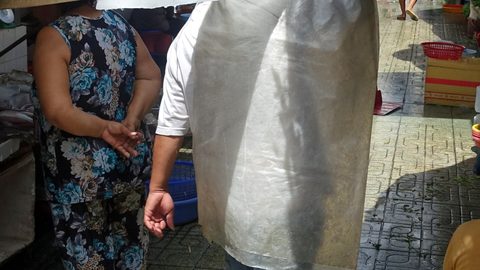
Binh Tay Market at 57A Tháp Mười sits on the edge of District 6, adjacent to District 5. Built in 1928, it functions as a wholesale terminal, not a souvenir bazaar. The mistake most visitors make is arriving after 10am, when the serious trade has finished, the aisles are clogged with tourists, and the vendors have switched to retail patience. Arrive by 7am. The concrete halls are still cool. You will see motorbike delivery riders stacking boxes of dried goods, textile stall holders sorting bolts of fabric by colour, and the serious negotiation that makes this market worth watching.
Eat at the Perimeter
Skip the central food court if you want a real breakfast. Walk to the perimeter stalls and look for the women serving hủ tiếu, the pork and seafood noodle soup that is the neighbourhood's signature morning dish. You eat standing or on a low stool. The broth is lighter than the southern version you find in District 1. Pay 30,000 VND. Do not buy the dried fruit or spices here unless you know the wholesale price; you will pay the foreigner rate. Instead, note what the Vietnamese buyers are carrying and buy that from a stall on the outer ring.
Cholon Temples Saigon: Thien Hau, Quan Am, and Nghia an
Cholon has more than a dozen temples and assembly halls. Three are worth your morning, and you can walk between them in under an hour.
Thien Hau Temple
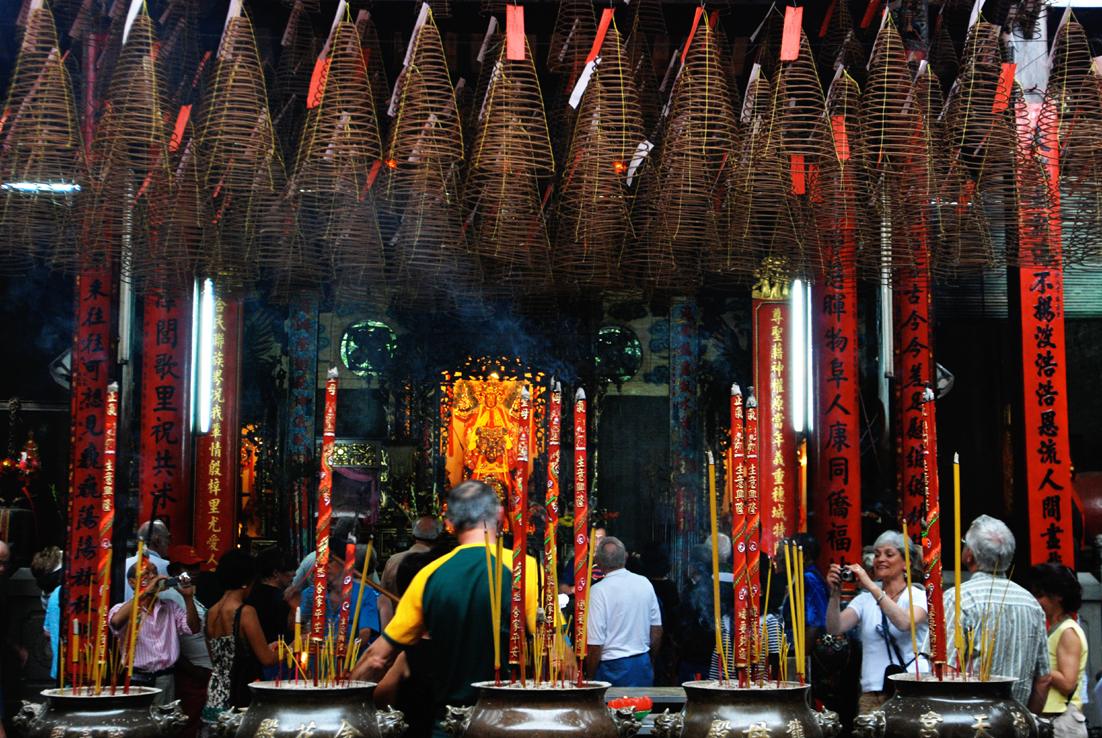
Full name Chùa Bà Thiên Hậu, at 710 Nguyễn Trãi. Constructed around 1760, it is the neighbourhood's most atmospheric temple. The notable feature is the hanging incense coils: large spiral cones suspended from the ceiling that burn for days. Visitors buy a coil, write a wish on its paper tag, and light it. The smoke builds into a blue haze that filters the light from the courtyard. The roof carries ceramic figurines depicting scenes from Chinese opera. Enter through the left gate, walk clockwise, and do not touch any of the statues. It is still an active place of worship. Allow twenty minutes.
Quan Am Temple
Full name Chùa Quan Âm, at 12 Lão Tử. Built in 1816, it is quieter than Thien Hau and dedicated to the goddess of mercy. The interior is darker, more intimate, with a central statue that receives fresh offerings each morning. The incense here is stronger. You will likely be the only visitor. Stay for ten minutes and step quietly.
Nghia An Hoi Quan
Full name Nghĩa An Hội Quán, at 678 Nguyễn Trãi. This assembly hall dates from the 19th century and belongs to the Cantonese congregation. The main hall is lined with carved wooden panels and hanging lanterns. A small side room contains a shrine to the merchant god. It receives fewer visitors than Thien Hau, which is its main advantage.
Cholon Street Food District 5: Where to Eat Between Temples
District 5 eats its best food between 6am and 10am. After that, the stalls pack down and the streets become about dry goods and wholesale commerce. Two dishes define the area.
Sui Cao Dumplings in Clear Broth
Sui cao are Cantonese dumplings, delicate pork and shrimp parcels served in a clear broth seasoned with dried shrimp and white pepper. The best versions come from small alleyway stalls that set up on Nguyễn Trãi and its side streets between 6am and 9am. Look for a metal pot of simmering broth and a plastic tray of dumplings. The vendor will ladle six to eight dumplings into a bowl, add broth, and hand you a spoon and chopsticks. Eat them immediately. The skin tears easily if it sits. Price is around 25,000 VND.
Hủ Tiếu: The Morning Noodle Soup
Hủ tiếu in Cholon is lighter than the versions in District 1 or the Mekong Delta. The broth is pork-based, clear, and arrives with sliced pork, shrimp, quail egg, and a handful of bean sprouts. You add chilli oil and lime yourself. The stalls along Hải Thượng Lãn Ông Street serve a version that uses the street's own herbs. Eat this after the sui cao, not before.
Museum of Traditional Vietnamese Medicine Saigon: the Wood Building Worth the Detour
The Museum of Traditional Vietnamese Medicine sits in an elegant wooden building in District 5. It holds five floors of antique medical tools, herb cabinets, and prescription books that trace the practice of thuốc Nam (southern medicine) and thuốc Bắc (Chinese-influenced medicine). The building itself is the exhibit: a restored traditional pharmacy house with carved wooden beams, tiled floors, and a central courtyard. You enter through a small door on the street and climb narrow stairs past displays of mortar and pestle sets, ceramic jars labelled in Chinese characters, and illustrated manuals showing acupuncture points. The top floor contains a reconstruction of a 19th-century consultation room. Allow 45 minutes. Ticket price is around 40,000 VND. It opens at 8:30am and closes for lunch at 11:30am, so visit between your temple walk and your food stops.
Medicinal Herb Street: Hai Thuong Lan Ong
Hai Thuong Lan Ong Street is the spine of Cholon's traditional medicine trade. The street is named after the 18th-century physician Lê Hữu Trác, known as Hải Thượng Lãn Ông. Every shop front is a pharmacy selling dried roots, bark, fungi, antlers, and seeds. The smell is earthy, bitter, and medicinal. The vendors sit on low stools, sorting bundles of star anise, ginseng, and cinnamon sticks. Most do not speak English. Do not ask for prices unless you intend to buy. The street is best visited between 9am and 10am, after the morning deliveries and before the midday heat. Walk the full length from Nguyễn Trãi to Trần Bình Trọng. The shops on the northern end carry the rarer ingredients: seahorses for respiratory remedies, deer antler slices for vitality, and dried geckos for skin conditions. You will not see another tourist on this street.
.jpg)
Cha Tam Church: the 1963 Coup Site
Cha Tam Church, officially Saint Francis Xavier Church at 25 Học Lạc, is a Catholic church built in 1902. Its historical importance is specific and grim. On 2 November 1963, President Ngô Đình Diệm and his brother Ngô Đình Nhu took refuge in the church after fleeing Gia Long Palace during the military coup. They were arrested here and executed shortly after. The church is still active. The interior is modest: stained glass, wooden pews, a quiet courtyard. You do not need more than ten minutes. It sits between the herb street and the temples, so it fits easily into the walking route. Enter through the front gate. No ticket is required.
The Walking Route: Start Early, End with Lunch
This is the route that covers what matters and avoids the dead zones. Start at Binh Tay Market at 7am. Eat hủ tiếu at a perimeter stall. Walk east on Nguyễn Trãi to Thien Hau Temple by 8am. Spend twenty minutes inside. Walk south to Quan Am Temple for ten minutes. Continue to Nghia An Hoi Quan for another ten minutes. By 9am, walk to Hai Thuong Lan Ong Street and walk its full length. At 9:30am, enter the Museum of Traditional Vietnamese Medicine. You have 45 minutes before its lunch break. Exit at 10:15am and walk to Cha Tam Church for a ten-minute stop. At 10:45am, find a sui cao stall on an alley off Nguyễn Trãi. Eat. By 11:30am you are done. You have seen the real Cholon, not the twenty-minute version that most visitors settle for.
Common Questions
How long do I need in Cholon?
Half a day. Four to five hours covers Binh Tay Market, three temples, the herb street, the museum, and lunch. Arrive before 10am to see the morning activity. By 1pm the heat and the crowds peak.
Is Cholon safe for solo tourists?
Yes, but with the same street awareness required across Ho Chi Minh City. Keep your phone and bag secured against motorbike snatching. The alleys around Binh Tay Market and Hai Thuong Lan Ong are safe during daylight hours.
Which temple should I visit first?
Thien Hau Temple. It opens earliest, has the most dramatic interior with the hanging incense coils, and is the least crowded before 9am. Walk from Thien Hau to Quan Am Temple (ten minutes), then to Nghia An Hoi Quan.
Can I visit Cholon by metro?
Metro Line 1 (Bến Thành, Suối Tiên) serves the District 5 area. Check the operator's official map before travel for the exact station name nearest to Nguyễn Trãi, as station names and opening schedules change.
Read next
-
 Ho Chi Minh City Hotels From Converted Villas to Skydeck Towers by Price Band
Ho Chi Minh City hotels sorted by property type and price band, from converted District 3 villas to skydeck towers near the Saigon River.
Ho Chi Minh City Hotels From Converted Villas to Skydeck Towers by Price Band
Ho Chi Minh City hotels sorted by property type and price band, from converted District 3 villas to skydeck towers near the Saigon River.
-
 Ho Chi Minh City Where to Stay District by District for Every Travel Style
Where to stay in Ho Chi Minh City: a district-by-district breakdown of Saigon neighbourhoods from chaotic District 1 to the expat calm of Thao Dien.
Ho Chi Minh City Where to Stay District by District for Every Travel Style
Where to stay in Ho Chi Minh City: a district-by-district breakdown of Saigon neighbourhoods from chaotic District 1 to the expat calm of Thao Dien.
-
 Flying to Ho Chi Minh City Airport Guide and the Airlines That Serve SGN
Airlines flying into Tan Son Nhat Airport (SGN), terminal details, and a step-by-step arrival guide for getting from the plane into Ho Chi Minh City.
Flying to Ho Chi Minh City Airport Guide and the Airlines That Serve SGN
Airlines flying into Tan Son Nhat Airport (SGN), terminal details, and a step-by-step arrival guide for getting from the plane into Ho Chi Minh City.
-
 Ho Chi Minh City Things to Do Ranked From War History to Wholesale Flower Markets
Ho Chi Minh City things to do ranked with honest verdicts: which Saigon war-history sights, markets, and temples earn your three days and which to skip.
Ho Chi Minh City Things to Do Ranked From War History to Wholesale Flower Markets
Ho Chi Minh City things to do ranked with honest verdicts: which Saigon war-history sights, markets, and temples earn your three days and which to skip.
-
 Ho Chi Minh City Best Time to Visit Month by Month Avoiding Tet Closures and Monsoon Flooding
Ho Chi Minh City best time to visit month by month: dry season windows, Tet holiday closures that empty the city, and the monsoon flooding to avoid.
Ho Chi Minh City Best Time to Visit Month by Month Avoiding Tet Closures and Monsoon Flooding
Ho Chi Minh City best time to visit month by month: dry season windows, Tet holiday closures that empty the city, and the monsoon flooding to avoid.
-
 Ho Chi Minh City Getting Around Without Losing Your Phone or Your Nerve
Getting around Ho Chi Minh City: Grab app tactics, airport transfers from Tan Son Nhat, and how to cross a Saigon street without stopping or running.
Ho Chi Minh City Getting Around Without Losing Your Phone or Your Nerve
Getting around Ho Chi Minh City: Grab app tactics, airport transfers from Tan Son Nhat, and how to cross a Saigon street without stopping or running.
-
 War Remnants Museum
The War Remnants Museum in Ho Chi Minh City is the most emotionally affecting stop in the city. Here is what to expect and how to prepare.
War Remnants Museum
The War Remnants Museum in Ho Chi Minh City is the most emotionally affecting stop in the city. Here is what to expect and how to prepare.
-
 Reunification Palace
The Reunification Palace in Ho Chi Minh City is famous for its tank gate, but the basement war command bunker is the part that explains the building.
Reunification Palace
The Reunification Palace in Ho Chi Minh City is famous for its tank gate, but the basement war command bunker is the part that explains the building.
-
 Ben Thanh Market
 in Ho Chi Minh City is a tourist trap for souvenirs but genuinely good for lunch. Here is what to eat and what to skip.
Ben Thanh Market
Ben Thanh Market in Ho Chi Minh City is a tourist trap for souvenirs but genuinely good for lunch. Here is what to eat and what to skip.