Where to Stay in Ho Chi Minh City: Pick Your Saigon District by Vibe and Budget
Where to stay in Ho Chi Minh City: a district-by-district breakdown of Saigon neighbourhoods from chaotic District 1 to the expat calm of Thao Dien.
Where to Stay in Ho Chi Minh City: Pick Your Saigon District by Vibe and Budget
Every traveller to Saigon faces the same problem: the city is eight districts that function like different countries. Choose wrong and you spend your trip in a taxi watching the real city through a window. The right district depends on how much noise you can tolerate, whether you came for the war history or the food, and if your budget runs to a five-star bed or a backpacker dorm. Here are the eight main districts as the lived-in neighbourhoods they are, not dots on a map.
Saigon Accommodation by District: the Trade Offs at a Glance
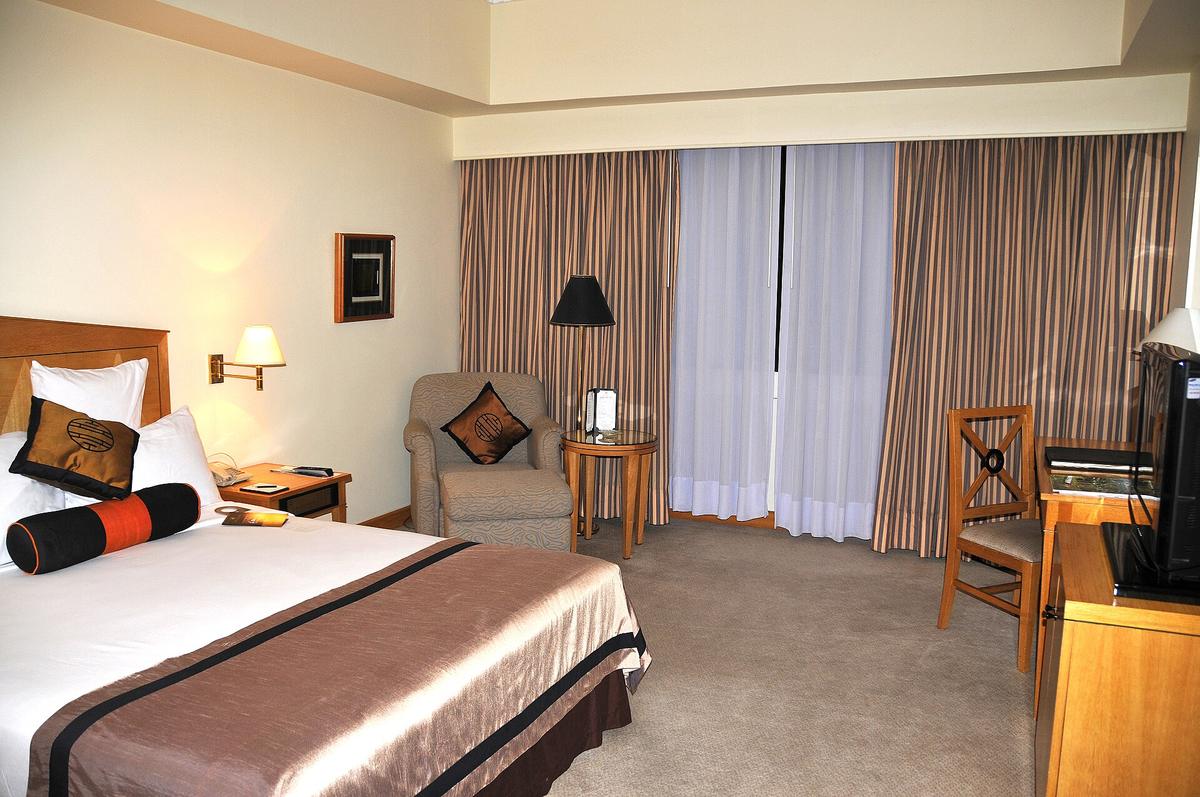
The central trade off is simple. District 1 puts you inside the noise, the history, and the traffic for the price of your sleep quality. District 3 gives you quiet tree lined streets and better value hotels but you will take a Grab ride to reach the War Remnants Museum and most nightlife. Thao Dien offers riverside calm and international standard brunch but costs you 50 to 70 minutes in peak traffic if you need to be in District 1 for meetings. Phu Nhuan has the best street food in the city and almost no tourists, but there is nothing on the landmarks list within walking distance. Every choice involves a loss.
.jpg)
District 1 vs District 3 Accommodation: the Central Choice
District 1: The Centre at Full Volume
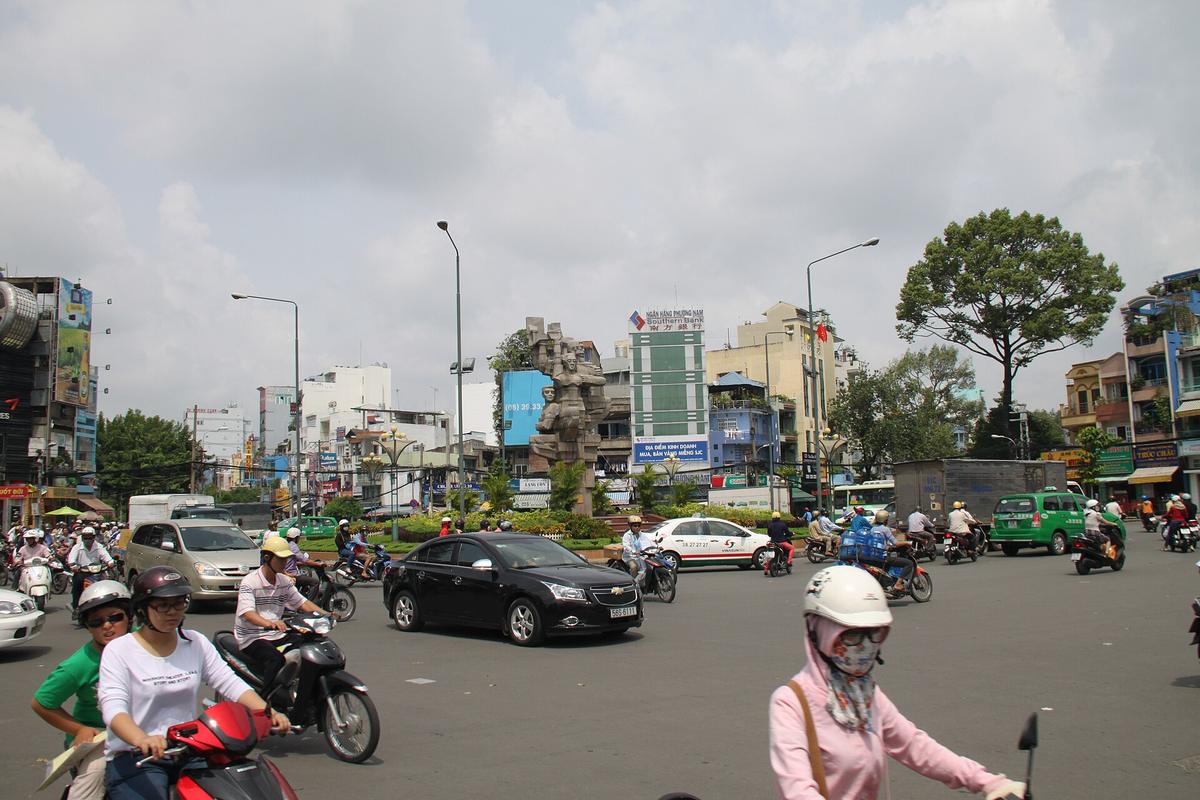
If you are deciding between District 1 and District 3 for accommodation, you are really deciding how much sleep you want versus how close you want to be. District 1 covers 7.72 square kilometres and holds nearly everything a first time visitor came to see: Ben Thanh Market, the Central Post Office, the Notre Dame Cathedral (exterior only, under long term renovation), the Saigon Opera House, and the entire curve of Dong Khoi Street between Le Thanh Ton and Ton Duc Thang. The 2019 census counted 142,000 residents in that small area. The density makes itself felt.
A three star double outside the Bui Vien backpacker zone runs 1,200,000 to 2,500,000 VND per night. A five star double costs between 4,000,000 and 12,000,000 VND. The nightly rate drops sharply if you stay inside Bui Vien Walking Street, where a dorm bed goes for 120,000 to 250,000 VND and a private double room costs 350,000 to 800,000 VND. Those prices exist because music from bars is audible up to 200 metres away at 2 AM. Bui Vien Walking Street runs from 19:00 to 02:00 daily, with vehicle closure on Saturday and Sunday nights. It does not get quiet.
District 3: Tree Cover and a Full Night's Sleep
District 3 is 4.92 square kilometres housing 190,000 people, which means lower density and wider pavements. The tree cover is higher, concentrated on Truong Dinh, Vo Van Tan, and Nguyen Dinh Chieu streets. After 22:00 the street noise level drops below 55 dB, quiet enough to sleep with the window open. A three star double in District 3 costs 800,000 to 1,800,000 VND, noticeably cheaper than equivalent District 1 hotels.
The downside is distance. District 3 sits 2 to 4 kilometres from the Nguyen Hue walking street centre of District 1, an eight minute Grab ride in light traffic, but walkable only if you enjoy crossing major roads on pavements blocked by parked motorbikes. The War Remnants Museum sits inside District 3 proper, so a history focused traveller saves one trip. But the Independence Palace, the Bitexco Financial Tower Saigon Skydeck on the 49th floor, and the whole Dong Khoi strip remain a short ride away.
| District | 3 Star Double Per Night | Distance From District 1 Centre | Noise Level |
|---|---|---|---|
| District 1 (non Bui Vien) | 1,200,000 to 2,500,000 VND | 0 to 2 km | High |
| District 1 (Bui Vien) | 350,000 to 800,000 VND | 0 to 1 km | Very High |
| District 3 | 800,000 to 1,800,000 VND | 2 to 4 km | Low |
| District 4 | 500,000 to 1,200,000 VND | 1 to 3 km | Medium |
| District 5 (Cholon) | 600,000 to 1,500,000 VND | 5 to 7 km | Medium |
| Thao Dien | 1,500,000 to 4,000,000 VND (serviced apartment) | 8 to 10 km | Low |
| Phu Nhuan | 600,000 to 1,200,000 VND | 4 to 6 km | Low to Medium |
| District 7 (Phu My Hung) | 800,000 to 2,000,000 VND | 8 to 12 km | Very Low |
Thao Dien Expat Stay Saigon: the Bubble and the Bridge
Thao Dien expat stay Saigon describes a specific kind of trip: one where you want the safety, the green space, and the international schools of a planned suburb without leaving the city entirely. Thao Dien is a ward inside Thu Duc City, formerly District 2, and sits 8 to 10 kilometres from the District 1 centre at Nguyen Hue. By car with no traffic the journey takes 25 to 35 minutes. Between 07:00 and 09:00 it takes 50 to 70 minutes. That effectively cuts your sightseeing day in half.
The riverside road is Nguyen Van Huong Street, where a string of craft beer bars and boutique hotels face the Saigon River. A serviced apartment here costs 1,500,000 to 4,000,000 VND per night, pricing out budget travellers entirely. The neighbourhood is walkable in the way that matters to families: pavements exist, traffic is lighter, and you can push a stroller. The trade off is that you are in an expat bubble. The food scene is brunch oriented, the clientele is largely international school families and long stay business travellers, and the Vietnamese street life that defines the rest of Ho Chi Minh City is a taxi ride away.
.jpg)
The Other Districts: Cholon, Binh Thanh, Phu Nhuan, District 4 and District 7
District 5 (Cholon): Cantonese Heritage and Wholesale Chaos
District 5, known as Cholon, covers 4.27 square kilometres and held 159,000 people in the 2019 census. It sits 5 to 7 kilometres from the District 1 centre and contains Binh Tay Market, the Museum of Traditional Vietnamese Medicine, and the wholesale chaos of Hai Thuong Lan Ong Street where the entire street smells of dried herbs. The hotel price range for a three star double is 600,000 to 1,500,000 VND, the cheapest of any district with real landmarks. This is the right base for a food focused traveller who wants sui cao dumplings in clear broth and the Cantonese heritage that no other district offers. It is the wrong base for anyone who wants walkable nightlife or English spoken at the front desk.
Binh Thanh and Phu Nhuan: Local Life Without Landmarks
Binh Thanh sits adjacent to District 1 across the Saigon River and offers hipster canalside living with a craft beer scene that draws locals from across the city. There are no major landmarks here. The appeal is the apartment block cafes and the local energy of a district that is not trying to impress tourists. Phu Nhuan is similar: unpolished residential streets, some of the city's best street food at half the price of District 1, and a three star double that runs 600,000 to 1,200,000 VND. You will not find museums here. You will find ca phe sua da from a sidewalk cart served on a low plastic stool while the traffic passes two feet away.
District 4 and District 7: Grit Versus Sterility
District 4 is a compact island 1 to 3 kilometres from District 1 centre, transforming into a local food haven anchored by Vinh Khanh Street's snail stalls serving shellfish in coconut, tamarind, and chilli until late. The grit is real: broken pavements, tight alleyways, the constant hum of motorbikes. District 7, Phu My Hung, is the opposite. It is master planned, sterile, and built on wide roads for a Korean expat population that wants life to function without chaos. You will find excellent Korean restaurants and supermarkets that stock Western goods. You will not find any sense of being in Vietnam.
Making the Call: Who Should Stay Where
District 1 suits first time visitors on short stays of one to three nights who are sightseeing focused and willing to trade sleep for location. District 3 suits return visitors and anyone staying four or more nights who wants quiet evenings within the city centre. Bui Vien suits backpackers under 30 on nightlife focused trips who can tolerate noise until 2 AM. Thao Dien suits expatriates, families with children, and long stay business travellers who value green space over proximity. District 5 suits food focused travellers and return visitors seeking Chinese Vietnamese culture and wholesale markets. District 4 suits the traveller who wants to eat snails on a plastic stool at midnight and does not care that the pavement is broken. Phu Nhuan suits the serious eater who has already seen the landmarks and wants to eat where locals eat. District 7 suits Korean expats and anyone who wants a sterile, predictable, wide road experience that could be anywhere in Asia.
The real Ho Chi Minh City is a visceral assault of 10 million motorbikes, relentless commerce, and tropical heat that leaves you simultaneously exhausted and electrified. It is for urban adrenaline junkies who thrive on sensory overload, street food obsessives willing to perch on tiny plastic stools, and second time Southeast Asia travellers ready for grit over temples. It is not for first time travellers seeking a gentle, clean, or relaxing Asian introduction, anyone with serious mobility issues, those who hate noise and humidity, or beach lovers. There is no beach in Saigon.
Common Questions
What is the best area to stay in Ho Chi Minh City for first time visitors?
District 1, specifically the Dong Khoi Opera House area or the streets around Le Thanh Ton and Ly Tu Trong in Ben Thanh Ward. You pay more and sleep less, but every major landmark is walkable and the friction of learning to cross the road is offset by not needing a Grab for every move.
Is Thao Dien worth the distance from the city centre?
Only if you need quiet, green space, or family friendly accommodation. The 50 to 70 minute peak hour drive to District 1 is real. For business travellers on long stays or families with children, the trade off works. For solo travellers wanting street food and history, it does not.
How do District 1 and District 3 compare for a return visitor?
A return visitor who has already seen the Independence Palace and the War Remnants Museum should stay in District 3. The three star doubles cost 800,000 to 1,800,000 VND compared to 1,200,000 VND and up in District 1, and the tree cover on Vo Van Tan Street makes evening walks tolerable. District 1 suits the first timer who wants to be inside the action for three nights at most.
Which district has the best street food?
Phu Nhuan has the highest density of serious food stalls per square metre, but the lack of landmarks means you eat and leave. District 4 offers snail street on Vinh Khanh Street as a destination. District 5 gives access to Cholon's Cantonese heritage dishes. No single district wins outright; the answer depends on what cuisine you want.
Can I stay in Pham Ngu Lao and still see the real Saigon?
Staying exclusively in Pham Ngu Lao or Bui Vien Walking Street is the most common mistake visitors make. The area is a loud, drunken anomaly with bars audible 200 metres away at 2 AM. You can stay there for the cheap dorms and still see the rest of the city by Grab, but you will return to the least representative part of Ho Chi Minh City every night.
How does the tourist accommodation tax affect my hotel bill?
Ho Chi Minh City adds a 10 percent tourist accommodation tax to the room rate. The 2024 rate was verified by the city tourism department; check the current figure with your hotel at booking. This applies across all districts and all hotel categories.
Which district should I avoid during Tet?
Avoid any district during Tet if you want to eat well. The city empties out as millions return to hometowns, and many restaurants, markets, and shops close for up to a week. District 1 becomes a ghost town of shuttered frontages. If you must visit during the Lunar New Year period, stay in Thao Dien where the expat oriented restaurants are more likely to remain open.
Read next
-
 Ho Chi Minh City Hotels From Converted Villas to Skydeck Towers by Price Band
Ho Chi Minh City hotels sorted by property type and price band, from converted District 3 villas to skydeck towers near the Saigon River.
Ho Chi Minh City Hotels From Converted Villas to Skydeck Towers by Price Band
Ho Chi Minh City hotels sorted by property type and price band, from converted District 3 villas to skydeck towers near the Saigon River.
-
 Flying to Ho Chi Minh City Airport Guide and the Airlines That Serve SGN
Airlines flying into Tan Son Nhat Airport (SGN), terminal details, and a step-by-step arrival guide for getting from the plane into Ho Chi Minh City.
Flying to Ho Chi Minh City Airport Guide and the Airlines That Serve SGN
Airlines flying into Tan Son Nhat Airport (SGN), terminal details, and a step-by-step arrival guide for getting from the plane into Ho Chi Minh City.
-
 Ho Chi Minh City Things to Do Ranked From War History to Wholesale Flower Markets
Ho Chi Minh City things to do ranked with honest verdicts: which Saigon war-history sights, markets, and temples earn your three days and which to skip.
Ho Chi Minh City Things to Do Ranked From War History to Wholesale Flower Markets
Ho Chi Minh City things to do ranked with honest verdicts: which Saigon war-history sights, markets, and temples earn your three days and which to skip.
-
 Ho Chi Minh City Best Time to Visit Month by Month Avoiding Tet Closures and Monsoon Flooding
Ho Chi Minh City best time to visit month by month: dry season windows, Tet holiday closures that empty the city, and the monsoon flooding to avoid.
Ho Chi Minh City Best Time to Visit Month by Month Avoiding Tet Closures and Monsoon Flooding
Ho Chi Minh City best time to visit month by month: dry season windows, Tet holiday closures that empty the city, and the monsoon flooding to avoid.
-
 Ho Chi Minh City Getting Around Without Losing Your Phone or Your Nerve
Getting around Ho Chi Minh City: Grab app tactics, airport transfers from Tan Son Nhat, and how to cross a Saigon street without stopping or running.
Ho Chi Minh City Getting Around Without Losing Your Phone or Your Nerve
Getting around Ho Chi Minh City: Grab app tactics, airport transfers from Tan Son Nhat, and how to cross a Saigon street without stopping or running.
-
 Ho Chi Minh City Itinerary for 3 Days of War History Markets and Street Food
A 3-day Ho Chi Minh City itinerary: District 1 war history on day one, Cholon markets on day two, and a Saigon street-food night on day three.
Ho Chi Minh City Itinerary for 3 Days of War History Markets and Street Food
A 3-day Ho Chi Minh City itinerary: District 1 war history on day one, Cholon markets on day two, and a Saigon street-food night on day three.
-
 War Remnants Museum
The War Remnants Museum in Ho Chi Minh City is the most emotionally affecting stop in the city. Here is what to expect and how to prepare.
War Remnants Museum
The War Remnants Museum in Ho Chi Minh City is the most emotionally affecting stop in the city. Here is what to expect and how to prepare.
-
 Reunification Palace
The Reunification Palace in Ho Chi Minh City is famous for its tank gate, but the basement war command bunker is the part that explains the building.
Reunification Palace
The Reunification Palace in Ho Chi Minh City is famous for its tank gate, but the basement war command bunker is the part that explains the building.
-
 Ben Thanh Market
 in Ho Chi Minh City is a tourist trap for souvenirs but genuinely good for lunch. Here is what to eat and what to skip.
Ben Thanh Market
Ben Thanh Market in Ho Chi Minh City is a tourist trap for souvenirs but genuinely good for lunch. Here is what to eat and what to skip.