Osaka Accommodation Organised by What You Pay and What You Get
Osaka hotels sorted by budget and type, business towers, luxury high-rises and the few ryokan, with the trade-off each choice demands.
Arrive at Namba Station at 08:30 on a Saturday and You Already Know Where This is Going
The Midosuji Line platform is shoulder to shoulder. The escalator is stopped because someone tried to haul a case up it wrong. You have a booking confirmation on your phone for a hotel you picked by neighbourhood guide, and now you are wondering whether that 12 square metre room in Minami is worth the noise you heard about. Ignore neighbourhoods completely. Pick your price band first, then your property type. The district follows from there. That is the opposite of how most travellers start, and it is the faster way to a booking that actually fits.
The Trade-Off You Have Not Considered
Every Osaka hotel is a compromise between floor space, quiet, and last train access. A hostel dorm in Namba costs very little and you are asleep by midnight because the bar next door stops serving at 23:00. A love hotel in Tobita Shinchi gives you 30 square metres but you cannot check in before 22:00 and you cannot leave a bag at the desk. A tower hotel in Kita has a concierge who remembers your name, but you are still walking 12 minutes from Umeda station through the underground maze to reach the lobby. There is no free lunch. The trick is knowing which compromise you can live with.

Property Types and How They Actually Work in Osaka
Business Hotels: The Default Choice With a Trap
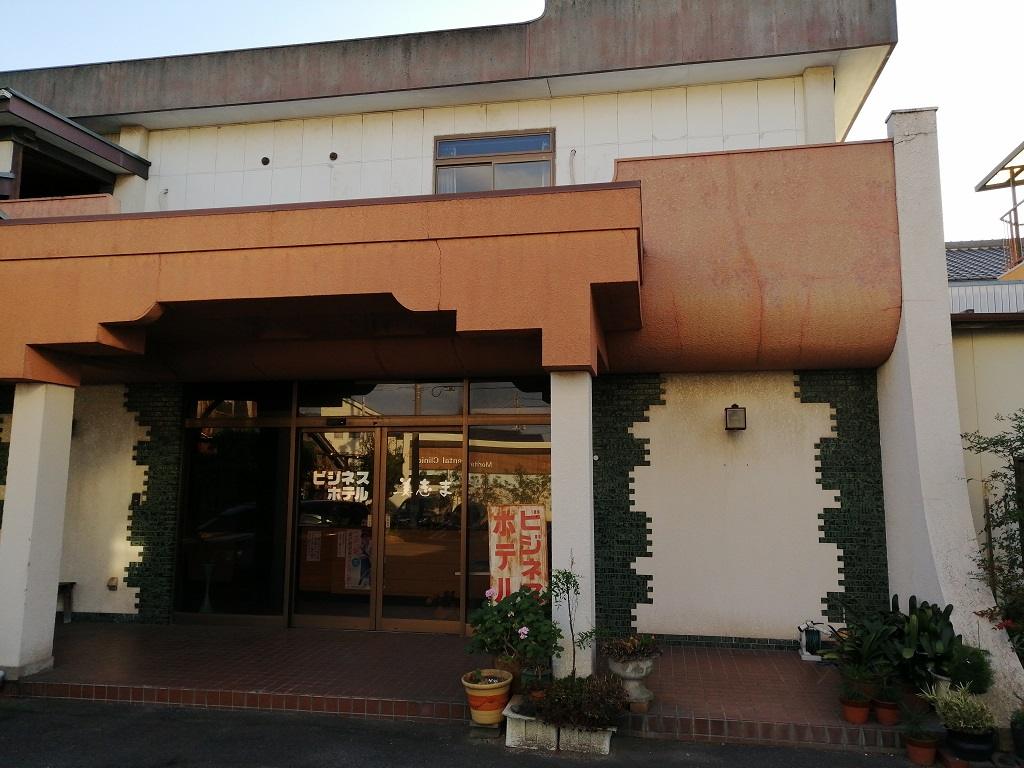
This is what most visitors book. A business hotel in Osaka runs ¥6,000 to ¥15,000 per night for a room that measures 12 to 18 square metres. Check in starts at 15:00, check out is between 10:00 and 11:00. The front desk holds your bags before check in and after check out at no extra charge, and they will forward a case to your next hotel for ¥1,500 to ¥2,500 depending on size and distance. The trap is that business hotels cluster near stations that are convenient for trains but dead after dinner. Shin-Osaka has plenty of rooms at ¥7,000. It also has almost no walkable food after 21:00. Budget a 20 minute subway ride to Namba every evening if you book there.
Capsule Hotels: The Solo Move
¥2,500 to ¥5,000 buys you a fibre moulded capsule 2.0 metres long, 1.0 metre wide and 1.0 metre high. Check in starts at 15:00 to 17:00. Check out is 10:00 sharp. Lockers are provided but they do not accept large suitcases, and forwarding is not always available. Most capsule hotels are male only. Female only floors and properties exist but are fewer. If you are a solo traveller who plans to be out until last train and only needs a place to sleep, this works. If you are a couple, a family, or anyone who needs to unpack, skip it.
Hostels: Social, Not Spacious
A dorm bed runs ¥2,500 to ¥4,500. A private room runs ¥6,000 to ¥10,000. Check in starts at 15:00 to 16:00. Check out is 10:00 to 11:00. You can store your pack in a common area or lockers before and after your stay, but forwarding is rarely offered directly. Staff can direct you to a convenience store service if you need it. The downside is noise and shared bathrooms. The upside is a kitchen and a common room where you might actually meet someone. Osaka hostels are concentrated in Minami, which puts you in the middle of the food crawl zone. That is good for access. It is bad for sleep before midnight.
Apartment Hotels: The Space Play
25 to 40 square metres with a kitchenette, a washing machine and a microwave. ¥12,000 to ¥25,000 per night. Check in starts at 15:00 to 16:00. Check out is 10:00 to 11:00. Forwarding is often available via the front desk or you can self arrange at a convenience store. This is the right pick for anyone staying three nights or more, anyone travelling with a child, or anyone who wants to eat breakfast in their underwear. The trade off is location: apartment hotels tend to sit in residential or mixed use areas a 10 minute walk from the nearest station, not directly above it.
Love Hotels as a Budget Workaround
Osaka has thousands of love hotels. Many of them accept overnight guests even if you are not a couple. A room runs 20 to 30 square metres for ¥6,000 to ¥12,000 per night. Check in starts at 22:00 and check out is 10:00 to 11:00. Daytime rest rates run ¥3,000 to ¥6,000 for two to three hours. The catch: no bag storage, no forwarding, and the concentration is in Tobita Shinchi, Umeda east side and Namba south. If you arrive early and need to drop a bag, do not book a love hotel. If you arrive at 21:00 and leave at 08:00, it is the cheapest 30 square metres in the city.
Tower Hotels: When the View Matters More Than the Walk
30 to 50 square metres for ¥30,000 to ¥80,000 per night. Check in at 15:00. Check out at 11:00 or 12:00. Full concierge bag handling and forwarding. This is for the trip where the hotel is part of the itinerary. The price includes a level of service that makes the Umeda station maze less punishing because the concierge will print you a map with the correct exit circled. But tower hotels in Osaka sit in Kita and Tennoji, not in the Dotonbori neon zone. You are trading immediate street food access for a quiet room and a proper bath.
| Property Type | Price Per Night | Room Size | What You Give Up |
|---|---|---|---|
| Hostel dorm | ¥2,500–4,500 | Shared | Privacy, quiet, bag space |
| Capsule hotel | ¥2,500–5,000 | 2.0m x 1.0m x 1.0m | Suitcase storage, female access |
| Business hotel | ¥6,000–15,000 | 12–18 m² | Space, atmosphere after hours |
| Love hotel (overnight) | ¥6,000–12,000 | 20–30 m² | Check in at 22:00, no bag storage |
| Hostel private room | ¥6,000–10,000 | Private but small | Quiet after 23:00, bathroom share |
| Apartment hotel | ¥12,000–25,000 | 25–40 m² | 10 minute walk from station |
| Tower hotel | ¥30,000–80,000 | 30–50 m² | Street food immediate access, budget |
When to Book and What to Pay Extra for
Osaka hotels are 20 to 30 percent cheaper than the equivalent in Tokyo for most of the year. Against Kyoto, they run 10 to 20 percent cheaper. That gap shrinks to zero during cherry blossom peak, the last week of March through the first week of April, and during autumn foliage peak in the third week of November. During Golden Week, the first week of May, Osaka pricing matches or exceeds Tokyo. Occupancy rates during cherry blossom peak and Golden Week both exceed 90 percent. Autumn foliage peak sits above 85 percent. The official occupancy figures are published annually by the Japan Tourism Agency. Book at least eight weeks ahead for any of those windows. For everything else, four weeks ahead is safe.
Osaka city imposes an accommodation tax collected by the Osaka City Government. Rooms between ¥7,000 and ¥15,000 add ¥100 per person per night. Rooms between ¥15,000 and ¥20,000 add ¥200. Rooms above ¥20,000 add ¥300. The tax was introduced in 2017 and applies regardless of booking platform. It is paid at check in, in cash or card depending on the hotel. Factor it into your budget, especially if you are booking a business hotel near the ¥7,000 floor.
Avoid booking near Shin-Osaka station because it is a Shinkansen stop. The district has almost no nightlife and few walkable food streets, and the daily round trip to Namba or Umeda eats 40 minutes. The single biggest booking mistake in Osaka is that one.
Common Questions
What is the cheapest way to sleep in Osaka that still allows luggage storage?
A business hotel. Capsules and hostel dorms are cheaper per night, but neither reliably accepts large suitcases. A business hotel at ¥6,000 holds your bag before check in and after check out at no charge and will forward it to your next stop for a fee.
Can two people stay in a capsule hotel?
No. A single capsule is 2.0 metres by 1.0 metres by 1.0 metres. It fits one adult and one small backpack. Couples should book a hostel private room or a love hotel.
Is the Osaka hotel tax charged on all rooms?
No. Rooms under ¥7,000 per person per night are exempt. Rooms between ¥7,000 and ¥15,000 incur ¥100 per person. Rooms between ¥15,000 and ¥20,000 incur ¥200. Rooms above ¥20,000 incur ¥300.
Which property type is best for a family of four?
An apartment hotel. 25 to 40 square metres with a kitchenette and washing machine. Two business hotel rooms would cost more and force you to split up. Book at least eight weeks ahead during cherry blossom and autumn foliage peaks.
Can I check into a love hotel during the day and stay overnight?
Yes, but only if you check in at 22:00 or later. Daytime rest rates run ¥3,000 to ¥6,000 for two to three hours. If you try to string a daytime rest into an overnight stay, the hotel will charge you the full overnight rate at 22:00.
What should I do if my hostel does not offer luggage forwarding?
Walk to the nearest convenience store. Lawson, FamilyMart and 7-Eleven all offer forwarding through Yamato Transport. The staff will give you a form, you fill it out in Japanese or use the store tablet if it has an English interface, and the bag arrives at your next hotel the following day.
How far ahead should I book during peak season?
Eight weeks minimum for cherry blossom peak, Golden Week and autumn foliage peak. The occupancy rate for cherry blossom and Golden Week exceeds 90 percent. At eight weeks, you still have a choice of property type. At four weeks, you are picking from whatever is left.
Read next
-
 Where to Stay in Osaka, Pick the District That Matches Your Nights
Osaka's districts switch character after sunset. Pick where to stay based on whether you want street food chaos, standing-bar crawls or a quiet lane.
-
 Osaka Flights Which Airport to Choose and When to Book
KIX or Itami? Which Osaka airport to fly into, when flight prices spike during cherry blossom and November, and the booking windows that matter.
-
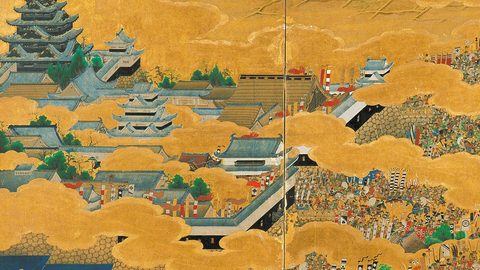 Osaka Things to Do, What Earns a Slot in Two Full Days
Osaka is not a monument city. This page ranks what earns a slot in two full days, from Dotonbori's neon to Shinsekai's retro grit.
-
 Best Time to Visit Osaka, Month by Month and the Trade Off Each One Asks
-
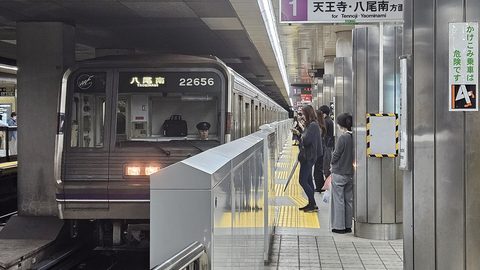 Getting Around Osaka, The Subway, the Private Railways and the Umeda Maze
Osaka's transit is fast but fractured. The Umeda station maze, private railway tickets and the ICOCA card explained before you go.
-
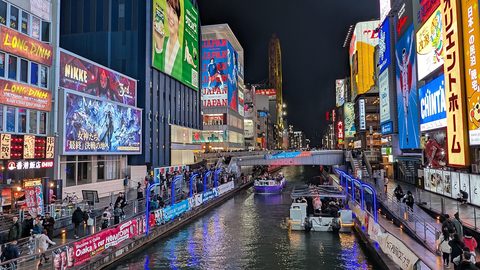 Osaka Itinerary How to Spend 1 2 3 or 5 Days in the City
Osaka itineraries for 1, 2, 3 and 5 days built around food, neighbourhoods and honest pacing, not a checklist of every sight in the city.
-
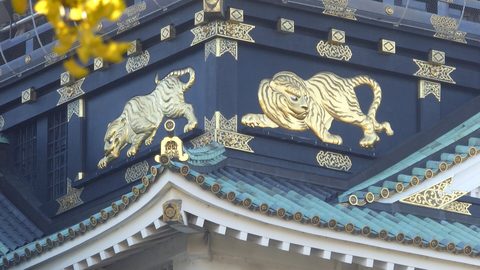 Osaka Castle
's park and moat walks outshine the concrete-reconstructed keep, which houses a museum and observation deck rather than original interiors.
-
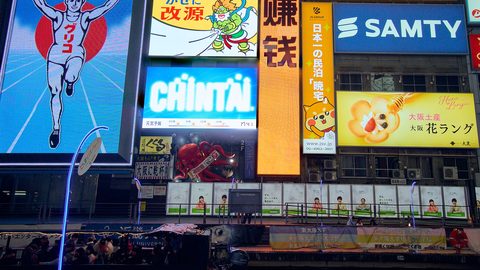 Dotonbori
 is Osaka's neon-lit eating canal, best used as a full-evening food and bar crawl rather than a quick Glico Sign photo stop.
-
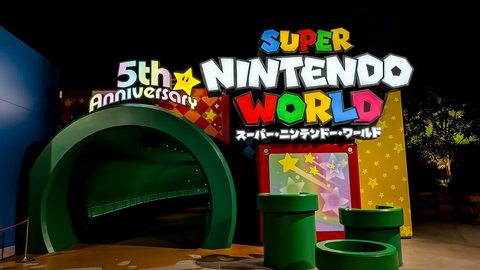 Universal Studios Japan
 demands a full day and a pre-purchased timed-entry ticket; here is whether USJ is worth it and how the ticketing actually works.