Tenma: Osaka’s Longest Shopping Arcade and the City’s Best-Value Drinking
Tenma is home to Japan's longest shopping arcade, Tenjinbashisuji, and the best-value standing bars and budget eating in Osaka.
- Flag
-
- ISO code
- JP
- Currency
- JPY
- Timezone
- Asia/Tokyo
Tenma: Where Osakans Actually Eat and Drink
Japan's Longest Arcade, Hiding in Plain Sight
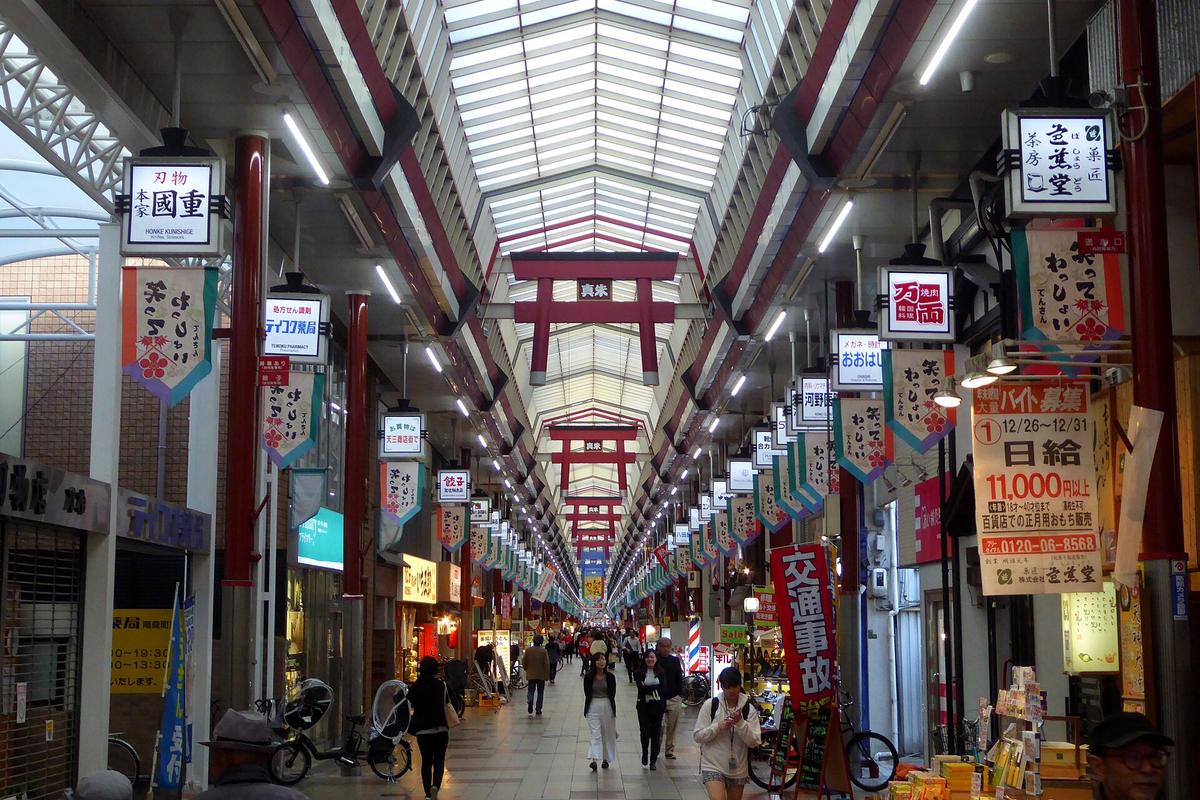
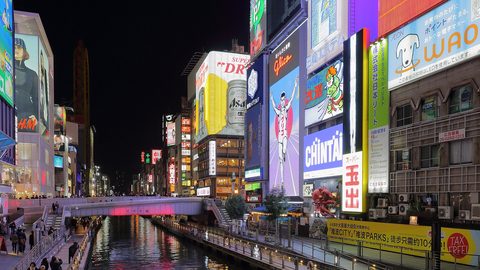
Dotonbori is not Osaka's eating district. It is its eating spectacle. The canal, the Glico sign, the queues for Mizuno and Wanaka: tourism dressed as hunger. The real working district, where drink prices drop by a third and the clientele is finishing a shift rather than a selfie, sits 15 minutes north by train. It is called Tenma. It is anchored by Tenjinbashisuji, Japan's longest covered shopping arcade at 2.6 kilometres. You have not missed it because it is hidden. You have missed it because almost no English-language guidebook lists it.
Tenma answers the single question repeat visitors get wrong about Osaka: where do you find the best-value food and drink that residents actually use? The answer is here, between the elevated JR tracks and the arcade's six numbered blocks. A standing-bar beer costs 300 to 500 yen. An izakaya plate runs 200 to 600 yen. The cover charge, where one exists, is 0 to 300 yen. Namba or Umeda izakaya prices run 30 to 50 percent higher for the same quality. The difference is not ingredient cost. It is rent.
Six Blocks, One Roof
The arcade runs north-south from Minami-morimachi near its southern end up to Tenjinbashisuji 6-chome. It divides into blocks 1-chome through 6-chome. Each has a distinct character. The southern blocks lean into daily shopping: fishmongers, vegetable stalls, a hardware shop selling nothing but locks. Around 4-chome and 5-chome, the food stalls thicken. By 6-chome, you reach the Osaka Museum of Housing and Living, on the 8th floor of the municipal housing information centre. The museum holds a full-scale reconstruction of an Edo-period street with a day-to-night lighting cycle. Arrive near the top of the hour to catch the lighting change. Check the municipal website for the current admission rate.

How to Work the Arcade and the Drinking Streets
Walk It in Sections, Not in One Go
Start at the southern end. Exit Minami-morimachi and walk into the covered street near 1-chome. The arcade shelters you from rain its full length, but the architecture shifts block by block: older corrugated roofing in the middle, newer tiled ceilings nearer the shrine. You will pass Osaka Tenmangu, founded in 949 CE, which enshrines Sugawara no Michizane, the god of scholarship. The shrine anchors the Tenjin Matsuri, held annually on July 24 and 25, one of Japan's three great festivals. The land procession on the 24th and the boat procession with fireworks on the 25th draw crowds so dense you should skip Tenma entirely on those dates unless you came specifically for the festival.
Do not try to walk all 2.6 kilometres in one go. The arcade is not a tourist attraction the way Kuromon Market is. It is a working shopping street. Shopkeepers restock in the late morning. Elderly residents do their errands. You see the same faces at the same stalls. That is the opposite of the transient foot traffic in Dotonbori. Take the arcade in sections over two or three visits. Enter from a different chome each time.
The Drinking Zone Under the Tracks
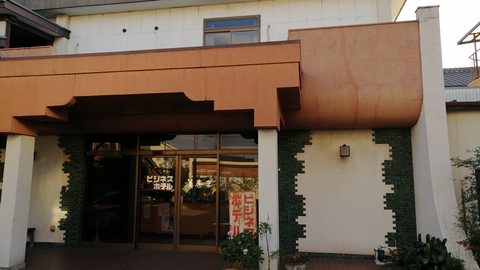
The drinking district sits east and south of Tenma, centred under the elevated JR tracks. Tenma sits on the Osaka Loop Line, two stops and roughly four minutes from Umeda. From Shin-Imamiya in the south, allow about 15 minutes. To reach Universal City, transfer at Nishikujo; the total trip runs 20 to 25 minutes. Loop Line access makes Tenma a practical base, though accommodation here is mostly budget business hotels and a few guesthouses, with double rooms running approximately 5,000 to 12,000 yen per night.
What to Eat and Where to Stand
Arcade food dominates the daytime. At the stalls in 4-chome, you find takoyaki that costs roughly half the Namba price, fried to order on the same equipment. The difference is the queue: three or four people instead of thirty. Kitsune udon at Usamitei Matsubaya serves Osaka's version of the fried-tofu noodle soup, sweeter and saltier than Kyoto's. It is a small counter operation. Arrive before noon or after 1:30 p.m. to avoid the office-worker lunch rush.
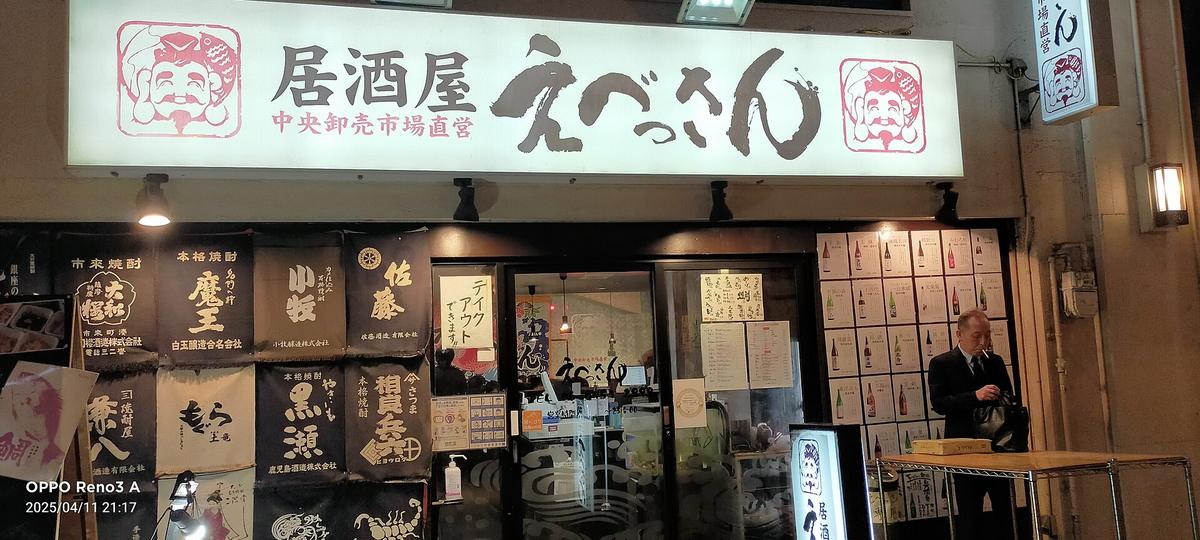
When the arcade closes around early evening and the shutters come down, the drinking district under the tracks activates. A dense knot of standing bars, small izakaya and yakiniku joints. The streets are narrow. The signage is small. Many places hold fewer than ten seats. The price structure follows a simple rule: if the menu has English, you are paying the tourist markup. The real deals have handwritten Japanese slips taped to the wall. Point at what the person next to you is eating.
Tenma is not a late-night district in the Shinsekai sense. Bars start emptying by midnight because people have morning shifts. Arrive at 6 p.m. to catch the energy. By 8 p.m., the best seats are taken. By 10 p.m., the crowd thins to regulars. If you arrive at 11 p.m., you will find more closed shutters than open doors.
What Tenma Does Badly
Tenma is bad at three things and you should know them. First, it is not scenic. No canal, no river view, no landmark tower. The elevated tracks cast long shadows and the noise of the Loop Line is constant. This is a functional district built for convenience, not for postcards. Second, the arcade closes early. Most shops shut by 6 p.m. The fishmongers are gone by 4 p.m. Arrive expecting evening shopping and you will walk a 2.6-kilometre hall of rolled-down shutters. Third, English is scarce. Menu boards are in Japanese. Staff in the standing bars speak none of it. The district is poorly served by English-language coverage for a reason: it does not accommodate the casual tourist who needs a translated menu and a photo of the food. Bring a translation app. Point at what others order. Accept that you may order wrong. That is part of the value.

| Tenma | Namba | Umeda | |
|---|---|---|---|
| Typical Beer Price | 300-500 yen | 500-700 yen | 500-800 yen |
| Cover Charge Range | 0-300 yen | 300-500 yen | 300-500 yen |
| English Menu Availability | Rare | Common | Common |
| Tourist Crowds | Minimal | Peak | Moderate |
| Late-Night Options Past Midnight | Few | Many | Moderate |
| Scenic Appeal | None | High | Moderate |
Who Tenma is for and Who Should Skip it
Tenma suits the street-food grazer who plans a trip around meals and wants to eat where the price matches the quality. It suits the nightlife seeker who wants a dense bar district without a dress code or a cover charge. It suits the repeat Japan visitor bored of Tokyo's formality and tired of Dotonbori's queues. It suits the solo traveller who finds conversation easier in a standing bar where everyone is pressed shoulder to shoulder.
Skip Tenma if your idea of a city break is serene temples, minimal crowds or early nights. The noise from the elevated tracks is constant. The arcade shuts early. The drinking district runs on a working schedule, not a tourist one. Want polished service and a menu in English? You want Namba. Want a river view with your meal? You want Dotonbori. Tenma is not those places. It is what Osakans use when they are paying for themselves.
Other areas in Osaka
Common Questions
How do I get to Tenma from Namba or Umeda?
From Umeda, take the JR Osaka Loop Line to Tenma. It is two stops and takes approximately 4 minutes. From Namba, take the Yotsubashi Subway Line to Nishi-Umeda, then walk to JR Osaka and take the Loop Line. Alternatively, take the Midosuji Line to Minami-morimachi and enter the arcade from the southern end. Total time from Namba is roughly 15 to 20 minutes.
Is Tenjinbashisuji really 2.6 kilometres long?
Yes. It runs north-south for 2.6 kilometres divided into six numbered blocks from 1-chome near Minami-morimachi to 6-chome near Tenjinbashisuji 6-chome. It is Japan's longest covered shopping arcade.
How much does a drink cost in Tenma's standing bars?
A beer runs 300 to 500 yen. Izakaya dishes cost 200 to 600 yen per plate. Cover charges, if any, are 0 to 300 yen. These prices are approximately 30 to 50 percent lower than comparable places in Namba or Umeda.
What are the best times to visit the arcade?
Morning, between 9 a.m. and noon, when shops are open and the crowds are local shoppers. Late afternoon around 3 p.m. for food stalls. Avoid early evening: most shops close by 6 p.m. and the arcade becomes a corridor of shutters.
Is Tenma a good place to stay?
For budget-conscious travellers who prioritise transport access and eating value, yes. Accommodation is mostly business hotels and guesthouses in the 5,000 to 12,000 yen range for a double room. The Loop Line puts Umeda two stops away and Universal City 20 to 25 minutes. The trade-off is that Tenma has almost no late-night nightlife or scenic appeal.
What is the Osaka Museum of Housing and Living like?
It is on the 8th floor of the Osaka Municipal Housing Information Center at Tenjinbashisuji 6-chome. The main exhibit is a full-scale reconstruction of an Edo-period street with a day-to-night lighting cycle. Check the municipal housing bureau website for the current admission rate. Arrive near the top of the hour to see the lighting transition.
Does Tenma have a festival?
Yes. Tenjin Matsuri is held annually on July 24 and 25 at Osaka Tenmangu. It is one of Japan's three great festivals, with a land procession on the 24th and a boat procession with fireworks on the evening of the 25th. The area becomes densely crowded. Avoid Tenma on these dates unless the festival is your reason for visiting.
Read next
-
 Osaka Hotels, Sorted by Price Band and Property Type Not Neighbourhood
Osaka hotels sorted by budget and type, business towers, luxury high-rises and the few ryokan, with the trade-off each choice demands.
Osaka Hotels, Sorted by Price Band and Property Type Not Neighbourhood
Osaka hotels sorted by budget and type, business towers, luxury high-rises and the few ryokan, with the trade-off each choice demands.
-
 Where to Stay in Osaka, Pick the District That Matches Your Nights
Osaka's districts switch character after sunset. Pick where to stay based on whether you want street food chaos, standing-bar crawls or a quiet lane.
Where to Stay in Osaka, Pick the District That Matches Your Nights
Osaka's districts switch character after sunset. Pick where to stay based on whether you want street food chaos, standing-bar crawls or a quiet lane.
-
 Osaka Flights Which Airport to Choose and When to Book
KIX or Itami? Which Osaka airport to fly into, when flight prices spike during cherry blossom and November, and the booking windows that matter.
Osaka Flights Which Airport to Choose and When to Book
KIX or Itami? Which Osaka airport to fly into, when flight prices spike during cherry blossom and November, and the booking windows that matter.
-
 Osaka Things to Do, What Earns a Slot in Two Full Days
Osaka is not a monument city. This page ranks what earns a slot in two full days, from Dotonbori's neon to Shinsekai's retro grit.
Osaka Things to Do, What Earns a Slot in Two Full Days
Osaka is not a monument city. This page ranks what earns a slot in two full days, from Dotonbori's neon to Shinsekai's retro grit.
-
 Best Time to Visit Osaka, Month by Month and the Trade Off Each One Asks
-
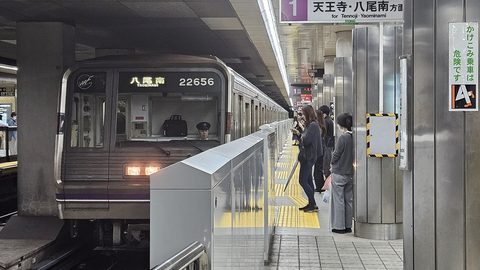 Getting Around Osaka, The Subway, the Private Railways and the Umeda Maze
Osaka's transit is fast but fractured. The Umeda station maze, private railway tickets and the ICOCA card explained before you go.
Getting Around Osaka, The Subway, the Private Railways and the Umeda Maze
Osaka's transit is fast but fractured. The Umeda station maze, private railway tickets and the ICOCA card explained before you go.
-
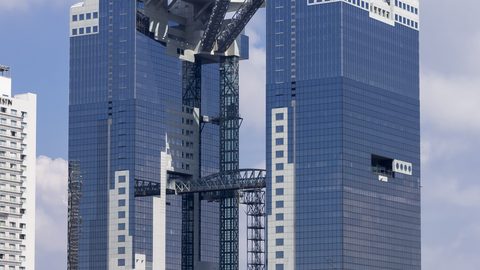 Umeda
How to navigate Umeda's multi-station maze in Osaka's Kita district: which exits to use, where to meet someone, and why the department stores are your best landmark.
Umeda
How to navigate Umeda's multi-station maze in Osaka's Kita district: which exits to use, where to meet someone, and why the department stores are your best landmark.
-
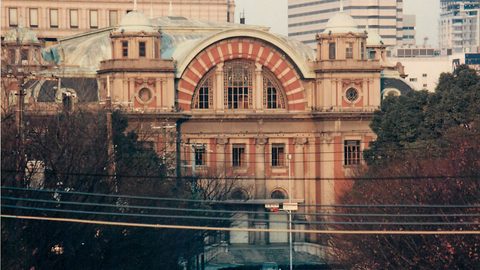 Nakanoshima
 is Osaka's museum island, a riverside strip of civic galleries, rose gardens and the quietest central walk in the city.
Nakanoshima
Nakanoshima is Osaka's museum island, a riverside strip of civic galleries, rose gardens and the quietest central walk in the city.
-
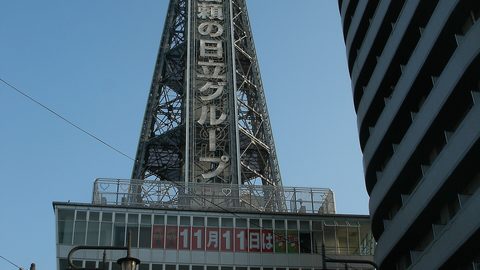 Shinsekai
 is Osaka's 1912 future district, home to kushikatsu alleys, Tsutenkaku tower and an unpolished Showa-era atmosphere that rewards the right visitor.
Shinsekai
Shinsekai is Osaka's 1912 future district, home to kushikatsu alleys, Tsutenkaku tower and an unpolished Showa-era atmosphere that rewards the right visitor.