Shinsekai: Osaka's Retro-Gritty Future, Kushikatsu Alleys and Tsutenkaku Tower
Shinsekai is Osaka's 1912 future district, home to kushikatsu alleys, Tsutenkaku tower and an unpolished Showa-era atmosphere that rewards the right visitor.
- Flag
-
- ISO code
- JP
- Currency
- JPY
- Timezone
- Asia/Tokyo
Shinsekai: What it is Like at 18:00, and Whether You Should Go
You have seen the photos. The neon tower. The glowing alley. The skewers. And you are wondering if it is real, or if it is a set. Here is the answer. Shinsekai is a 1912 vision of the future that nobody bothered to update. It is not polished. It is not cute. It is a working class entertainment district that has been doing the same thing for over a century: feeding people cheap food and letting them drink under a tower. If that sounds like your idea of a good night, you will love it. If you want curated retro, go to a photo studio in Kyoto.
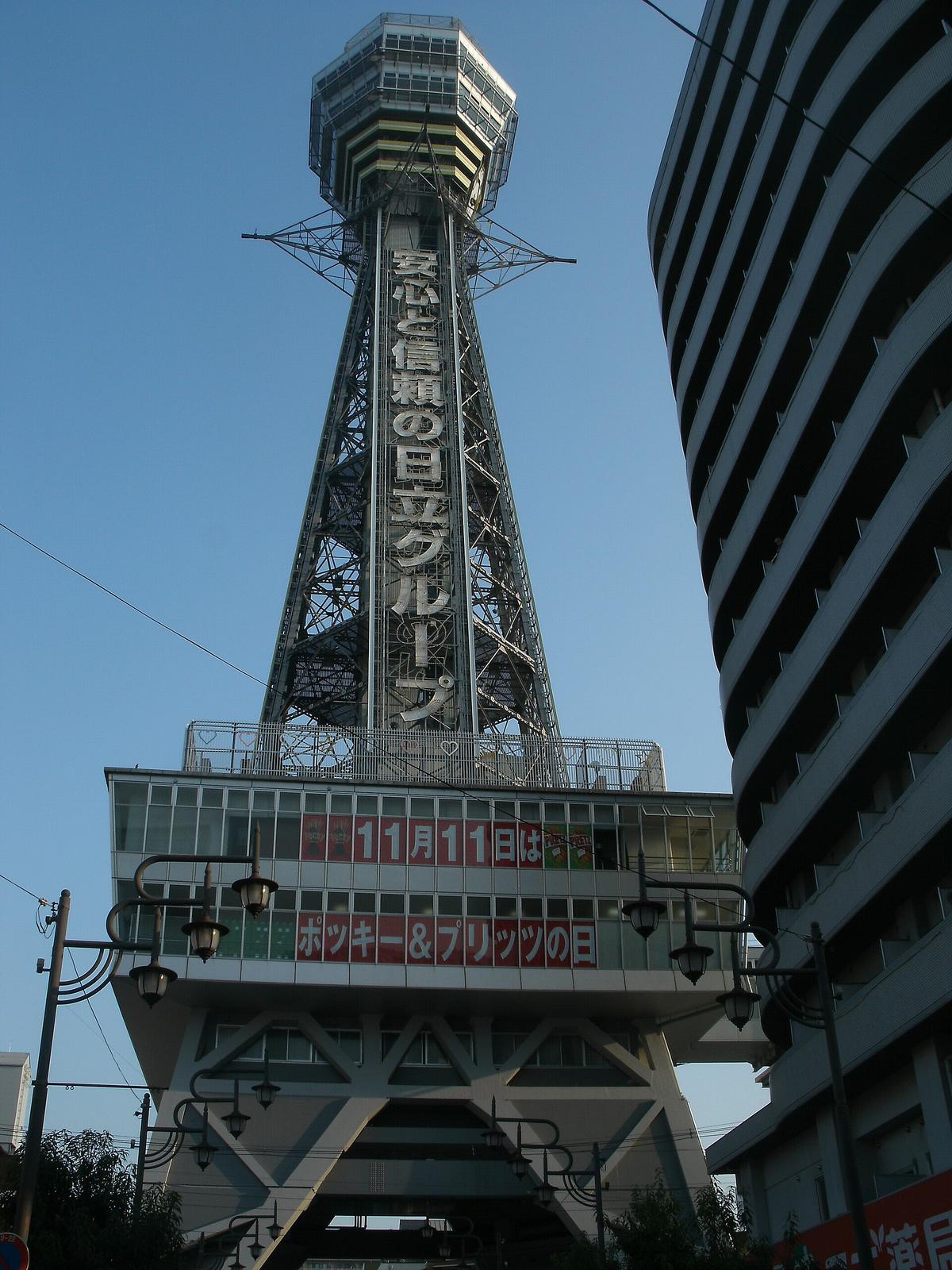
The district runs on a simple geography. Tsutenkaku Tower sits at the centre. To its south, the streets open into a grid of kushikatsu shops and pachinko parlours. To its east, Janjan Yokocho alley runs 180 metres south, a covered arcade of budget eateries, standing bars, and shogi parlours where old men play board games over beer. The name Janjan Yokocho comes from the shamisen sound of post war entertainment houses. That sound is gone. The narrow roof and the smoke remain.

The 1912 Future Left to Age
The Tower That Rose Twice
Shinsekai opened in 1912. The northern half was modelled on the Champs Élysées arcade in Paris. The southern half was modelled on Coney Island's Luna Park in New York. The first Tsutenkaku Tower, designed by Setsu Watanabe, was a 64 metre steel frame inspired by the Eiffel Tower. It was dismantled in 1943 for war steel. The current tower opened in 1956, designed by Tachu Naito, who also designed Tokyo Tower. It reaches 103 metres including the lightning rod. The main observation deck sits at 87.5 metres. The Tip Deck, added in 2015, sits at 94.5 metres. The operator publishes the current rates at the ticket counter. Pay attention: the view is modest by modern standards. The value is not the panorama. The value is standing inside a 1956 tower with neon bleeding through the window frames.
When to Go Up
Go up after dark. The tower changes colour seasonally. Standard illumination is white. Summer shifts to cool white. Winter shifts to warm orange. The best time to see it is between late afternoon and evening, when the neon comes on around 17:00. The worst time to visit Shinsekai is early morning. Most businesses are closed. Streets are empty. Cleaning crews are at work. There is nothing to see.
Kushikatsu: the Rules and the Reality
The Price of a Skewer
Kushikatsu was invented in Shinsekai in the early twentieth century. It was cheap food for labourers. It remains cheap food. You pay ¥100 to ¥400 per skewer, depending on what you order. Prices change. The shop window displays them. Check before you sit.
The Sauce Rule
The rule is simple and strict. The sauce pot is communal. You dip once. You do not double dip. If you need more sauce, use the cabbage leaf provided to scoop sauce over the skewer. Or ask for extra sauce. The owner will hand you a spoonful. Biting directly into the pot is not done. Watch the locals for two minutes and you will understand. The system works. It works because everyone follows it.
Most kushikatsu shops in Shinsekai are cash only. Carry ¥5,000 in small notes. Do not assume a card machine. Do not assume an ATM nearby that takes foreign cards. Many standing bars in this district run the same way. You order. You eat. You pay in cash. You leave.
The Rough Edges You Should Know About
Shinsekai is safe. Violent crime against tourists is low. But it is not Namba. The neon polish of Dotonbori is not here. The streets are narrower. The buildings are older. Some are genuinely run down. You will see pachinko parlours. You will see shops that look like they have not been painted since 1970. This is the point. This is what people mean when they say Showa era nostalgia. It is not a theme park. It is a district that kept its character because nobody had enough money to redevelop it.
The Airin Question
North of Shinsekai is the Nishinari ward, specifically the Airin district, also called Kamagasaki. This is the day labourer area of Osaka. It has the cheapest accommodation in Japan, ¥800 to ¥2,500 per night in converted flophouses called doya. It also has a high concentration of elderly male day labourers, open air drinking, visible homelessness, and more frequent police patrols. Violent crime against tourists is low. The primary discomfort is visual poverty and public inebriation. If you are a first time visitor to Japan, skip staying in Airin. If you are a solo female traveller, skip the area at night. If you are an experienced traveller on an extreme budget who understands what a rough urban environment looks like, you already know if this is for you.
.jpg)
| District | Best For | When To Go | Crowd Level | Card Acceptance |
|---|---|---|---|---|
| Shinsekai | Kushikatsu, Showa atmosphere, standing bars | Late afternoon to evening | Moderate, less dense than Namba | Patchy; cash expected |
| Dotonbori | Variety of street food, spectacle | Evening, after 19:00 | Very high after dark | Wide; most places take cards |
| Kuromon Market | Seafood, grilled items, walking eat | Morning to early afternoon | High at lunch peak | Most stalls accept cards now |
| Tsuruhashi | Korean grilled offal, smoky grills | Evening | Local, not touristy | Mixed; cash safer |
What to Do Beyond the Skewers
Spa World: Bath and a Bed
Spa World is three minutes walk from Tsutenkaku. It opened in 1997 and runs eight floors above ground. The concept is themed onsen zones by world region, rotated monthly by gender. The facility stays open overnight from 10:00 to 08:45 the next morning. That means you can arrive at 20:00, take a bath, sleep in the relaxation area, and leave at 07:00. It is one of the best value options in Osaka for a cheap night if a dorm bed does not appeal.
Janjan Yokocho: The Alley That Delivers
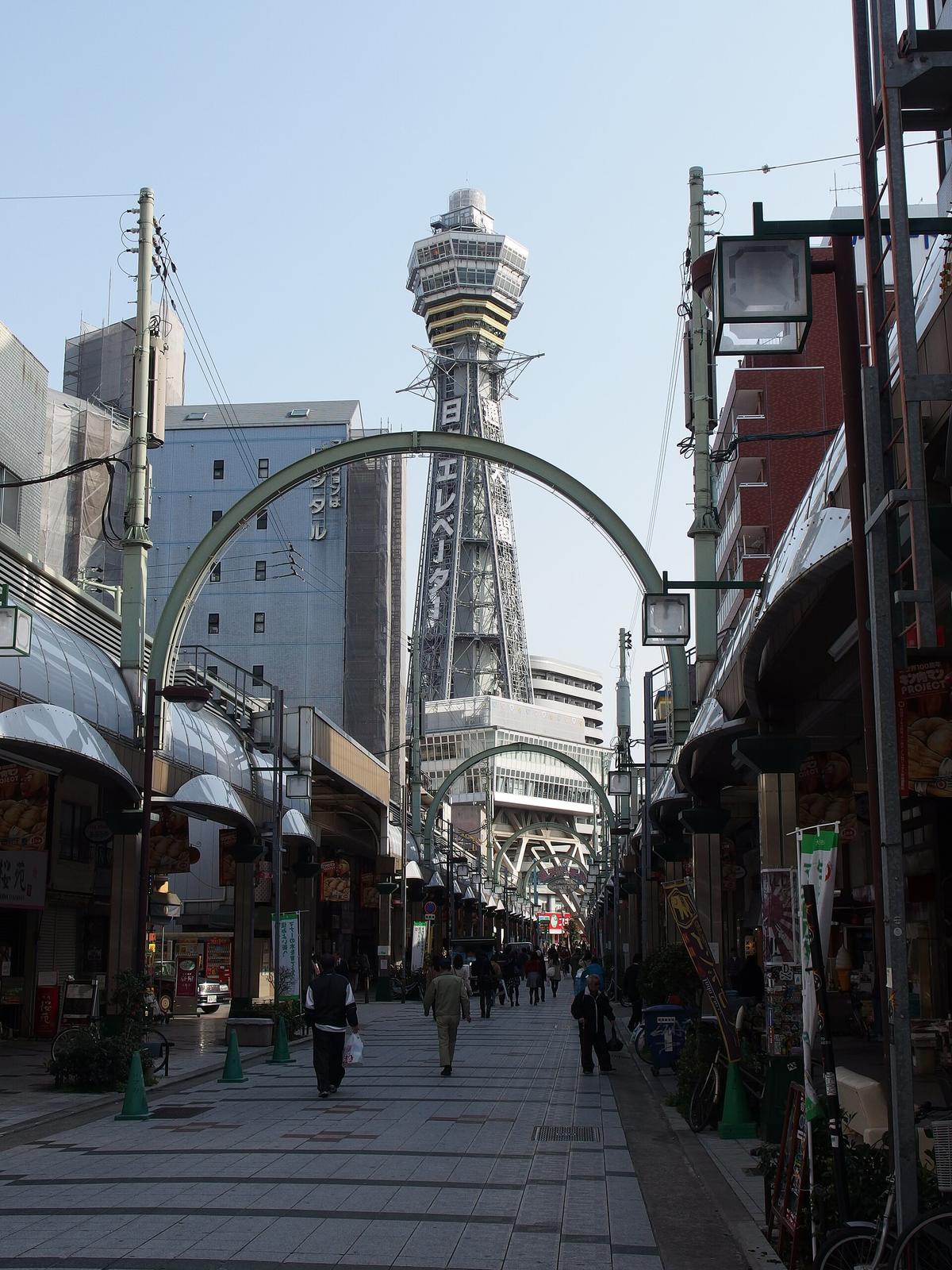
Janjan Yokocho is the alley you want for atmosphere. It runs south from Tsutenkaku, parallel to the east side of the tower. 180 metres of covered arcade. Budget eateries. Kushikatsu stalls. Standing bars. Shogi parlours. The name comes from shamisen sound. The sound is gone. The feel is not. Walk the full length. Stop at a place that looks busy. That is how you find the good kushikatsu.
What Shinsekai is Bad at
Shinsekai is bad at first impressions in daylight. It is bad at early mornings. It is bad at quiet. It is bad at polished service. It is bad for anyone who wants a serene temple visit or a romantic dinner. It is bad at handling large groups in a single kushikatsu shop; most counters seat six to ten. It is bad at vegetarian options; the kushikatsu batter contains egg and the broth uses meat stock. It is bad at accessibility; some standing bars have no chairs and narrow doorways.
The district rewards visitors who approach it on its own terms. Arrive when the neon is on. Eat standing at a counter. Accept that the sauce pot is communal. Pay cash. Do not expect English menus everywhere, though most kushikatsu shops have picture boards. This is Osaka unvarnished. If that sounds better than a theme park version of old Japan, you will find what you came for.
Other areas in Osaka
Shinsekai: Seven Questions That Answer the Rest
Is Shinsekai safe at night?
Yes, for normal tourist activity. The main streets are lit and busy until late. The discomfort is visual: older buildings, narrow alleys, some inebriated locals. Violent crime against visitors is very low. Use the same street awareness you would in any dense city district after dark.
How long should I spend in Shinsekai?
Two to three hours for a food crawl and the tower visit. Late afternoon to evening is the right window. If you add Spa World, add three to four more hours. Shinsekai does not need a full day. It is an evening destination.
Should I stay overnight in Shinsekai?
Probably not. The district has limited mid range and budget hotels. Most visitors stay in Namba, Tennoji, or Umeda and visit Shinsekai for an evening. The exception is a night at Spa World, which stays open from 10:00 to 08:45 the next morning and lets you sleep in the relaxation area.
What is the no-double-dip rule exactly?
The sauce pot on the counter is shared by everyone. You dip your skewer once before you bite it. If you take a bite and want more sauce, use the raw cabbage leaf provided to scoop sauce onto the remaining food. Do not put a bitten skewer back into the pot.
Do kushikatsu shops in Shinsekai take credit cards?
Many do not. Cash survives stubbornly in this district. Carry at least ¥5,000 in small notes. If you are unsure, check the register area before ordering; a card terminal is usually visible on the counter.
Is Tsutenkaku worth going up?
Yes, but not for the view quality. The panorama is fine on a clear day; you see Tennoji, Abeno Harukas, and Osaka Bay. But comparable height observation decks exist in Abeno Harukas and Umeda Sky Building. Tsutenkaku's value is the 1956 interior and the neon atmosphere at night. Go for the retro, not the skyline.
What is the Airin district next door, and should I go there?
Airin, also called Kamagasaki, is a day labourer district with Japan's cheapest accommodation. It is not a tourist attraction. It is a place where elderly male workers live in ultra budget flophouses. The area is safe from violent crime but confronting in visible poverty. First time visitors to Japan should skip it. Experienced budget travellers may find ¥800 to ¥2,500 per night appealing if they know what they are walking into.
Read next
-
 Osaka Hotels, Sorted by Price Band and Property Type Not Neighbourhood
Osaka hotels sorted by budget and type, business towers, luxury high-rises and the few ryokan, with the trade-off each choice demands.
Osaka Hotels, Sorted by Price Band and Property Type Not Neighbourhood
Osaka hotels sorted by budget and type, business towers, luxury high-rises and the few ryokan, with the trade-off each choice demands.
-
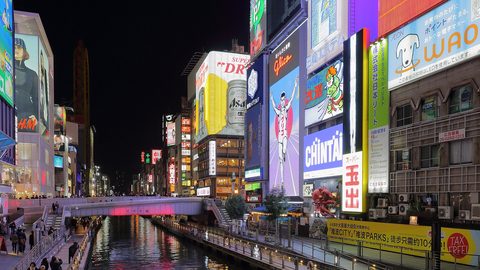 Where to Stay in Osaka, Pick the District That Matches Your Nights
Osaka's districts switch character after sunset. Pick where to stay based on whether you want street food chaos, standing-bar crawls or a quiet lane.
Where to Stay in Osaka, Pick the District That Matches Your Nights
Osaka's districts switch character after sunset. Pick where to stay based on whether you want street food chaos, standing-bar crawls or a quiet lane.
-
 Osaka Flights Which Airport to Choose and When to Book
KIX or Itami? Which Osaka airport to fly into, when flight prices spike during cherry blossom and November, and the booking windows that matter.
Osaka Flights Which Airport to Choose and When to Book
KIX or Itami? Which Osaka airport to fly into, when flight prices spike during cherry blossom and November, and the booking windows that matter.
-
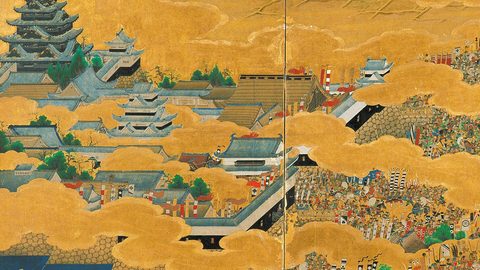 Osaka Things to Do, What Earns a Slot in Two Full Days
Osaka is not a monument city. This page ranks what earns a slot in two full days, from Dotonbori's neon to Shinsekai's retro grit.
Osaka Things to Do, What Earns a Slot in Two Full Days
Osaka is not a monument city. This page ranks what earns a slot in two full days, from Dotonbori's neon to Shinsekai's retro grit.
-
 Best Time to Visit Osaka, Month by Month and the Trade Off Each One Asks
-
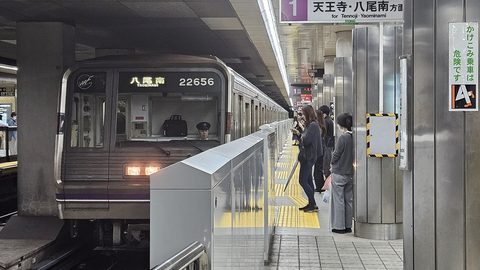 Getting Around Osaka, The Subway, the Private Railways and the Umeda Maze
Osaka's transit is fast but fractured. The Umeda station maze, private railway tickets and the ICOCA card explained before you go.
Getting Around Osaka, The Subway, the Private Railways and the Umeda Maze
Osaka's transit is fast but fractured. The Umeda station maze, private railway tickets and the ICOCA card explained before you go.
-
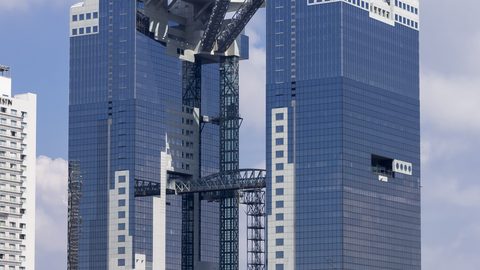 Umeda
How to navigate Umeda's multi-station maze in Osaka's Kita district: which exits to use, where to meet someone, and why the department stores are your best landmark.
Umeda
How to navigate Umeda's multi-station maze in Osaka's Kita district: which exits to use, where to meet someone, and why the department stores are your best landmark.
-
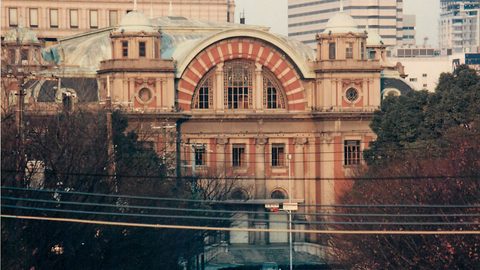 Nakanoshima
 is Osaka's museum island, a riverside strip of civic galleries, rose gardens and the quietest central walk in the city.
Nakanoshima
Nakanoshima is Osaka's museum island, a riverside strip of civic galleries, rose gardens and the quietest central walk in the city.
-
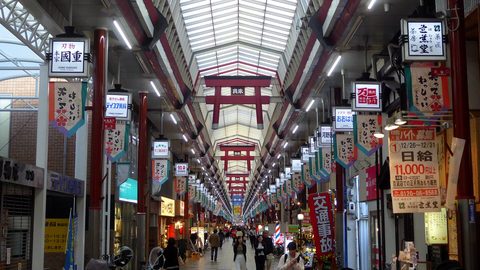 Tenma
Tenma is home to Japan's longest shopping arcade, Tenjinbashisuji, and the best-value standing bars and budget eating in Osaka.
Tenma
Tenma is home to Japan's longest shopping arcade, Tenjinbashisuji, and the best-value standing bars and budget eating in Osaka.