Namba: Osaka's Default Base, Eating Centre and Neon-Lit Nightlife Core
Namba is Osaka's eating and nightlife centre, the default base in Minami with direct KIX airport access, Dotonbori on its doorstep and dense walkable food streets.
- Flag
-
- ISO code
- JP
- Currency
- JPY
- Timezone
- Asia/Tokyo
Namba at 20:00 on a Friday
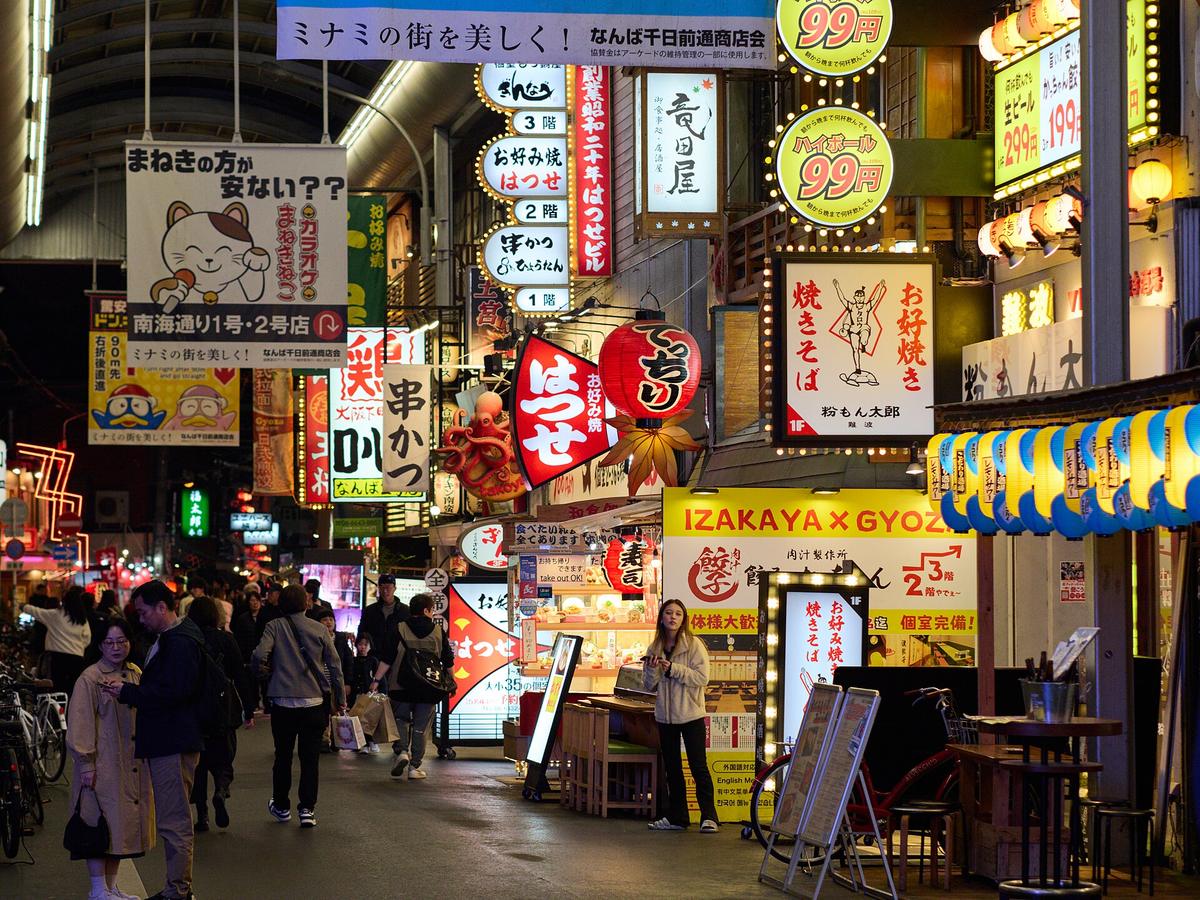
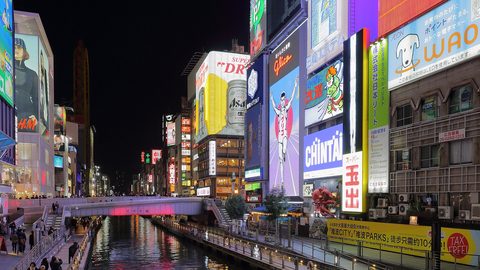
The crowd on Dotonbori canal is packed dense enough that you can only move at shuffle speed under the glow of the Glico sign. Three people are taking the same photo of that runner. A takoyaki stall has a queue fifteen deep. This is Namba at its core function: the neon-lit front room of Minami, and the default base for anyone who came to Osaka to eat, drink, and stay out late.
Namba works because it concentrates everything you want from Osaka into a walkable canyon of food and nightlife. Then it puts a direct train to Kansai International Airport at its centre. You land at KIX, board the Nankai Limited Express Rapi:t, and 34 minutes later you step out of Nankai Namba Station into the district you will sleep, eat, and drink in. No transfer. No bus. That single connection is why Namba is the obvious choice for a first-time visitor and the repeat stay for anyone who knows the city.
The Geography of Namba: Four Stations, One District
Four Competing Terminals
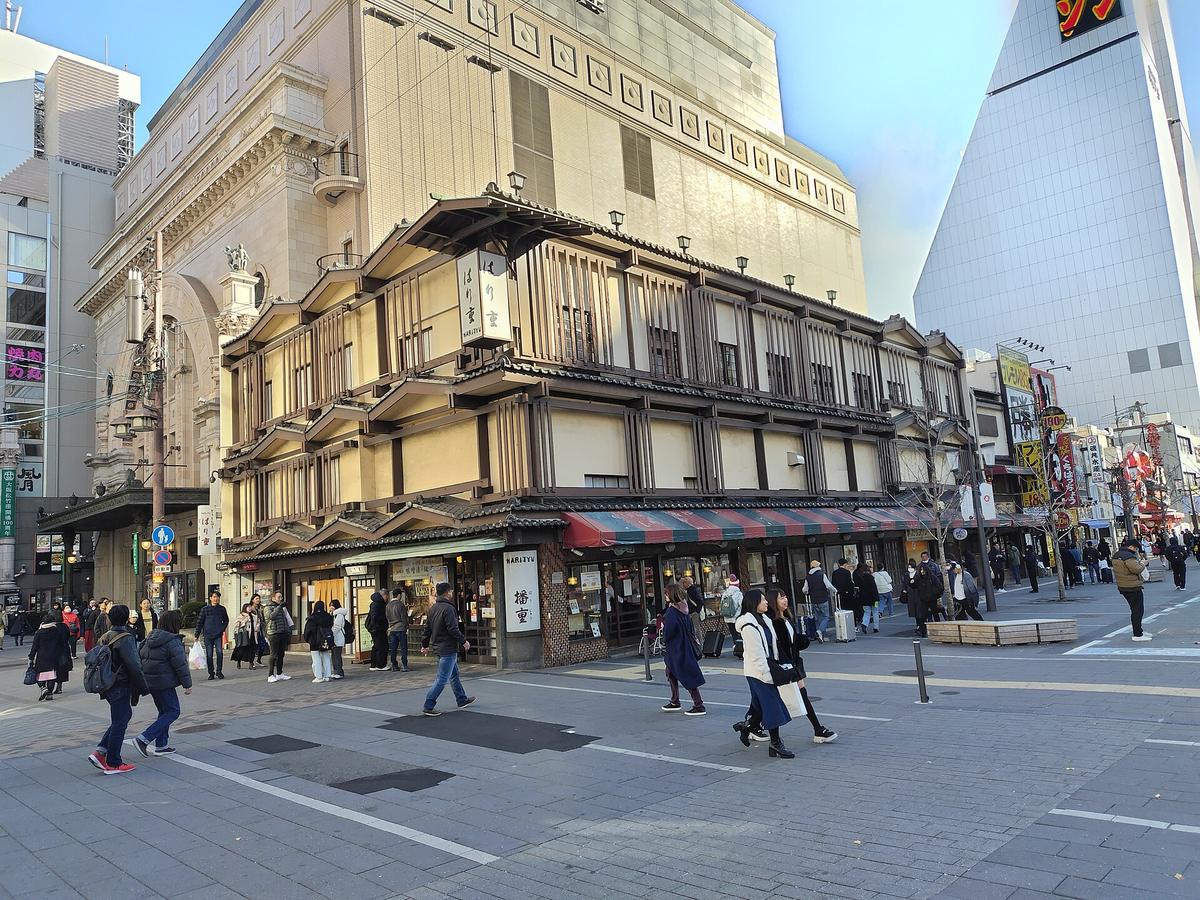
Four separate railway terminals all called Namba Station sit within 200 metres of each other. Nankai Namba, Osaka Metro Namba, Osaka-Namba for Kintetsu and Hanshin, and JR Namba each belong to a different company. They never merged into a single structure. The underground walkways connecting them are functional but not signed with any unified logic. Learn which exit serves which line by memorising landmark names. Aim for the Takashimaya department store above Nankai Namba, or the Namba Parks shopping complex at the south exit.
Where the Noise Stops
Namba sits between two clear boundaries. To the north runs the Dotonbori canal, where the crowd peaks between 19:00 and 22:00 on Fridays and Saturdays. To the south, Sennichimae-dori marks where the tourist strip ends and the local streets begin. South of that road, west of Nankai Namba Station beyond Naniwa-suji, and east of Sakaisuji beyond Kuromon Market, the noise drops, the prices fall, and the clientele shifts from visitors to residents. Midosuji, the broad boulevard lined with high-end boutiques, forms the eastern edge. Naniwa-suji marks the west.
Eating in Namba: No Dress Code, No Reservations, No Quiet
Namba is a street-food district, not a restaurant district. You eat standing at a counter, walking down an alley, or perched on a plastic stool outside a kushikatsu joint. The food here is loud, cheap, and fast by design.
Takoyaki at Wanaka
Wanaka is the Namba origin shop for Osaka's signature octopus balls. The batter is crisp on the outside and molten inside. The sauce is brushed on thin. Order one eight-piece tray and eat it immediately on the street. Do not wait. The window for the ideal texture is about 45 seconds.
Okonomiyaki at Mizuno
Mizuno is a Dotonbori institution that grills the minced-yam batter in front of you on a teppan counter. The queue forms before 17:00. Budget 30 minutes of waiting for a seat at the counter. The cabbage-heavy style is softer than the Hiroshima version and demands the savoury-sweet sauce with Japanese mayonnaise.
Kuromon Market at 09:00
Kuromon Market is a 580-metre covered arcade of seafood stalls and prepared street eats. Arrive by 09:00, before the tour groups arrive from 10:30. You walk and eat: grilled scallop skewers, sea urchin on the shell, wagyu beef cubes on sticks. Cash only. Carry ¥5,000 in notes. The market runs from the Sennichimae-dori boundary south toward Nipponbashi. The stalls have pivoted hard toward visitors in recent years, so expect tourist pricing on the front strip and better value deeper in.
Hozenji Yokocho for the Quiet Dinner
Two parallel cobblestone alleys run east of Midosuji north of the Hozenji temple, founded in 1637. One is about 80 metres long, the other 60 metres, both just 2 to 3 metres wide. The alley feels like a different district. The small okonomiyaki and sake bars here are the only sit-down dinner option that does not feel like a production line. The moss-covered Mizukake Fudo statue at the temple has been continuously splashed with water by visitors for decades. Splash it yourself, then eat.
Nightlife: Namba After Dark
Namba's nightlife is dense, loud, and unpretentious. Soemon-cho, east of Midosuji and north of Sennichimae-dori, is the highest late-night noise zone, where bars and clubs operate until 05:00. Namba-suji, west of Nankai Namba Station, runs a close second. There is no dress code. No cover charge at most standing bars. You walk in, order a drink and a skewer, and you are part of the room.
The Dotonbori canal strip is the visual centrepiece. The drinking happens behind it. The main canal side is for walking, photographing, and being part of the crowd. Walk one block back, where the rent drops and the clientele is local. Skip the canal-side barstool seats at the chain izakayas. Find the standing bar on a side street where the menu is handwritten and the owner does not speak English.
Namba is bad at quiet evenings, early nights, and romantic dinners. If your idea of a night out is a tasting menu in a hushed room, you are in the wrong district. The noise on Soemon-cho at 23:00 on a Saturday is a feature. The crowd is what you came for.


| Station Name | Operator | Station Code | Direct Reach | Key Connection |
|---|---|---|---|---|
| Nankai Namba Station | Nankai Electric Railway | NK01 | Kansai International Airport via Rapi:t (34 min) | Koyasan line, local Nankai lines |
| Osaka-Namba Station | Kintetsu Railway | A01 | Nara via Kintetsu Limited Express (39 min) | Hanshin Railway connection to Kobe |
| Namba Station | Osaka Metro | M20 | Umeda (M16), Shin-Osaka (M13), Tennoji (M23) | Yotsubashi Line, Sennichimae Line connections |
| JR Namba Station | JR West | — | Nara via Yamatoji Line | 200 m west of Nankai Station, underground walkway |
What Namba is Bad at
Namba is bad at every kind of traditional Japanese beauty. It is noisy. It is covered in neon and concrete. The streets smell of grilled sauce and exhaust. It is bad at early mornings: before 09:00, the district is asleep, with few coffee shops open and most market stalls still setting up. It is bad at spacious accommodation. Hotel rooms here are small even by Japanese standards, and the window view is a concrete wall two metres away. It is bad for families with young children who need an early dinner. Restaurant kitchens fire up at 17:00 but the best seats fill by 18:00, and the street is not stroller-friendly after 19:00.
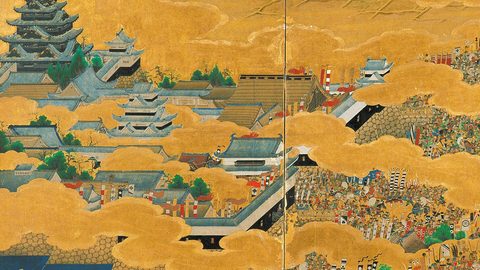
It is also bad for anyone who wants to visit Osaka Castle from a Namba base. The castle is in the northeast quadrant of the city, a 25-minute train ride away. The keep is a concrete reconstruction with an elevator inside. That distance is the price you pay for staying in the eating centre. The trade is simple: you swap walking distance to Osaka Castle for walking distance to Kuromon Market, Dotonbori, and the direct airport train. If the castle matters more, stay in Kyobashi or near Osaka Castle Park. If food and nightlife matter more, stay in Namba and treat the castle as a half-day trip.
One honest caveat before you book: Namba will not teach you anything about Japanese history, traditional architecture, or quiet contemplation. It will teach you what a city looks like when food and commerce are the only priorities. That is the point. Kyoto is 29 minutes away by JR Special Rapid from Osaka Station. You can spend your days in temples and your nights in Namba. Do not expect Namba itself to be anything other than what it is: loud, crowded, neon-lit, and exactly where most people want to be after dark.
Other areas in Osaka
Common Questions
How do I get from Kansai International Airport to Namba?
Take the Nankai Limited Express Rapi:t from KIX to Nankai Namba Station. The trip takes 34 to 38 minutes. A reserved seat costs ¥1,450. The train leaves every 30 minutes. No transfer required.
Is Namba too crowded to stay in?
Namba is crowded on Friday and Saturday nights from 19:00 to 22:00. Outside those hours, the crowds thin. If you want quiet, stay in Umeda or a residential ward. If you want to walk out of your hotel into the middle of it, stay in Namba.
What time should I visit Kuromon Market?
Arrive by 09:00. The market opens around 09:00, and tour groups start arriving at 10:30. The 90-minute window between those times is when you can walk freely and get served without a queue.
Can I use the same train ticket for all Namba stations?
No. Each of the four Namba stations belongs to a different railway company. An Osaka Metro subway pass covers only the Metro Namba station. The Nankai, Kintetsu/Hanshin, and JR stations each require separate tickets. An ICOCA card works across all of them.
Read next
-
 Osaka Hotels, Sorted by Price Band and Property Type Not Neighbourhood
Osaka hotels sorted by budget and type, business towers, luxury high-rises and the few ryokan, with the trade-off each choice demands.
Osaka Hotels, Sorted by Price Band and Property Type Not Neighbourhood
Osaka hotels sorted by budget and type, business towers, luxury high-rises and the few ryokan, with the trade-off each choice demands.
-
 Where to Stay in Osaka, Pick the District That Matches Your Nights
Osaka's districts switch character after sunset. Pick where to stay based on whether you want street food chaos, standing-bar crawls or a quiet lane.
Where to Stay in Osaka, Pick the District That Matches Your Nights
Osaka's districts switch character after sunset. Pick where to stay based on whether you want street food chaos, standing-bar crawls or a quiet lane.
-
 Osaka Flights Which Airport to Choose and When to Book
KIX or Itami? Which Osaka airport to fly into, when flight prices spike during cherry blossom and November, and the booking windows that matter.
Osaka Flights Which Airport to Choose and When to Book
KIX or Itami? Which Osaka airport to fly into, when flight prices spike during cherry blossom and November, and the booking windows that matter.
-
 Osaka Things to Do, What Earns a Slot in Two Full Days
Osaka is not a monument city. This page ranks what earns a slot in two full days, from Dotonbori's neon to Shinsekai's retro grit.
Osaka Things to Do, What Earns a Slot in Two Full Days
Osaka is not a monument city. This page ranks what earns a slot in two full days, from Dotonbori's neon to Shinsekai's retro grit.
-
 Best Time to Visit Osaka, Month by Month and the Trade Off Each One Asks
-
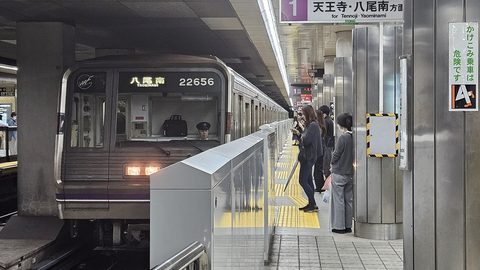 Getting Around Osaka, The Subway, the Private Railways and the Umeda Maze
Osaka's transit is fast but fractured. The Umeda station maze, private railway tickets and the ICOCA card explained before you go.
Getting Around Osaka, The Subway, the Private Railways and the Umeda Maze
Osaka's transit is fast but fractured. The Umeda station maze, private railway tickets and the ICOCA card explained before you go.
-
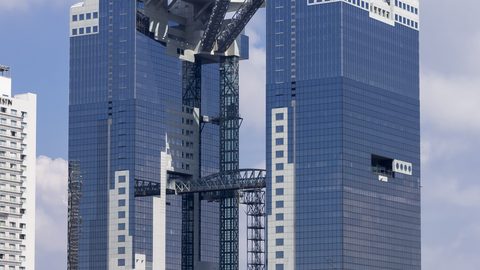 Umeda
How to navigate Umeda's multi-station maze in Osaka's Kita district: which exits to use, where to meet someone, and why the department stores are your best landmark.
Umeda
How to navigate Umeda's multi-station maze in Osaka's Kita district: which exits to use, where to meet someone, and why the department stores are your best landmark.
-
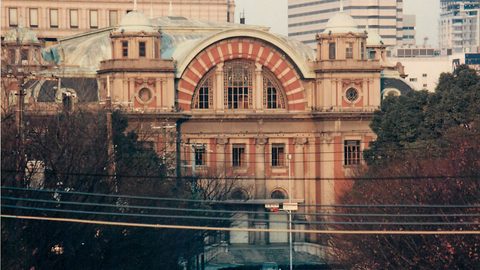 Nakanoshima
 is Osaka's museum island, a riverside strip of civic galleries, rose gardens and the quietest central walk in the city.
Nakanoshima
Nakanoshima is Osaka's museum island, a riverside strip of civic galleries, rose gardens and the quietest central walk in the city.
-
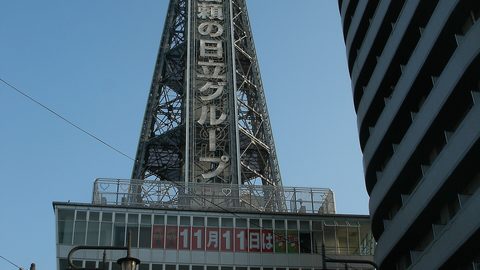 Shinsekai
 is Osaka's 1912 future district, home to kushikatsu alleys, Tsutenkaku tower and an unpolished Showa-era atmosphere that rewards the right visitor.
Shinsekai
Shinsekai is Osaka's 1912 future district, home to kushikatsu alleys, Tsutenkaku tower and an unpolished Showa-era atmosphere that rewards the right visitor.