Osaka Itineraries: One Day to Five, Built Around Food and Neighbourhoods
Osaka itineraries for 1, 2, 3 and 5 days built around food, neighbourhoods and honest pacing, not a checklist of every sight in the city.
The Mistake Most Visitors Make in Osaka
The single biggest error is treating Osaka as a checklist. A morning at Osaka Castle, a photo at the Glico sign, an afternoon in a shopping arcade, dinner in Dotonbori. That sequence fills a day and leaves you wondering why everyone called this place a food city. The problem is the gap between what Osaka offers and what one day can hold. Osaka is not a layered museum city like Kyoto. It is a collection of distinct neighbourhoods separated by wide rivers and concrete, each with a different eating and drinking culture. A day built on transit between landmarks is a day spent in stations. A day built around eating in one district until you are full, then moving to the next for the same thing, is an Osaka day.
Why These Itineraries Stop Before You Are Done
These sequences are deliberately incomplete. They do not try to fit Universal Studios Japan, Kaiyukan, Sumiyoshi Taisha and a day trip to Kyoto into two days. That would produce a schedule of queues and transit connections, not a trip. Each itinerary has a different pace. The one day plan is a fast introduction: Kita in the morning, Minami in the afternoon, a Dotonbori dinner. It is honest about what it leaves out. Two days is the minimum investment for a real opinion on Osaka: one day in Kita (Umeda) and one day in Minami (Namba and Shinsekai), each ending in a food crawl. The three day plan adds a Kyoto day trip, because three days in Osaka without leaving for a morning in Higashiyama is a missed Kansai opportunity. The five day plan turns Osaka into your base camp for Nara and the bay area, with a day for Universal or the aquarium.
Skip the version where you try to do all of it in three days. Choose the length that matches your ambition, and accept the omissions.

Before You Go: the Friction Points
Umeda Is Six Stations, Not One
Osaka is raw. It is louder than Tokyo, less polished, and the famous friendliness does not survive the morning crush on the Midosuji Line. The streets are not compact. Umeda is a disaster of six separate terminals under different names: JR Osaka, Hankyu Umeda, Hanshin Umeda, subway Umeda, Higashi-Umeda, Nishi-Umeda. They are not interchangeable. If someone says "meet at Umeda", pick a specific department store exit, not a line name. The single best transit decision you can make is buying an ICOCA card before your first trip, because each private railway uses its own ticket system and a subway pass covers exactly none of them.
Cash, Connectivity and Where Not to Sleep
Carry cash. Shinsekai kushikatsu joints and standing bars are cash only. The Osaka Free Wi-Fi network forces re-registration every thirty minutes. Book a pocket Wi-Fi or eSIM before you leave home; Google Maps handles the transit tangle well but it sometimes routes you through JR when a private line is faster. Check the operator name on the result, not just the ETA.
Do not stay near Shin-Osaka. It looks convenient because the Shinkansen stops there, but the area is a sterile business district with almost no nightlife and few walkable food streets. The daily commute to Namba eats forty minutes round trip. Stay in Namba, Shinsaibashi or Umeda.
- Minimum Days: 2 full days: one for Kita, one for Minami
- Peak Season: Late March to early April (cherry blossoms) and November (autumn foliage)
- Avoid Window: Golden Week (late April to early May) and 24-25 July (Tenjin Matsuri)
- From KIX: Nankai Rapi:t to Namba (34 min, ¥1,450) or JR Haruka to Tennoji (35 min, ¥2,400)
- From ITM: Osaka Monorail to Hotarugaike then Hankyu Takazuka Line to Umeda (30 min, ¥500)
- Kita to Minami: Midosuji Subway Line: Umeda to Shinsaibashi (8 min, ¥190) or Namba (10 min)
- Cash Needed: At least ¥5,000 in notes; Shinsekai and small stands often cash only
- IC Card: ICOCA covers all operators; buy at any station ticket machine
| Days | Theme | Key Areas Visited | What Is Deliberately Omitted |
|---|---|---|---|
| 1 Day | Kita + Minami Highlights | Osaka Castle, Museum of History, Kuromon Market, Dotonbori, Shinsaibashi | Umeda, Shinsekai, USJ, Kaiyukan, day trips |
| 2 Days | Kita Then Minami With A Shinsekai Evening | Umeda Sky Building, Grand Front Osaka, Shinsekai, Tsutenkaku, Dotonbori revisit | USJ, Kaiyukan, Sumiyoshi Taisha, day trips |
| 3 Days | Day 3: Kyoto Day Trip | Fushimi Inari, Kiyomizudera, Ginkakuji, Philosopher's Path | Arashiyama, Kinkakuji, Nijo Castle, Gion evening |
| 5 Days | Kansai Base Camp | Day 1-2 core, Day 3 Kyoto, Day 4 Nara, Day 5 Bay Area (USJ or Kaiyukan) | Himeji, Koyasan, Arima Onsen, Minoh (use day-trip page instead) |
Day One: One Day, Two Halves
Morning: Castle and Park
Start at 08:30. Skip the queue at Osaka Castle main keep, which opens at 09:00 and closes at 17:00 with last entry at 16:30. The keep is a concrete reconstruction with a museum inside. The view from the top is good. The park surrounding it is better. Budget two hours total. Adjacent to the castle grounds is the Osaka Museum of History, open from 09:30. It is worth the ¥600 admission only if you want the vertical perspective on how the city changed from above; the museum is closed Tuesdays and 28 December to 4 January. If that is your travel day, skip it and walk the park longer.
Midday: Kuromon and the Canal
By 11:30, head to Kuromon Ichiba Market. It opens roughly 09:00 to 18:00, but many stalls close by 17:00 and some shut Sunday or Wednesday. Eat a wandering lunch: grilled scallop, a skewer of tuna cheek, tamagoyaki from a stand that makes it in front of you. Do not sit down. This is grazing territory.
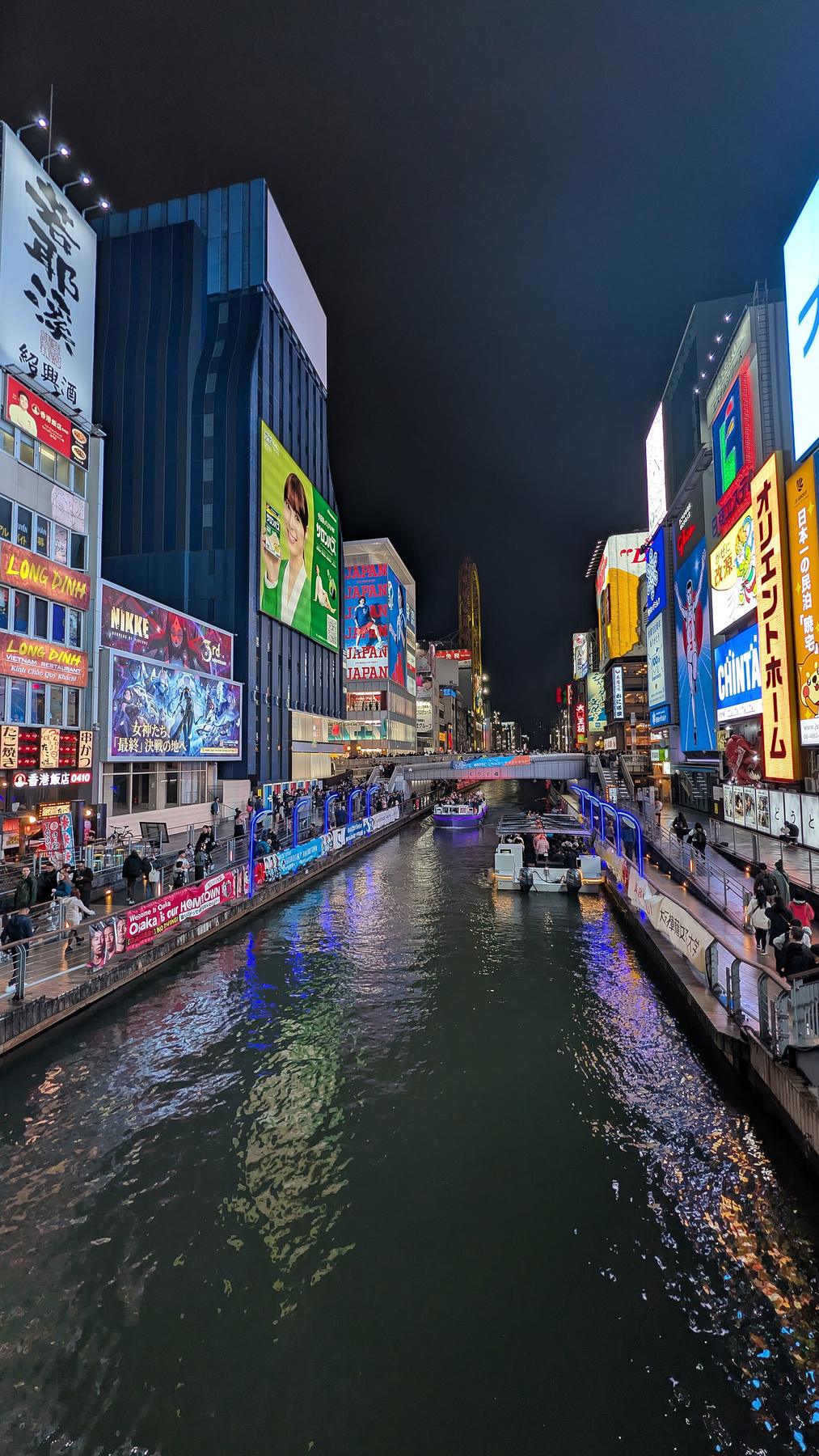
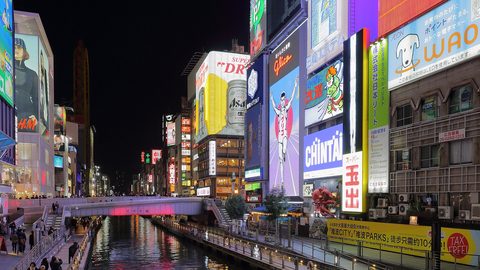
From Kuromon, walk south to the Dotonbori canal. You want to see it in afternoon light and again in neon. The Glico sign is a twenty second photo stop. The real draw is the side streets. Find your way into Hozenji Yokocho, the narrow lane around a moss covered temple where the atmosphere is quieter and the okonomiyaki is better than anything on the main drag. Dinner is in Dotonbori. Mizuno for okonomiyaki, Wanaka for takoyaki, Osaka Ohsho for jumbo gyoza. Eat in a sequence, not a single sitting.
What you did not do: Umeda, Shinsekai, Universal Studios Japan, Kaiyukan, Sumiyoshi Taisha, any day trip. A single day cannot do both Kita and Minami with any depth.
Day Two: Kita on Purpose, Minami Revisited
Kita Morning: Sky Building and Underground Cities
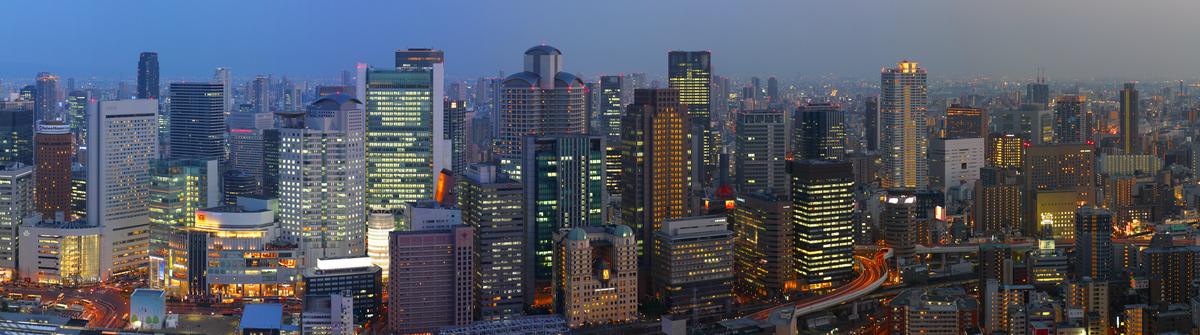
Start at 09:00 in Kita, the north side. Your morning anchor is the Umeda Sky Building and its Kuchu Teien Observatory, open daily from 09:30 to 22:30. The open air escalator ride up is the spectacle. The view at the top gives you the geometry of the city: flat, river cut, sprawling. Admission is ¥1,500. It is worth exactly that, not more. Buy a ticket, go up, be done in 45 minutes.
Walk east through the underground shopping maze to Grand Front Osaka, which opens at 10:00 for shops and 11:00 for restaurants. This is your lunch base. Go underground for kaiten sushi or ikayaki at Hanadako, the whole pressed squid pancake that works better as a snack than a meal. The underground cities (Whity Umeda, Diamor Osaka) are worth spending an hour in just to understand how Osaka routes its pedestrians through retail tunnels instead of sidewalks.
Afternoon is for Osaka Station City, the JR complex itself, and the Hankyu Umeda Main Store. The Hankyu department store food hall, open until 20:00, is worth a visit even if you buy nothing: seasonal displays are a free museum of Japanese food culture.
Minami Evening: Shinsekai and a Second Pass
By 17:00, ride the Midosuji Line south to Shinsekai. The district is retro gritty, Showa era nostalgia with a kushikatsu joint on every corner. Strict rule: one dip only. The sauce pot at your table is communal. Tsutenkaku Tower opens at 10:00 and closes at 20:00, with last entry at 19:30. The tower is a ¥900 local landmark, not a serious observation deck. Skip the top if the queue is long and spend the money on an extra round of skewers instead. Dinner is in Shinsekai. Kushikatsu at any of the standing bars on the main alley. Walk back toward Dotonbori for an evening second pass at the canal, which looks different on a full stomach.
Day Three: Kyoto in a Day
Fushimi Inari Before the Crowds
Leave Osaka at 07:30. Take the JR Special Rapid from Osaka Station to Kyoto Station, 29 minutes, ¥580. From Kyoto Station, go two stops on the JR Nara Line to Inari Station. Fushimi Inari Taisha is open 24 hours but arrive at 08:30. The first half hour of the thousand gate path is crowded, but it clears as you climb. Budget two hours. Do not try to reach the summit. Turn around when you have the view, not the distance.
Higashiyama: Kiyomizudera and the Philosopher's Path
From Inari, take the train back to Kyoto Station and the bus to Kiyomizudera, which opens at 06:00 and closes at 18:00. Admission is ¥400. The wooden stage is the draw. The hillside setting of the temple matters more than the interior. Lunch is in the Higashiyama district on Sannenzaka or Ninenzaka, the preserved slope streets. Skip the crepe stands. Eat soba or a set meal at a place that looks too simple.
Afternoon: bus to Ginkakuji, the Silver Pavilion, open 08:30 to 17:00 (09:00 to 16:30 December to February). ¥500. Walk south from the temple along the Philosopher's Path, roughly two kilometres. Takes about 30 minutes at a stroll. End near Nanzenji, then bus back to Kyoto Station. Depart Kyoto between 17:00 and 18:00. Dinner back in Osaka, either at Osaka Station City or in Umeda.
What is omitted from Kyoto: Arashiyama, Kinkakuji, Nijo Castle, Gion evening. A single day forces you to choose the Higashiyama corridor. Western Kyoto is a separate trip. What is omitted from Osaka: USJ, Kaiyukan, Sumiyoshi Taisha, Nara. The day is spent in Kyoto.

Day Four: Nara, the Deer and the Daibutsu
Leave Osaka Namba at 08:00 on the Kintetsu Nara Line. The rapid express takes 39 minutes and costs ¥680. This is faster and cheaper than the JR alternative, and it drops you closer to the park.
Walk five minutes to Kofukuji, whose grounds are open all day. Its National Treasure Hall opens at 09:00 and closes at 17:00, ¥700, last entry at 16:30. The five story pagoda is the photo. The hall is secondary. From Kofukuji, walk to Todaiji and the Daibutsuden, the great Buddha hall. It opens at 07:30 (08:00 November to March) and closes at 17:30 (17:00 November to March). ¥600. This is the main event. The scale of the hall and the statue is the reason Nara is not just a day trip but a necessary one. Budget an hour inside.
Lunch is in Naramachi, the former merchant district, or near Kintetsu Nara Station. Afternoon is Nara Park. The deer are aggressive and they bow. Buy shika senbei from a vendor, feed them, then move on. Kasuga Taisha opens at 06:30 (06:00 April to September) and closes at 17:30 (18:00 April to September). The inner area costs ¥500. The lantern path is the draw. Walk through Naramachi on the way back to the station.
Depart Nara between 17:00 and 18:00. Dinner back in Namba or Dotonbori. Omitted from Nara: Horyuji, Yakushiji, Toshodaiji. Those outlying temples require bus transit beyond the central compact zone. A day trip from Osaka does not have time for them.
Day Five: Bay Area or a Second Pass
Option A: Universal Studios Japan
Day five has two competing options. Choose one before breakfast.
Option A is Universal Studios Japan. Entry times vary daily, typically 08:30 or 09:00, closing 19:00 to 21:00. You need a pre purchased timed entry ticket. Super Nintendo World requires either a free area timed entry or an Express Pass, both of which sell out in advance. A 1-day studio pass starts around ¥8,600, and that is a floor; peak days run higher. The published pricing is set by the USJ website and changes by season. USJ is a minimum six to eight hour commitment. If you choose this, you do nothing else that day. No Kaiyukan, no Sumiyoshi Taisha, no Minoo Park.
Option B: Kaiyukan and the Flex Afternoon
Option B is Kaiyukan, the Osaka Aquarium. It opens at 10:00 (09:30 some days) and closes at 20:00. Admission is ¥2,700 for adults, ¥1,400 for ages 7-15, ¥700 for ages 4-6. The whale shark centrepiece is the draw. Budget 2.5 to 3 hours inside. After the aquarium, walk next door to the Tempozan Ferris Wheel, open 10:00 to 22:00 (last entry 21:30), ¥800. The wheel gives a good bay view. By 14:00 you are free. Use the remaining afternoon for departure logistics, or for a return to Dotonbori for the food you missed. This is the flex day.
If you chose Kaiyukan, you skipped USJ, Sumiyoshi Taisha and Minoo Park. If you have energy after the wheel, walk the Tempozan area and catch the Chuo Line subway from Osakako back to the city centre.
One Honest Caveat
These itineraries are realistic only if you accept that you will miss things. The five day plan still skips Himeji, Koyasan, Arima Onsen and Minoh. The three day plan skips two thirds of Kyoto. That is not a failure of planning. It is the consequence of Osaka being a city that rewards depth over breadth. A sequence built around food and neighbourhoods means you spend hours in a single district eating your way through it, not hours in transit connecting far apart landmarks. If your instinct is to maximise coverage, these plans will feel slow. If your instinct is to taste the city, they will feel exactly right.
Common Questions
Is Osaka Castle worth entering?
No, not as a must do morning. The main keep is a concrete reconstruction built in 1931 with a museum inside. The park grounds and the view from the top are pleasant, but the admission is ¥600 and the queue can cost 30 minutes. Go if you have spare time after visiting the Museum of History. Otherwise, walk the park for free and spend the entry fee on okonomiyaki. Osaka Castle is not a required stop, whatever the guidebooks imply.
Which district should I stay in?
Namba or Shinsaibashi for first timers. These put you on foot in Minami, the tourist gravity well, within minutes of Dotonbori, Kuromon Market and two major railway terminals (Nankai and Kintetsu). Umeda works if you prefer a quieter night with direct airport transit. Avoid Shin-Osaka entirely. It is a Shinkansen stop with almost no nightlife or walkable food streets, and the daily commute to Namba eats 40 minutes round trip.
How do I handle the multiple stations called Umeda?
Choose a single department store exit as your meeting point. JR Osaka Station, Hankyu Umeda, Hanshin Umeda, subway Umeda, Higashi Umeda and Nishi Umeda are separate terminals stacked across three dimensions. They are not connected by a single concourse. If you tell someone "meet at Umeda", give them a specific landmark: the JR Central Gate, the Hankyu department store clock, or the Lucua shopping centre entrance. A line name is useless.
Should I use the Osaka Amazing Pass?
Probably not. The pass bundles entry to Osaka Castle, Umeda Sky Building, Tsutenkaku, and many smaller attractions plus unlimited subway rides. If you plan to visit all three paid observatories in one day, it breaks even. But these itineraries deliberately skip the full attraction checklist. A pass forces you into a sightseeing rhythm that works against the food-first, neighbourhood focused sequence recommended here. Buy individual tickets for the one or two things you actually want, and spend the rest on eating.
Can I add a day trip to Himeji or Koyasan?
Yes, but only if you have five days or more. Himeji is 63 minutes one way on the JR Special Rapid from Osaka Station, ¥1,520. The castle is Japan's finest original, but the round trip is over two hours of transit. Koyasan is 90 minutes plus a cable car from Namba, ¥1,680. Both require a full day and a morning start before 08:00. If you have three days, add Kyoto. If you have five, use the day trip page on this site for detailed Himeji and Koyasan itineraries. Nara and Kyoto are the two most time efficient day trips from Osaka.
Read next
-
 Osaka Hotels, Sorted by Price Band and Property Type Not Neighbourhood
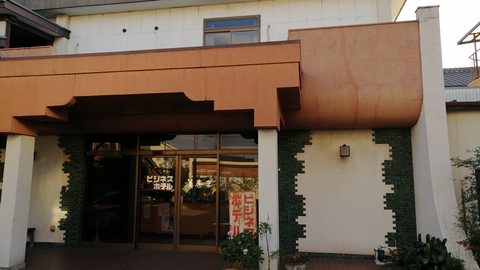
Osaka hotels sorted by budget and type, business towers, luxury high-rises and the few ryokan, with the trade-off each choice demands.
Osaka Hotels, Sorted by Price Band and Property Type Not Neighbourhood
Osaka hotels sorted by budget and type, business towers, luxury high-rises and the few ryokan, with the trade-off each choice demands.
-
 Where to Stay in Osaka, Pick the District That Matches Your Nights
Osaka's districts switch character after sunset. Pick where to stay based on whether you want street food chaos, standing-bar crawls or a quiet lane.
Where to Stay in Osaka, Pick the District That Matches Your Nights
Osaka's districts switch character after sunset. Pick where to stay based on whether you want street food chaos, standing-bar crawls or a quiet lane.
-
 Osaka Flights Which Airport to Choose and When to Book
KIX or Itami? Which Osaka airport to fly into, when flight prices spike during cherry blossom and November, and the booking windows that matter.
Osaka Flights Which Airport to Choose and When to Book
KIX or Itami? Which Osaka airport to fly into, when flight prices spike during cherry blossom and November, and the booking windows that matter.
-
 Osaka Things to Do, What Earns a Slot in Two Full Days
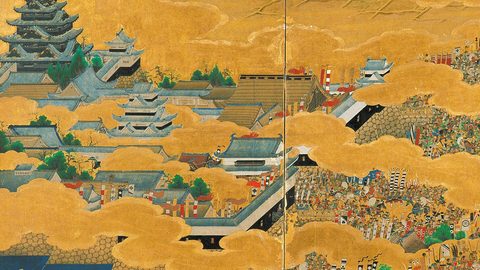
Osaka is not a monument city. This page ranks what earns a slot in two full days, from Dotonbori's neon to Shinsekai's retro grit.
Osaka Things to Do, What Earns a Slot in Two Full Days
Osaka is not a monument city. This page ranks what earns a slot in two full days, from Dotonbori's neon to Shinsekai's retro grit.
-
 Best Time to Visit Osaka, Month by Month and the Trade Off Each One Asks
-
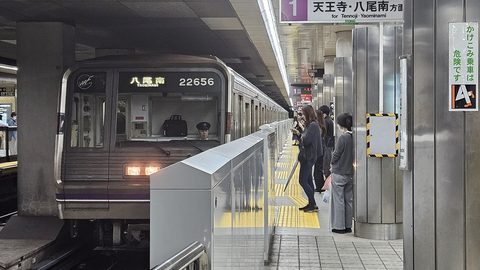 Getting Around Osaka, The Subway, the Private Railways and the Umeda Maze
Osaka's transit is fast but fractured. The Umeda station maze, private railway tickets and the ICOCA card explained before you go.
Getting Around Osaka, The Subway, the Private Railways and the Umeda Maze
Osaka's transit is fast but fractured. The Umeda station maze, private railway tickets and the ICOCA card explained before you go.
-
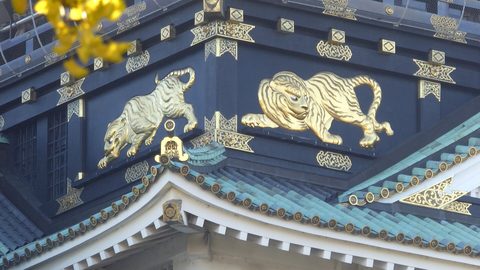 Osaka Castle
's park and moat walks outshine the concrete-reconstructed keep, which houses a museum and observation deck rather than original interiors.
Osaka Castle
Osaka Castle's park and moat walks outshine the concrete-reconstructed keep, which houses a museum and observation deck rather than original interiors.
-
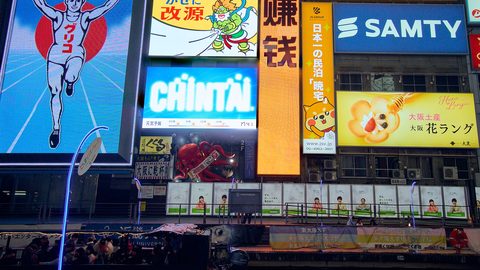 Dotonbori
 is Osaka's neon-lit eating canal, best used as a full-evening food and bar crawl rather than a quick Glico Sign photo stop.
Dotonbori
Dotonbori is Osaka's neon-lit eating canal, best used as a full-evening food and bar crawl rather than a quick Glico Sign photo stop.
-
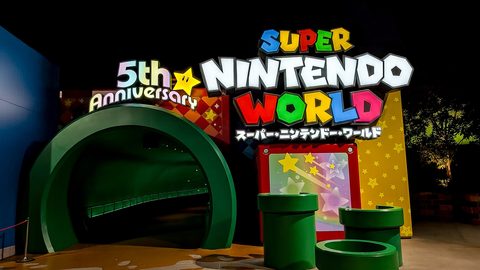 Universal Studios Japan
 demands a full day and a pre-purchased timed-entry ticket; here is whether USJ is worth it and how the ticketing actually works.
Universal Studios Japan
Universal Studios Japan demands a full day and a pre-purchased timed-entry ticket; here is whether USJ is worth it and how the ticketing actually works.