Tennoji: Abeno Harukas, Japan's Oldest Temple and Osaka's Budget Bed Zone
Tennoji pairs Abeno Harukas and Japan's oldest temple Shitennoji with Osaka's cheapest central beds, a value base with a blue-collar edge south of Namba.
- Flag
-
- ISO code
- JP
- Currency
- JPY
- Timezone
- Asia/Tokyo
Tennoji: Abeno Harukas, Japan’s Oldest Temple and Osaka’s Budget Bed Zone
At 08:30 on a Tuesday the plaza west of Tennoji is a shuffle of commuters and the faint smell of grilled sauce from a kushikatsu stand already firing oil. Teenagers cluster by the Midosuji Line entrance. A man in coveralls eats a rice ball on a concrete bench. This is not the polished floor of Umeda or the neon crush of Dotonbori. It is Osaka's southern transport hub, and it has the cheapest central beds in the city. You are here because you want the two landmarks that justify a detour, a direct line to KIX and Nara, and a bed that leaves budget for the food crawl. The trade-off is a grittier neighbourhood feel and a short subway ride to Minami. That trade-off is the point.
Abeno Harukas: Japan’s Tallest Building for Less Than Full Price
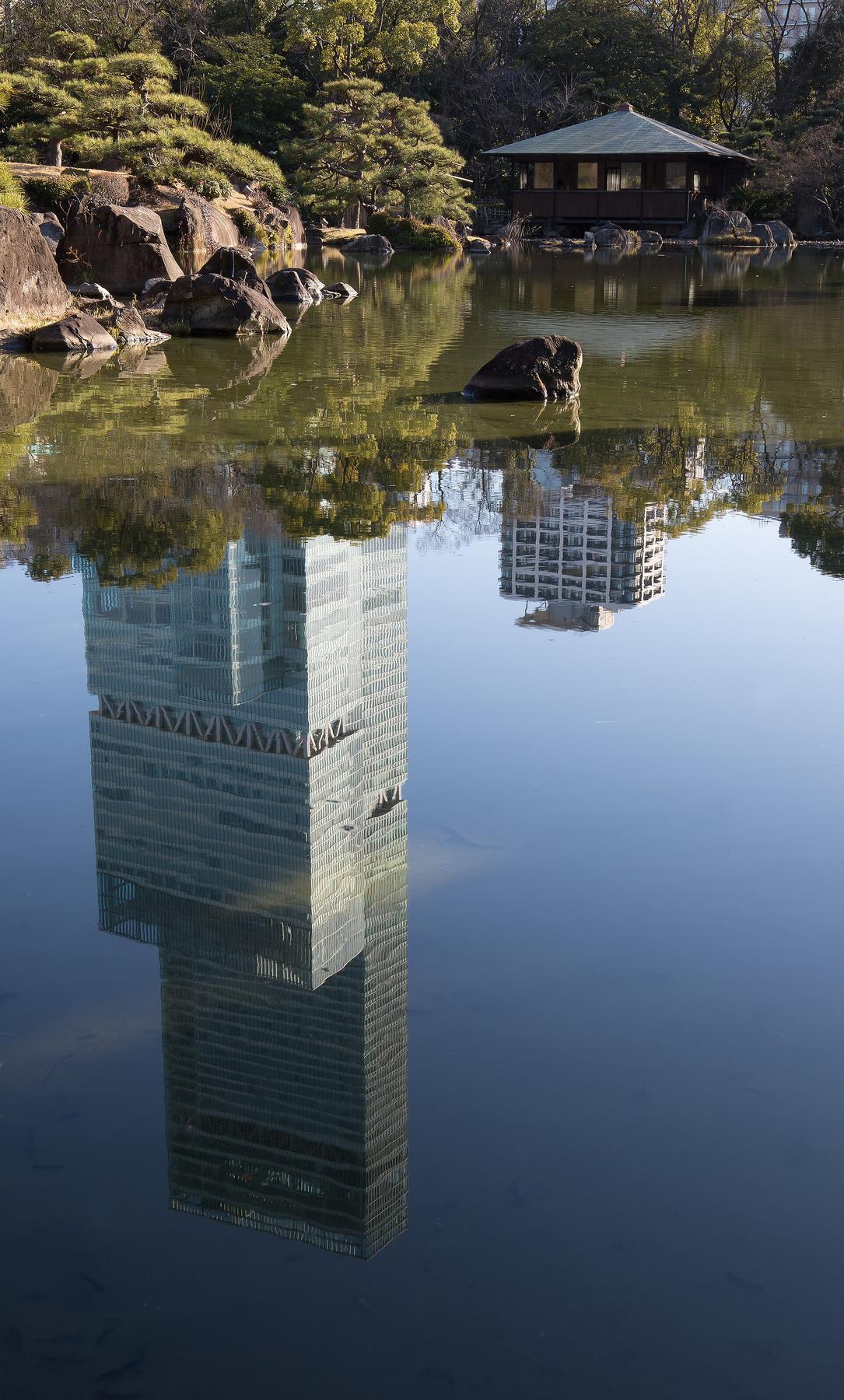
Walk east from Tennoji, under the elevated tracks, and the tower is impossible to miss. Abeno Harukas is 300 metres and 60 floors, and until 2023 it was the tallest building in Japan. The observatory is called Harukas 300, spread across floors 58 to 60.
Book Online, Save ¥300
The door price is ¥1,500. Buy an advance ticket online and the price drops by ¥300. Do this the day before you go. There is no hard-to-get time slot; the value is simply the discount. Arrive at 09:00 when the observatory opens and you share the view with maybe a dozen other people. By 11:00 the school groups and selfie sticks arrive.
What Else Is in the Building
Below the observatory sit the Osaka Marriott Miyako Hotel (19F, 38-55F, 57F) and the Abeno Harukas Art Museum (16F). The Kintetsu Department Store Main Store fills B2 through 14F, with a food market on the basement level and restaurant floors at 12-14 and 57. On a budget, the basement market is where you buy a bento and eat it in Tennoji Park across the street. The 16F museum rotates exhibits and costs extra. Check what is showing before you go; skip it if the subject does not interest you.
The View Is Worth It. The Building Itself Is Modern Concrete.
Harukas is a 2014 tower with a glass elevator and a wide-angle observation deck. It is not a historic landmark. It is a very tall building with a very good view of the Osaka plain, the bay, and on clear days the mountains of Awaji Island. Go up once, take the photo, move on. The budget hostel across the street costs less than the observatory ticket.

Shitennoji: Japan’s Oldest Official Temple, Low Key and Low Cost
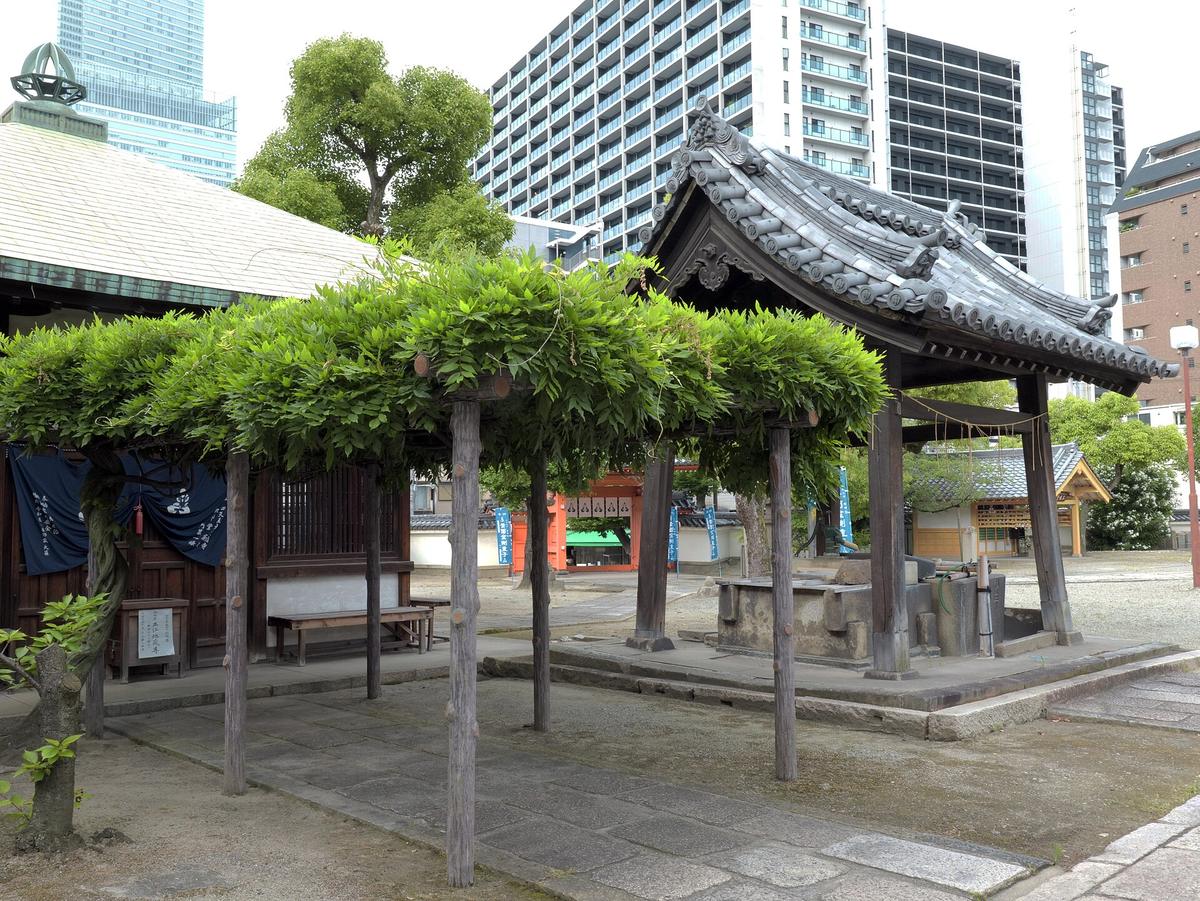
Fifteen minutes on foot south from Abeno Harukas, Shitennoji sits on flat ground behind a stone gate. Prince Shotoku founded it in 593, making it the oldest officially administered Buddhist temple in Japan. That fact alone pulls visitors. The reality is a concrete reconstruction from 1963, rebuilt after the 1945 firebombing destroyed the originals. It lacks the wood grain and moss of Kyoto's temples. The grounds are open and free.
What You Pay For
The inner precinct charges ¥300 and includes the Gokuraku-jodo Garden and the treasure house. The garden is tidy. The treasure house is small. If you have seen one Japanese temple garden you have seen the mechanics of this one. The outer precinct, including the main hall and five-storey pagoda that follow the original garan layout, is free and takes fifteen minutes to walk. Pay the ¥300 only if you want to see the interior of the reconstructed buildings or if you are here on the 21st of the month.
The 21st Flea Market Is the Real Draw
On the 21st of every month Shitennoji holds a flea market on the approach paths, roughly 08:00 to 16:00. It sells antiques, second-hand kimono, kitchen knives and plastic toys. It is crowded, casual and entirely un-curated. A souvenir that does not come from a Dotonbori chain store lives here. Plan around that date if you can. On other days the temple is quiet, almost empty, and that is its appeal: you can sit on a bench under the trees and hear nothing worse than the occasional crow.
Tennoji Park and Zoo: Context, Not an Attraction to Plan Around
Between Shitennoji and the transport hub sits Tennoji Park, 28 hectares opened in 1909. It contains the Tennoji Zoo, an 11-hectare facility with roughly 180 species. Admission costs ¥500. It closes on Mondays (or Tuesday if Monday is a holiday). The park is a pleasant cut-through between the temple and the platforms. The zoo is a family destination with a respectable collection but no marine mammal show or giant panda that would justify a detour from Umeda Sky Building or Kaiyukan Aquarium. If you have children it is a cheap way to spend two hours. If you do not, walk the park path and keep moving.
Where to Sleep: the Budget Bed Zone and Its Reality
South and west of Tennoji, spilling into Shinsekai, the cluster of hostels and capsule hotels offers dormitory beds from ¥1,500 to ¥5,000 and private budget rooms from ¥3,000 to ¥8,000 per night. Those figures are the 2024-2025 market rate; check specific properties for each season. The reason for the low prices is straightforward: this district was hit by wartime firebombing, the land held low value for decades, and the pre-war and post-war low-rise buildings converted naturally into hostels. It is the cheapest central accommodation in Osaka.
The Trade-Off, Named
The immediate surroundings are less polished than Kita or Minami. You will see visible homelessness around Shinsekai and higher incidence of petty nuisance. The area is safe, but a solo woman walking home at 01:00 from a Namba bar will pass a drunk salaryman urinating on a wall and a pachinko parlour with its doors open at full volume. That is the trade-off. The bed costs half of what it costs in Umeda. The subway to Namba is 15 minutes. The Kansai Airport Rapid Service from Tennoji takes about 50 minutes and costs ¥1,080 unreserved. The Yamatoji Rapid Service to Nara takes 33 minutes and costs ¥510. You trade street-level polish for transport convenience and a cash surplus for dinner.
How to Pick Your Specific Street
Hostels on the Shinsekai side (west of the park) are cheaper and louder. Hostels on the east side, along Abenosuji Avenue, are slightly more expensive and quieter. Light sleeper? Pick the east side. Want to stumble home from a kushikatsu crawl without crossing a park in the dark? Pick the west side and accept the noise. Book direct with the property if the price matches; third-party sites add commission that cuts into your savings.
_Temple_hdsr_S10.jpg)
Getting Around from Tennoji
Tennoji bundles three rail networks and two subway lines. JR runs the Osaka Loop Line, the Yamatoji Line and the Hanwa Line. Kintetsu runs the Minami-Osaka Line from a separate platform. The Midosuji Line and Tanimachi Line subways serve the complex underground. The single biggest trip-up: the Kintetsu platforms are not the JR platforms are not the subway platforms. They connect via underground passages but the trains are not interchangeable. To reach Koyasan, for example, you walk to Osaka-Abenobashi adjacent to Tennoji, take the Kintetsu Minami-Osaka Line, transfer to the Kintetsu Koya Line, and ride the limited express to Gokurakubashi in roughly 100 minutes. Google Maps handles the operator names correctly. Check the operator label before you swipe your ICOCA card, because a subway pass does not cover Kintetsu trains. Carry ¥5,000 in cash for Shinsekai kushikatsu joints that take no cards.
What Tennoji is Bad at
Tennoji offers almost no nightlife of its own. Shinsekai has retro bars and kushikatsu alleys, but there is no equivalent of the dense bar blocks in Amerikamura or Kyobashi. A late-night standing bar crawl means the subway to Namba. The neighbourhood is also weak on sit-down lunch options above the fast-food level. The Kintetsu department store basement and the restaurants in Abeno Harukas fill the gap, but the streets around the hub are dominated by chain cafes and convenience stores. You do not stay in Tennoji for the food scene. You stay in Tennoji because you can eat well in Minami every night for what a Umeda hotel charges for one night.
Other areas in Osaka
Frequently Asked Questions
Is Tennoji safe at night?
Yes, but with visible homelessness and higher petty nuisance than Umeda or Namba. The area west of the park is rougher. Stick to well-lit main streets, carry cash in a front pocket, and you will be fine.
How do I get from KIX to Tennoji?
Take the JR Kansai Airport Rapid Service directly to Tennoji. It takes about 50 minutes and costs ¥1,080 unreserved. No transfers needed.
Is Shitennoji worth visiting if I have already seen Kyoto temples?
Only if you care about the historical fact that it is Japan's oldest official temple. The buildings are concrete reconstructions. The grounds are flat and plain. Skip it for the flea market on the 21st only.
Should I book Abeno Harukas tickets in advance?
Yes. An advance online ticket saves ¥300 off the ¥1,500 door price. Book the day before. There is no timed-entry pressure, just a discount for planning ahead.
Read next
-
 Osaka Hotels, Sorted by Price Band and Property Type Not Neighbourhood
Osaka hotels sorted by budget and type, business towers, luxury high-rises and the few ryokan, with the trade-off each choice demands.
Osaka Hotels, Sorted by Price Band and Property Type Not Neighbourhood
Osaka hotels sorted by budget and type, business towers, luxury high-rises and the few ryokan, with the trade-off each choice demands.
-
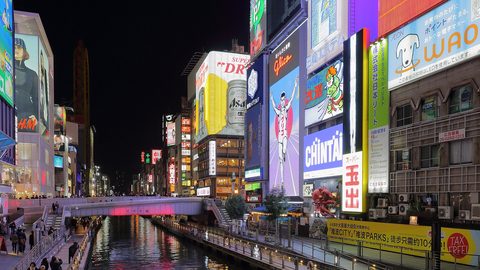 Where to Stay in Osaka, Pick the District That Matches Your Nights
Osaka's districts switch character after sunset. Pick where to stay based on whether you want street food chaos, standing-bar crawls or a quiet lane.
Where to Stay in Osaka, Pick the District That Matches Your Nights
Osaka's districts switch character after sunset. Pick where to stay based on whether you want street food chaos, standing-bar crawls or a quiet lane.
-
 Osaka Flights Which Airport to Choose and When to Book
KIX or Itami? Which Osaka airport to fly into, when flight prices spike during cherry blossom and November, and the booking windows that matter.
Osaka Flights Which Airport to Choose and When to Book
KIX or Itami? Which Osaka airport to fly into, when flight prices spike during cherry blossom and November, and the booking windows that matter.
-
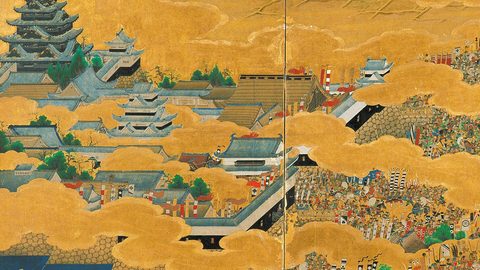 Osaka Things to Do, What Earns a Slot in Two Full Days
Osaka is not a monument city. This page ranks what earns a slot in two full days, from Dotonbori's neon to Shinsekai's retro grit.
Osaka Things to Do, What Earns a Slot in Two Full Days
Osaka is not a monument city. This page ranks what earns a slot in two full days, from Dotonbori's neon to Shinsekai's retro grit.
-
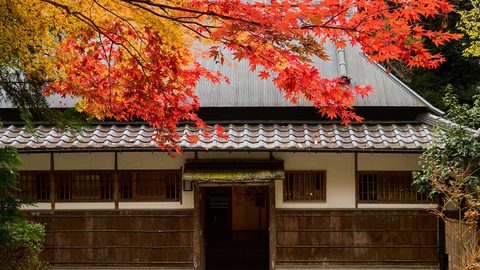 Best Time to Visit Osaka, Month by Month and the Trade Off Each One Asks
-
 Getting Around Osaka, The Subway, the Private Railways and the Umeda Maze
Osaka's transit is fast but fractured. The Umeda station maze, private railway tickets and the ICOCA card explained before you go.
Getting Around Osaka, The Subway, the Private Railways and the Umeda Maze
Osaka's transit is fast but fractured. The Umeda station maze, private railway tickets and the ICOCA card explained before you go.
-
 Umeda
How to navigate Umeda's multi-station maze in Osaka's Kita district: which exits to use, where to meet someone, and why the department stores are your best landmark.
Umeda
How to navigate Umeda's multi-station maze in Osaka's Kita district: which exits to use, where to meet someone, and why the department stores are your best landmark.
-
 Nakanoshima
 is Osaka's museum island, a riverside strip of civic galleries, rose gardens and the quietest central walk in the city.
Nakanoshima
Nakanoshima is Osaka's museum island, a riverside strip of civic galleries, rose gardens and the quietest central walk in the city.
-
 Shinsekai
 is Osaka's 1912 future district, home to kushikatsu alleys, Tsutenkaku tower and an unpolished Showa-era atmosphere that rewards the right visitor.
Shinsekai
Shinsekai is Osaka's 1912 future district, home to kushikatsu alleys, Tsutenkaku tower and an unpolished Showa-era atmosphere that rewards the right visitor.