How to Walk Through Osaka Aquarium Kaiyukan
Osaka Aquarium Kaiyukan is designed as a top-to-bottom spiral around a central Pacific tank, arrive at opening or late afternoon to avoid the 11am queue crush.

How to Walk Through Osaka Aquarium Kaiyukan
You step off the escalator on the eighth floor and the first thing you see is the surface of the Pacific Ocean tank, 5,400 cubic metres of water held behind 30 centimetres of acrylic. The building works on a single spiral ramp that takes you from that top deck all the way down to the bottom of the tank. That layout means one thing: you get one pass at every viewing level. You cannot double back. You cannot skip a crowded section and come back later. The route runs one-way, 1.2 kilometres long, past 15 main tanks. Arrive at the wrong hour and you spend that single pass shuffling behind a school group.
- Address: 1-1-10 Kaigan-dori, Minato-ku, Osaka
- Nearest Station: Osakako Station (Osaka Metro Chuo Line), Exit 1, 5-7 minute walk
- Standard Admission Adult (16+): ¥2,700 (subject to annual review; check Kaiyukan Company for current rates)
- Standard Admission Child (7-15): ¥1,400 (subject to annual review)
- Opening Hours: Typically 10:00-20:00 (last admission 19:00). Closes 21:00 during peak summer and holidays. Closed 2 days in January and 2 in February for maintenance.
- Visit Duration: 2 to 2.5 hours
- Osaka Kaiyu Ticket (Aquarium + 1 Day Subway/Bus): Adult ¥3,100, Child ¥1,550 (subject to annual review; check Osaka Metro)
When the Queue Hits and How to Beat it
The queue at Kaiyukan peaks at 11:00. By that hour a wall of visitors presses against the turnstiles and the spiral ramp inside is already shoulder-to-shoulder. Most people arrive after a late breakfast, and the aquarium pulls the same crowd that Universal Studios Japan draws in the morning, but without the timed-entry system that park uses to spread arrivals.
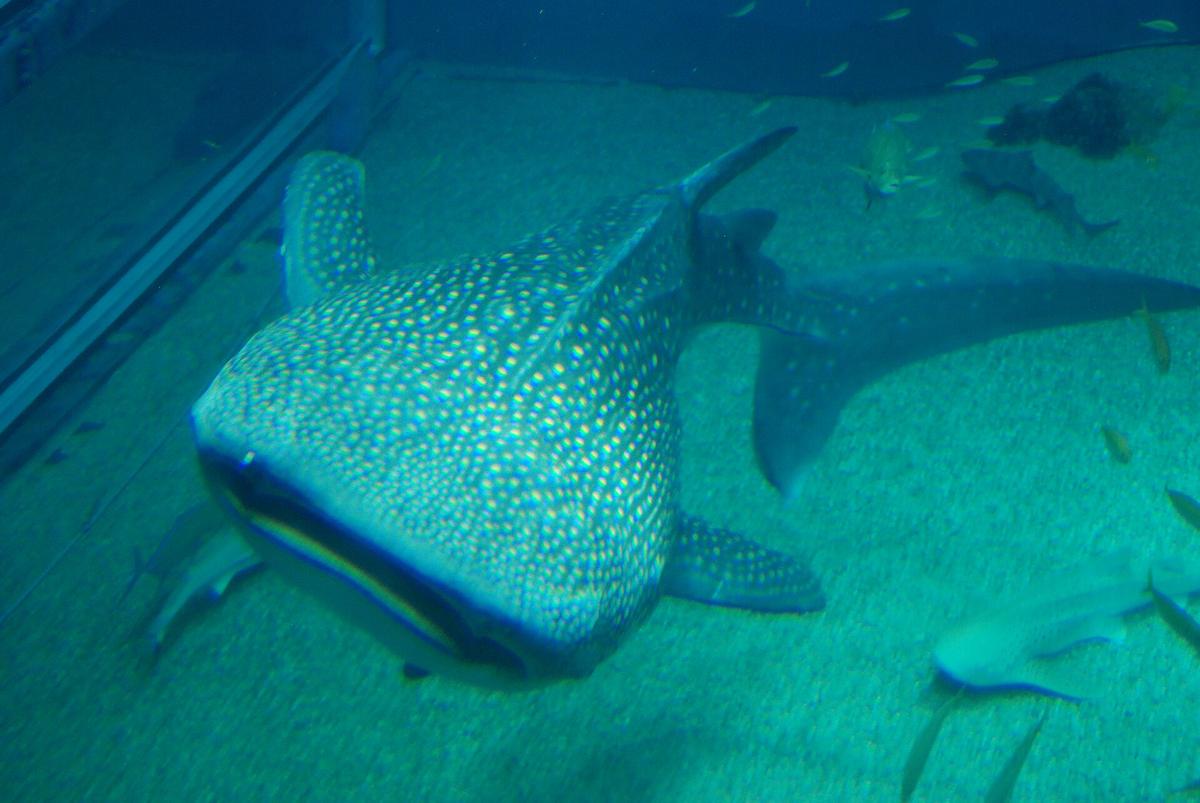
Arrive at 09:30, thirty minutes before opening. The ticket counters open early and the first escalator ride up to the eighth floor puts you into a nearly empty ramp. You see the whale sharks at the tank centre with no one blocking the glass. The two resident animals, a male named Kai-kun and a female Yu-chan, each roughly five to six metres long, circle the nine-metre-deep tank in a slow figure eight. At 09:45 you can stand at the ground-level viewing windows and watch them pass directly over your head without elbows in your ribs.
The alternative strategy is a late-afternoon arrival, 15:30 or later. The morning school groups clear out by 14:00 and the post-lunch wave dissipates by 15:00. You miss the absolute quiet of opening time but you also skip the 30 to 45 minute wait at the front gate that peaks between 11:00 and 13:00. Last admission is one hour before closing, and closing is 20:00 most of the year, 21:00 in summer. A 16:00 entry gives you two full hours with thinning crowds.
Weekday mornings outside school trip season are the quietest. Avoid weekends entirely if you can move your schedule. Avoid Golden Week, late July to August, and the first half of April. The school trip season runs May to June and September to October on weekdays, and those groups move through the ramp in columns that block every viewing window for five minutes at a time.
How the Spiral Route Works and What You See
The escalator takes you straight to the eighth floor, the Japan Forest zone. You step into a re-created mountain stream with Japanese giant salamanders. That is the only point where you choose a direction. From there the ramp drops you through the Aleutian Islands, where fur seals and Steller sea lions share a tank, then down into Monterey Bay with its towering kelp and schooling anchovies. The order is fixed: Gulf of Panama, Ecuador Rainforest, Antarctica, Tasman Sea, Great Barrier Reef. Each tank sits at a different elevation on the spiral, so the perspective changes as you descend.
The Pacific Ocean Tank
The central tank, the Pacific Ocean, is the core around which the entire ramp wraps. You see it from above at the eighth floor, then again halfway down, then again at the bottom where the acrylic tunnel lets you look up through nine metres of water. The whale sharks stay near the surface most of the morning, dropping deeper in the afternoon. Schools of skipjack tuna, rays and the occasional hammerhead fill the mid-water column. The visible face at the main viewing window is the single largest piece of acrylic in Japan at 30 centimetres thick.
What to Skip
The jellyfish area near the end of the route is dimly lit and hypnotic but the specimens are small and the displays are standard for any large aquarium. Spend the time at the Japan Trench tank instead, where the deep-sea isopods and spider crabs sit motionless on the sand. The gift shop near the exit is overpriced and identical to the online store. Buy nothing inside. The 4D theatre attached to the building runs a short animated film with seat effects. Skip it. The film is aimed at children under eight and the 15 minutes are better spent walking to the Tempozan Giant Ferris Wheel.
Booking, Tickets and the Mistake Most Visitors Make
Book the standard general admission ticket from the Kaiyukan website before you travel. Do not buy a third-party bundle that includes the Ferris wheel or Santa Maria cruise unless you were already planning to do both. The combo tickets save a small amount on the total but commit you to the adjacent attractions, and the Ferris wheel queue can be worse than the aquarium queue on weekends. If you want only the aquarium and the subway for the rest of the day, buy the Osaka Kaiyu Ticket. It covers the admission plus unlimited Osaka Metro and city bus rides for one day. At ¥3,100 for an adult (subject to annual review, check Osaka Metro) it pays for itself if you take more than one train trip after the aquarium.
The mistake most visitors make is buying a ticket at the counter on arrival. That costs you the same money but adds a queue. A second mistake is treating the aquarium as a half-day activity and then trying to walk to Universal Studios Japan afterwards. The shortest route is the Captain Line ferry from Kaiyukan West Pier to Universal City Port, 10 minutes and ¥900 one way, or the train via Bentencho for ¥390. Combining both in one day is a scheduling error. Each deserves its own morning. Pick one.
What to Do After
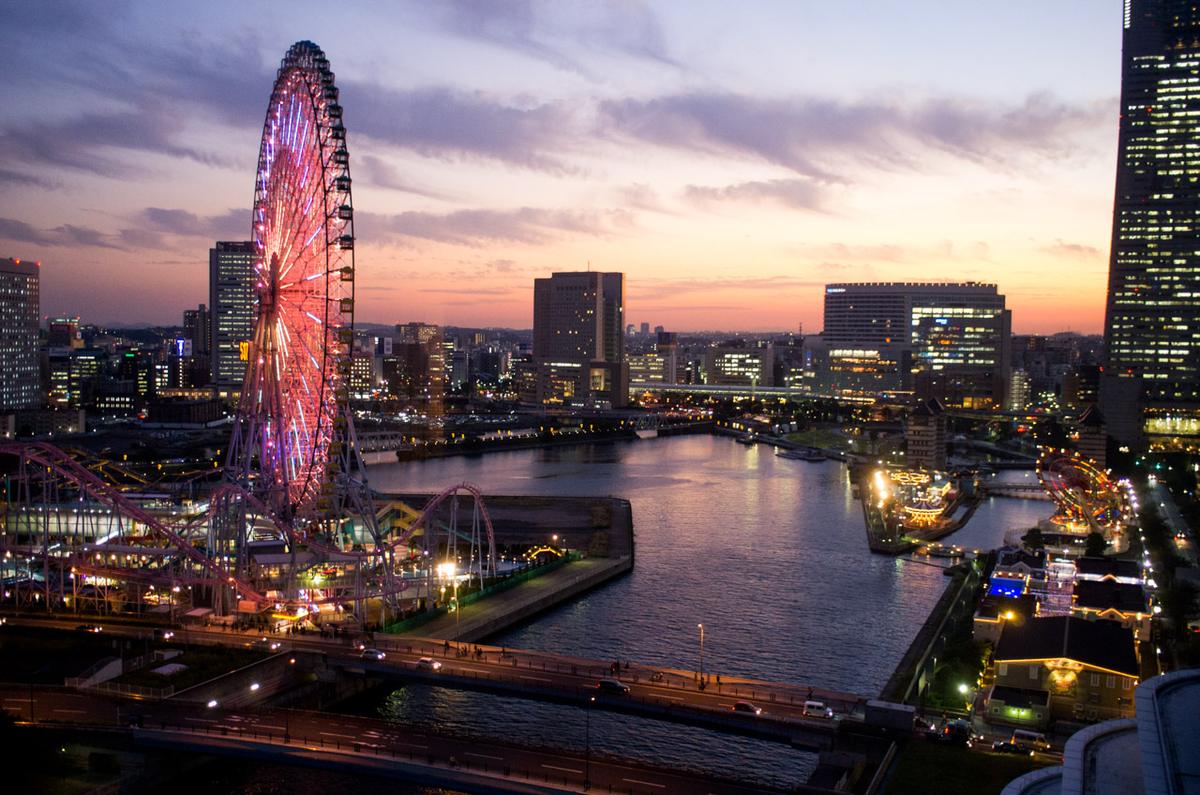
The Bay Area around Kaiyukan has three things worth your time: the Tempozan Marketplace for a quick lunch, the Santa Maria cruise if you want an hour on the water, and the Tempozan Giant Ferris Wheel. That is all. The area is reclaimed land with no neighbourhood feel. Eat at the market food court or the conveyor-belt sushi on the second floor, then take the Chuo Line back to Hommachi and transfer to the Midosuji Line for Namba or Umeda. The evening is better spent in Dotonbori or Shinsekai than on the artificial island.

Common Questions
What is the best time of day to visit Osaka Aquarium Kaiyukan?
Arrive at 09:30, 30 minutes before opening, or enter at 15:30 or later. The queue peaks at 11:00 and the ramp is crowded until 14:00.
How long does the full walkthrough take?
Plan 2 to 2.5 hours. The spiral route is 1.2 kilometres long. Rushing it in under 90 minutes means you skip the best viewing angles at the lower levels of the Pacific tank.
Can I leave and re-enter the aquarium?
No. The one-way spiral route means no re-entry. You see each tank exactly once. Use the restroom and buy drinks before you enter.
Is the aquarium worth it for someone who has seen a large aquarium before?
Only if the whale shark matters to you. The 5,400 cubic metre Pacific tank is impressive, but the route is short and the exhibits are conventional. Skip it if you have been to the Georgia Aquarium or the Okinawa Churaumi Aquarium.
Read next
-
 Osaka Hotels, Sorted by Price Band and Property Type Not Neighbourhood
Osaka hotels sorted by budget and type, business towers, luxury high-rises and the few ryokan, with the trade-off each choice demands.
-
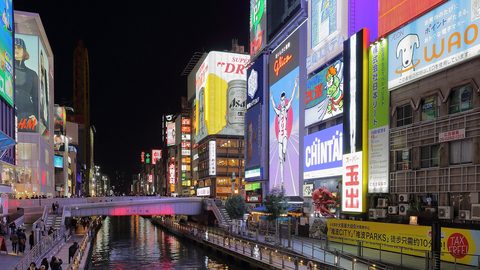 Where to Stay in Osaka, Pick the District That Matches Your Nights
Osaka's districts switch character after sunset. Pick where to stay based on whether you want street food chaos, standing-bar crawls or a quiet lane.
-
 Osaka Flights Which Airport to Choose and When to Book
KIX or Itami? Which Osaka airport to fly into, when flight prices spike during cherry blossom and November, and the booking windows that matter.
-
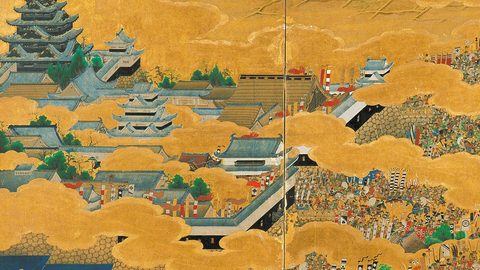 Osaka Things to Do, What Earns a Slot in Two Full Days
Osaka is not a monument city. This page ranks what earns a slot in two full days, from Dotonbori's neon to Shinsekai's retro grit.
-
 Best Time to Visit Osaka, Month by Month and the Trade Off Each One Asks
-
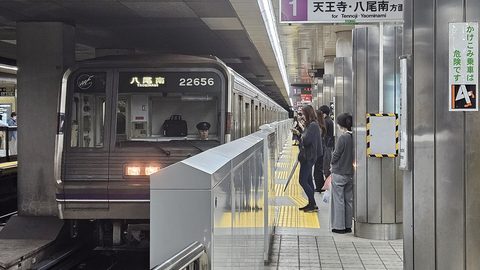 Getting Around Osaka, The Subway, the Private Railways and the Umeda Maze
Osaka's transit is fast but fractured. The Umeda station maze, private railway tickets and the ICOCA card explained before you go.
-
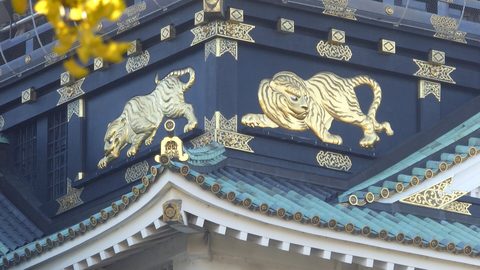 Osaka Castle
's park and moat walks outshine the concrete-reconstructed keep, which houses a museum and observation deck rather than original interiors.
-
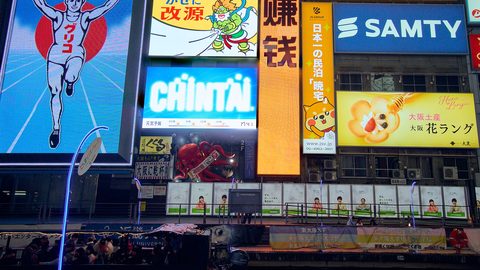 Dotonbori
 is Osaka's neon-lit eating canal, best used as a full-evening food and bar crawl rather than a quick Glico Sign photo stop.
-
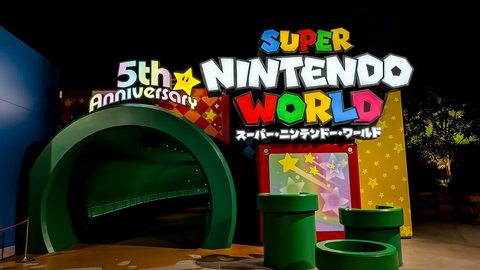 Universal Studios Japan
 demands a full day and a pre-purchased timed-entry ticket; here is whether USJ is worth it and how the ticketing actually works.