Osaka Castle: The Park, the Museum and the Concrete Keep
Osaka Castle's park and moat walks outshine the concrete-reconstructed keep, which houses a museum and observation deck rather than original interiors.
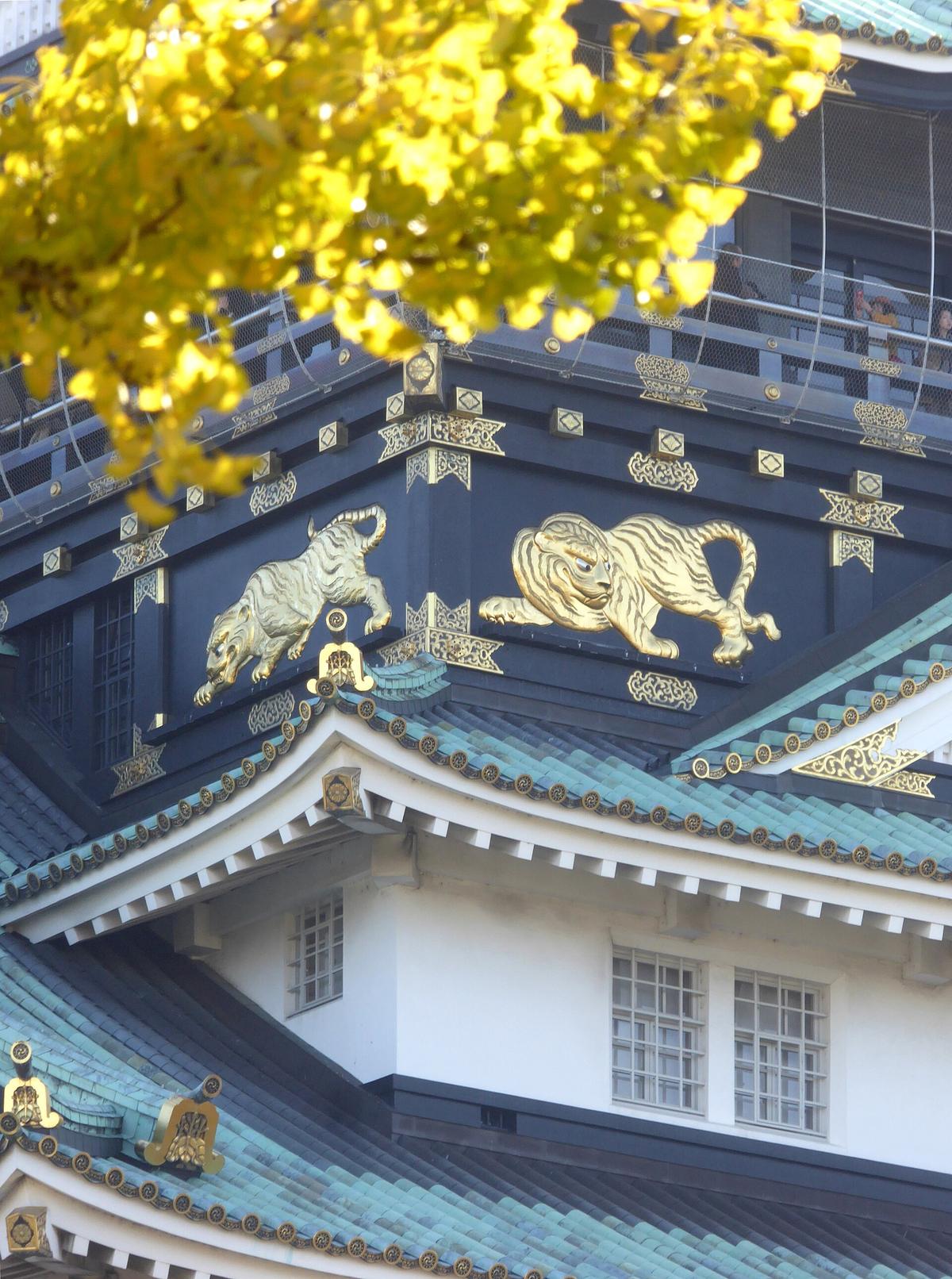

Osaka Castle: the Park, the Museum, and the Concrete Keep
Most visitors arrive at Osaka Castle expecting a samurai fortress. They find a 1930s ferro-concrete reconstruction with an elevator and a museum inside. That gap is the single biggest source of disappointment here. The truth is simpler: the park and grounds are the genuine attraction. The keep is a modern building with an eight-floor museum and a view from the top. Treat it as a bonus, not the main event, and you will have a far better visit than the traveller who queues for the lift expecting Himeji.
The Toyotomi-era castle fell in 1615. The Tokugawa shogunate rebuilt it in the 1620s. A lightning strike burned the keep in 1665. The current structure dates to 1931, when Osaka rebuilt it as a symbol of civic pride. None of that changes how you visit, but it explains what you are looking at: a reimagined 16th-century silhouette cast in 20th-century concrete, surrounded by stonework that survived every fire and war.
Arrive knowing exactly what to do, what to skip, and how to spend your time across the 1.06 square kilometres of castle grounds. The short answer: spend most of your time outside the keep. Enter the keep only for the view and the museum, and only if you have the patience for a queue.
- Main Keep Admission (Adult): ¥600 (rate at the time of writing, check the official Osaka Castle website for the current fee)
- Main Keep Admission (Child 15 and under): Free
- Main Keep Opening Hours: 09:00-17:00, last entry 16:30. Extended hours during cherry blossom season and summer holidays, dates announced annually
- Main Keep Closed Days: 28 December, 1 January
- Nishinomaru Garden Admission (Adult): ¥200 standard, ¥350 during cherry blossom season
- Nishinomaru Garden Opening Hours: 09:00-17:00 (09:00-21:00 during cherry blossom season)
- Nishinomaru Garden Closed Days: Mondays (or Tuesday if Monday is a holiday), 28 December, 4 January
- Nearest Station to Otemon Gate: Tanimachi 4-chome Station (Tanimachi Line T23, Chuo Line C18), 5-minute walk
- Alternative Station (JR Loop Line): Osakajokoen Station, 15-18 minute walk to keep
- Alternative Station (JR Tozai Line): Osakajokitazume Station, 10-minute walk to Otemon Gate
- Combined Ticket (Castle Museum + Osaka Museum of History): ¥900 adult, verify availability at the museum box office before buying
Why the Park Beats the Keep
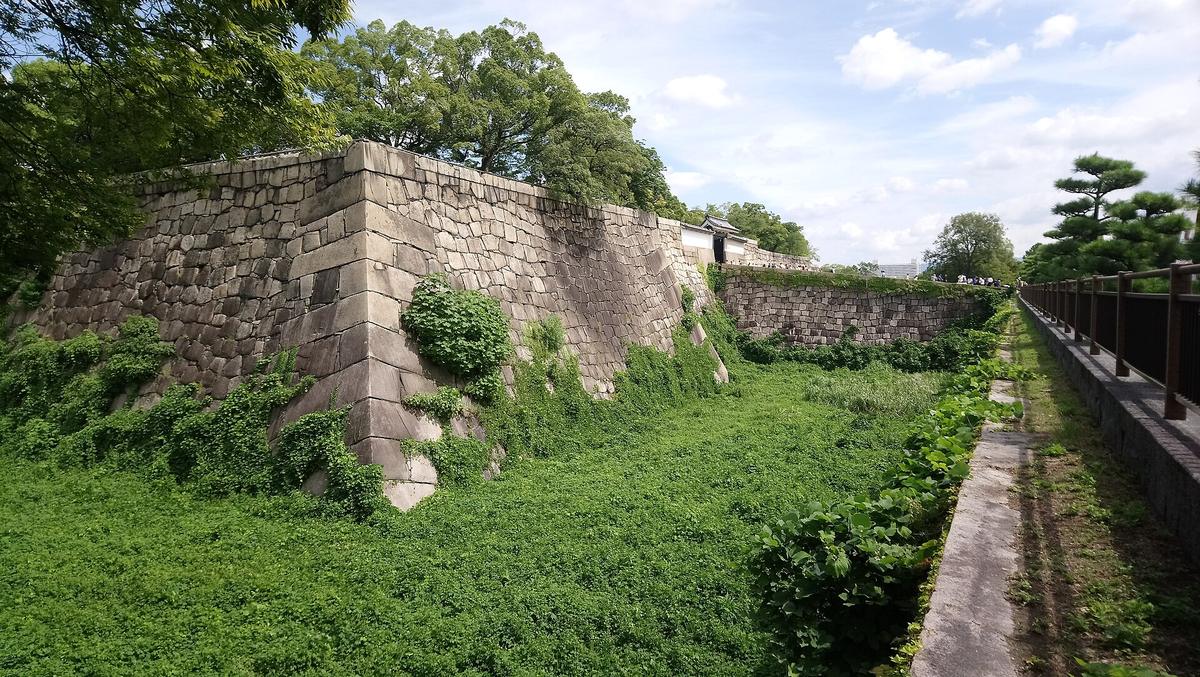
The castle grounds are a public park. That park contains the Tokugawa-era moat system (inner and outer moats, both intact), megalithic stone walls from the Toyotomi and Tokugawa periods, and the Nishinomaru Garden. These elements are older, more interesting, and far less crowded than the keep interior.
The largest stone in the grounds is the Tako-ishi, or Octopus Stone, a 108-tonne granite block with a surface area of about 36 tatami mats. Find it on the inner moat wall near the Otemon Gate. The gate itself uses single-block granite stones called ikkoku-masu, the largest measuring roughly 5.5 by 2.5 metres. Armies of labourers hauled these stones into place in the 1620s under Tokugawa orders. They are the closest thing to an authentic castle experience you will get in Osaka.
Nishinomaru Garden: The Best View Of The Keep
For ¥200 (¥350 during cherry blossom season), the garden gives you a manicured lawn, a pond, and the single best ground-level view of the keep. It is the place for photographs, especially during cherry blossom season when the weeping cherry trees frame the tower. Enter through the Nishinomaru Gate, also called Sakuramon Gate. Note the Monday closure: skip the garden if you are visiting on that day, unless Monday is a holiday (then it closes Tuesday).
When To Photograph The Exterior
The keep faces southeast. Morning light falls on it from 08:00 to 10:00. That is the window for clean, shadowless shots of the main tower. For the stone walls, sunset between 16:00 and 17:30 paints them in golden light. Arrive by 08:00 to claim your spot before the crowds arrive, or stay until 17:00 for the wall shots. The lowest crowd period is weekdays from 09:00 to 10:00 between November and February, excluding New Year and holidays.
The Keep: What to Expect Inside
The keep has eight floors above ground. A lift serves floors one through eight. The interior is a museum of Osaka Castle's past, with displays on Toyotomi Hideyoshi, the Siege of Osaka, and the castle's reconstruction. It is a solid museum, not a castle. The exhibits are in Japanese with some English panels. The top floor offers a panoramic view of the Osaka skyline, including the Osaka Museum of History directly across from the Otemon Gate and the distant mountains on clear days.
Is the keep worth the ¥600? Yes, if you want the view and the museum. No, if you came to walk through a medieval fortress. The mistake most visitors make is buying the keep ticket first, queuing for the lift, and spending an hour inside while the park fills up. Reverse that: walk the grounds and the garden first. Enter the keep after 15:00 when the morning and midday crowds have thinned. The last entry is 16:30, so you have a narrow window.
If you decide to skip the keep, you lose the rooftop view but gain a quieter, more satisfying walk through the moats and megalithic walls. Consider the Osaka Museum of History across the street. Its ¥600 admission (¥900 combined ticket with the castle museum, verify at the box office) gives you a sixth-floor observation room with a direct view of the castle, plus exhibits on Osaka urban history. It closes on Tuesdays (or Wednesday if Tuesday is a holiday) and from 28 December to 4 January.

How to Visit Without Wasting Time
Arrive at Tanimachi 4-chome Station by 08:30. Walk five minutes east to the Otemon Gate. Enter the grounds for free. Walk the inner moat counterclockwise: you will pass the Tako-ishi stone, the Otemon Gate's ikkoku-masu stones, and the outer moat beyond. Continue to the garden if it is not a Monday. Spend 30 to 45 minutes there. By 09:30 the park will start filling with school groups and tour buses. If you entered the keep, queue for the lift by 09:45. You will be out by 10:30 with the view done.
If the keep queue exceeds 20 minutes, skip it. The view from the park is better, and the Osaka Museum of History across the street offers a similar perspective without the wait. Do not buy tickets in advance: the keep does not sell timed entry slots, and there is no advantage to pre-booking. The museum of history also sells tickets on arrival.
The single most practical thing you should do next: arrive before 09:00, enter through the Otemon Gate, walk the inner moat to the garden, take your photographs by 09:30, and make a decision on the keep only after you see the queue length. If the line is short, pay the ¥600 and take the lift. If it is not, cross the street to the Osaka Museum of History and save the view for its sixth floor.
Common Questions
Is the keep the original castle?
No. The current structure is a 1931 ferro-concrete reconstruction. The Toyotomi-era keep was destroyed in 1615, and the Tokugawa replacement burned in 1665. The stone walls and moats are original.
Which entrance should I use?
Use the Otemon Gate for the main keep. Use the Nishinomaru Gate (also called Sakuramon Gate) for the garden. Both are a five-minute walk from Tanimachi 4-chome Station.
Can I see cherry blossoms at the castle?
Yes, the garden has weeping cherry trees. The garden stays open until 21:00 during blossom season. Expect peak crowds from late March to early April. The garden charges ¥350 instead of ¥200 during this period.
Should I skip the keep if I am short on time?
Yes. The park, the moats, the megalithic stones, and the garden are the real draws. The keep is a museum with a view. If you have less than 90 minutes, walk the grounds and skip the interior.
Read next
-
 Osaka Hotels, Sorted by Price Band and Property Type Not Neighbourhood
Osaka hotels sorted by budget and type, business towers, luxury high-rises and the few ryokan, with the trade-off each choice demands.
-
 Where to Stay in Osaka, Pick the District That Matches Your Nights
Osaka's districts switch character after sunset. Pick where to stay based on whether you want street food chaos, standing-bar crawls or a quiet lane.
-
 Osaka Flights Which Airport to Choose and When to Book
KIX or Itami? Which Osaka airport to fly into, when flight prices spike during cherry blossom and November, and the booking windows that matter.
-
 Osaka Things to Do, What Earns a Slot in Two Full Days
Osaka is not a monument city. This page ranks what earns a slot in two full days, from Dotonbori's neon to Shinsekai's retro grit.
-
 Best Time to Visit Osaka, Month by Month and the Trade Off Each One Asks
-
 Getting Around Osaka, The Subway, the Private Railways and the Umeda Maze
Osaka's transit is fast but fractured. The Umeda station maze, private railway tickets and the ICOCA card explained before you go.
-
 Dotonbori
 is Osaka's neon-lit eating canal, best used as a full-evening food and bar crawl rather than a quick Glico Sign photo stop.
-
 Universal Studios Japan
 demands a full day and a pre-purchased timed-entry ticket; here is whether USJ is worth it and how the ticketing actually works.
-
 Osaka Aquarium Kaiyukan
 is designed as a top-to-bottom spiral around a central Pacific tank, arrive at opening or late afternoon to avoid the 11am queue crush.