Umeda: The Multi-Station Maze, Department Store City and Kita Business Core
How to navigate Umeda's multi-station maze in Osaka's Kita district: which exits to use, where to meet someone, and why the department stores are your best landmark.
- Flag
-
- ISO code
- JP
- Currency
- JPY
- Timezone
- Asia/Tokyo
The Wrong Assumption About Umeda: it is Not One Station
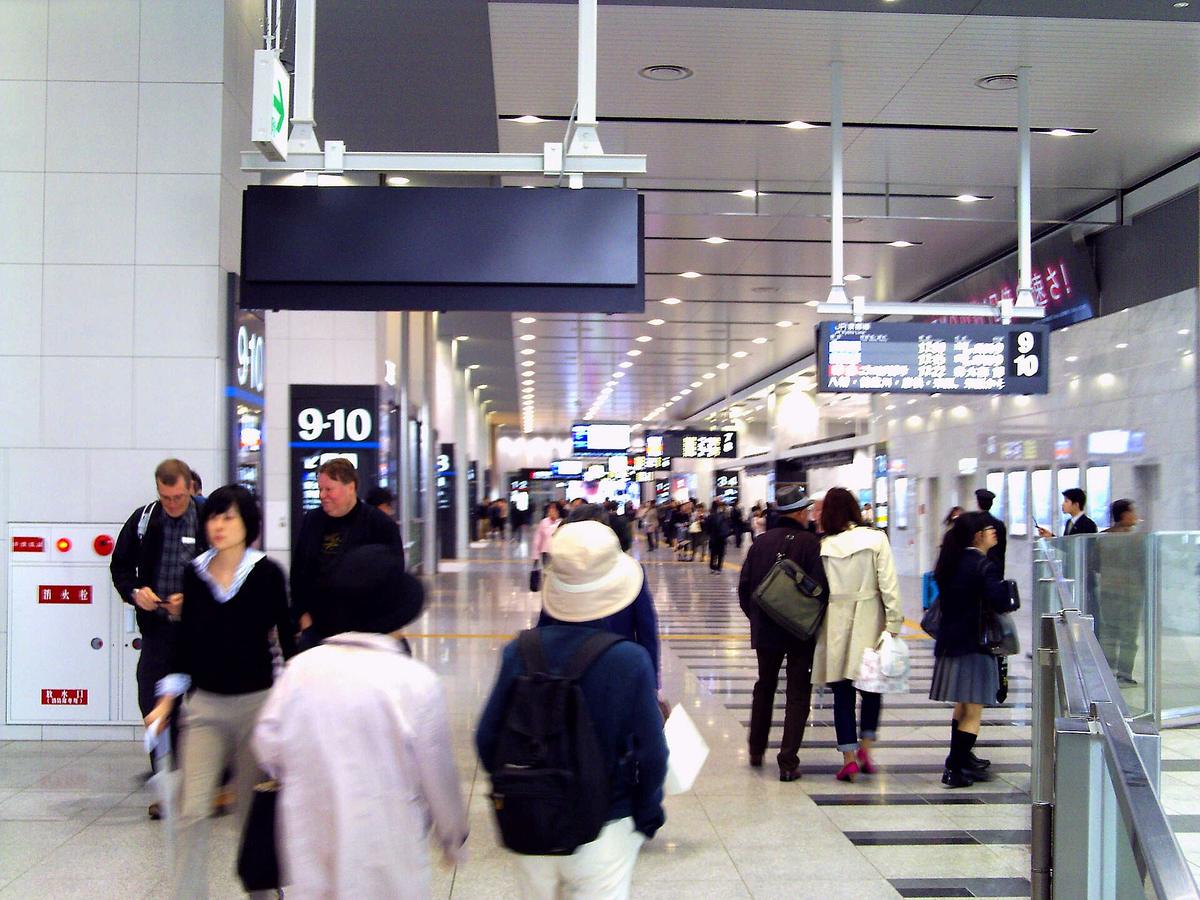
Most first-time visitors assume Umeda is a train station. It is not. It is a half-dozen stations stacked across three dimensions, operated by four railway companies, sharing zero common exits and connected by underground tunnels that loop back on themselves like an M.C. Escher sketch. The single biggest reason meetups fail in Osaka is that someone said "meet at Umeda" without specifying which Umeda. You need a different strategy.
What you get instead: the business core of Kita, the northern half of Osaka's city centre. By day this is a district of office towers and department stores. By 18:00 the salaryman crowd migrates south into Kitashinchi for expense-account dinners, leaving the station concourses to shoppers and transit commuters. The geography matters because Umeda is the city's primary transport nexus. Every major rail operator in the Kansai region converges here: JR West, Hankyu, Hanshin and Osaka Metro. The stations touch but they do not connect in any intuitive way. The underground city that links them, a maze of retail tunnels called the "Whity Umeda" and "Dojima Underground City", was built incrementally over decades with no master plan.
To navigate it you abandon line names. You navigate by department store.

Meeting Points, Exits and the Department Store System
The JR South Gate
The most reliable meeting point in Umeda is the central ticket gate of JR Osaka Station on the south side. It is the only gate every local knows. But do not default to it without thinking: JR Osaka serves 403,000 passengers daily and the south gate concourse is shoulder-to-shoulder from 08:00 to 09:30 and again from 17:00 to 19:00. If you are meeting someone who arrives on a different line, the walk from the Hankyu gate to the JR south gate takes eight minutes underground with two turns. Pick a department store exit instead.
Hanshin Department Store east entrance. This connects directly to the Hanshin Umeda Station ticket gates. The entrance faces a wide pedestrian plaza with a taxi rank. You can see the landmark from fifty metres. It is the single most visible spot in the station complex.
Yodobashi Camera west exit. The giant electronics store sits at the north-west corner of the station block. Its ground-floor entrance opens onto a plaza where two major streets meet. The structure is unavoidable. If you are meeting someone coming from Shin-Osaka on the JR Kyoto Line, use this exit. You arrive at the JR platform, walk north through the ticket gates and exit directly into the store at ground level. No stairs, no tunnels.
Grand Front Osaka north entrance. The south building of Grand Front faces the JR tracks. Its glass atrium is visible from platform 1. The Umekita Cellar depachika (basement food hall, B1) draws a crowd at lunch and evening, so if you are meeting at 12:30 avoid the food floor and use the second-floor pedestrian deck instead. The deck connects to the north building and the ground level has benches.
For subway arrivals, the Osaka Metro Umeda Station has exits scattered across four blocks. The one marked Exit 2 on the Midosuji Line platform surfaces directly outside the Hankyu Department Store main building. If you tell someone "the Hankyu main building entrance at 2", you will find each other. Do not say "the Hankyu store" without specifying main building; there are three connected Hankyu buildings and they are not interchangeable.
The Underground City, Nakazakicho and the Umeda Sky Building
The Underground City
The underground shopping city that links these stations is controlled chaos. The two main arteries are the Whity Umeda arcade, which runs from the Hankyu Department Store basement to the Dojima area south of JR Osaka, and the Diamor Osaka arcade, which connects the subway stations to the office towers of Nishi-Umeda. Both are lined with restaurants, clothing outlets and pharmacies. They are useful for shelter from rain or summer heat, but they are not shortcuts. The tunnels are narrow, crowded and poorly signposted. If you are in a hurry, stay at street level and walk the perimeter of the station block. It is faster.
Nakazakicho
An 800-metre walk north from the Umeda Sky Building puts you in Nakazakicho. This is the anti-Umeda: low-rise pre-war nagaya row houses, post-war wooden structures, independent coffee roasters, vintage clothing stores, artisan bakeries and record shops. The core is Taiko-suji and the alleys around it. Come here in the late morning after the station crowd has dissipated. Most shops open at 11:00 or 12:00. A few close on Wednesdays and Thursdays, a throwback to the area's residential origins. Arrive at 09:00 and you will find locked shutters and nobody about.
Nakazakicho is bad at night. After 19:00 the streets go quiet and the few restaurants that serve dinner hide behind unmarked doors. This is not a nightlife district. Come for the afternoon cafe crawl, not the evening.
Umeda Sky Building
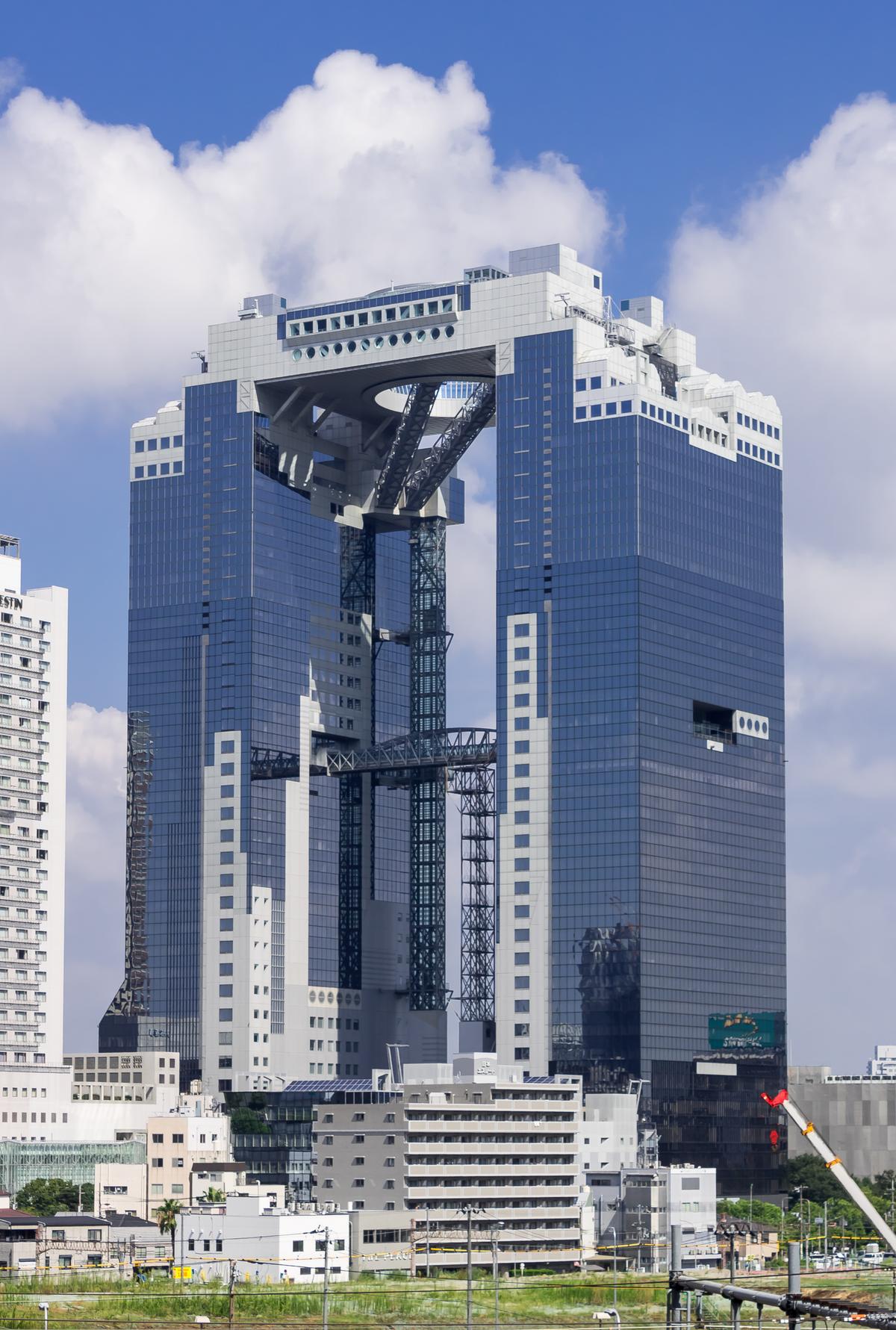
The Floating Garden Observatory at 170 metres costs ¥1,500, the adult rate effective from the 2024 price revision. Opens 09:30 to 22:30, last entry 22:00. The open-air escalator that carries you between the two towers is the main attraction. Arrive at 09:45 for the first run without a queue. By 15:00 on a weekend the wait stretches to fifteen minutes. The structure was completed in 1993, an outlier in a district of towers mostly from the 2000s and later.
Skip the observatory on clear afternoons in November if you want the sunset view; the queue for the west-facing windows peaks between 16:00 and 16:45 and you will share the space with a hundred people holding phones. Go on an overcast weekday instead. The view holds up and the crowd halves.
Kitashinchi After Dark, and What Umeda is Bad at
Kitashinchi After Dark
South of JR Osaka Station lies Kitashinchi. It looks like a financial district by day: wide streets, glass towers, quiet foot traffic. After 18:00 the area transforms. The narrow alleys behind the main street fill with black-suited men moving between hostess bars and high-end restaurants. This is Osaka's expense-account zone. Walk into a bar here without a reservation and a jacket and you will be turned away at the door. Most establishments require a referral. If you want the dense, unpretentious standing-bar scene that Osaka is famous for, skip Kitashinchi and take the Midosuji Line south to Namba, or walk east to Kyobashi.
What Umeda is Bad At
Street food, spontaneity and cheap drinking. The underground city has food courts but they are chains. The depachika floors (Hankyu and Hanshin on B1, Daimaru and LUCUA on B2, Grand Front's Umekita Cellar on B1) have spectacular prepared food for takeaway, but they close at 20:00 and you will not find a seat. For late-night eating at a counter where conversation with a stranger is normal, you leave Umeda. For early-morning coffee and a train connection to Kyoto, Kobe or Nara, Umeda is the best base in the city. Kyoto takes 29 minutes by JR Special Rapid, Kobe 21 minutes, Nara 50 minutes with one change at Tennoji.
Cash survives in the department store food halls. Most counters at the depachika floors accept cards but the small ramen shops in the Whity Umeda tunnels do not. Carry ¥5,000 in notes for these places. The free Osaka Wi-Fi network requires re-registration every thirty minutes. A prepaid eSIM or pocket Wi-Fi booked before arrival is standard practice. Google Maps handles the transit directions accurately, but check the operator name on the result: it sometimes routes you through JR when a private line is faster.
.jpg)
Umeda in Half a Day: a Walkable Route
If you have a single morning in Umeda before a train connection, do this: Exit JR Osaka Station from the south gate at 09:00. Walk west past the station and cross the street to the Yodobashi Camera store. Enter through the ground floor and take the escalator to the second-floor pedestrian deck. This deck runs north-south past the Grand Front Osaka complex. Walk north until you reach the Umeda Sky Building forecourt. Go up the escalator, pay ¥1,500 (rate at the time of writing, check the operator's website for the current figure), experience the open-air ascent. Descend by 10:30. Walk 800 metres north to Nakazakicho for coffee at one of the independent roasters on Taiko-suji. Be back at the south gate of JR Osaka Station by 12:00 for a train to wherever you are heading next.
This route avoids the underground city entirely. It is faster above ground.
| Destination | Operator | Travel Time | Fare |
|---|---|---|---|
| Kyoto Station | JR Kyoto Line Special Rapid | 29 min | ¥580 |
| Kobe-Sannomiya | JR Kobe Line Special Rapid | 21 min | ¥410 |
| Nara Station | JR Loop to Tennoji, JR Yamatoji | 50 min | ¥810 |
| Kansai Airport (KIX) | JR Kanku Rapid | 65 min | ¥1,210 |
| Universal Studios Japan | JR Loop to Nishikujo, Yumesaki | 15 min | ¥190 |
Other areas in Osaka
Common Questions
Why is it so hard to meet someone at Umeda station?
Because Umeda is not one station but five distinct stations operated by four railway companies. JR Osaka, Hankyu Umeda, Hanshin Umeda, Osaka Metro Umeda, Higashi-Umeda and Nishi-Umeda each have their own ticket gates and exits. Saying 'meet at Umeda' is meaningless. You must pick a specific department store exit.
What is the most visible meeting point in Umeda?
The east entrance of Hanshin Department Store. It connects directly to the Hanshin Umeda Station ticket gates and faces a wide pedestrian plaza with a taxi rank that is visible from fifty metres.
How do I get from Umeda to Kyoto Station?
Take the JR Kyoto Line Special Rapid from JR Osaka Station. The journey takes 29 minutes. The adult fare was ¥580 at the rate at the time of writing, though JR West revises fares annually.
Is the Umeda Sky Building worth the ¥1,500 entry?
Yes, if you arrive early. The open-air escalator experience is unique in Osaka. Go on an overcast weekday at 09:45 for the smallest crowds. Skip the sunset window, 16:00 to 16:45, when the queue for the west-facing windows is longest.
Where should I eat in Umeda on a budget?
Buy takeaway from the depachika food halls. Hanshin and Hankyu department stores have their basement food floors on B1, Daimaru and LUCUA on B2, and Grand Front Osaka's Umekita Cellar on B1. All close by 20:00. For a seated meal at a counter, go to Namba.
Is there good nightlife in Umeda?
Kitashinchi has expensive hostess bars and fine-dining restaurants that require reservations and referrals. For standing bars and cheap drinking, take the Midosuji Line south to Namba or walk east to Kyobashi.
What is the best way to get from Kansai International Airport to Umeda?
Take the JR Kanku Rapid from KIX. The journey is 65 minutes. The adult fare was ¥1,210 at the rate at the time of writing, set annually by JR West. Alternatively, the faster airport is Itami: from Itami, take the Osaka Monorail to Senri-Chuo, change to the Hankyu Takarazuka Line to Umeda, total 35 minutes and about ¥500.
Read next
-
 Osaka Hotels, Sorted by Price Band and Property Type Not Neighbourhood
Osaka hotels sorted by budget and type, business towers, luxury high-rises and the few ryokan, with the trade-off each choice demands.
Osaka Hotels, Sorted by Price Band and Property Type Not Neighbourhood
Osaka hotels sorted by budget and type, business towers, luxury high-rises and the few ryokan, with the trade-off each choice demands.
-
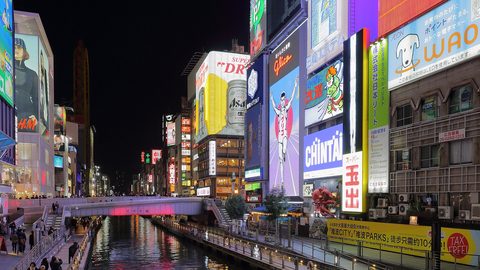 Where to Stay in Osaka, Pick the District That Matches Your Nights
Osaka's districts switch character after sunset. Pick where to stay based on whether you want street food chaos, standing-bar crawls or a quiet lane.
Where to Stay in Osaka, Pick the District That Matches Your Nights
Osaka's districts switch character after sunset. Pick where to stay based on whether you want street food chaos, standing-bar crawls or a quiet lane.
-
 Osaka Flights Which Airport to Choose and When to Book
KIX or Itami? Which Osaka airport to fly into, when flight prices spike during cherry blossom and November, and the booking windows that matter.
Osaka Flights Which Airport to Choose and When to Book
KIX or Itami? Which Osaka airport to fly into, when flight prices spike during cherry blossom and November, and the booking windows that matter.
-
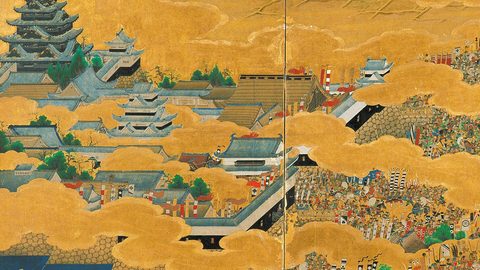 Osaka Things to Do, What Earns a Slot in Two Full Days
Osaka is not a monument city. This page ranks what earns a slot in two full days, from Dotonbori's neon to Shinsekai's retro grit.
Osaka Things to Do, What Earns a Slot in Two Full Days
Osaka is not a monument city. This page ranks what earns a slot in two full days, from Dotonbori's neon to Shinsekai's retro grit.
-
 Best Time to Visit Osaka, Month by Month and the Trade Off Each One Asks
-
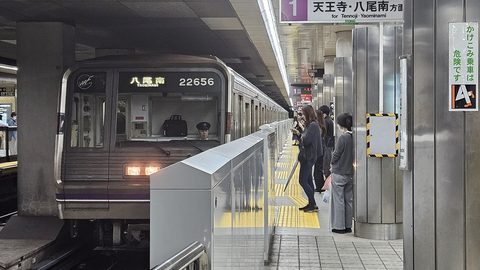 Getting Around Osaka, The Subway, the Private Railways and the Umeda Maze
Osaka's transit is fast but fractured. The Umeda station maze, private railway tickets and the ICOCA card explained before you go.
Getting Around Osaka, The Subway, the Private Railways and the Umeda Maze
Osaka's transit is fast but fractured. The Umeda station maze, private railway tickets and the ICOCA card explained before you go.
-
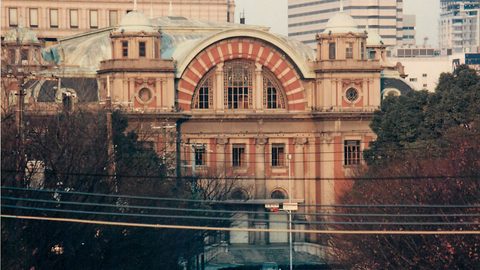 Nakanoshima
 is Osaka's museum island, a riverside strip of civic galleries, rose gardens and the quietest central walk in the city.
Nakanoshima
Nakanoshima is Osaka's museum island, a riverside strip of civic galleries, rose gardens and the quietest central walk in the city.
-
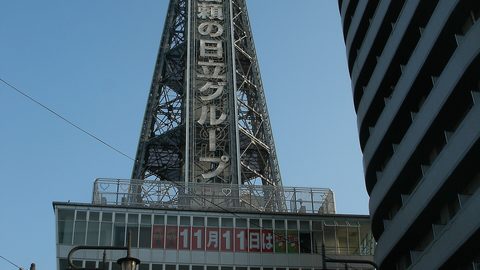 Shinsekai
 is Osaka's 1912 future district, home to kushikatsu alleys, Tsutenkaku tower and an unpolished Showa-era atmosphere that rewards the right visitor.
Shinsekai
Shinsekai is Osaka's 1912 future district, home to kushikatsu alleys, Tsutenkaku tower and an unpolished Showa-era atmosphere that rewards the right visitor.
-
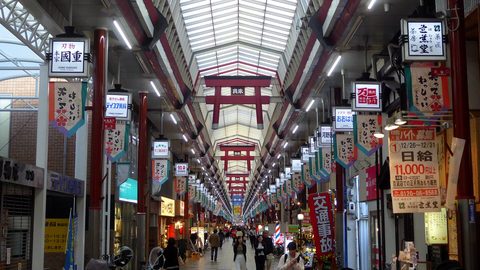 Tenma
Tenma is home to Japan's longest shopping arcade, Tenjinbashisuji, and the best-value standing bars and budget eating in Osaka.
Tenma
Tenma is home to Japan's longest shopping arcade, Tenjinbashisuji, and the best-value standing bars and budget eating in Osaka.