How to Move Through Osaka Without Losing an Hour in the Wrong Station
Osaka's transit is fast but fractured. The Umeda station maze, private railway tickets and the ICOCA card explained before you go.
How to Move Through Osaka Without Losing an Hour in the Wrong Station
Get an ICOCA Card Before You Leave the Airport
Buy an ICOCA card at any ticket machine the moment you enter a station. Put ¥3,000 on it. ICOCA works on Osaka Metro, JR West, Hankyu, Hanshin, Nankai and Kintetsu. Tap on. Tap off. You never buy a paper ticket again.
A subway 1-day pass costs ¥820 and only pays off if you ride the subway four times in one day. Most visitors do not. The ICOCA card is faster, and it works on the private railways the pass ignores.
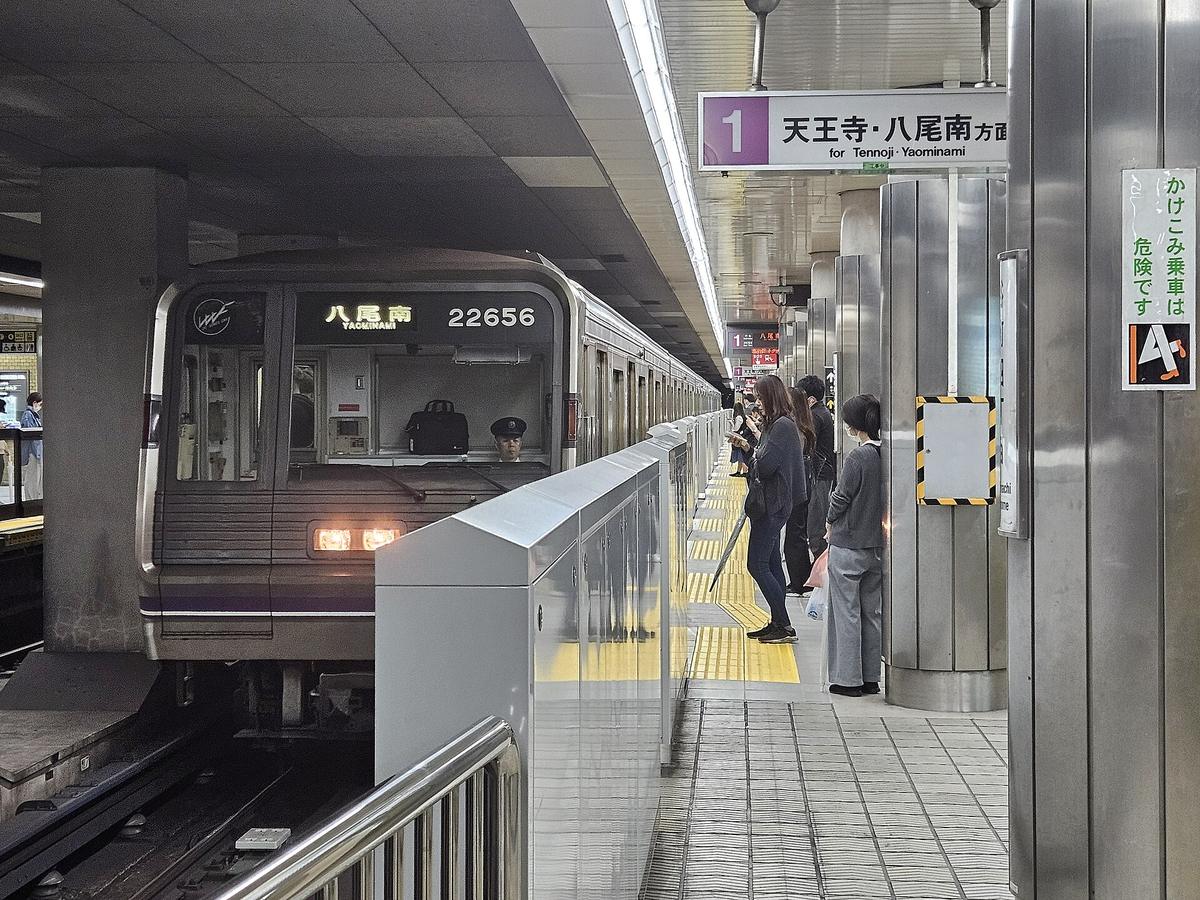

The Umeda Maze: What You Actually Need to Know
Six Stations, One Name
Six stations share the Umeda name: JR West Osaka Station, Hankyu Osaka Umeda, Hanshin Osaka Umeda, Osaka Metro Umeda on the Midosuji Line, Osaka Metro Higashi Umeda on the Tanimachi Line, and Osaka Metro Nishi Umeda on the Yotsubashi Line. They are connected underground. The walk from JR Osaka to Hanshin Umeda is 300 metres. From Metro Umeda to Nishi Umeda it is 500 metres. That is a five to seven minute walk underground. The passages are marked, but in Japanese. Use your phone.
The single instruction that saves your evening: when Google Maps tells you to transfer at Umeda, it shows the operator name. If it says "Osaka Metro Midosuji Line" you get out at Metro Umeda station. If it says "Hankyu Kyoto Line" you walk the 200 metre underground passage to Hankyu Umeda station. Do not go up to street level. There is no direct surface crossing of JR Osaka station north to south; use the underground concourse or the Grand Front Osaka pedestrian deck.
Pick a Shop, Not a Station Name
Set your meetup spot by a department store. Hankyu Department Store at the Hankyu Umeda exit. Daimaru at the JR Osaka exit. Yodobashi Camera near the west exit of JR Osaka. Never tell someone "meet at Umeda." Tell them "meet at the HEP Five Ferris wheel entrance" or "the north exit of JR Osaka station." That saves the missed connection that happens every day.
Which Line Takes You Where
The Midosuji Spine
Osaka Metro runs nine lines. The one you use most is the red Midosuji Line, 20 stations from Esaka to Nakamozu. It hits four key visitor stations north to south: Umeda at M16, Shinsaibashi at M19, Namba at M20, Tennoji at M23. The Midosuji Line is your spine.
Shinsaibashi to Namba is an 800 metre walk above ground through the covered shopping arcade. You do not need a train. Namba to the Dotonbori canal is 200 metres. Walk it.
The Loop Line and the Shin-Osaka Mistake
The JR West Osaka Loop Line has 19 stations. It connects Osaka station, Tennoji, Shin Imamiya, Nishikujo and branches to Universal City on the Yumesaki Line. Do not stay near Shin-Osaka station. It is a sterile business district, a 40 minute round trip to Namba, with almost no nightlife. If you are already booked there, the Loop Line gets you to Tennoji. For everyone else, the Loop Line is a backup.
Private Railways and the Separate Ticket Problem
The Three Private Lines That Matter
Private railways serve three routes: Hankyu from Umeda to Kyoto Kawaramachi, Hanshin from Umeda to Kobe Sannomiya, and Nankai from Namba to Kansai Airport. Your subway day pass covers none of these. Your ICOCA card covers all of them. Tap on at the private railway gate, tap off at your destination.
When You Need a Surcharge
On some faster trains you need a separate surcharge ticket for the reserved seat. Buy that at the ticket machine before boarding, or online before your trip. The Nankai Rapi:t to KIX costs ¥1,450 reserved. The Hankyu limited express to Kyoto costs a standard fare with no surcharge. Check the train type on Google Maps: if it says "Limited Express" with a seat reservation symbol, buy the extra ticket.
The Google Maps Operator Check Trick
JR or Hankyu? Let the Destination Decide
Google Maps is reliable for Osaka transit. But it sometimes routes you through JR West when a private line is faster. The difference is real: JR from Osaka to Kyoto takes 29 minutes on the Special Rapid and costs ¥580, dropping you at Kyoto station. Hankyu from Umeda to Kawaramachi takes 43 minutes and drops you closer to Gion and Pontocho. Which one you want depends on your Kyoto destination. Look at the operator name on the Google Maps result. Going to Gion? Take Hankyu, even though it is slower. Going to Fushimi Inari? Take JR. The operator name decides it, not the travel time.
After Midnight, the Rules Change
The last Midosuji Line train southbound from Umeda to Namba leaves at approximately 00:15. The last northbound from Namba to Umeda leaves at approximately 00:10. The last JR Loop Line train from Osaka station to Tennoji leaves at approximately 00:25. After these, take a taxi. Flagfall is ¥500 to ¥680 for the first kilometre or so. After 22:00, a 20% late night surcharge applies. A taxi from Namba to Umeda runs about ¥1,500 to ¥2,000. Split it. There is no night bus that covers this route reliably for a solo traveller at 1am. Carry ¥5,000 in cash.
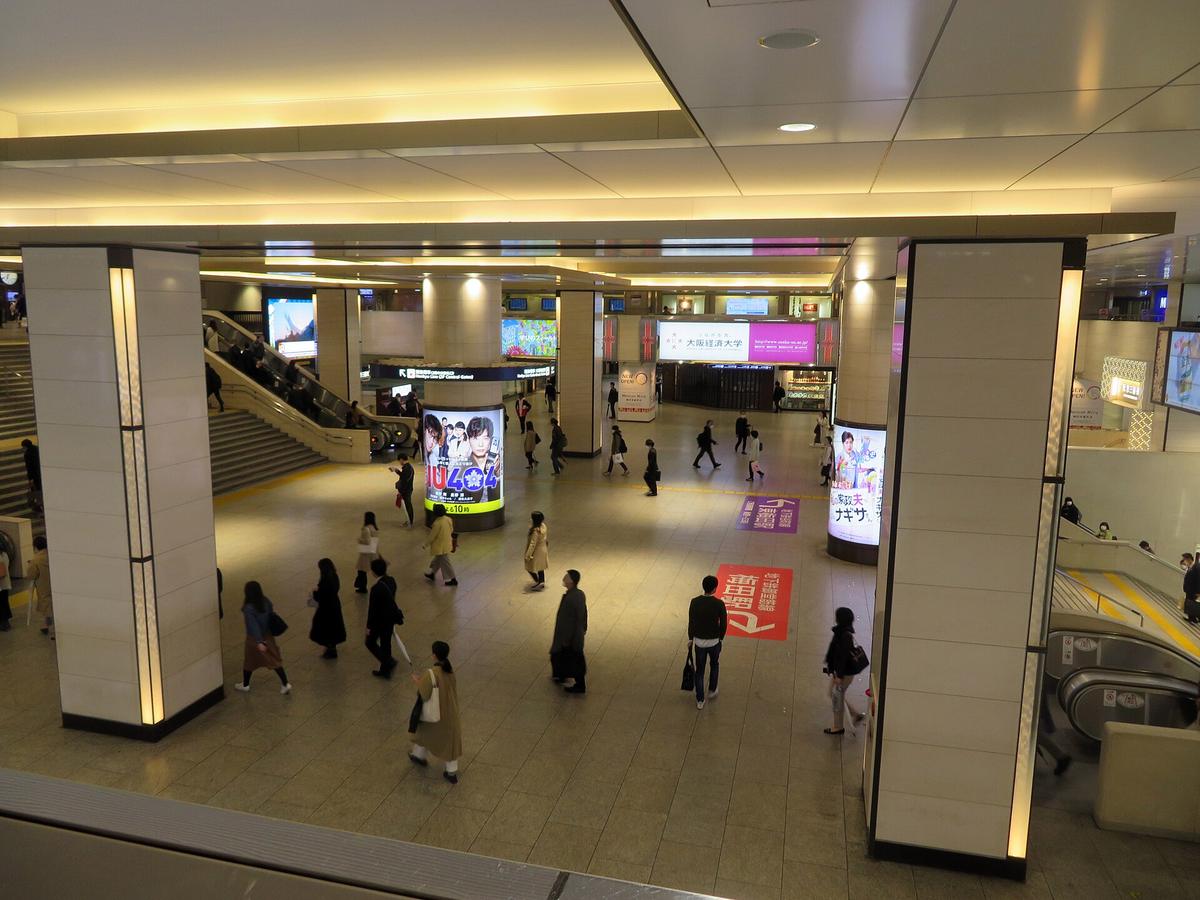

When the System Lets You Down
One Card, One Person
Your ICOCA card cannot be shared. One card per person per journey. You cannot split payment across two cards on the same trip. You cannot use an IC card and a paper ticket on the same journey. If your card runs low, top it up at any machine. The machine takes cash and shows a balance on the screen. Do not wait until the gate rejects you at midnight.
Cash Still Rules the Small Places
Cash survives in Shinsekai kushikatsu joints and small standing bars. Carry ¥5,000 in notes. The standing bars around Kyobashi, the ones with the plastic food displays in the window, are cash only. The kushikatsu places in Shinsekai enforce the no double dip rule on the sauce pot. It is a rule. If you dip a half eaten skewer back into the shared sauce, the person next to you will tell you. Loudly. In Japanese.
Who Should Follow This Transport System and Who Should Skip it
Who It Works For
This system works for street food grazers who plan a trip around meals and need to move between Dotonbori, Shinsekai and Kuromon Market in one evening. It works for nightlife seekers who want dense bar districts without a dress code and who will stay out until the last train. It works for Kansai region base campers who prioritise transport convenience over beauty and who will take the private railways to Nara, Kyoto and Kobe as day trips. It works for repeat Japan visitors bored of Tokyo formality, and for solo travellers who find conversation easier in standing bars.
Who Should Skip Osaka
This city does not work for travellers seeking a quiet, traditionally beautiful Japanese city. Kyoto is 29 minutes away on the JR Special Rapid. Osaka is not a substitute. Skip it if your idea of a break is serene temples, minimal crowds, or early nights. The Midosuji Line at 08:30 on a weekday is not serene. The friendliness Osaka is famous for does not survive the morning rush. Move to the side of the escalator and hold the handrail.
Common Questions
Do I need a separate ticket for each private railway?
No. An ICOCA card works on every major private railway in Osaka. Tap on, tap off. The only extra ticket you may need is a limited express surcharge for reserved seats on trains like the Nankai Rapi:t or Kintetsu Limited Express. Buy that at the ticket machine before boarding.
How do I survive the Umeda station complex?
Use the operator name Google Maps gives you. If it says Osaka Metro, exit at the Metro Umeda station. If it says Hankyu, walk the 200 metre underground passage to Hankyu Umeda. Never go to street level to transfer. Pick a department store as your meeting point, not the station name.
Is the subway day pass worth buying?
Not for most visitors. The 1 day pass costs ¥820. A single trip costs ¥190 to ¥390. You need four subway rides in one day to break even. Most visitors take two or three subway rides plus walks and private railway trips that the pass does not cover.
What happens after the last train?
Use a taxi. Flagfall is ¥500 to ¥680 with a 20% surcharge after 22:00. A ride from Namba to Umeda costs roughly ¥1,500 to ¥2,000. Do not expect a night bus. Carry ¥5,000 in cash. A taxi from Namba to your hotel near Umeda is cheaper and faster than waiting for the first train at 05:00.
Read next
-
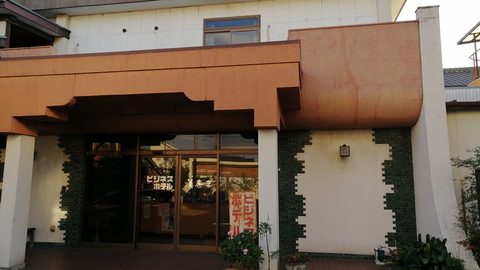
 Osaka Hotels, Sorted by Price Band and Property Type Not Neighbourhood
Osaka hotels sorted by budget and type, business towers, luxury high-rises and the few ryokan, with the trade-off each choice demands.
-
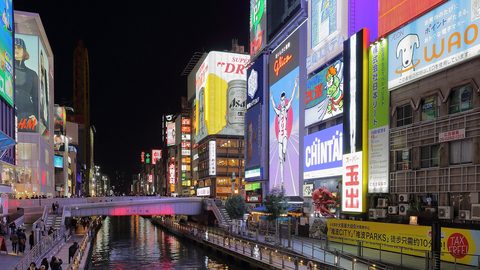 Where to Stay in Osaka, Pick the District That Matches Your Nights
Osaka's districts switch character after sunset. Pick where to stay based on whether you want street food chaos, standing-bar crawls or a quiet lane.
-
 Osaka Flights Which Airport to Choose and When to Book
KIX or Itami? Which Osaka airport to fly into, when flight prices spike during cherry blossom and November, and the booking windows that matter.
-
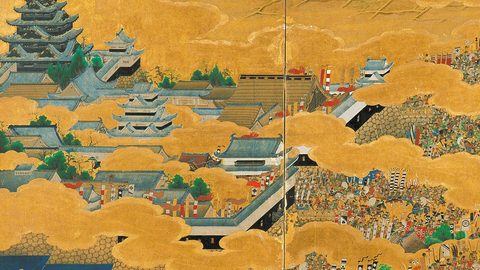 Osaka Things to Do, What Earns a Slot in Two Full Days
Osaka is not a monument city. This page ranks what earns a slot in two full days, from Dotonbori's neon to Shinsekai's retro grit.
-
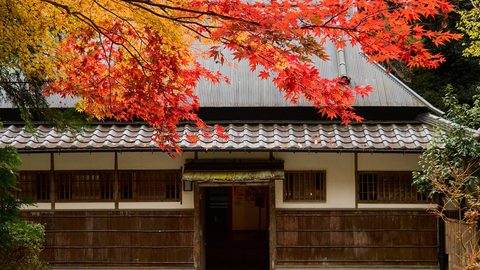 Best Time to Visit Osaka, Month by Month and the Trade Off Each One Asks
-
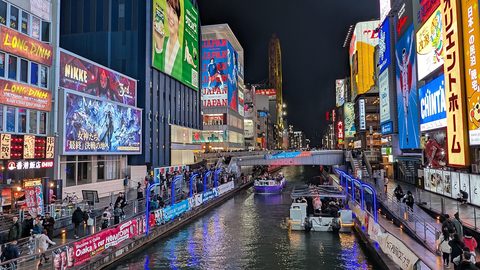 Osaka Itinerary How to Spend 1 2 3 or 5 Days in the City
Osaka itineraries for 1, 2, 3 and 5 days built around food, neighbourhoods and honest pacing, not a checklist of every sight in the city.
-
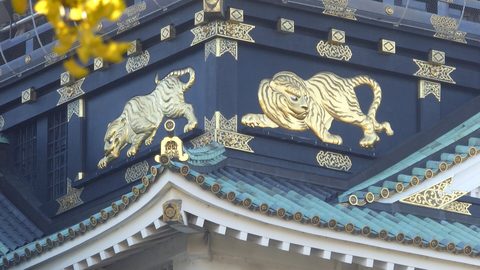 Osaka Castle
's park and moat walks outshine the concrete-reconstructed keep, which houses a museum and observation deck rather than original interiors.
-
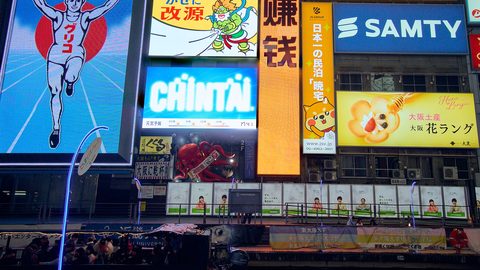 Dotonbori
 is Osaka's neon-lit eating canal, best used as a full-evening food and bar crawl rather than a quick Glico Sign photo stop.
-
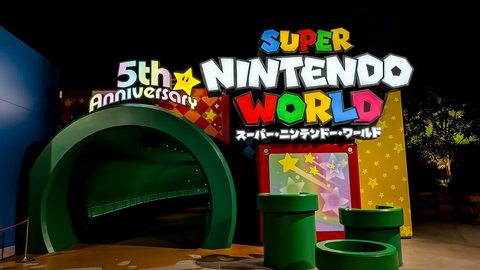 Universal Studios Japan
 demands a full day and a pre-purchased timed-entry ticket; here is whether USJ is worth it and how the ticketing actually works.