Osaka Neighbourhoods Ranked by What You Actually Do After Dark
Osaka's districts switch character after sunset. Pick where to stay based on whether you want street food chaos, standing-bar crawls or a quiet lane.
The Three-Second Decision That Ruins Your Osaka Trip
The most expensive mistake you can make in Osaka is booking a hotel near Shin-Osaka because it looks central on the Shinkansen map. It is not central. It is a sterile business district with no walkable food streets, no nightlife and a 40-minute round trip commute to anywhere you actually want to be. The station empties after the last train. Your evening options are the hotel restaurant and a convenience store. Book there only if your itinerary is built around daily Shinkansen departures and you treat sleep as a purely functional activity. For everyone else, the real choice is between Kita and Minami. That choice decides what kind of night you are signing up for.
Minami: Namba, Shinsaibashi, Dotonbori, and the Decision to Stay Up Late
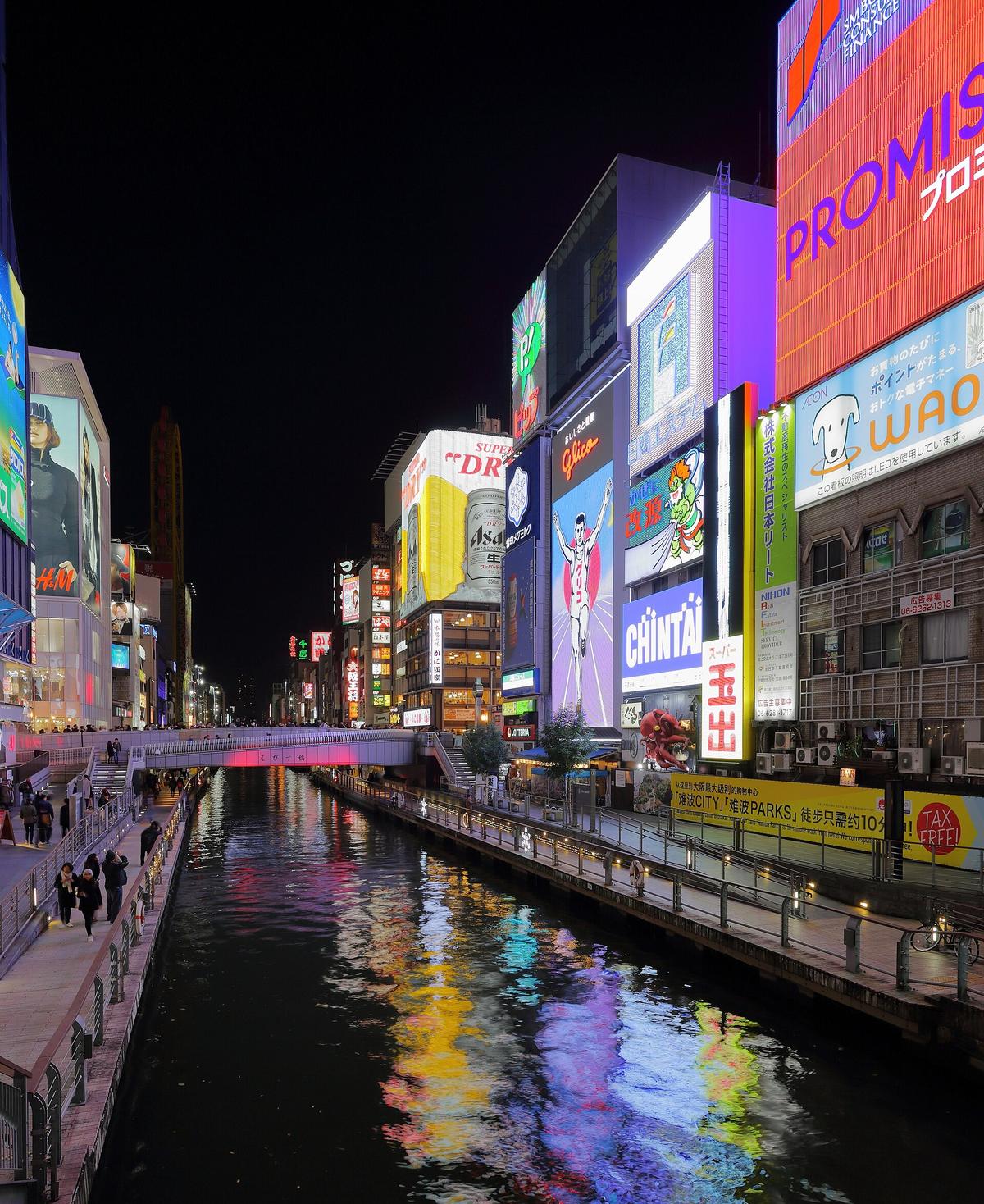
Minami is the tourist gravity well. Namba alone anchors eight rail lines including the Nankai Airport Express that gets you from KIX in 34 minutes for ¥1,450. Shinsaibashi sits two stops north on the Midosuji Line. The nightly price band for a standard double room runs ¥8,000 to ¥35,000. The variation comes down to proximity to the Dotonbori canal, room size, chain versus independent, and whether you get a view. Book here and you are signing up for a late evening that does not stop until 05:00. Restaurants and bars stay open that long. The major shopping streets go quiet by 21:00 or 22:00. The eating streets do not.
The downside is direct. You are paying for loud streets, crowded pavements and a bedroom window that may not block the neon. Dotonbori main strip is shoulder to shoulder after 19:00 on weekends. Eating while walking is locally frowned on despite the street food vibe. If you need quiet after 22:00, if you have mobility concerns on crowded pedestrian streets, or if you want direct Shinkansen access without a transfer, Minami is not for you. The Midosuji Line to Shin-Osaka then Shinkansen takes 30 to 35 minutes and costs ¥1,450 to ¥3,100. That is the price of proximity to the action.
Nipponbashi: The Sub-District That Changes The Deal
Nipponbashi sits just east of Namba. The nightly price band runs ¥7,000 to ¥25,000. You are a 10 to 15 minute walk from Namba nightlife that lasts until 05:00, but you are also steps from Den Den Town electronics retail and Kuromon Market. The trade-off: Den Den Town shops close by 19:00 or 20:00. Kuromon, these days aimed squarely at visitors, packs up its stalls by 17:00 or 18:00. Your hotel address is quiet during the day when you are out, and loud at night when you want to walk to dinner. This is the best option if you want Minami energy without a room directly above a karaoke bar. The Kansai Airport connection stays good: walk or take one subway stop to Namba, then 34 to 44 minutes on the Nankai Airport Express for ¥1,450.

Kita: Umeda, the Transport Hub That Eats Its Own Tails
Umeda is the business and shopping centre. Eleven rail lines pass through or terminate here, including the JR Kyoto Line Special Rapid that reaches Kyoto in 28 to 30 minutes for ¥580. The nightly price band for a standard double room runs ¥10,000 to ¥50,000. The variation depends on hotel brand tier, room size, proximity to Osaka Station and booking lead time. Book here and you are signing up for department stores that close between 20:00 and 21:00, izakaya and bars in nearby Kitashinchi that run until 03:00 to 05:00, and an underground shopping city that shuts by 21:00 to 22:00.
The downside is not noise. It is confusion. Umeda is actually multiple stations: JR Osaka, Hankyu Umeda, Hanshin Umeda, subway Umeda, Higashi Umeda, Nishi Umeda. They are stacked across three dimensions and their exits are not interchangeable. Telling someone to meet you at Umeda is meaningless without a specific department store landmark or gate number. This maze causes missed meetups daily. If you want a single-station base where you do not have to navigate a multi-station complex, or if you want walking-distance access to Dotonbori nightlife, Kita is wrong for you. The walk from Umeda to Dotonbori is over a kilometre through the underground mall and across a river. It is not a stroll. It is a commute.
Kitashinchi And The After-Dark Reality
Kitashinchi is the expensive pocket within Kita. It is hostess bars, salaryman fine dining and very little daylight activity. The area comes alive after dark only. If your budget does not run to a serious dinner and drinks bill, Kitashinchi is not your neighbourhood. It exists for expense account nights, not traveller evenings.
Tennoji: the Budget Base with a Blue Collar Edge
Tennoji sits on the Midosuji Line, the Tanimachi Line and four JR lines. The nightly price band for a standard double room runs ¥6,000 to ¥20,000, making it the cheapest central district. Book here and you are signing up for Shinsekai izakaya that stay open until 23:00 or 01:00, a retro grit that Showa-era nostalgia fans love, and a park that goes quiet by 22:00. The shopping malls close by 20:00 or 21:00.
The downside is the trade-off you make for the price. The streetscapes are not modern. Tennoji has a faded, blue-collar edge that some visitors find off-putting. The upscale shopping and dining options are thin. If your trip requires polished retail and polished restaurants, this is the wrong base. What you get instead: a 50 to 55 minute JR Hanwa Line Airport Rapid to KIX for ¥1,080, and a 45 to 50 minute train to Kyoto for ¥1,080 via JR Yamatoji Line and JR Kyoto Line. The Shinsekai kushikatsu joints and standing bars run cash only. Carry ¥5,000 in notes. Do not double dip the sauce.
Osaka Bay: Built for One Reason Only
Osaka Bay is Universal Studios Japan territory. The nightly price band runs ¥12,000 to ¥60,000, with variation driven entirely by USJ ticket bundling, seasonal demand and whether you book an official hotel or a partner property. Book here and you are signing up for Universal CityWalk restaurants that close between 22:00 and 23:00, no independent nightlife district, and an area that goes dead quiet after 23:00 except for hotel bars.
The downside is isolation. The airport limousine bus from USJ to KIX takes 60 to 75 minutes and costs ¥1,600. The train to Kyoto takes 40 to 45 minutes. There is no late-night transit after 23:00. If you are not visiting USJ, do not stay here. If you are visiting USJ, stay here exactly one night and move to a central district for the rest of your trip. One night covers the park. Two nights means you spend an evening staring at a hotel lobby.

Shinsekai, Kyobashi, Nakazakicho, and the Specialist Choices
These districts exist for specific traveller profiles. Shinsekai is retro gritty, clustered around Tsutenkaku Tower, and dominated by kushikatsu skewers with a strict no-double-dip rule. The izakaya run cash only and close around 23:00 to 01:00. It is not a full-service base. It is a dinner destination with a few hotels nearby.
Kyobashi is cheap standing bars and unvarnished local drinking. The area has no polish and no English menus. If you speak no Japanese and want a comfortable hotel lobby, pick another district. If you want to stand at a bar next to someone who works at the nearby factory and drink until your train stops running, Kyobashi delivers.
Nakazakicho is low-rise wooden houses, indie cafes and slow lanes. It is the quietest option on this list. The trade-off: you are a 15-minute walk from the nearest station and the nightlife options are minimal. If your Osaka trip ends at 21:00, Nakazakicho fits. If you want to eat takoyaki at 01:00, it does not.
The One Thing You Do Next
Decide what kind of evening you want. If you want to walk out of your hotel and into a crowd eating fried skewers at 01:00, book Minami. If you want department stores, a train to Kyoto in 28 minutes, and the patience to learn a three-dimensional station map, book Kita. If you want the cheapest bed in a central location and you do not mind a faded streetscape, book Tennoji. If you are coming for Universal Studios Japan, book one night in the Bay Area and move. If you are considering Shin-Osaka, stop considering it and pick something else. Then open the hotels page for this district and book a specific property. That page has the names, the prices and the cancellation policies. The decision framework above holds.
Common Questions
How Many Days Should I Stay In Osaka?
Two full days minimum. Day one for Kita around Umeda. Day two for Minami around Namba and Shinsaibashi. Spend both evenings in Dotonbori and on a food crawl. A single overnight stay undersells the city. You need at least one full evening to understand why Osaka moves faster than Tokyo.
Should I Stay Near Shin-Osaka For Shinkansen Access?
Only if your itinerary is built around daily Shinkansen departures. The area is a sterile business district with no walkable food streets and almost no nightlife. The daily commute to Namba or Umeda eats 40 minutes round trip. Book Shin-Osaka only when sleep is a purely functional activity.
What Is The Cheapest Central District?
Tennoji. The nightly price band for a standard double room runs ¥6,000 to ¥20,000. You trade modern streetscapes and upscale shopping for that price. What you get: a 50-minute train to KIX for ¥1,080 and Shinsekai izakaya open until 01:00.
Is The Dotonbori Area Good For Families Or Light Sleepers?
No. The main strip is shoulder to shoulder after 19:00 on weekends. Restaurants and bars stay open until 05:00. If you need quiet after 22:00, base yourself in Kita or Tennoji and visit Dotonbori for dinner. The walk back to Umeda takes 20 minutes and costs nothing.
How Do I Get From KIX To My Hotel?
Nankai Limited Express Rapi:t from KIX reaches Namba in 34 minutes for ¥1,450 reserved seat. JR Haruka reaches Tennoji in 35 minutes or Shin-Osaka in 50 minutes for ¥2,400 reserved seat. For Umeda, take the airport limousine bus at 60 to 75 minutes for ¥1,600. The bus rates are published by Osaka Airport Transport and change annually.
Read next
-
 Osaka Hotels, Sorted by Price Band and Property Type Not Neighbourhood
Osaka hotels sorted by budget and type, business towers, luxury high-rises and the few ryokan, with the trade-off each choice demands.
-
 Osaka Flights Which Airport to Choose and When to Book
KIX or Itami? Which Osaka airport to fly into, when flight prices spike during cherry blossom and November, and the booking windows that matter.
-
 Osaka Things to Do, What Earns a Slot in Two Full Days
Osaka is not a monument city. This page ranks what earns a slot in two full days, from Dotonbori's neon to Shinsekai's retro grit.
-
 Best Time to Visit Osaka, Month by Month and the Trade Off Each One Asks
-
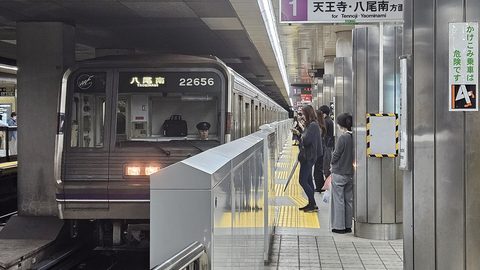 Getting Around Osaka, The Subway, the Private Railways and the Umeda Maze
Osaka's transit is fast but fractured. The Umeda station maze, private railway tickets and the ICOCA card explained before you go.
-
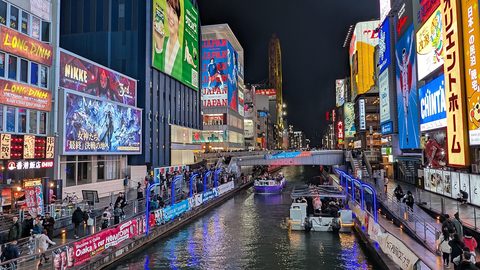 Osaka Itinerary How to Spend 1 2 3 or 5 Days in the City
Osaka itineraries for 1, 2, 3 and 5 days built around food, neighbourhoods and honest pacing, not a checklist of every sight in the city.
-
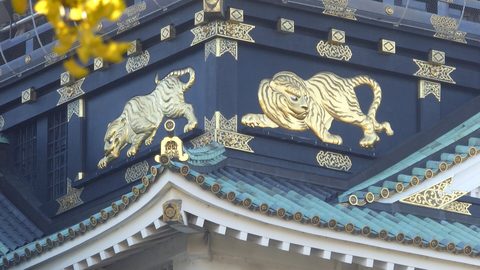 Osaka Castle
's park and moat walks outshine the concrete-reconstructed keep, which houses a museum and observation deck rather than original interiors.
-
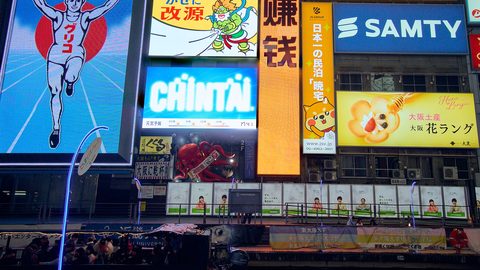 Dotonbori
 is Osaka's neon-lit eating canal, best used as a full-evening food and bar crawl rather than a quick Glico Sign photo stop.
-
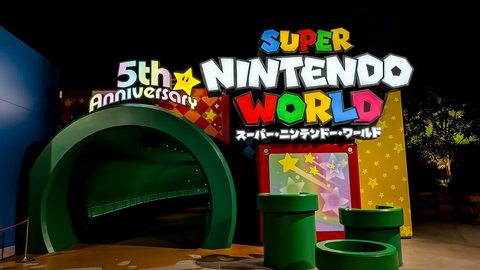 Universal Studios Japan
 demands a full day and a pre-purchased timed-entry ticket; here is whether USJ is worth it and how the ticketing actually works.