Osaka Through the Calendar Year With Crowds, Costs and What You Get
Osaka Through the Calendar Year with Crowds, Costs and What You Get
The Trade Off at the Counter
At 08:00 on a late March morning, a hundred people are already queuing outside Mizuno for okonomiyaki that will not be served for another three hours. This is the trade off. You came for the food. So did everyone else. The question is which month you are willing to pay for, in money and in patience.
Osaka runs on a calendar of crowds. Cherry blossom season in early April spikes hotel rates by 40 to 60 percent. Golden Week from late April to early May means standing room only trains and full bookings. Tenjin Matsuri on 24 and 25 July brings 3,000 fireworks and immovable crowds along the Okawa River. Winter from December to February drops tourist density and hotel rates to their lowest point outside Chinese New Year. Autumn foliage in November fills the city again with domestic travellers. Each month demands a trade off. Here is what you actually give up and what you get.

January, February and the Low Season Deal
Book January or February for the cheapest accommodation of the year. The average hotel rate hits its lowest annual point between these two months, excluding the Chinese New Year surge. January mean daily maximum sits at 9.5°C and the mean minimum at 2.8°C. You need a coat and you walk faster. But you also walk through Shinsekai without jostling, and a counter seat at a kushikatsu joint in the Tsutenkaku area is available at 19:00 without a wait.
The trade off is weather and shorter daylight. Winter sun sets around 17:00 and outdoor eating on Dotonbori is cold. You trade comfort for space. Winter also means tecchiri fugu hotpot season. Licensed restaurants in the Kuroshio Market area serve the pufferfish hotpot from December through February. This is a local specialty you cannot replicate in warmer months, and the quiet season means the best seats are available without a reservation.
March and April: Cherry Blossoms and the Peak Season Tax
The Sakura Surge
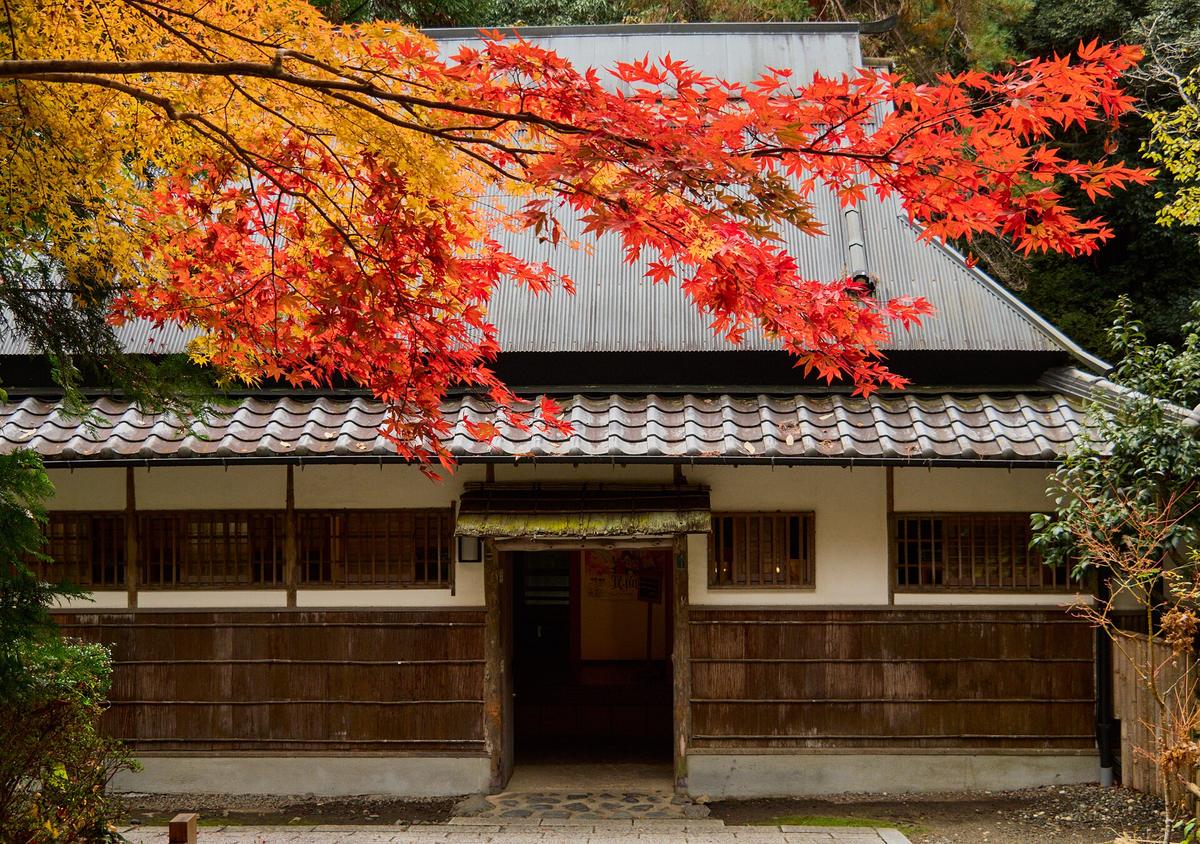
Cherry blossoms average first bloom in Osaka on 27 March and full bloom on 4 April. This period, from late March into mid April, is peak season for domestic travel. Hotels fill and rates jump sharply. The trade off: you pay a premium for sakura that is also visible in Kyoto, where the average full bloom is 6 April, two days later. If your priority is the blossoms alone, you pay the Osaka surcharge for a crowded park under the castle keep.
Osaka Castle Park is the main viewing spot. The castle keep itself is a 1931 concrete reconstruction, not an original structure. You are queuing for a view from an 8 floor museum, not a feudal landmark. The real draw in March and April is the weather. The rainy season has not started. The humidity is low. Walking between Kita and Minami across the Okawa River bridges is actually pleasant.
Where to Book, Where to Avoid
If you book in February, secure a hotel in Namba or Shinsaibashi, not near Shin Osaka station. The Shin Osaka district is a sterile business zone with no nightlife, and the commute to Namba or Umeda costs 40 minutes round trip. Pay the peak rate for the right neighbourhood. Do not pay it for a concrete transit hub.
| Month | Weather | Crowd Level | Hotel Rate | You Trade |
|---|---|---|---|---|
| January | Cold, 9.5°C high, 2.8°C low | Lowest of the year | Lowest annual | Warmth for space |
| February | Cold, similar to January | Low | Lowest | Short daylight for fugu season |
| March | Cool, sakura starts 27th | Rising from mid month | Rising sharply by month end | Off season peace for peak rates |
| April | Mild, full bloom 4th | Peak domestic travel | Peak spike | Tokyo level crowds for sakura |
| May | Warm, Golden Week 29 Apr 5 May | Extreme during Golden Week, moderate after | Peak then drops | Golden Week is a hard avoid |
| June | Rainy season starts 7th | Moderate | Moderate | Clear skies for lower rates |
| July | Rainy season ends 19th, 31.5°C high | High on 24 and 25 July for Tenjin Matsuri | Moderate | Festival access for immovable crowds |
| August | 33.4°C high, heat index 38 45°C | High for Obon 13 16 | Rising for Obon | Summer energy for extreme heat |
| September | Warm, Kishiwada Danjiri 12 13 Sep | Moderate | Moderate | Festival spectacle for the weekend surge |
| October | Mild, autumn foliage not yet peak | Low to moderate | Moderate | Best walking weather for no festival draw |
| November | Foliage peaks late Nov early Dec | High for domestic travel | Second peak after spring | Cool air for peak rates |
| December | Cool, foliage early Dec, New Year 29 Dec 3 Jan | Rising for New Year period | Rising | Quiet early month for New Year closures |
July and August: Heat, Humidity and the Summer Festivals
The Heat and What It Costs You
July mean daily maximum hits 31.5°C and August reaches 33.4°C. The heat index, the felt temperature, ranges from 38 to 45°C in both months. July morning humidity is 70 percent, dropping to 63 percent in the afternoon. Tokyo is more humid at 76 percent morning and 64 percent afternoon, so Osaka is the less oppressive choice. It is still uncomfortable for any outdoor walking between districts.
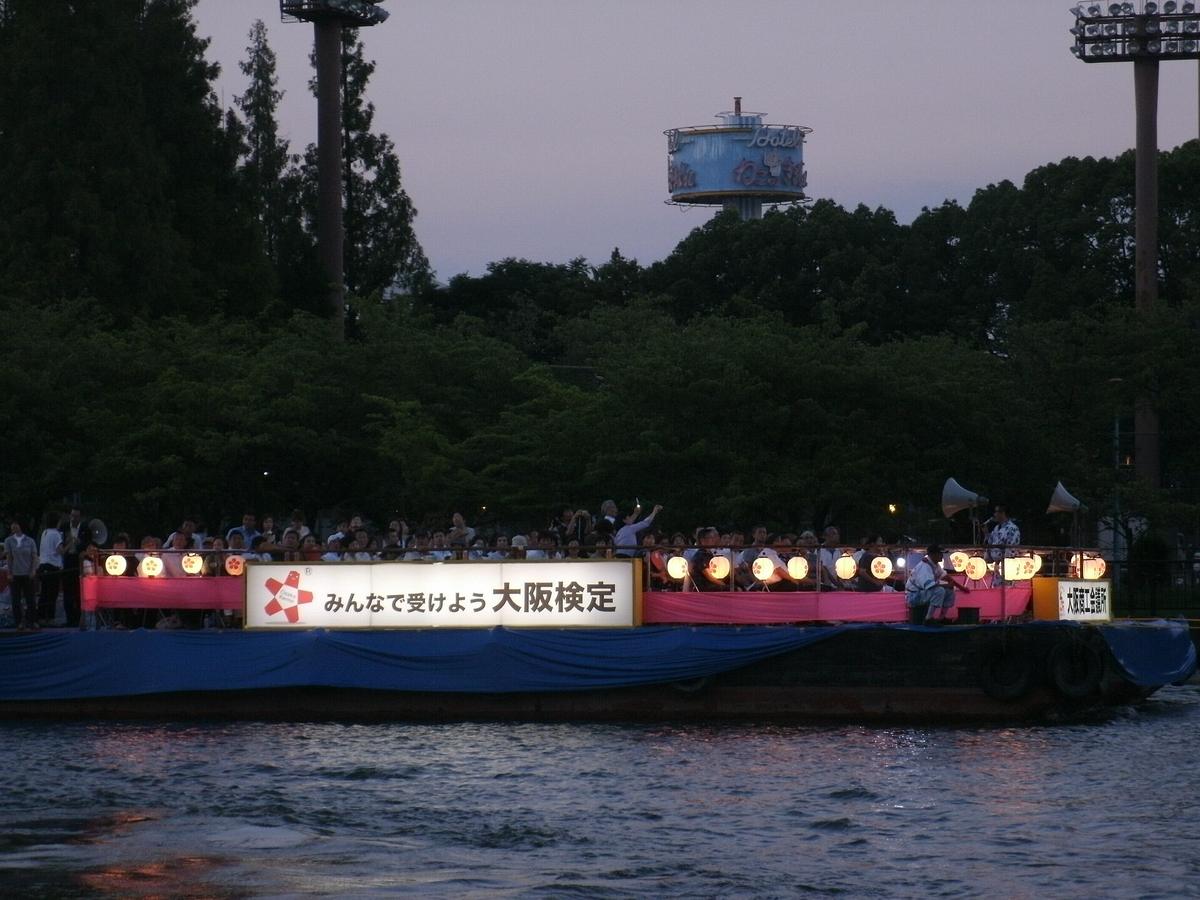
The trade off for the heat is Tenjin Matsuri on 24 and 25 July. The main events are a land procession on the 24th and a river procession with 3,000 fireworks on the 25th. The crowds around the Okawa River are dense and immovable. You navigate the festival in 31°C heat with thousands of other people. The trade off is simple: you endure the body heat of strangers to watch a river procession that is genuinely unique. The fireworks alone justify it for festival seekers. For anyone else, skip those two days and visit the week after, when the rainy season is fully over and the humidity drops slightly.
August and the Obon Shutdown
August adds Obon from 13 to 16 August. This is a domestic travel peak. Trains fill, hotels raise rates, and many small restaurants close for three days. The heat index remains extreme. Book accommodation at least two months ahead. Confirm restaurant hours by phone or hotel concierge before walking to a specific address. The failure case is a 20 minute walk through 35°C heat to a shuttered okonomiyaki place.

September Through November: the Walking Season and the Second Peak
September's Single Weekend
September brings the Kishiwada Danjiri Matsuri on the Saturday and Sunday before Respect for the Aged Day. In 2026 those dates are 12 and 13 September. The festival happens in Kishiwada City, a 30 minute ride on the Nankai Main Line from Namba. It is a single weekend. The trade off is minimal because Kishiwada is a short trip, not a city wide disruption. You get a festival with wooden floats and shouting teams, then you return to a city that is not overwhelmed.
October: The Quiet Month
October is the quietest of the good weather months. No major festival, no domestic travel peak. The foliage in Osaka Castle Park and Minoo Park peaks from late November into early December, not in October. You trade the foliage spectacle for uncrowded streets and hotel rates that have not yet risen for November. This is the month for the solo traveller who wants conversation in standing bars in Kyobashi without fighting for counter space.
November's Second Peak
November is the second peak season after spring. Domestic travellers come for the autumn foliage in Minoo Park, where the fried maple leaves are a seasonal snack, and in Osaka Castle Park. Hotels raise rates sharply. The trade off is cool walking weather for peak pricing. The walking weather is genuinely the best of the year. The humidity is gone, the temperature sits around 15 to 18°C, and the six kilometre walk from Namba to Umeda along the riverside is comfortable. The failure case is booking a hotel near Shin Osaka station again. You pay peak rates for a room in a district with no nightlife and a daily commute.
December: the Calm Before the New Year Surge
December starts with the tail end of autumn foliage in the first week. By mid month the leaves are gone and the cold settles in. The New Year period from 29 December to 3 January is a domestic travel peak, but the first two weeks of December are low crowd. Hotel rates are moderate. You trade the party atmosphere of summer and the foliage of November for the quietest version of the city outside of February.
The trade off is shorter opening hours at some smaller restaurants and the cold. Many standing bars and kushikatsu joints in Shinsekai close early in winter because the evening trade drops. Kuromon Market still operates from roughly 09:00 to 18:00 but some stalls close earlier. The solution is to eat earlier. Arrive at Kuromon by 10:00, eat your way through by 13:00, and finish the day with a fugu hotpot dinner that warms you for the walk back to the hotel.
The Timing Failure Case and One Rule for Getting it Right
The Midosuji Line Mistake
The single most common mistake is arriving during a domestic travel peak without understanding the transport impact. Golden Week from 29 April to 5 May means standing room only on the Midosuji Line, the main subway line that connects Shin Osaka, Umeda, Shinsaibashi, Namba and Tennoji. You can wait through three trains before getting on at peak hours. The cost is not just money. It is time. Each missed train is eight minutes, and you burn 30 minutes to move three stations.
Pick Your Tolerance, Not the Season
Choose your month by your tolerance for crowds and heat, not by the season's reputation. Spring and autumn are the most popular because the weather is mild. But the trade off is that you share the city with everyone else. Winter gives you the same food, the same standing bars, the same Dotonbori canal at night, without the queue for okonomiyaki. The question is whether you can handle 9.5°C to get it.
Osaka suits street food grazers who plan their trip around meals, nightlife seekers who want dense bar districts without a dress code, Kansai region base campers who prioritise transport convenience over beauty, repeat Japan visitors bored of Tokyo's formality, and solo travellers who find conversation easier in standing bars. It is not for travellers seeking a quiet, traditionally beautiful Japanese city. Kyoto is 29 minutes away by JR Special Rapid. Osaka is not a substitute.
Common Questions
What is the absolute cheapest month to visit Osaka?
January and February, excluding the Chinese New Year period. Hotel rates hit their lowest annual average in these two months. The trade off is cold weather with a mean daily maximum of 9.5°C and mean minimum of 2.8°C.
Should I skip Osaka during Tenjin Matsuri on 24 and 25 July?
Skip it if you dislike dense, immovable crowds around the Okawa River. The festival itself is a genuine draw with a land procession, river procession and roughly 3,000 fireworks. But the heat index that week is 38 to 45°C and the crowds are thick. If the festival is your reason for coming, go. If not, arrive the week after.
Is the cherry blossom season in Osaka worth the high hotel rates?
The value depends on whether you prioritise blossoms over cost. Average first bloom is 27 March and full bloom is 4 April. Hotels spike sharply in this period. Kyoto blooms two days later on average. If blossoms are your primary goal, you pay the same peak rates in Kyoto with the same crowds. If you want the city experience more than the flowers, visit in late March for the weather before the rate spike.
What months should I avoid completely?
Golden Week from 29 April to 5 May is a hard avoid. Trains are standing room only and accommodation spikes. The New Year period from 29 December to 3 January also creates extreme domestic travel surges. Both periods make the Midosuji Line and private railways difficult to use for basic movement around the city.
Is the rainy season in June and July a dealbreaker?
Not a dealbreaker. The rainy season starts 7 June and ends 19 July. Average precipitation is intermittent overcast, not continuous downpour. Periods of heavy rain last two to three days separated by dry intervals. July and August have the highest heat index all year, ranging from 38 to 45°C. The rain is less disruptive than the humidity that follows it.
Read next
-
 Osaka Hotels, Sorted by Price Band and Property Type Not Neighbourhood
Osaka hotels sorted by budget and type, business towers, luxury high-rises and the few ryokan, with the trade-off each choice demands.
-
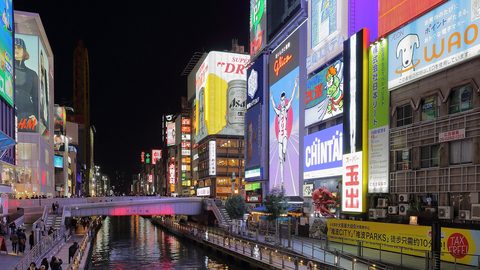 Where to Stay in Osaka, Pick the District That Matches Your Nights
Osaka's districts switch character after sunset. Pick where to stay based on whether you want street food chaos, standing-bar crawls or a quiet lane.
-
 Osaka Flights Which Airport to Choose and When to Book
KIX or Itami? Which Osaka airport to fly into, when flight prices spike during cherry blossom and November, and the booking windows that matter.
-
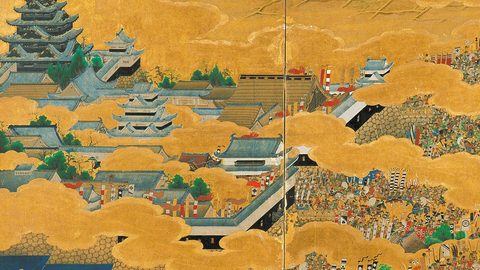 Osaka Things to Do, What Earns a Slot in Two Full Days
Osaka is not a monument city. This page ranks what earns a slot in two full days, from Dotonbori's neon to Shinsekai's retro grit.
-
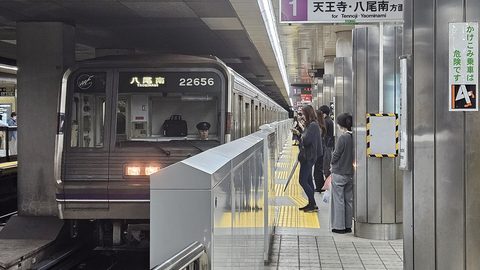 Getting Around Osaka, The Subway, the Private Railways and the Umeda Maze
Osaka's transit is fast but fractured. The Umeda station maze, private railway tickets and the ICOCA card explained before you go.
-
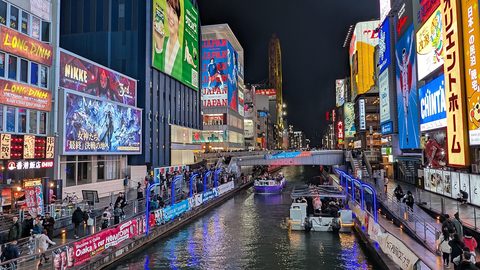 Osaka Itinerary How to Spend 1 2 3 or 5 Days in the City
Osaka itineraries for 1, 2, 3 and 5 days built around food, neighbourhoods and honest pacing, not a checklist of every sight in the city.
-
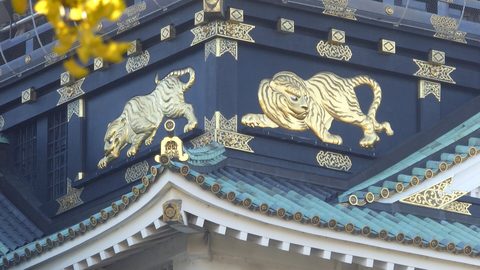 Osaka Castle
's park and moat walks outshine the concrete-reconstructed keep, which houses a museum and observation deck rather than original interiors.
-
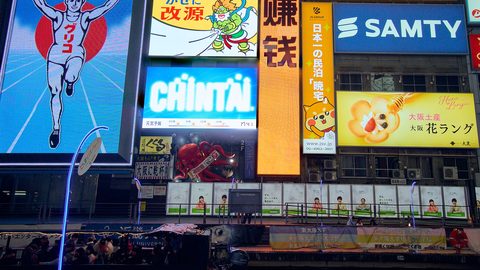 Dotonbori
 is Osaka's neon-lit eating canal, best used as a full-evening food and bar crawl rather than a quick Glico Sign photo stop.
-
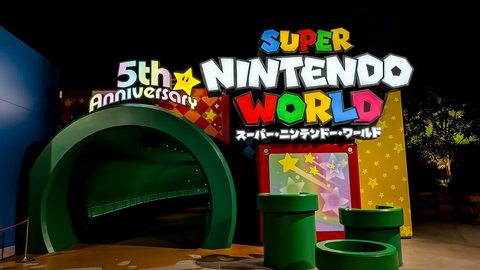 Universal Studios Japan
 demands a full day and a pre-purchased timed-entry ticket; here is whether USJ is worth it and how the ticketing actually works.