A Quiet Afternoon on Osaka’s Museum Island, Nakanoshima
Nakanoshima is Osaka's museum island, a riverside strip of civic galleries, rose gardens and the quietest central walk in the city.
- Flag
-

- ISO code
- JP
- Currency
- JPY
- Timezone
- Asia/Tokyo
A Quiet Afternoon on Osaka’s Museum Island, Nakanoshima
You need a break from Dotonbori's neon compression, Umeda's concrete vertigo, and the decision fatigue of a city that never stops selling you something. Nakanoshima is the answer. It is three subway stops from both. This 3 km sandbank between the Dojima River and the Tosabori River is Osaka's quietest central walk, a sliver of wide pavements, municipal self-respect, and genuinely good museums that visitors almost never find. It is not a full day. It is a half day reset, best taken between 13:00 and 18:00 on a weekday, when the office workers have gone back to their desks and the island belongs to you.
Start at the Rose Garden, Not the Museum
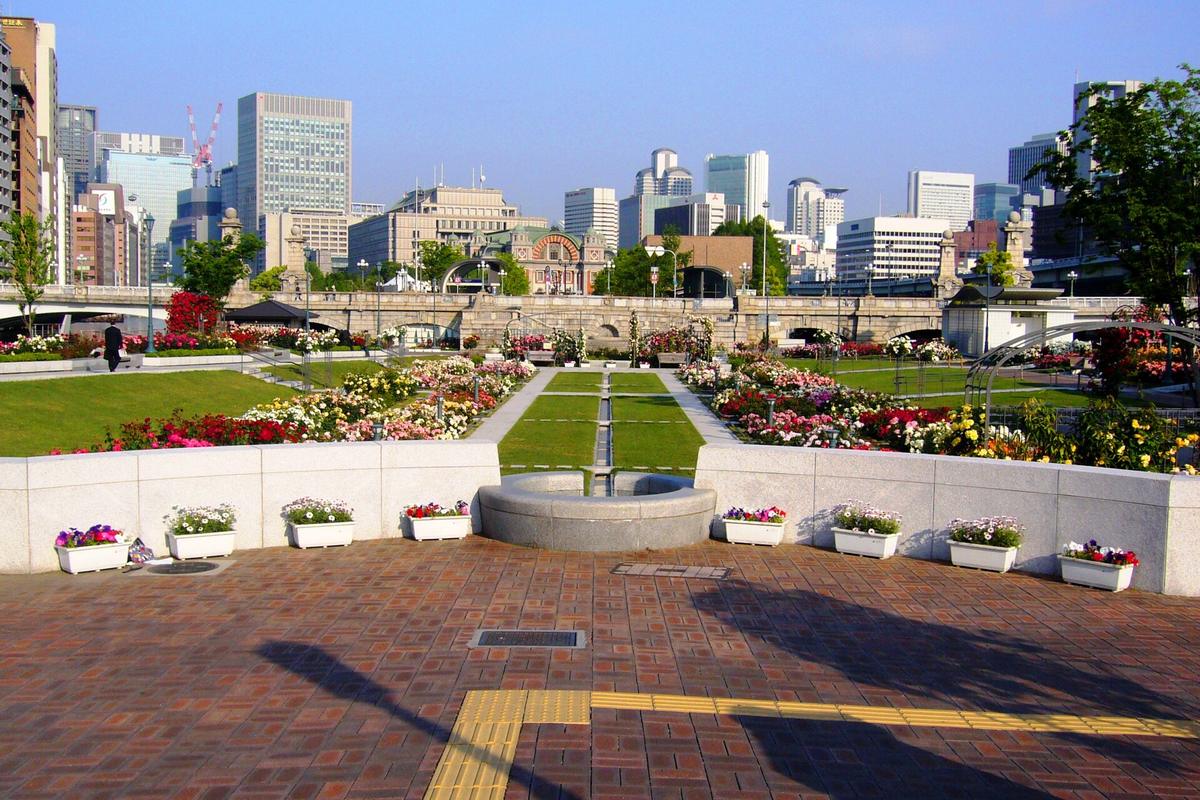
Get off the Midosuji Line at Yodoyabashi. Use Exit 1, 7 or 9, any of which put you on the island's eastern edge. Walk west. Within 300 metres you reach Nakanoshima Park, established in 1891 as Osaka's first public park. The rose garden, about 3,700 square metres, holds roughly 310 varieties and about 4,000 plants. The 2025 peak bloom dates were mid May and late October. Check the Osaka City Parks Association website for the precise 2026 schedule before you arrive; the two week windows are short. In between the rose cycles the garden is still a good place to sit, but the visual payoff drops sharply. Do not come in July expecting much colour.
The Museum Walk, West to East
The museums are strung along the central spine of the island. You walk them in a straight line, west to east or east to west. No backtracking is required.
National Museum of Art, Osaka
This is the strange one. Most of the building is underground, designed by César Pelli and opened in 2004. The collection covers Japanese and foreign contemporary art from 1945 onward. Allow 75 minutes. The underground galleries are climate controlled and quiet; the only sound is the ventilation system. The temporary exhibitions cost ¥1,000 to ¥1,500. The permanent collection costs less. Check the website before you go: the museum closes unpredictably between exhibitions. A Tuesday afternoon in February 2025 found it shut entirely, which is the kind of trap that wastes a half day if you do not verify.
Museum of Oriental Ceramics, Osaka
Opened in 1982 with the Ataka Collection as its core. It holds two National Treasures: a celadon vase with iron spots and a tenmoku tea bowl. The museum itself is a small, focused building. 45 minutes is enough. The ceramics are arranged by dynasty, not by aesthetic effect, so read the labels. The gift shop has excellent postcards of the tenmoku bowl. The entrance fee is around ¥1,000. Check the exact figure on the museum's own site; it changes for special exhibitions.
Osaka Science Museum
Opened in 1989. The planetarium has a 26.5 metre dome. The museum says it seats around 300. The real draw is the hands on floor for children. If you are an adult without kids, skip it. The space is loud, structured around school groups, and the English labelling on exhibits is thin. The planetarium shows are in Japanese. Save the hour.
Nakanoshima Museum of Art, Osaka
Opened in February 2022, designed by Katsuhiko Endo. The collection exceeds 5,700 works, inherited from the former Osaka City Museum of Modern Art. The building is a concrete cube with a stepped facade, and it looks better from across the river than from in front of it. The museum shop is one of the best in Osaka for design objects. Entrance is ¥1,500 to ¥2,000 depending on the exhibition. Book tickets online in advance on a weekend or during school holidays. The walk in queue on a Saturday can hit 40 minutes. On a Wednesday afternoon it is empty.
The Riverwalk and the Architecture You Can See for Free
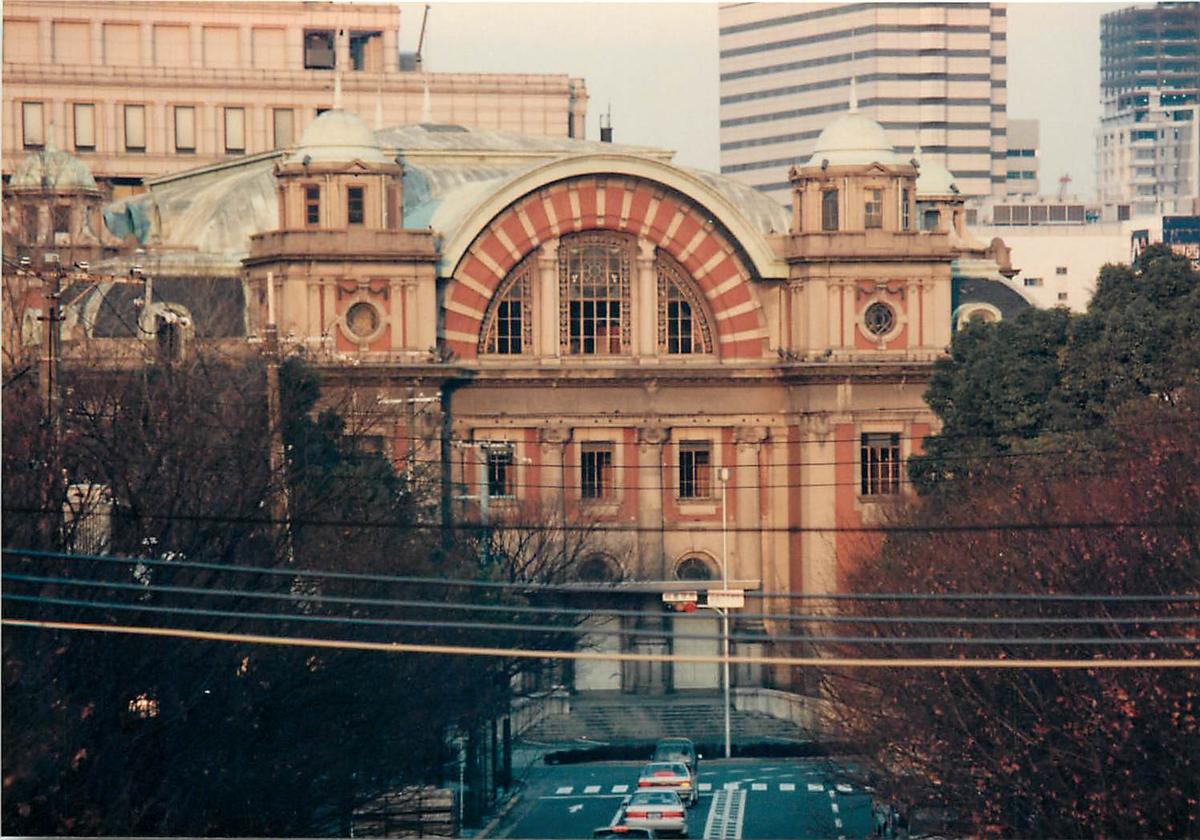
Do not spend all your time indoors. The Nakanoshima Riverwalk opened in two sections, east in 2019 and west in 2021. It runs along the southern bank of the Tosabori River. Walk it from the Museum of Oriental Ceramics west to the Central Public Hall. The hall, completed in 1918 in a Neo Renaissance style, is an Important Cultural Property. It was funded by a donation from Einosuke Iwamoto and designed by Setsu Watanabe. The Bank of Japan Osaka branch, completed in 1903 and designed by Kingo Tatsuno in a Neo Baroque style, is a few blocks north. Neither building is open to the public for casual visits but both are worth the walk past.
City Hall Observation Deck
The observation deck on the 22nd floor is free and open on weekdays during daytime hours. The elevator is in the main lobby. The view south across the river towards Namba is clear and undervisited. The deck closes at 17:00 or 18:00 depending on the season. Check the City Hall reception desk before you queue for the lift.
Where Evening Changes Everything
After sunset, Nakanoshima becomes an entirely different place. The waterfront and bridges are lit, and the Central Public Hall is floodlit against the dark river. The illumination runs from sunset until about 22:00. The crowds drop to near zero. This is the best time for photographs, not for dramatic light but for an empty frame. The downside: the island's dining options are built for office workers. Most restaurants in the Nakanoshima Festival Tower and the Nakanoshima Mitsui Building close by 20:00 on weekdays. On weekends the pickings are very limited. Conrad Osaka on floors 33 to 40 of the Festival Tower West is open later and has a bar with a 40th floor river view, but a single drink costs what a dinner costs in Shinsekai. Plan to eat before you arrive or after you leave. A 15 minute walk east to Yodoyabashi puts you in the restaurant district south of the Midosuji Line, where the kitchen hours are normal.
What Nakanoshima Cannot Do
This island is bad at nightlife, bad at weekend dining, and bad at a sense of urban energy. It is a weekday office district that happens to contain good museums and a walkable riverbank. Arrive on a Sunday expecting cafe culture or street performers and you will be disappointed. The visitor footfall is low relative to every other central Osaka walk. The island has no major shopping, no late kitchens, and no neon. That is exactly why it works as a reset. The people you pass are real estate lawyers on their lunch break, not tourists with selfie sticks.
)_Osaka_japan.jpg)
_-_panoramio.jpg)
| Museum | Opened | Architect | Collection Focus | Suggested Time |
|---|---|---|---|---|
| National Museum of Art, Osaka | 2004 | César Pelli | Contemporary art, 1945 onward | 75 min |
| Museum of Oriental Ceramics, Osaka | 1982 | Not specified in source | East Asian ceramics, Ataka Collection | 45 min |
| Osaka Science Museum | 1989 | Not specified in source | Science and planetarium | Skip for adults without children |
| Nakanoshima Museum of Art, Osaka | February 2022 | Katsuhiko Endo | 5,700+ works from modern art collection | 90 min |
Who Should Walk Nakanoshima
Nakanoshima suits the traveller on their third or fourth day in Osaka who needs a stretch without a purchase decision. It suits the photographer who wants the Central Public Hall floodlit at dusk without a crowd in the frame. It suits the solo traveller who finds Dotonbori's density exhausting and wants to walk beside water without dodging selfie sticks. It does not suit the traveller with one day in Osaka who must choose between the castle and the island. Pick the castle. It does not suit anyone who arrives on a Sunday expecting open museum doors and a full cafe scene. The island is a weekday reset, not a weekend attraction. It does not suit the nightlife seeker: Kitashinchi is ten minutes north and Shinsekai is twenty minutes south, and both are better uses of the evening hours.
Getting Onto the Island
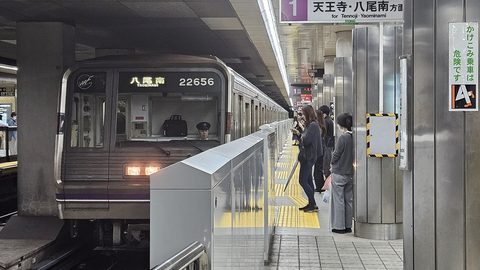
Yodoyabashi on the Midosuji Line is the simplest entry point. From Namba it is two stops. From Umeda it is one stop. The Keihan Nakanoshima Line terminates at Nakanoshima, which is useful if you are coming from Kyoto via the Keihan Main Line: you stay on the same train and arrive on the island without changing lines. The Tanimachi Line's Temmabashi works for the eastern end, closest to the Museum of Oriental Ceramics. Do not use Umeda as a waypoint unless you know exactly which exit you need; the multi station maze causes missed meetups daily. Use the Midosuji Line direct.
What it Costs and Where to Save
The museums cost between nothing and ¥2,000 each. The rose garden is free. The riverwalk is free. The City Hall observation deck is free and includes the best view of the island for exactly zero yen. The biggest expense on Nakanoshima is lunch at a Festival Tower restaurant, which runs ¥1,500 to ¥2,500 for a set meal. Bring a water bottle; the vending machines on the island are spaced further apart than in the concourses. Budget nothing for souvenirs unless the Museum of Oriental Ceramics postcard rack catches you. Budget nothing for evening entertainment. You will not stay past 20:00.
Other areas in Osaka
Common Questions
How long do I need on Nakanoshima?
Three to four hours is enough. Two if you skip the art museums and just walk the riverbank. Do not try to stretch it into an evening; the dining options vanish after 20:00.
Which subway station do I use?
Yodoyabashi on the Midosuji Line. Exits 1, 7 and 9 put you directly on the island. Temmabashi on the Tanimachi Line serves the eastern tip. The Keihan Nakanoshima Line stops at Nakanoshima, Watanabebashi and Oebashi, all on the island.
Is the rose garden worth a special trip?
Only in mid May and late October, when the peak bloom hits. Outside those windows the garden is a pleasant park with some colour but not a destination. Check the Osaka City Parks Association dates before you travel.
Can I see all four museums in one afternoon?
No. Skip the Science Museum unless you have children. The three art and ceramics museums can be done in one afternoon if you arrive by 13:00 and move quickly. The Nakanoshima Museum of Art requires the most time, allow 90 minutes minimum.
Is the City Hall observation deck open to everyone?
Yes, and it is free. It is on the 22nd floor and open weekday daytime hours only. The exact closing time depends on the season; check at the reception desk before you ride the elevator. It is closed on weekends and public holidays.
Where do I eat on the island?
The Nakanoshima Festival Tower and the Nakanoshima Mitsui Building have a good concentration of daytime cafes and lunch restaurants. After 20:00 on weekdays most close. On weekends the options are very limited. Walk east to Yodoyabashi for reliable evening dining.
Why do other visitors miss Nakanoshima?
It has no shopping, no nightlife, no street food, and no famous landmark that appears in social media feeds. It looks like a business district from the subway map, so tourists route around it. That is the reason it stays quiet.
Read next
-
 Osaka Hotels, Sorted by Price Band and Property Type Not Neighbourhood
Osaka hotels sorted by budget and type, business towers, luxury high-rises and the few ryokan, with the trade-off each choice demands.
Osaka Hotels, Sorted by Price Band and Property Type Not Neighbourhood
Osaka hotels sorted by budget and type, business towers, luxury high-rises and the few ryokan, with the trade-off each choice demands.
-
 Where to Stay in Osaka, Pick the District That Matches Your Nights
Osaka's districts switch character after sunset. Pick where to stay based on whether you want street food chaos, standing-bar crawls or a quiet lane.
Where to Stay in Osaka, Pick the District That Matches Your Nights
Osaka's districts switch character after sunset. Pick where to stay based on whether you want street food chaos, standing-bar crawls or a quiet lane.
-
 Osaka Flights Which Airport to Choose and When to Book
KIX or Itami? Which Osaka airport to fly into, when flight prices spike during cherry blossom and November, and the booking windows that matter.
Osaka Flights Which Airport to Choose and When to Book
KIX or Itami? Which Osaka airport to fly into, when flight prices spike during cherry blossom and November, and the booking windows that matter.
-
 Osaka Things to Do, What Earns a Slot in Two Full Days
Osaka is not a monument city. This page ranks what earns a slot in two full days, from Dotonbori's neon to Shinsekai's retro grit.
Osaka Things to Do, What Earns a Slot in Two Full Days
Osaka is not a monument city. This page ranks what earns a slot in two full days, from Dotonbori's neon to Shinsekai's retro grit.
-
 Best Time to Visit Osaka, Month by Month and the Trade Off Each One Asks
-
 Getting Around Osaka, The Subway, the Private Railways and the Umeda Maze
Osaka's transit is fast but fractured. The Umeda station maze, private railway tickets and the ICOCA card explained before you go.
Getting Around Osaka, The Subway, the Private Railways and the Umeda Maze
Osaka's transit is fast but fractured. The Umeda station maze, private railway tickets and the ICOCA card explained before you go.
-
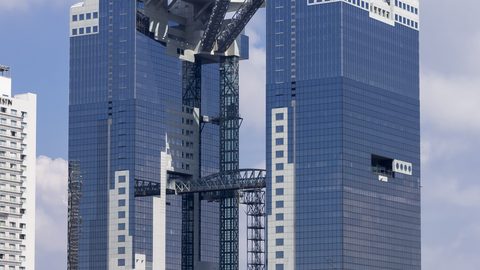 Umeda
How to navigate Umeda's multi-station maze in Osaka's Kita district: which exits to use, where to meet someone, and why the department stores are your best landmark.
Umeda
How to navigate Umeda's multi-station maze in Osaka's Kita district: which exits to use, where to meet someone, and why the department stores are your best landmark.
-
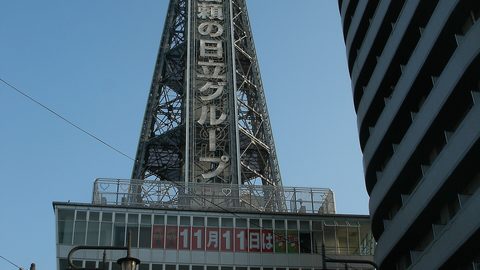 Shinsekai
 is Osaka's 1912 future district, home to kushikatsu alleys, Tsutenkaku tower and an unpolished Showa-era atmosphere that rewards the right visitor.
Shinsekai
Shinsekai is Osaka's 1912 future district, home to kushikatsu alleys, Tsutenkaku tower and an unpolished Showa-era atmosphere that rewards the right visitor.
-
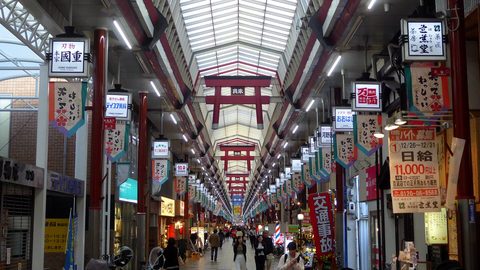 Tenma
Tenma is home to Japan's longest shopping arcade, Tenjinbashisuji, and the best-value standing bars and budget eating in Osaka.
Tenma
Tenma is home to Japan's longest shopping arcade, Tenjinbashisuji, and the best-value standing bars and budget eating in Osaka.