Ranking Osaka Sights by What Deserves Your Limited Time
Osaka is not a monument city. This page ranks what earns a slot in two full days, from Dotonbori's neon to Shinsekai's retro grit.
The One Fact That Changes How You Pack for Osaka
Osaka has fewer sights worth your limited time than Kyoto. Its primary draw is food, street life, and urban atmosphere, not monuments. That is the single most useful fact you will read here. If you arrive expecting the temple count of Kyoto or the politeness of Tokyo, you will leave confused. If you arrive expecting a loud, unpolished, commerce-obsessed city that moves faster than Tokyo and feels more working class, you will leave plotting your return. The question is not what exists in Osaka. It is what earns a slot in two or three days.
The Osaka Castle Problem
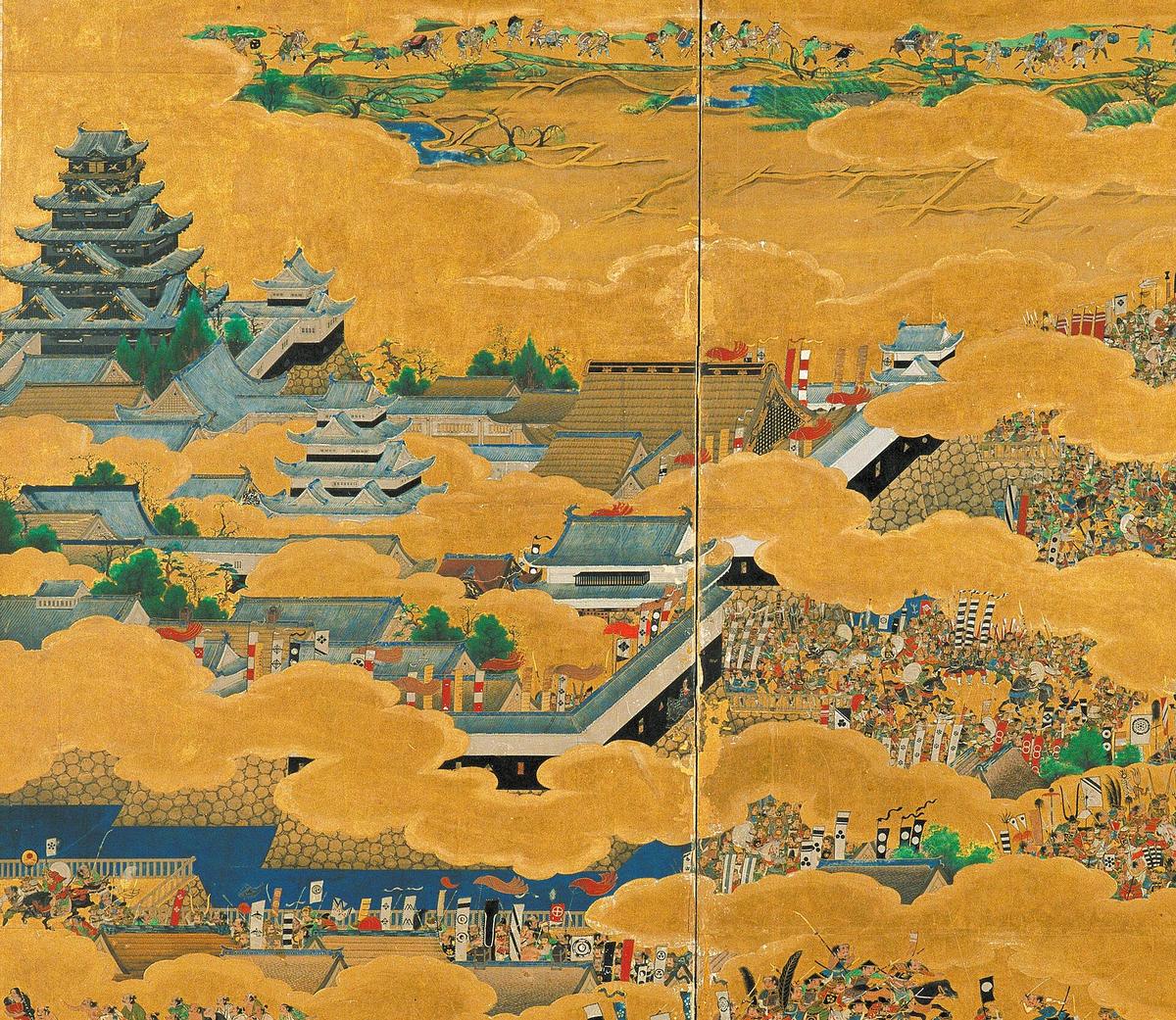
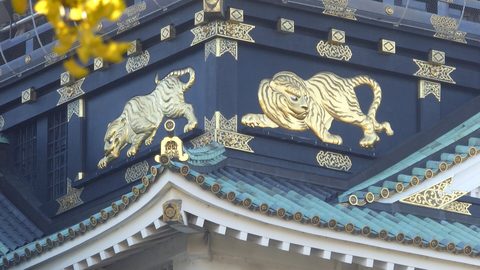
Osaka Castle is the most famous sight in the city and the most overrated use of your morning. The keep is a concrete reconstruction built in 1931, not a surviving feudal structure. Inside is a museum with dioramas and a small observation deck. The exterior and the park are what deserve your time, not the interior. Skip paying the ¥600 entry. Walk the grounds, photograph the stone walls and the moat from the Nishinomaru Garden side, and leave. The castle park itself is free. The garden costs ¥200. Arrive by 08:00 when the park opens and the light is soft on the white plaster. Be out by 09:30. That hour and a half is the most efficient use of this sight in a two-day visit.
Nakazakicho: The Morning After the Castle
What fills the rest of your Kita district morning? Nakazakicho is a short walk from Umeda and holds prewar wooden buildings, indie coffee shops, and slow lanes that feel nothing like the rest of Osaka. This is where the city rewards people who leave the main streets. The area takes about forty-five minutes to walk end to end, longer if you stop for coffee.
The Umeda Sky Building Decision
After Nakazakicho, the Umeda Sky Building Floating Garden Observatory is a decision point. It charges ¥1,500 and queues peak at sunset with waits up to an hour. The view is wide but the open-air escalator is the real spectacle. If you have seen a high observation deck anywhere else, skip it. The free view from the Abeno Harukas ground-floor lobby is less dramatic but costs nothing and has no line. If you do choose the Sky Building, arrive at 09:30 when it opens, not at sunset. You save the queue and the morning light across the city is clearer anyway.

Why Dotonbori Gets Exactly 20 Minutes
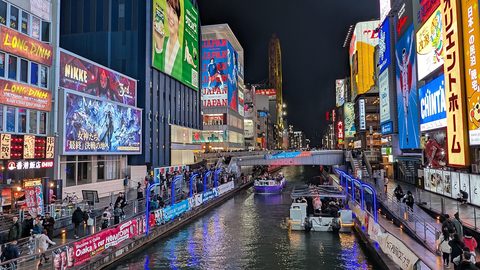
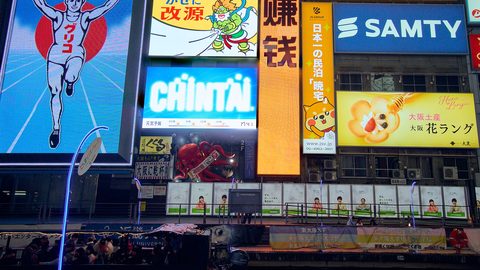
Dotonbori is the most famous night scene in Osaka and it requires a very specific time and duration. The main strip is shoulder to shoulder after 19:00 on weekends. Eating while walking is locally frowned on despite the street-food vibe. The Glico sign is a twenty-second photo stop. The canal looks best after dark when the neon reflects on the water. Arrive at dusk, walk the canal bank from the Ebisubashi bridge to the Nipponbashi bridge, take your photo, and leave. That is twenty minutes. The rest of the evening belongs to Minami, not Dotonbori itself.
Minami: Where Your Evenings Actually Go
Minami, meaning Namba and Shinsaibashi together, is where the second day of your two-day visit goes. Shinsaibashi is the shopping spine running north-south. Namba is the transport and nightlife core. The distinction matters because where you stay decides your evenings. Accommodation in Namba puts you at the Nankai and Kintetsu terminals for day trips to Nara and Koyasan. Accommodation in Umeda puts you at the Hankyu and JR terminals for Kyoto and Kobe. Booking near Shin-Osaka station is the common mistake. That area is a sterile business district with almost no nightlife or walkable food streets, and the daily commute to Namba or Umeda eats forty minutes round trip. Do not do it.
Kuromon Market and the Morning Slot It Deserves
Kuromon Market is a 580-metre covered arcade of about 150 shops operating since the Edo period. Its nickname is Osaka's kitchen. The best time to visit is 09:00, before the lunch crowd and before the seafood stalls run out of their best uni and fatty tuna. Walk, browse, buy one or two things to eat standing at the stall counters. The market is free to walk. Food purchases cost between ¥200 and ¥600 per item. Do not plan a sit-down meal here. Do not go after 12:00 when the aisles become impassable. Forty-five minutes is enough.
Shinsekai and the Retro Afternoon That Costs Almost Nothing
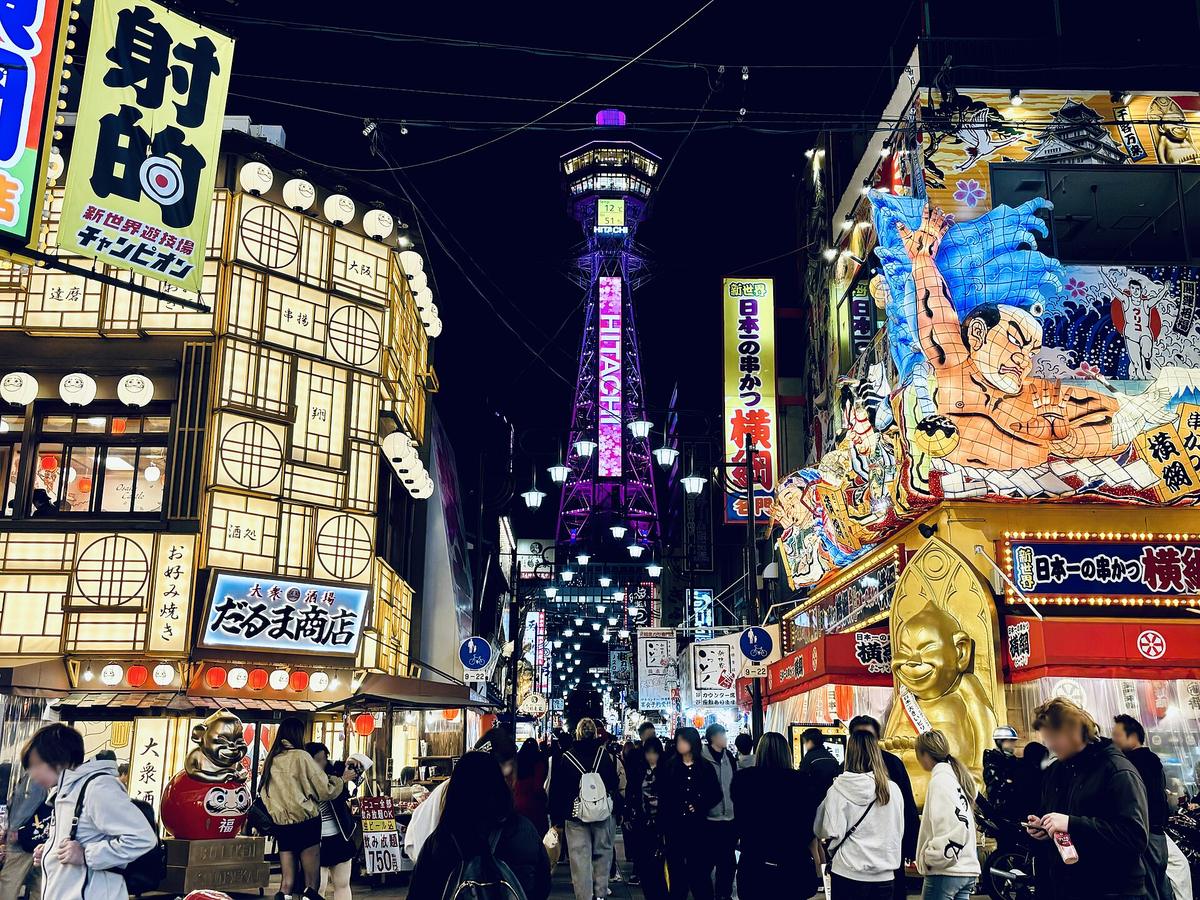
Shinsekai is the retro postwar district around Tsutenkaku Tower. It is gritty, faded, and more honest than the polished tourist corridors. This is where you go for kushikatsu in the Janjan Yokocho alley, not for the tower itself. Tsutenkaku is a retro observation deck with a ¥1,000 entry. The view is fine. The real draw of Shinsekai is walking the narrow alleys, watching the old signage, and understanding a Showa-era Osaka that the rest of the city has renovated away. Carry ¥5,000 in cash. Many of the small kushikatsu joints and standing bars in this district do not take cards. The strict no-double-dipping sauce rule is real and posted in Japanese and English. Budget one hour.
Sumiyoshi Taisha, the Sight Most First Visits Miss
Sumiyoshi Taisha is twenty minutes south of Namba on the Nankai Main Line and is the one sight first-time visitors skip. It is the head shrine of the Sumiyoshi faith and its straight roofline is unique among Japanese shrines. The grounds are free. The architecture predates Buddhist influence, so it looks like nothing else in Kansai. You need thirty minutes. Arrive at 07:00 when it opens and you will have the main hall to yourself. By 09:00 the tour groups arrive. Pair this with the Osaka Museum of History on Nakanoshima, which costs ¥600 and gives you a ten-floor walk through starting at the top with an Osaka Castle view. The museum is closed Tuesdays, or Wednesdays if Tuesday is a holiday. Check your day of the week before you plan the route.
Nakanoshima: Three Museums on a Sandbank
Nakanoshima itself is a sandbank island between two rivers with free riverside promenades, a rose garden that peaks in May and October, and three museums within a ten-minute walk. The Museum of Oriental Ceramics holds one of the world's best collections of Korean and Chinese ceramics. The National Museum of Art Osaka is underground and focuses on postwar works. The Osaka Science Museum is better for families. None of these require advance booking. Budget ninety minutes for one museum or forty-five minutes for just walking the riverbanks.
What Costs Money and Whether it Pays
teamLab Botanical Garden Osaka is an outdoor nighttime digital art installation that requires advance timed-entry booking about two months ahead. The entry fee is set annually by the operator and was ¥3,200 in 2024. It runs in the grounds of the Nagai Botanical Garden and is worth the trip if you have seen other teamLab installations and want the outdoor variant. It is not worth the trip if you have limited evenings and have not yet seen Dotonbori after dark. The Dotonbori river experience is free and more representative of Osaka.
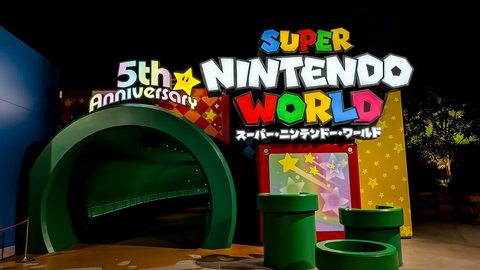
Kaiyukan Aquarium charges ¥2,700 and its queue peaks at 11:00. The whale shark in the central tank is impressive. The building is a forty-five-minute subway ride from Namba in the Bay Area on an artificial island. If you are a parent with children who need a break from walking, budget three hours and arrive at 09:00. If you are an adult without children and you have only two days, skip it. The Bay Area also holds Universal Studios Japan, which is a full-day commitment with a timed-entry ticket that must be purchased online before travel. Super Nintendo World inside USJ requires a separate area timed entry or an Express Pass that sells out weeks ahead for peak dates. A standard one-day Studio Pass in 2024 ranged from ¥8,600 to ¥10,900 depending on date, revised annually by the park. This is not a decision you make the morning of. If you want USJ, build the entire third day around it. If you do not, the Bay Area does not justify the subway ride.

The Day Trip Trap and How to Avoid it
Osaka's transport hub function is its greatest strength and its greatest trap. You can reach Nara in thirty-six minutes from Namba on the Kintetsu Nara Line for ¥680. Kyoto takes twenty-nine minutes from Osaka Station on the JR Special Rapid for ¥580. Himeji is sixty-two minutes from Osaka Station for ¥1,520. Kobe is thirty-two minutes from Umeda on the Hanshin Main Line. Each of these is a legitimate day trip. The trap is deciding you must do one of them on a two-day trip to Osaka. You do not. Two days in Osaka itself is the minimum to feel the city. Adding Nara or Kyoto on day three is fine if you have a third day. Doing Nara as a morning blitz and Osaka Castle in the afternoon on the same day is how you end up seeing nothing well. Pick the city or pick the day trip, not both in the same day.
Surviving Umeda Station
The single biggest trip-up in getting around Osaka is Umeda station itself. The Umeda complex is seven distinct stations stacked across three dimensions: JR Osaka, Hankyu Umeda, Hanshin Umeda, three separate subway stations, and a JR freight platform. Exits are not interchangeable. Meeting someone at Umeda is meaningless without a specific gate or landmark. Use the Big Man red screen above the Midosuji subway entrance on the south side of JR Osaka Station as your meeting point, or the Hankyu Umeda main concourse in front of the department store. Never agree to meet at the station ticket gates. You also need an ICOCA card or any major IC card to avoid buying individual tickets for each private railway. The subway pass does not cover Hankyu, Hanshin, Nankai, or Kintetsu. The Osaka Amazing Pass, priced at ¥3,300 for one day or ¥5,500 for two days in 2024 and revised annually by the Osaka Convention and Tourism Bureau, covers all subway, tram, and city bus lines and gives free entry to about forty facilities. It does not cover JR. If your plan uses only the subway and public facilities, it can pay off. If your plan uses private railways for day trips, it does not.
The Osaka Amazing Pass and When it is a Bad Deal
The Osaka Amazing Pass is the most popular tourist transport pass in the city and it is a bad deal for anyone staying in Namba who does not plan to visit multiple paid facilities. The one-day pass at ¥3,300 covers unlimited subway, tram, and city bus and free entry to about forty facilities. But most of the genuinely worthwhile Osaka experiences are free. Dotonbori at night is free. Kuromon Market browsing is free. Sumiyoshi Taisha grounds are free. Nakanoshima Park is free. Namba Yasaka Shrine is free. The ¥3,300 is better spent on a single paid activity and using IC card pay-as-you-go subway fares, which for two days of subway use will total roughly ¥1,200 to ¥1,800. If you do plan to visit the Umeda Sky Building at ¥1,500, Spa World at ¥1,500, and Osaka Museum of History at ¥600, the pass covers those and the subway and the math works in your favour. Check the list of included facilities before you buy, not after.
Common Questions
Is Osaka Castle worth going inside?
No. The interior is a concrete reconstruction with a museum and an elevator. The exterior and the park are the value. Skip the ¥600 keep entry and walk the grounds and the Nishinomaru Garden instead.
How many days do I need in Osaka?
Two full days is the minimum. One for Kita, meaning Umeda and Nakazakicho. One for Minami, meaning Namba, Shinsaibashi, Dotonbori, and Shinsekai. A single overnight stay undersells the city.
Where should I stay in Osaka?
Namba if you want nightlife and direct access to Nara and Koyasan. Umeda if you want transport convenience and direct access to Kyoto and Kobe. Shinsaibashi if you want the midpoint. Do not stay near Shin-Osaka station. It is a sterile business district with no nightlife and a forty-minute daily commute to anywhere you actually want to be.
Is Universal Studios Japan worth the full day?
If you are a theme park enthusiast or travelling with children who want Super Nintendo World, yes. If you are an adult with two days in Osaka, no. The Bay Area does not justify the subway ride without USJ, and the park requires a full day with timed-entry tickets bought weeks ahead.
What is the biggest mistake first-time visitors make?
Booking accommodation near Shin-Osaka station because it is a Shinkansen stop. The area has no nightlife, no walkable food streets, and the daily commute to Namba or Umeda eats forty minutes round trip. Also, trying to visit Nara or Kyoto as a half-day add-on to an Osaka day. Pick the city or pick the day trip, not both in the same day.
Read next
-
 Osaka Hotels, Sorted by Price Band and Property Type Not Neighbourhood
Osaka hotels sorted by budget and type, business towers, luxury high-rises and the few ryokan, with the trade-off each choice demands.
-
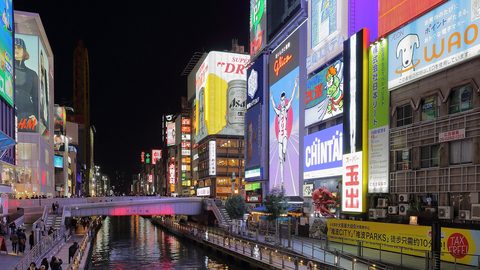 Where to Stay in Osaka, Pick the District That Matches Your Nights
Osaka's districts switch character after sunset. Pick where to stay based on whether you want street food chaos, standing-bar crawls or a quiet lane.
-
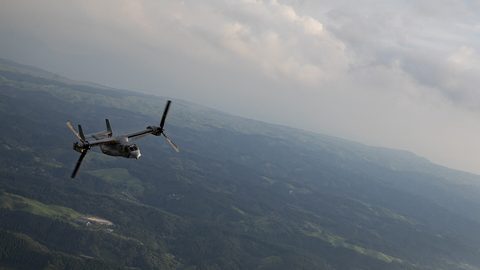 Osaka Flights Which Airport to Choose and When to Book
KIX or Itami? Which Osaka airport to fly into, when flight prices spike during cherry blossom and November, and the booking windows that matter.
-
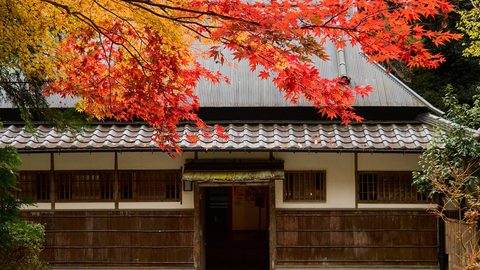 Best Time to Visit Osaka, Month by Month and the Trade Off Each One Asks
-
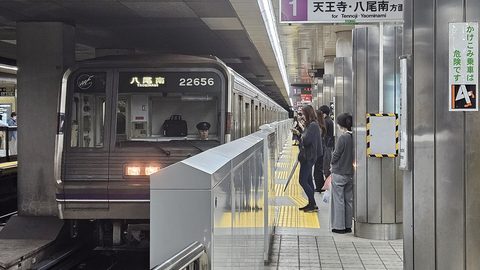 Getting Around Osaka, The Subway, the Private Railways and the Umeda Maze
Osaka's transit is fast but fractured. The Umeda station maze, private railway tickets and the ICOCA card explained before you go.
-
 Osaka Itinerary How to Spend 1 2 3 or 5 Days in the City
Osaka itineraries for 1, 2, 3 and 5 days built around food, neighbourhoods and honest pacing, not a checklist of every sight in the city.
-
 Osaka Castle
's park and moat walks outshine the concrete-reconstructed keep, which houses a museum and observation deck rather than original interiors.
-
 Dotonbori
 is Osaka's neon-lit eating canal, best used as a full-evening food and bar crawl rather than a quick Glico Sign photo stop.
-
 Universal Studios Japan
 demands a full day and a pre-purchased timed-entry ticket; here is whether USJ is worth it and how the ticketing actually works.