Late-Night Bus Services from Haneda After the Last Keikyu Line Departs

Late-Night Bus Services from Haneda After the Last Keikyu Line Departs
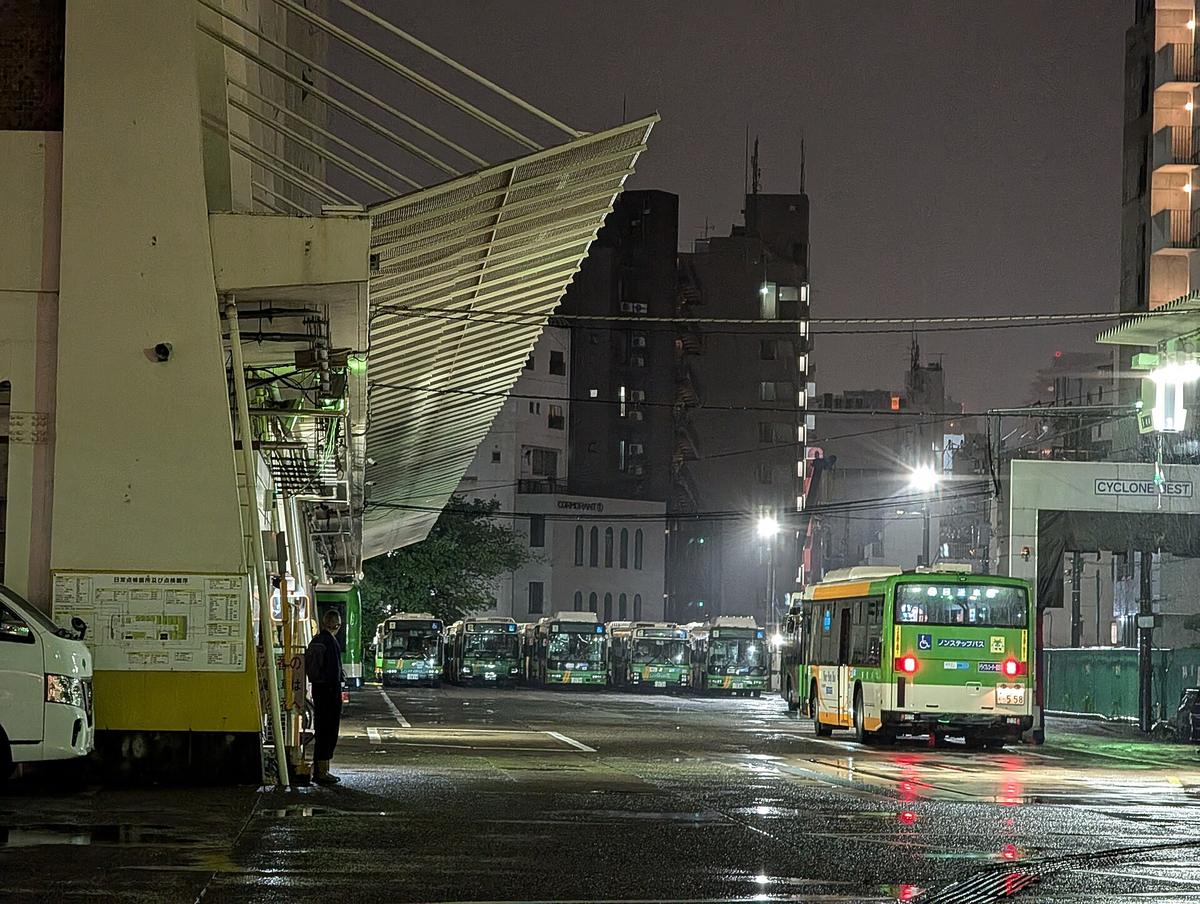
You land at Haneda after midnight and the trains have stopped. The only way into Tokyo until 05:00 is a late-night bus. Every route runs to a published timetable and serves specific wards, and one detail is easy to miss: these buses sell out and require an advance seat reservation.
The Keikyu Line and Tokyo Monorail both stop running around midnight. The first departures resume at roughly 05:00. Between those hours, the late-night limousine bus is your sole practical ground transport. Taxis cost ¥7,500 to ¥12,500 with the late-night surcharge. A bus costs ¥1,000 to ¥1,300. The trade-off: these services operate on a fixed timetable, do not wait for delayed flights, and often fill up before your turn at the ticket machine.
Which Buses Run and Where They Go
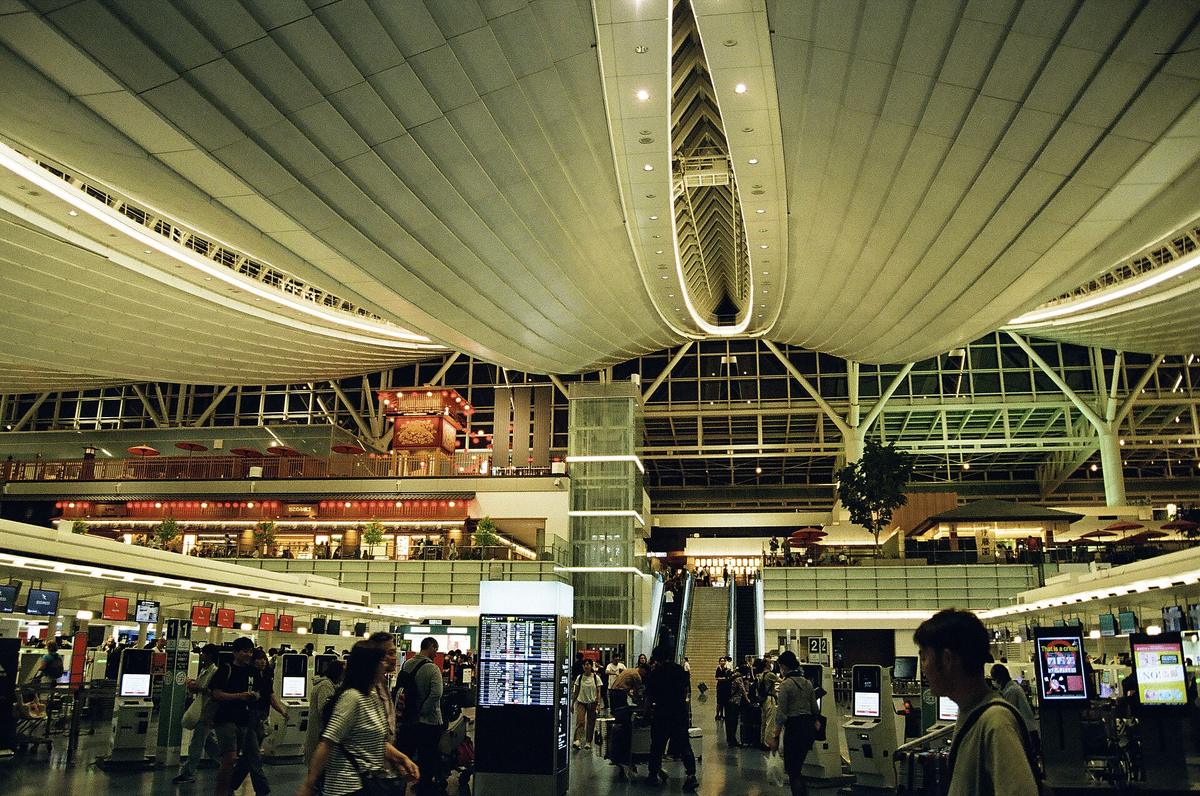
Two operators cover the late-night window: Airport Transport Service (branded Limousine Bus) and Keikyu Bus. Both serve all three terminals. Terminal 3 is the first stop, then Terminal 2, then Terminal 1. The boarding points are on the arrivals level (1F): Bus Stop No. 5 at Terminal 3, Bus Stop No. 6 at Terminal 2, and Bus Stop No. 8 at Terminal 1.
The primary late-night destinations from Haneda are:
- Tokyo Station area (Yaesu Exit), 25 to 45 minutes, ¥1,000 to ¥1,300
- Shinjuku Station (West Exit), 35 to 55 minutes, ¥1,200 to ¥1,400
- Shibuya Station (Mark City), 30 to 50 minutes, ¥1,000 to ¥1,200
- Roppongi / Akasaka, 30 to 50 minutes, ¥1,100 to ¥1,300
- Asakusa / Ueno, 40 to 60 minutes, ¥1,200 to ¥1,400
Expect 1 to 2 departures per hour per route. The first late-night services from Haneda start between 01:00 and 02:00. The last coach before daytime operations leaves around 05:00. Early morning runs from central Tokyo back to the airport follow the same window: first departures from 01:00 to 02:00, last ones around 05:00.
How to Buy a Ticket and Why You Should Do It Now
You have three ways to pay: a ticket machine at the stop, tapping your Suica or Pasmo IC card on board, or buying online in advance. The machines accept cash and most IC cards. Children pay half the adult fare, rounded to the nearest ¥10.
Here is the critical instruction: book online as soon as your flight is confirmed. These coaches are first come, first served. But the online booking system lets you reserve a seat for a specific departure. Wait until you reach the bus stop at 01:00, and you may find a queue of 40 people with the next service two hours away. The system accepts bookings up to one month ahead. Use it. A reserved seat means arriving at your hotel rested. A 02:00 wait on a terminal floor means starting your trip exhausted.
What Happens When the Bus Is Full or Your Destination Is Not Served
This is the failure case you need a plan for. If the coach to your destination is sold out, or if your ward is not on the direct route, you have three alternatives:
- Take a taxi. Cost at 01:00 runs ¥7,500 to ¥12,500. Split four ways, that is roughly ¥1,900 to ¥3,100 per person. Cheaper than a night in the terminal.
- Wait in the terminal until the first train at 05:00. Terminal 3 and Terminal 2 both have 24-hour seating areas. Terminal 3 also has a paid lounge. Bring a sleep mask and a jacket. The terminals are cold at 03:00.
- Take a bus to a hub station and then a taxi from there. For example, a coach to Shinjuku costs ¥1,200. A taxi from Shinjuku to your accommodation in Nakano or Koenji costs perhaps ¥2,500. Combined, that is cheaper than a direct taxi from the airport.
The wrong choice is when your destination requires a transfer from the drop-off point. These services leave you at a single station. If your hotel is 2 km from Shinjuku Station, you then need a taxi or a night bus from that station. In that case, a direct taxi from the airport may be faster and only marginally more expensive.
Early Morning Departures: Getting to Haneda Before the First Train
You have a 06:00 flight. The first Keikyu Line train from central Tokyo departs around 05:00, putting you at Haneda at roughly 05:20. That is 40 minutes before a domestic departure. Tight. For international flights you need to be at the gate 45 minutes before departure. The math does not work.
Your solution is the early morning coach from central Tokyo, departing between 05:00 and 05:30 depending on the route. These services run from the same major hubs: Tokyo Station, Shinjuku, Shibuya, and Roppongi. Journey time is 25 to 45 minutes. You arrive at Haneda between 05:25 and 06:15. For a 06:00 flight, you need the 05:00 departure at the latest, and even that is a risk for international flights. The safer play is a taxi. Cost from central Tokyo to the airport at 05:00 is ¥6,000 to ¥10,000. Share with another traveller at your hotel and that drops to ¥3,000 to ¥5,000 per person. Worth it for the sleep.
The timetable runs 1 to 2 departures per hour. The first coach from central Tokyo leaves between 01:00 and 02:00. The last one before daytime operations leaves around 05:00. If you need to be at Haneda by 05:30, take the last bus of the night window, not the first bus of the daytime schedule.
Packing and Luggage on the Night Bus
Each passenger gets two pieces of luggage in the hold. Each piece must not exceed 50 cm × 60 cm × 120 cm or 30 kg. You do not need to declare large cases. Load them yourself and retrieve them at the destination. There is no separate late-night surcharge on the fare; the posted price includes everything.
If you have more than two pieces, or if your luggage exceeds the size limit, you cannot board. Your options then are a taxi (which has no per-piece limit) or a luggage forwarding service. Yamato Transport counters at Haneda Terminal 3 accept luggage until 20:00. After 20:00, you cannot forward bags. Plan ahead.

Before You Go: the One Thing That Trips Everyone Up
The single most common mistake is assuming these buses run like daytime services. They do not. Daytime limousine buses to Haneda depart every 10 to 20 minutes and you can walk up and board. The late-night window is a skeleton service. One coach per hour to Shinjuku. One coach per hour to Tokyo Station. Miss it, and you wait 60 minutes or pay ¥10,000 for a taxi.
The second mistake is not checking whether your hotel is near the drop-off point. The bus stops at a single central location in each ward. If your accommodation is in a residential pocket 2 km from Shinjuku Station, you then need a taxi from the station. Factor that transfer cost and time into your decision. For some travellers, a direct taxi from the airport to the hotel door is both cheaper and faster.
The third mistake is arriving at the stop without cash. The ticket machine accepts IC cards, but if your IC card is empty or your foreign card fails at the machine (common after 21:00), you need cash. Carry at least ¥2,000 in yen notes.
Book your seat online. Carry cash. Know exactly where the bus drops you. Do those three things, and the night bus is a reliable, cheap way to reach central Tokyo when the trains have stopped. Skip any of them, and you will spend your first night in Japan watching the ceiling of Terminal 3.
Read next
-
 Tokyo Hotels by Type and Budget from Capsules to Luxury
Tokyo hotels organised by type and price band, from efficient capsule pods to full-service luxury towers, to help you book the right room.
Tokyo Hotels by Type and Budget from Capsules to Luxury
Tokyo hotels organised by type and price band, from efficient capsule pods to full-service luxury towers, to help you book the right room.
-
 Where to Stay in Tokyo by District and Travel Style
A comparison of Tokyo's major districts to help you choose the right base for your travel style, whether you want calm or chaos.
Where to Stay in Tokyo by District and Travel Style
A comparison of Tokyo's major districts to help you choose the right base for your travel style, whether you want calm or chaos.
-
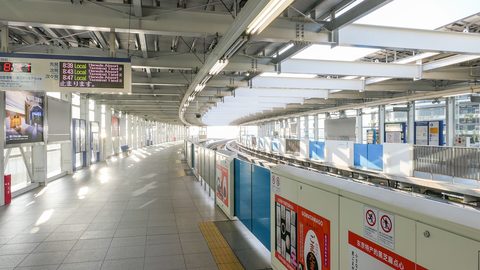 Narita or Haneda for Tokyo and What That Airport Choice Costs You
Narita or Haneda for Tokyo: compare door-to-district time, transfer cost, and what the wrong airport choice eats from your trip.
Narita or Haneda for Tokyo and What That Airport Choice Costs You
Narita or Haneda for Tokyo: compare door-to-district time, transfer cost, and what the wrong airport choice eats from your trip.
-
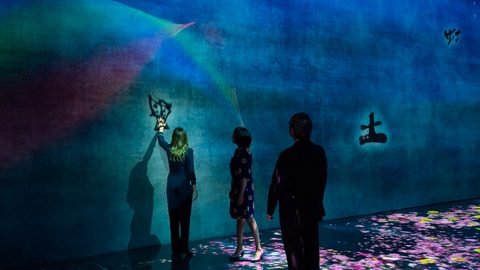 Things to Do in Tokyo That Are Worth Your Limited Days
A curated list of Tokyo's highest-impact sights and experiences, from immersive art to quiet backstreets, to help you prioritise your days.
Things to Do in Tokyo That Are Worth Your Limited Days
A curated list of Tokyo's highest-impact sights and experiences, from immersive art to quiet backstreets, to help you prioritise your days.
-
 Best Time to Visit Tokyo Month by Month Tradeoffs
A month-by-month guide to visiting Tokyo, laying out the trade-off between weather, crowds, price, and what's actually open.
Best Time to Visit Tokyo Month by Month Tradeoffs
A month-by-month guide to visiting Tokyo, laying out the trade-off between weather, crowds, price, and what's actually open.
-
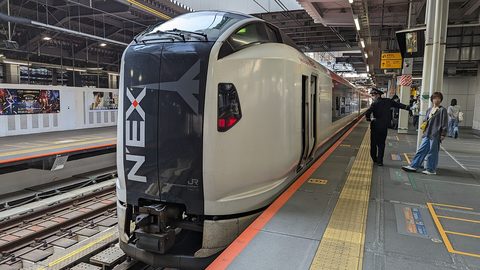 Getting Around Tokyo by Train Airport Transfers and IC Cards
A practical guide to Tokyo's rail network, covering airport transfers, IC cards, and how to avoid the station navigation mistakes that eat your day.
Getting Around Tokyo by Train Airport Transfers and IC Cards
A practical guide to Tokyo's rail network, covering airport transfers, IC cards, and how to avoid the station navigation mistakes that eat your day.
-
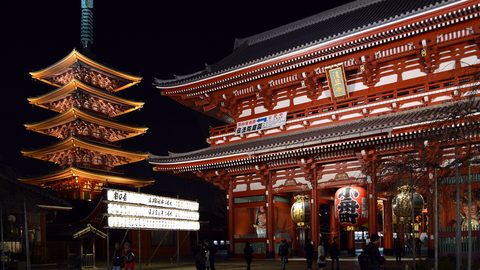 Senso-ji
 is free and never closes, but the experience at 6am with empty Nakamise stalls is nothing like the 11am crush under Kaminarimon. Here is when to go and what you get at each hour.
Senso-ji
Senso-ji is free and never closes, but the experience at 6am with empty Nakamise stalls is nothing like the 11am crush under Kaminarimon. Here is when to go and what you get at each hour.
-
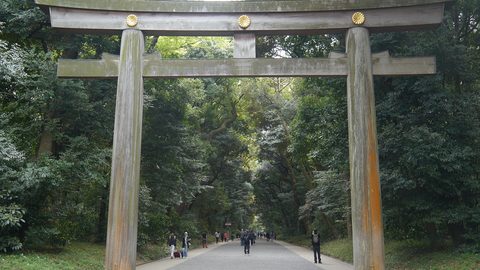 Meiji Jingu
The Meiji Jingu visit changes completely depending on which torii gate you enter. One drops you from Harajuku noise into sudden forest, the other builds quiet slowly from Yoyogi.
Meiji Jingu
The Meiji Jingu visit changes completely depending on which torii gate you enter. One drops you from Harajuku noise into sudden forest, the other builds quiet slowly from Yoyogi.
-
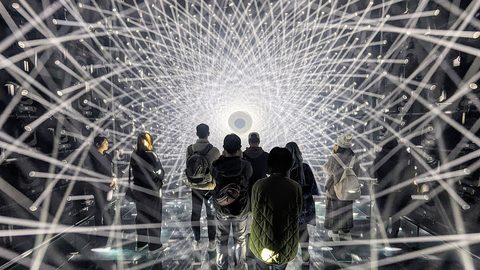 teamLab
 Borderless and Planets are two different Tokyo venues with separate booking systems. Borderless tickets at Azabudai Hills sell in timed slots and the maze has no fixed route.
teamLab
teamLab Borderless and Planets are two different Tokyo venues with separate booking systems. Borderless tickets at Azabudai Hills sell in timed slots and the maze has no fixed route.