A District-by-District Guide to Drinking in Tokyo and Surviving the Last Train
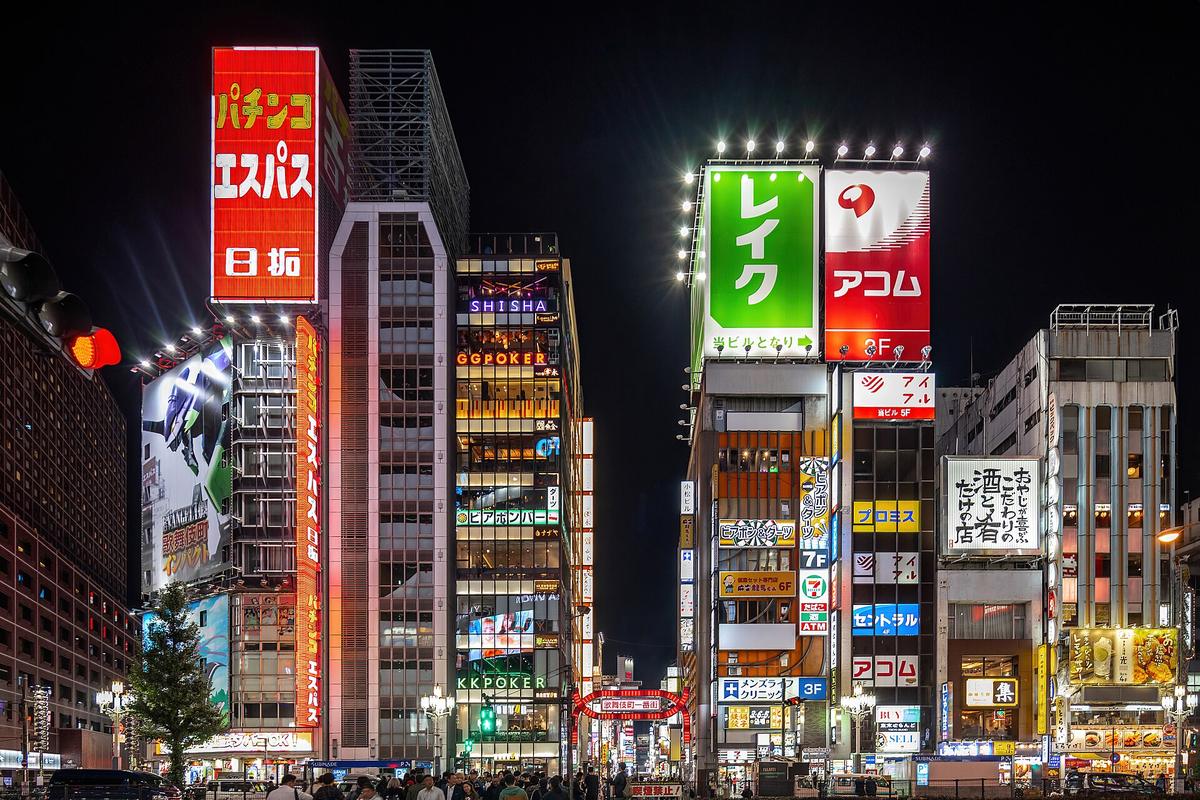
Tokyo nightlife ranges from Shinjuku micro bars to Ebisu craft beer, but every district shares the same last train problem around midnight.

Your Last Train Leaves Before You Want to
Tokyo trains stop running between 23:55 and 00:53 depending on the line. The JR Yamanote Line from Shibuya departs at 00:53 on the outer loop and 00:45 on the inner loop. Tokyo Metro trains from Shinjuku vanish between midnight and 00:30. Toei Subway lines from Roppongi stop between 23:55 and 00:25. If you are still in a bar at 00:45, you are no longer taking the train. You have four real options: pay a taxi, stay out until the morning trains resume around 05:00, book a capsule hotel, or find an all night venue. The mistake is assuming you can make the last train from a bar that is a 15 minute walk from the station. You cannot. Check the specific line timetable before you order your second highball.
The Districts You Actually Choose Between
Tokyo nightlife is not one scene. It is a patchwork of distinct districts that each solve a different problem. Pick the district that matches your drinking style, then solve the getting home problem separately.
Golden Gai and Omoide Yokocho
Golden Gai is roughly 280 micro bars packed into six alleys. Each bar seats 5 to 10 people. The cover charge runs from ¥500 to ¥1,500, and a drink costs ¥800 to ¥1,500. The bars are tiny, the walls are covered in whatever the owner collects, and you are expected to buy a drink and not linger for two hours if the bar is full. Omoide Yokocho, a five minute walk west, is about 60 yakitori and standing bar stalls under the railway tracks. The smell of charcoal grilling is the draw. Both areas shut the last train problem in your face: you cannot get a crowd of six into one Golden Gai bar, and you will pay a taxi if you stay past 00:30.
Nonbei Yokocho in Shibuya
Shibuya's Nonbei Yokocho is a single narrow alley of about 38 bars, each barely wider than a doorway. It sits a two minute walk from the scramble crossing. The vibe is standing room only, drinks are cheap at ¥400 to ¥700 for a highball, and the alley feels like a secret even though it is on every map. The problem: Shibuya station has multiple exits, and if you take the wrong one you surface on a different street entirely. Exit through the Hachiko gate for the shortest walk to the alley.
Ebisu Yokocho and Craft Beer
Ebisu Yokocho is one building containing about 30 izakaya style stalls. It is a single roof solution for a group that cannot agree on a cuisine. Wander the narrow corridor and pick a counter. Ebisu also has a growing craft beer scene, with taprooms that close earlier than the izakaya. The last train from Ebisu station on the Yamanote loop runs around 00:35. Miss it, and the taxi into central Tokyo costs roughly ¥2,500 to ¥3,500.
Roppongi for Late Night and Expat Crowds
Roppongi is the district that openly stays open until 05:00. Clubs on Gaien Higashi dori and around Roppongi Crossing charge ¥1,500 to ¥3,000 entry on weeknights before midnight, and ¥3,000 to ¥5,000 on weekends. That entry fee includes one or two drink tickets. The crowd is international, English is common, and the strip is loud. The pitfall: Roppongi attracts touts and cover charge scams. If someone on the street offers to take you to a club, say no and walk into a venue you can see from the pavement.
Shinbashi and the Standing Bar World
Shinbashi, under the JR tracks, has the highest concentration of standing bars in Tokyo. These are tachinomi. Cover charge is ¥0 to ¥300. A beer costs ¥500 to ¥800. You stand, you drink, you leave. Shinbashi is a weekday after work district. It empties early. By 23:00 most bars are closing. This district solves the last train problem by being the place you go before the last train, not after.
Hotel Bars in Marunouchi, Shinjuku and Toranomon
Hotel bars are the reliable late night option that does not feel like a survival strategy. The Park Hyatt Tokyo in Shinjuku, the Palace Hotel in Marunouchi, and the Andaz Tokyo in Toranomon all serve cocktails from ¥2,000 to ¥3,500. These bars run later than the train. The dress code is smart casual, not formal. The problem: the drinks are expensive, and the view from the Park Hyatt bar comes with a cover charge. Book a window table if you want the skyline. Walk in at 23:30 on a Saturday and you face a 45 minute wait.
Jazz Kissa for a Quiet Late Night
Jazz kissa are listening bars. You pay a cover charge of ¥1,000 to ¥3,000, which includes one drink. A set lasts 45 to 60 minutes. You sit in the dark and listen to vinyl. Shinjuku's Pit Inn and Dug are from the 1960s and 1970s. Shibuya has Body and Soul. Kichijoji has Sometime and Meg. These are not social bars. Do not go with a loud group. Do go if you are alone and want to wait out the hours until the first train at 05:00. The catch: some jazz kissa close at 23:00. Check the hours before you take the train there.
How You Get Home When the Trains Stop
There is a hierarchy of solutions. Rank them by cost and convenience before you go out, not at 01:00 when you are tired and your phone battery is at 12 percent.
Taxi: Fastest and Most Expensive
A taxi in Tokyo's 23 wards charges a base fare of ¥500 for the first 1.096 kilometres, then ¥100 for each additional 255 metres. Between 22:00 and 05:00 a 20 percent surcharge applies. A late night taxi from Shibuya to Shinjuku, about 4 kilometres, costs ¥2,500 to ¥3,500. From Roppongi to Shinjuku, about 5 kilometres, it is ¥3,000 to ¥4,000. Split the fare with your group and it becomes manageable. Ride alone and it stings. The hard part: taxis are scarce in residential areas at 01:00. Walk to a major road like Gaien Higashi dori or Meiji dori. Do not stand on a side street hoping one appears.
Capsule Hotel: The Mid Range Emergency Bed
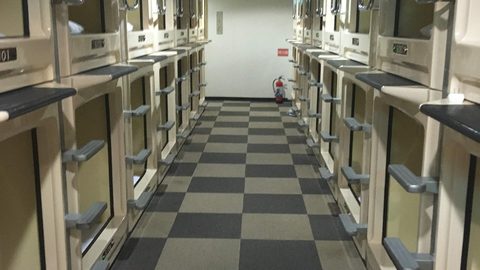
Capsule hotels charge ¥3,000 to ¥5,000 for an overnight stay. During high demand periods like cherry blossom season or New Year, rates can reach up to ¥8,000. You get a pod, a shared bathroom, and a locker for your shoes. Location matters. A capsule hotel near Shinjuku station is more expensive than one in a side street. Book online before you go out. Walk in rates are higher and availability drops after midnight. The reality: a capsule hotel pod is not a hotel room. If you are claustrophobic, 1.8 metres of enclosed plastic tube will not work.
All Night Venues: Karaoke, Manga Cafes, and 24 Hour Restaurants
Karaoke chains like Big Echo and Karaoke Kan run all night. A 3 hour session costs roughly ¥1,500 to ¥3,000 per person with drinks included. Manga and internet cafes offer a private booth and a reclining chair for ¥1,500 to ¥3,000 overnight. 24 hour family restaurants like Gusto and Denny's let you sit with a coffee for ¥300 an hour. All of these are common fallback plans. The trade off: you have to be sober enough to sleep in a chair and okay with waking up at 05:00 when the trains start again.
Love Hotels: The Short Stay Option
Love hotels rent rooms by the hour. A 3 to 4 hour stay costs ¥3,000 to ¥8,000. They are clustered around entertainment districts like Kabukicho and Roppongi. The drawback: love hotels are not designed for solo sleep. Many have themed rooms, bright lighting, and minimal soundproofing. If you just need a bed until 05:00, a capsule hotel is a better choice.
The Costs You Need to Budget for
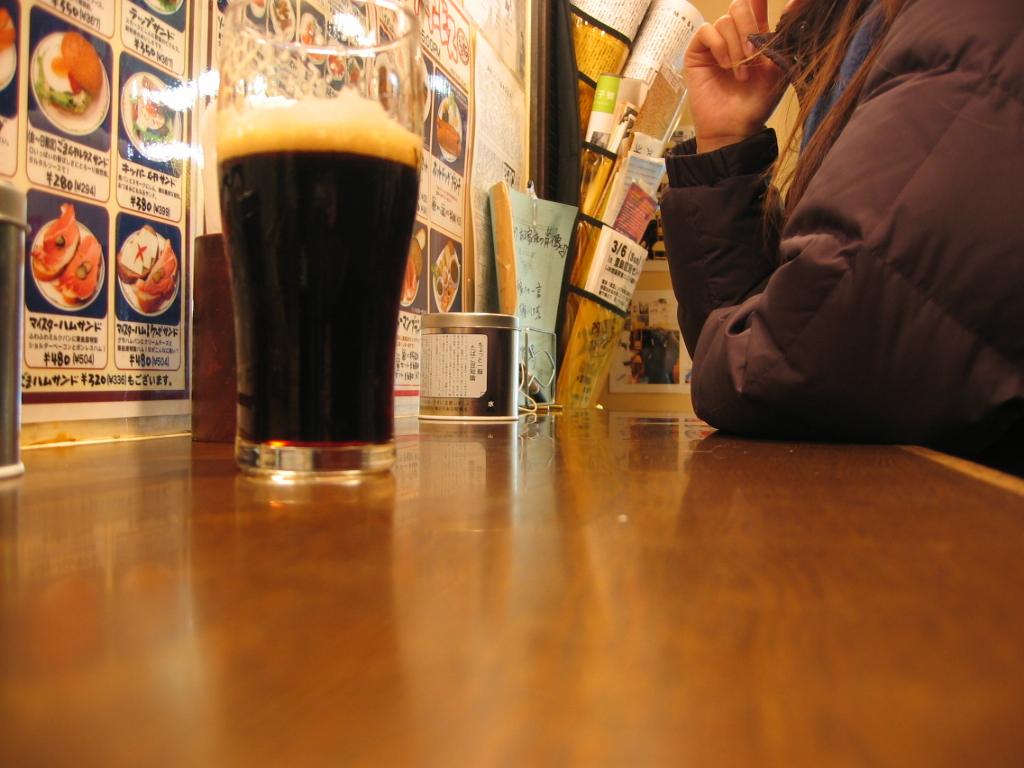
Drinking in Tokyo has hidden costs that add up before you factor in the taxi. Every izakaya charges an otoshi, a mandatory small appetizer that replaces a table charge. It costs ¥300 to ¥800 per person. You do not get to refuse it. Standing bars skip the otoshi. If you want to keep the bill low, stand. Club entry fees include one or two drink tickets, but a third drink costs full price. A draft beer at an izakaya runs ¥500 to ¥800. A highball is ¥400 to ¥700. A cocktail at a mid range bar is ¥1,000 to ¥1,800. A cocktail at a high end hotel bar is ¥2,000 to ¥3,500. A single whisky pour at a mid range bar is ¥800 to ¥1,500.
The common mistake: assuming you can pay with a foreign card at any bar. Many small bars in Golden Gai and Nonbei Yokocho are cash only. 7 Eleven, Japan Post, and FamilyMart ATMs reliably accept foreign cards. Lawson and other ATMs reject them. Withdraw cash before you enter the alley. The worst case: a bar with a ¥1,500 cover charge and a ¥1,200 drink that does not accept cards, and you have ¥1,000 in your pocket.

Which Traveller Tokyo Nightlife Suits and Which it Does Not
Tokyo nightlife suits the solo explorer who thrives on anonymity. Walk into a five seat bar in Golden Gai, order one drink, and leave without exchanging a name. It suits the efficiency nerd who plans the last train route before the first drink. It suits the repeat visitor who has already done the big sights and wants to spend an evening in Shinbashi eating yakitori under the tracks.
It does not suit travellers who want a compact, walkable nightlife strip where bar to bar is a two minute walk and the last train is irrelevant. It does not suit a shoestring budget: a night out including two bars, an otoshi, a cover charge, and a taxi home can run ¥8,000 per person. It does not suit anyone who finds navigating multi level station malls anxiety inducing. The thing that most often goes wrong: picking a bar 20 minutes from the station, losing track of time, and paying ¥5,000 for a taxi that you could have avoided by choosing a bar near the station exit in the first place.
Read next
-
 Tokyo Hotels by Type and Budget from Capsules to Luxury
Tokyo hotels organised by type and price band, from efficient capsule pods to full-service luxury towers, to help you book the right room.
Tokyo Hotels by Type and Budget from Capsules to Luxury
Tokyo hotels organised by type and price band, from efficient capsule pods to full-service luxury towers, to help you book the right room.
-
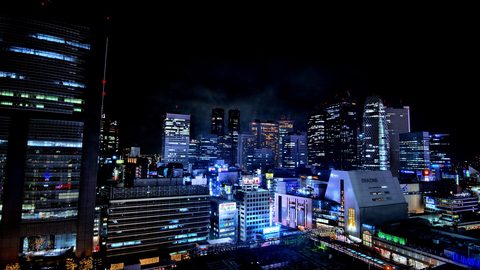 Where to Stay in Tokyo by District and Travel Style
A comparison of Tokyo's major districts to help you choose the right base for your travel style, whether you want calm or chaos.
Where to Stay in Tokyo by District and Travel Style
A comparison of Tokyo's major districts to help you choose the right base for your travel style, whether you want calm or chaos.
-
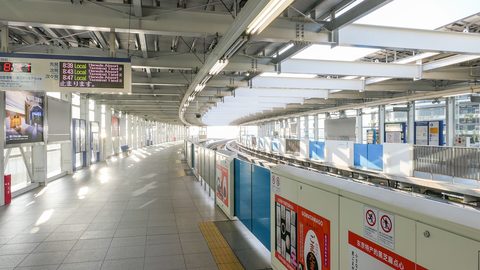 Narita or Haneda for Tokyo and What That Airport Choice Costs You
Narita or Haneda for Tokyo: compare door-to-district time, transfer cost, and what the wrong airport choice eats from your trip.
Narita or Haneda for Tokyo and What That Airport Choice Costs You
Narita or Haneda for Tokyo: compare door-to-district time, transfer cost, and what the wrong airport choice eats from your trip.
-
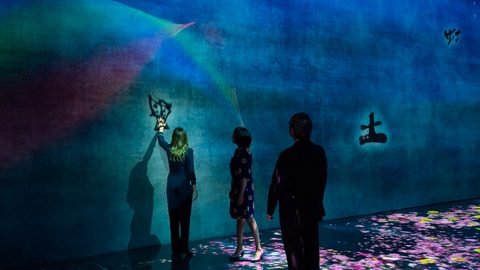 Things to Do in Tokyo That Are Worth Your Limited Days
A curated list of Tokyo's highest-impact sights and experiences, from immersive art to quiet backstreets, to help you prioritise your days.
Things to Do in Tokyo That Are Worth Your Limited Days
A curated list of Tokyo's highest-impact sights and experiences, from immersive art to quiet backstreets, to help you prioritise your days.
-
 Best Time to Visit Tokyo Month by Month Tradeoffs
A month-by-month guide to visiting Tokyo, laying out the trade-off between weather, crowds, price, and what's actually open.
Best Time to Visit Tokyo Month by Month Tradeoffs
A month-by-month guide to visiting Tokyo, laying out the trade-off between weather, crowds, price, and what's actually open.
-
 Getting Around Tokyo by Train Airport Transfers and IC Cards
A practical guide to Tokyo's rail network, covering airport transfers, IC cards, and how to avoid the station navigation mistakes that eat your day.
Getting Around Tokyo by Train Airport Transfers and IC Cards
A practical guide to Tokyo's rail network, covering airport transfers, IC cards, and how to avoid the station navigation mistakes that eat your day.
-
 Senso-ji
 is free and never closes, but the experience at 6am with empty Nakamise stalls is nothing like the 11am crush under Kaminarimon. Here is when to go and what you get at each hour.
Senso-ji
Senso-ji is free and never closes, but the experience at 6am with empty Nakamise stalls is nothing like the 11am crush under Kaminarimon. Here is when to go and what you get at each hour.
-
 Meiji Jingu
The Meiji Jingu visit changes completely depending on which torii gate you enter. One drops you from Harajuku noise into sudden forest, the other builds quiet slowly from Yoyogi.
Meiji Jingu
The Meiji Jingu visit changes completely depending on which torii gate you enter. One drops you from Harajuku noise into sudden forest, the other builds quiet slowly from Yoyogi.
-
 teamLab
 Borderless and Planets are two different Tokyo venues with separate booking systems. Borderless tickets at Azabudai Hills sell in timed slots and the maze has no fixed route.
teamLab
teamLab Borderless and Planets are two different Tokyo venues with separate booking systems. Borderless tickets at Azabudai Hills sell in timed slots and the maze has no fixed route.