Shopping in Ho Chi Minh City: What to Buy and Where to Find It Across Every District
Where to shop in Saigon beyond Ben Thanh Market, from Cholon's wholesale chaos to fixed-price boutiques and what to actually bring home.
Why the Famous Market is Not Your Best Bet
Most visitors land in Ho Chi Minh City and head straight to Ben Thanh Market, expecting the definitive Vietnamese market experience. They find a crowded tourist trap where stallholders open negotiations at three to four times the final price. The real shopping happens elsewhere. Ben Thanh Market is worth a morning visit for dry snacks and the spectacle, but the buying strategy changes radically depending on which part of the city you are in.
Shopping in Saigon: District 1 Fixed Price and Foreign Favorites
Fixed-Price Malls and Air-Conditioned Retail
Shopping in Saigon usually means District 1. That is where you find the city's most comfortable retail experience: fixed price stores, air conditioning, and no haggling. Saigon Square 1 at 77 Nam Ky Khoi Nghia and Saigon Square 2 at 7-9 Ton Duc Thang are the main targets for clothes and shoes. The starting price at Saigon Square and Taka Plaza (102 Nam Ky Khoi Nghia) sits at 120 to 200 percent of the final settling price, so moderate bargaining works. If you hate haggling entirely, skip those and walk into Vincom Center Dong Khoi at 72 Le Thanh Ton or Takashimaya Ho Chi Minh City at 92-94 Nam Ky Khoi Nghia inside Saigon Centre. These are international malls: fixed prices, brands you know, zero friction. Diamond Plaza at 34 Le Duan is the same.
Independent Boutiques and the Walkable Core
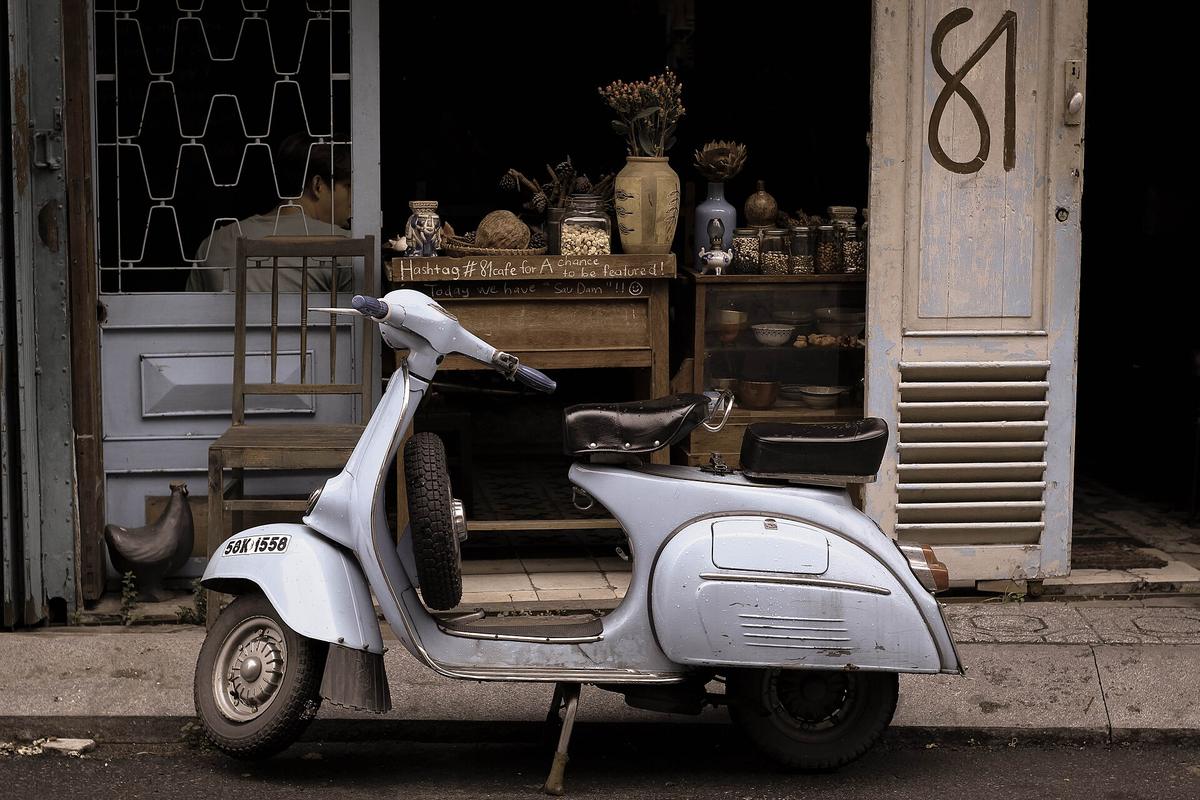
For local independent design, walk Dong Khoi Street from Notre-Dame Cathedral down to the Saigon River, or Nguyen Hue Walking Street. The Cafe Apartment at 42 Nguyen Hue is a vertical block of independent boutiques and cafes. Walk up the stairs. The lift is slow.
.jpg)
Ho Chi Minh City Shopping for Textiles and Tailoring
If you want clothes made for you, tailoring runs through a few reliable options. A tailored two-piece suit for men costs 2,500,000 to 8,000,000 VND depending on fabric and the tailor's reputation. Turnaround is three to seven days, depending on fittings. A tailored ao dai costs 800,000 to 3,000,000 VND and takes two to five days. The fabric choices matter more than the tailor's location. Bring a photo of what you want. Expect two fittings. Skip the hotel concierge recommendations and find a tailor with visible stock of fabrics on site. The Ao Dai Exhibition is a small museum dedicated to Vietnam's national dress and requires advance booking. Visit it before ordering so you understand construction quality. Do not buy non-tailored textiles from Ben Thanh Market at tourist pricing. Buy fabric in Cholon instead.
| Market Or Area | Bargaining Norm | Best For |
|---|---|---|
| Ben Thanh Market | Initial ask 200–400% of final price | Dry snacks, morning visit, spectacle |
| Saigon Square & Taka Plaza | Initial ask 120–200% of final price | Clothes, shoes, moderate bargaining |
| Binh Tay Market (Cholon) | Wholesale pricing, limited bargaining on single items | Bulk textiles, wholesale goods, authentic chaos |
| District 1 malls & boutiques | Fixed prices, no bargaining | Brand goods, time poor, comfort |
| District 5 concept stores | Fixed prices, no bargaining | Independent design, ceramics, coffee |
Ben Thanh Market Shopping: What to Buy and What to Skip
What Haggling Culture Actually Looks Like Here
Bargaining at Ben Thanh Market is expected and normal. The initial asking price is 200 to 400 percent of the final settling price. Your starting counter-offer should be around 25 to 30 percent of the first price they say. Expect them to refuse, walk away, and call you back. This is standard. Smile throughout. The goal is not to win but to settle at a price you both accept. If the seller stops you at the shoulder, that is the real price. Pay it. The most common failure for tourists is paying the first price quoted, which is triple what a local pays. If you cannot face this process, do not shop at Ben Thanh. Go to the fixed-price malls instead.
Saigon Markets: Cholon, Binh Tay, and the Wholesale Zone
Binh Tay Market: The Wholesale Engine
Saigon markets beyond Ben Thanh are where the city actually shops. Binh Tay Market at 57A Thap Muoi in Ward 2, District 6 is the wholesale hub. Operating hours are 06:00 to 18:00. This is the real thing: chaotic, crowded, and built for volume. Single-item purchases are possible but you pay close to retail. The benefit is seeing what the city looks like when no tourists are around. Textiles are the best buy here. Bolts of fabric, finished scarves, and basic clothing are sold at prices that make Ben Thanh look like a luxury boutique.
District 5: Herbs, Household Goods, and No Tourists
The heart of Cholon shopping is District 5. Walk the streets around the Chinese temples and you find wholesale everything: medicinal herbs, dried seafood, kitchenware, and paper goods for offerings. The medicinal herb streets alone are worth a detour. Do not expect English at most stalls. Bring cash in small denominations. The power of this area is that nothing is priced for tourists. You are buying in a system designed for trade, not for display.
District 1 Shopping: Malls, Boutiques, and the Walkable Core
District 1 shopping is the default for anyone with limited time or low tolerance for chaos. The retail core runs along Dong Khoi Street, from Notre-Dame Cathedral to the Saigon River. The high-street brands sit alongside independent fashion and art galleries. Nguyen Hue Walking Street connects the same neighbourhood and is closed to vehicles on weekends. The retail frontage runs from City Hall to Bach Dang Wharf. This is where you find the fixed-price boutiques that serve expat and wealthy local customers. Concept stores cluster around Tu Xuong, Vo Van Tan, and Nguyen Dinh Chieu streets in District 3, a short ride from District 1. These shops sell Vietnamese designers on consignment, homewares, and coffee brewing equipment. They do not bargain. The prices are marked and fair. If you are time-poor, spend your shopping hours here and skip the markets entirely.
What to Actually Buy and How to Ship it Home
Souvenirs Worth the Luggage Space
Vietnamese coffee beans from Robusta, Arabica, Culi peaberry, and weasel varieties are the safest souvenir. Buy them whole bean or ask for phin grind (coarse) or espresso grind (fine). The phin filter is sold everywhere for about 20,000 to 50,000 VND. Dry snacks like dried jackfruit, ginger tea, and shrimp crackers survive a checked bag. Lacquerware from Binh Duong province or the An Duong Vuong Street workshops is better quality than what the markets sell. Ceramics from Bat Trang, Bien Hoa, or Binh Duong villages are worth buying if you can carry them. Tailored clothing is the best value item: an ao dai for 800,000 to 3,000,000 VND is a genuine bargain compared to what the same work costs in Europe or North America.
Shipping, Prohibited Items, and the VAT Refund
Shipping home is straightforward if you use a dedicated shipping service. The post office is not the best option for fragile goods. A handful of shops in District 1 and around the backpacker area handle international freight for lacquerware and ceramics. Allow 10 to 14 days for surface shipping. Do not attempt to ship antiques. Items dated pre-1945 are prohibited from export by Vietnamese customs. Wildlife products including ivory, rhino horn, and pangolin scales are also prohibited. Unprocessed wood from protected species and politically or culturally sensitive materials are similarly banned. The VAT refund minimum purchase is 2,000,000 VND per invoice on the same day at the same retailer. Foreign passport holders on tourist visas are eligible. The processing point at Tan Son Nhat International Airport is after immigration near the departure gates in the international terminal. VAT is 10 percent, but the exact rules are set by Vietnam Customs. Check the official government website for the most current rates and procedures. Ask the store for a VAT refund invoice at the time of purchase, not later.
The One Thing That Most Often Goes Wrong
The most common failure is buying ceramics, lacquerware, or textiles at Ben Thanh Market at tourist pricing, then finding the same items at half the price in Cholon or from a production village source. The two locations are 20 minutes apart by taxi. The price difference can be three to four times. Before you buy anything that is not a packaged dry snack, check what the same thing costs in District 5 or at a Binh Duong province workshop. If you are already back at your hotel with the purchase, you have overpaid. There is no recourse. The market does not have a refund policy for tourists. The only fix is to know what you are looking at before you hand over cash.
Common Questions
Is Ben Thanh Market worth visiting for shopping?
Yes, for the experience and for dry snacks, but not for serious buying. Prices start at two to four times the final value. Go in the morning, buy coffee and dried fruit, and move on to other neighbourhoods for anything expensive.
Where do locals shop in Ho Chi Minh City?
Locals shop at Binh Tay Market in Cholon for wholesale goods, at Saigon Square for clothes, and at the fixed-price malls in District 1 for brands. Cholon's wholesale zone in District 5 is where residents buy household goods, herbs, and textiles.
Can I get a VAT refund on shopping in Ho Chi Minh City?
Yes, if you spend at least 2,000,000 VND on a single invoice at the same retailer on the same day. You must be a foreign passport holder on a tourist visa. Process the refund after immigration at Tan Son Nhat Airport. Ask the store for a VAT invoice at purchase.
How much does a tailored suit cost in Ho Chi Minh City?
A tailored men's two-piece suit costs 2,500,000 to 8,000,000 VND depending on fabric and tailor reputation. Turnaround is three to seven days. An ao dai costs 800,000 to 3,000,000 VND and takes two to five days.
What should I not buy at Ben Thanh Market?
Do not buy ceramics, medicinal herbs, or high-end lacquerware at Ben Thanh Market. Ceramics are better sourced from Bat Trang, Bien Hoa, or Binh Duong. Herbs belong in Cholon's District 5. Lacquerware is cheaper and better from Binh Duong province.
Do I need to haggle at Vietnamese boutiques?
No. Independent boutiques, concept stores, and international malls use fixed prices. Haggling is expected only at Ben Thanh Market, Binh Tay Market, Saigon Square, and Taka Plaza. At those places, start offers at 25 to 30 percent of the asking price.
Is it safe to walk around District 1 shopping areas?
Pedestrian conditions are poor due to motorbikes parked on pavements. You will have to step onto the road regularly. Cross streets by walking slowly and predictably into traffic. Bag and phone snatching by motorbike riders is a real risk. Hold your phone loosely and keep bags zipped on the side away from the road.
Read next
-

 Ho Chi Minh City Hotels From Converted Villas to Skydeck Towers by Price Band
Ho Chi Minh City hotels sorted by property type and price band, from converted District 3 villas to skydeck towers near the Saigon River.
Ho Chi Minh City Hotels From Converted Villas to Skydeck Towers by Price Band
Ho Chi Minh City hotels sorted by property type and price band, from converted District 3 villas to skydeck towers near the Saigon River.
-
 Ho Chi Minh City Where to Stay District by District for Every Travel Style
Where to stay in Ho Chi Minh City: a district-by-district breakdown of Saigon neighbourhoods from chaotic District 1 to the expat calm of Thao Dien.
Ho Chi Minh City Where to Stay District by District for Every Travel Style
Where to stay in Ho Chi Minh City: a district-by-district breakdown of Saigon neighbourhoods from chaotic District 1 to the expat calm of Thao Dien.
-
 Flying to Ho Chi Minh City Airport Guide and the Airlines That Serve SGN
Airlines flying into Tan Son Nhat Airport (SGN), terminal details, and a step-by-step arrival guide for getting from the plane into Ho Chi Minh City.
Flying to Ho Chi Minh City Airport Guide and the Airlines That Serve SGN
Airlines flying into Tan Son Nhat Airport (SGN), terminal details, and a step-by-step arrival guide for getting from the plane into Ho Chi Minh City.
-
 Ho Chi Minh City Things to Do Ranked From War History to Wholesale Flower Markets
Ho Chi Minh City things to do ranked with honest verdicts: which Saigon war-history sights, markets, and temples earn your three days and which to skip.
Ho Chi Minh City Things to Do Ranked From War History to Wholesale Flower Markets
Ho Chi Minh City things to do ranked with honest verdicts: which Saigon war-history sights, markets, and temples earn your three days and which to skip.
-
 Ho Chi Minh City Best Time to Visit Month by Month Avoiding Tet Closures and Monsoon Flooding
Ho Chi Minh City best time to visit month by month: dry season windows, Tet holiday closures that empty the city, and the monsoon flooding to avoid.
Ho Chi Minh City Best Time to Visit Month by Month Avoiding Tet Closures and Monsoon Flooding
Ho Chi Minh City best time to visit month by month: dry season windows, Tet holiday closures that empty the city, and the monsoon flooding to avoid.
-
 Ho Chi Minh City Getting Around Without Losing Your Phone or Your Nerve
Getting around Ho Chi Minh City: Grab app tactics, airport transfers from Tan Son Nhat, and how to cross a Saigon street without stopping or running.
Ho Chi Minh City Getting Around Without Losing Your Phone or Your Nerve
Getting around Ho Chi Minh City: Grab app tactics, airport transfers from Tan Son Nhat, and how to cross a Saigon street without stopping or running.
-
 War Remnants Museum
The War Remnants Museum in Ho Chi Minh City is the most emotionally affecting stop in the city. Here is what to expect and how to prepare.
War Remnants Museum
The War Remnants Museum in Ho Chi Minh City is the most emotionally affecting stop in the city. Here is what to expect and how to prepare.
-
 Reunification Palace
The Reunification Palace in Ho Chi Minh City is famous for its tank gate, but the basement war command bunker is the part that explains the building.
Reunification Palace
The Reunification Palace in Ho Chi Minh City is famous for its tank gate, but the basement war command bunker is the part that explains the building.
-
 Ben Thanh Market
 in Ho Chi Minh City is a tourist trap for souvenirs but genuinely good for lunch. Here is what to eat and what to skip.
Ben Thanh Market
Ben Thanh Market in Ho Chi Minh City is a tourist trap for souvenirs but genuinely good for lunch. Here is what to eat and what to skip.