The Osaka Eating Hit List: Dishes, Stalls and Restaurants That Matter
What to eat in Osaka and exactly where to find it: the dishes, stalls and restaurants worth crossing the city for, from Dotonbori okonomiyaki to Shinsekai kushikatsu.
The Osaka Eating Hit List: Dishes, Stalls and Restaurants That Matter
The most common mistake is thinking the street stalls of Dotonbori are the main event. They are the appetiser. The real meals happen a block away, inside restaurants that have been grinding out the same dish for decades. They are what separate a good trip from a great one. Osaka earned the name "Tenka no Daidokoro" (The Nation's Kitchen) because restaurants compete on execution, not novelty. Plan your days around meals rather than monuments. Prioritise these dishes, eat at these counters, and know when the famous option is the wrong one.
Takoyaki: the One That Started it All
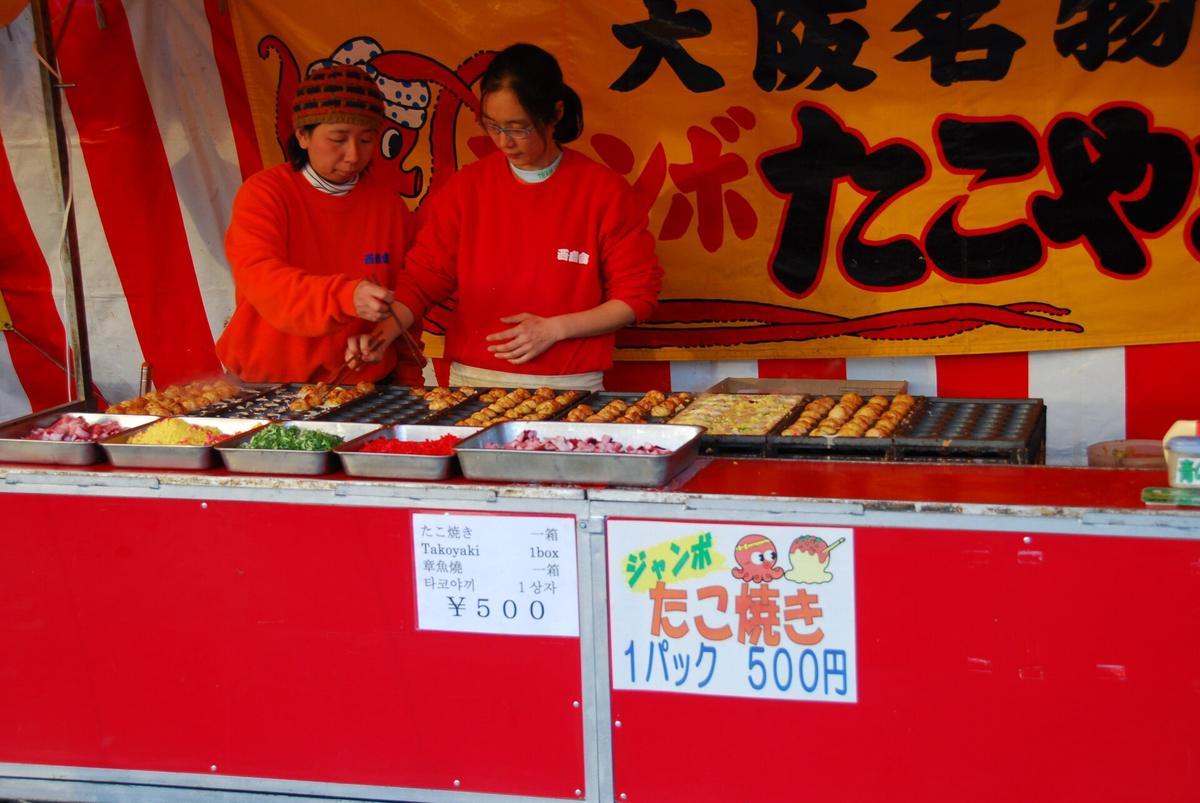
Takoyaki was invented in Osaka in 1935 at a shop called Aizuya. Every stall claims a version of that lineage. Only one matters for your limited days.
Wanaka in Namba is the benchmark. The exterior shatters. The interior stays molten, bordering on liquid. The batter uses flour, dashi, and eggs, but the ratio at Wanaka leans hard on the dashi, giving the ball a savoury depth most stalls miss entirely. Fillings are standard: octopus, pickled ginger, green onion, and tempura scraps (tenkasu). Toppings are the usual takoyaki sauce, Japanese mayonnaise, aonori, and katsuobushi. The difference is the texture. Queue time is 15 to 25 minutes on a weekday evening. That is the right window. Go at 18:00, not 20:00, when the drunk crowd doubles the wait.
The alternative is Kukuru in Dotonbori, operating since 1979. Tourists know it better because its sign is harder to miss, but the batter is thicker and less crisp. Worth a try if Wanaka has a 40-minute line. Skip Takoyaki Juhachiban entirely: it has been there since 1972, but the recipe has drifted toward a softer, more doughy ball that fills rather than impresses.
In Umeda, Hanadako (1953) sells an ikayaki, not takoyaki. A whole pressed squid pancake, grilled flat and brushed with soy sauce. Fast, cheap, eaten standing. Order it passing through the Umeda station underground if you need something in under three minutes. It is not a destination dish.
Expect to pay ¥400 to ¥800 for six to eight pieces. Carry cash. Not all stalls take cards.

Okonomiyaki: Osaka Style Versus Everything Else
Osaka-style okonomiyaki mixes all ingredients into the batter and grills everything together. Hiroshima-style layers the batter crepe, ingredients, yakisoba, and fried egg separately. The Osaka version is the correct one for this city. Eat it at Mizuno in Namba.
Mizuno has held a Michelin Bib Gourmand every year since 2016 (check the Michelin website for the current list; the award is reviewed annually). The batter uses flour, grated yam (nagaimo), dashi, eggs, and shredded cabbage. The yam makes the interior fluffy, not dense. The chef cooks it on a large teppan behind the counter, then serves it on a metal plate set into your table griddle to keep warm. You do not cook it yourself. That is the correct format for a first visit. Avoid a self-cook restaurant unless you want to risk a soggy middle on your first attempt.
Order the version with pork belly and squid. Add mochi for a chewy contrast. Price is ¥800 to ¥1,500. Arrive at 11:30 for lunch or 17:30 for dinner. The line builds fast after 12:00 and 19:00.
In Umeda, Okonomiyaki Kiji (1950) offers a chef-cooked version locals prefer, but the setting is more cramped. Go there if you are already in Kita and do not want to cross town. Otherwise, stick with Mizuno.
| Dish | Key Restaurant | Location | Price Range | Notes |
|---|---|---|---|---|
| Takoyaki | Wanaka | Namba | ¥400–¥800 | Crisp exterior, molten interior. Queue at 18:00. |
| Okonomiyaki | Mizuno | Namba (Dotonbori) | ¥800–¥1,500 | Michelin Bib Gourmand since 2016. Chef-cooked. Avoid self-cook on first visit. |
| Kushikatsu | Daruma (Sōhonten) | Shinsekai | ¥100–¥300 per skewer | Founded 1929. No double-dip rule. Free raw cabbage for dipping with fingers. |
| Kitsune Udon | Usamitei Matsubaya | Near Umeda | ¥500–¥900 | Founded 1893. Sweet-salty fried tofu in light dashi. Vegetarian option on request. |
| Horumon Yaki | Kōbe-ya | Tsuruhashi | ¥2,000–¥4,000 per person | Korean-style grilled offal. Smoky alleyway grills. Cash only. |
| Hakozushi (Pressed Sushi) | Hakozushi Honten | Semba | ¥1,000–¥3,000 per box | Founded 1841. Mackerel pressed in wooden mold. Reserve ahead. |
| Jumbo Gyoza | Osaka Ohsho | Dotonbori | ¥500–¥1,000 | Single oversized dumplings. Spectacle as much as food. |
| Tecchiri (Fugu Hotpot) | Kuroshio Market restaurant | Various | ¥3,000–¥6,000 per person | Winter specialty. Licensed preparation only. Book in advance. |
Kushikatsu, Kitsune Udon, and the Dishes That Define Districts
Kushikatsu: Shinsekai, Daruma, And The No-Double-Dip Rule
Kushikatsu originated in Shinsekai in the early 20th century. The core rule is simple: no double-dipping in the shared sauce pot. The pot is labelled "Nidazuke kinshi" (double-dipping prohibited). You get a free plate of raw cabbage. Use your fingers to dip the cabbage in the sauce. That is your flavour booster for the skewers.
The master of this form is Daruma (Sōhonten), operating since 1929. The batter is a fine panko coating, deep-fried to a golden shell. Typical ingredients include beef, pork, shrimp, quail egg, lotus root, onion, asparagus, and cheese. Each skewer costs ¥100 to ¥300. Eat ten and you are full for ¥2,000. Visit the original Shinsekai location: the atmosphere is retro-gritty, the walls are covered in calligraphy, and the staff expect you to eat fast and leave. Do not linger.
Yaekatsu has multiple branches in Shinsekai and is a fine backup if Daruma has a line past the door. But Daruma is the benchmark for a reason.
Kitsune Udon: The Sweet Side Of Noodles
Osaka's kitsune udon was created in the late 19th century. The defining topping is aburaage (fried tofu pouch) simmered in a sweet soy-based broth. The noodle soup itself is a light dashi made from kombu and katsuobushi with usukuchi (light) soy sauce. The result is sweet-salty, not heavy.
Usamitei Matsubaya, near Umeda, has been making this since 1893. The broth is the lightest in the city. The aburaage is thick and almost meaty. Price is ¥500 to ¥900. Arrive before 12:00 for lunch; the line clears quickly. If you need a vegetarian option, request a kelp-only dashi at the counter. Confirm availability on arrival.
The alternative is Dotonbori Imai in Shinsaibashi. It is better known but the broth is darker and the tofu thinner. Go to Usamitei Matsubaya first.
Horumon Yaki: Tsuruhashi Koreatown
Osaka's Korean grilled offal scene lives in Tsuruhashi. The smoky alleyway grills serve typical cuts: small intestine (shimachō), large intestine (teppō), stomach (hachinosu), and liver (rebā). The cooking style is yakiniku-style over charcoal. Kōbe-ya is the specialist. Expect ¥2,000 to ¥4,000 per person. The place is loud, smoky, and entirely cash-only. You will smell like grilled fat for the rest of the night. That is the point. Do not wear clothes you care about.
The Dark Horse Dishes Worth a Detour
Hakozushi (Pressed Sushi): A Lost Art
Most visitors skip pressed sushi. They should not. Hakozushi is pressed in a rectangular wooden mold (oshibako) and sliced. The Osaka style is battera: mackerel pressed on vinegared rice with kombu. Hakozushi Honten has been operating since 1841 in the Semba district. A box costs ¥1,000 to ¥3,000. The rice seasoning uses a vinegar less sharp than Tokyo-style sushi, letting the mackerel dominate. Reserve ahead. The shop is small and the wait can exceed an hour without a booking. Yoshino Sushi is a solid backup in the same area.
Jumbo Gyoza At Osaka Ohsho
Osaka Ohsho in Dotonbori serves single oversized dumplings that are as much spectacle as food. The wrapper is thick and chewy, the filling is pork-heavy, and the bottom is seared crisp. Order one plate (three dumplings) as a snack between takoyaki and okonomiyaki. Do not make it a meal. It costs ¥500 to ¥1,000.
Tecchiri (Fugu Hotpot) In Winter
Fugu (pufferfish) hotpot is a winter specialty available only at licensed restaurants. The dish is called tecchiri. A Kuroshio Market restaurant is the most reliable source. Expect to pay ¥3,000 to ¥6,000 per person. Book in advance. This is not a spontaneous order. The fish is sliced so thin the sashimi is nearly transparent, and the hotpot broth is light enough that the final porridge (zosui) cooked with leftover broth is the best part.
Standing Bars: Where Solo Diners Eat Best
Osaka's standing bars (tachinomi) are the most efficient way to eat solo. Typical hours are 15:00 to 23:00. You pay an otoshi (cover charge) of ¥200 to ¥500. Drinks run ¥300 to ¥600. Food portions cost ¥200 to ¥500 each. You stand, you order, you leave. No reservations, no fuss.
Tachinomi Kadoya in Umeda is noted for kushikatsu and beer. The skewers come fast, the beer is cold, the crowd is a mix of office workers and tourists. Arrive by 17:00 to avoid the after-work crush. In the Fukushima district, Tachinomi Maru has a sake selection that rivals sitting bars. The owner guides you through a flight of three sakes for under ¥1,000. Conversation comes easier here than in a conventional restaurant. Solo travellers should start here before moving to a sit-down meal.
The One Thing to Skip No Matter What
Do not plan a meal around Universal Studios Japan. The food inside the park is overpriced and average. The timed-entry system for Super Nintendo World means you cannot easily leave and return. Eat a proper breakfast in Namba or Umeda before you go. Bring onigiri or a convenience store sandwich if you need to eat inside. Reserve high-end meals for the evenings after the park closes. The 40-minute train ride back to Namba gives you time to change and regroup.
Common Questions
Can I eat takoyaki while walking down Dotonbori?
Do not. Eating while walking is locally frowned on despite the street-food vibe. Stand near the stall, finish, then walk. It takes two minutes and avoids dirty looks.
Is the self-cook okonomiyaki experience worth it?
Not for your first okonomiyaki. The risk of a soggy or burnt result is high. Go to Mizuno for a chef-cooked version. Try self-cook only on a return trip.
How much cash do I need for a food crawl in Shinsekai?
Carry ¥5,000 in notes. Many kushikatsu joints and standing bars are cash-only. ATMs are scarce in the immediate area. Run out and you walk to a convenience store.
What is the single easiest way to ruin a meal in Osaka?
Staying near Shin-Osaka station. It is a sterile business district with minimal food streets. The daily commute to Namba or Umeda eats 40 minutes round-trip. Book accommodation in Minami or Kita instead.
Read next
-
 Osaka Hotels, Sorted by Price Band and Property Type Not Neighbourhood
Osaka hotels sorted by budget and type, business towers, luxury high-rises and the few ryokan, with the trade-off each choice demands.
-
 Where to Stay in Osaka, Pick the District That Matches Your Nights
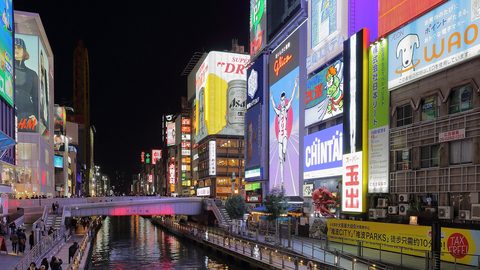
Osaka's districts switch character after sunset. Pick where to stay based on whether you want street food chaos, standing-bar crawls or a quiet lane.
-
 Osaka Flights Which Airport to Choose and When to Book
KIX or Itami? Which Osaka airport to fly into, when flight prices spike during cherry blossom and November, and the booking windows that matter.
-
 Osaka Things to Do, What Earns a Slot in Two Full Days
Osaka is not a monument city. This page ranks what earns a slot in two full days, from Dotonbori's neon to Shinsekai's retro grit.
-
 Best Time to Visit Osaka, Month by Month and the Trade Off Each One Asks
-
 Getting Around Osaka, The Subway, the Private Railways and the Umeda Maze
Osaka's transit is fast but fractured. The Umeda station maze, private railway tickets and the ICOCA card explained before you go.
-
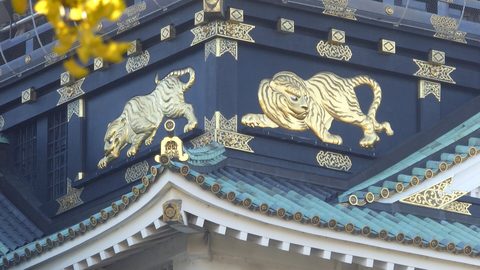 Osaka Castle
's park and moat walks outshine the concrete-reconstructed keep, which houses a museum and observation deck rather than original interiors.
-
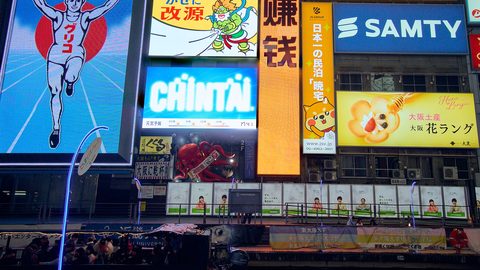 Dotonbori
 is Osaka's neon-lit eating canal, best used as a full-evening food and bar crawl rather than a quick Glico Sign photo stop.
-
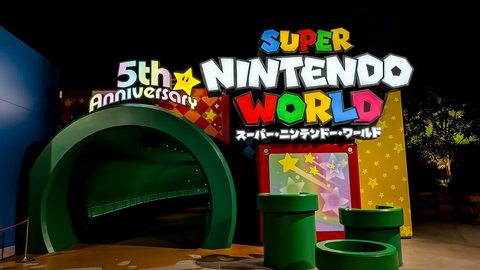 Universal Studios Japan
 demands a full day and a pre-purchased timed-entry ticket; here is whether USJ is worth it and how the ticketing actually works.