Tsuruhashi Koreatown and the Best Horumon-Yaki in Osaka
Tsuruhashi is Osaka's Koreatown, where narrow alleys fill with smoke from horumon-yaki grills and counter stalls serve the best grilled offal in Japan.
- Flag
-
- ISO code
- JP
- Currency
- JPY
- Timezone
- Asia/Tokyo
Tsuruhashi Koreatown and the Best Horumon-Yaki in Osaka
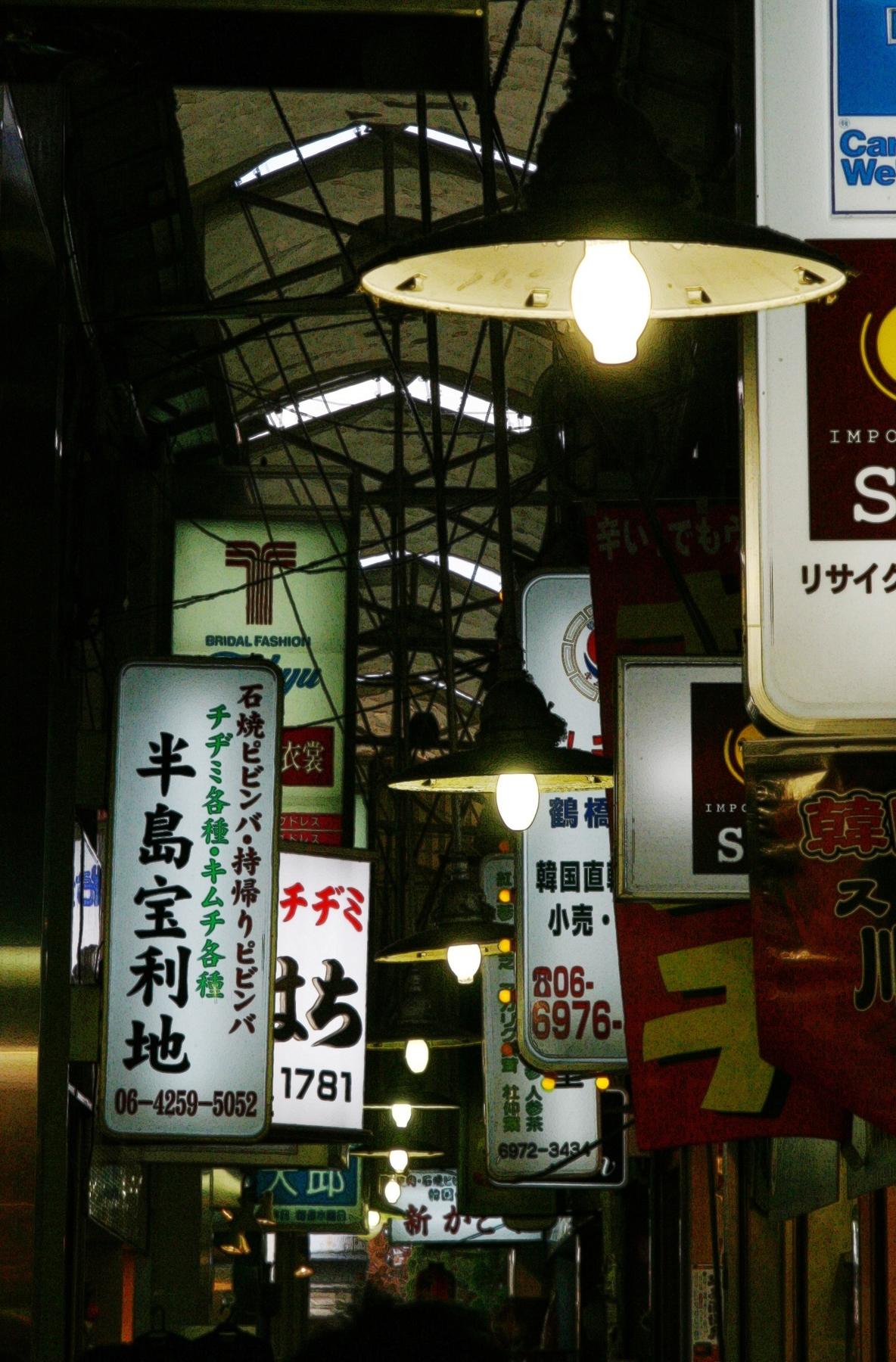
At 18:00 on a Tuesday, the smoke hits you before the train doors fully open at Tsuruhashi Station. It comes from six covered shopping lanes where charcoal grills sit inches from customers on low stools. The air is a fog of rendered beef fat, garlic, and gochujang. This is Osaka's Koreatown. Its purpose is to put marinated offal on a hot grate in front of you and let you burn it imperfectly while your neighbour does the same. You are not here for a single restaurant. You are here for a neighbourhood built around one way of eating: grilled offal at a counter, cooked by your own hand, paid for in cash, and smelled on your coat for the rest of the trip.
The Neighbourhood and Its Korean Roots
Tsuruhashi's Korean community settled here in the 1920s and 1930s, arriving for construction and day-labour work under the migration pathways opened by the 1910 annexation. After the war, the ward's Korean population peaked, making this the anchor of Japan's largest Korean community, which sits not in Tokyo but in Osaka Prefecture.
Navigating The Shotengai Lanes
The market that grew from that settlement, the Tsuruhashi Shotengai, now runs six main covered streets under a single corrugated roof that keeps rain off roughly 800 shops. The lane layout is an irregular, non-grid tangle with multiple angled intersections. First-time visitors lose their sense of direction within five minutes. Accept this. Pull out Google Maps, reset at the next intersection, and treat getting turned around as part of the meal.

How to Eat Horumon-Yaki at a Counter Stall
The Cuts You Will Cook
Horumon means offal, almost always beef or pork: large intestine (shimachō), small intestine (maruchō), tripe (hachinosu), omasum (senmai), liver (rebā) and heart (hatsu). The setup is the same at every shop. A gas or charcoal grill sits inset into the table centre. The raw meat arrives on a plate, marinated or salted. You cook it yourself.
Ordering Without Japanese
At smaller stalls, ordering is straightforward. Point at the plastic food displays in the window or the wall photos. Many shops use Korean or Japanese picture menus. A per-person spend runs from ¥2,000 to ¥5,000 depending on which cuts you pick. Budget at the upper end if you want the better grade of shimachō and plan for beer alongside it.
What To Wear And What To Leave
Ventilation in these shops is weak by design. Your clothes and hair will retain the smoke odour for 24 hours or more. Synthetics absorb it worse than natural fibres. If you have a dinner reservation later in the evening, wear a jacket you can leave in a coin locker.
The Market Outside the Grills
The Daytime Grocery Market
Between 11:00 and 14:00, the shotengai operates as a daytime grocery market. Korean women staff kimchi stalls selling whole napa cabbage kimchi, kkakdugi (cubed radish kimchi), oi-sobagi (stuffed cucumber kimchi) and chonggak kimchi (ponytail radish kimchi). Grocery shelves carry gochujang, doenjang, sesame oil, dried anchovies, Korean seaweed, tteok rice cakes and prepared banchan side dishes. None of this is for tourists. It is for the local Korean community who live in the Ikuno ward apartments above the shops. Buy a tub of kimchi to take back to your hotel. Skip the pre-packaged souvenir sections.
What This District Is Not
The area is bad at one thing: quiet. There is no hidden garden, no temple garden, no calm alley where the noise drops. If you want a meditative meal, go to Kyoto. If you want the loud, unpolished, working-class Osaka that moves faster than Tokyo's politeness, this is the district that delivers it at table-grate level.
A Landmark and a Practical Check
Miyukimori Tenjingu Shrine
Miyukimori Tenjingu shrine, at 3-8-21 Tsuruhashi, sits on a burial mound said to date from the 5th century. Its main deity, Susanoo-no-Mikoto, gets the brief attention of shoppers passing through. The grounds are open 24 hours; the shrine office runs roughly 09:00 to 17:00. This is a two-minute stop, not a destination.
Getting Here And When To Arrive
Do not book accommodation here. Tsuruhashi has few hotels and is better visited as a half-day trip from central Osaka. Take the JR Loop Line from Osaka Station and you arrive in about 15 minutes. From Namba, the Kintetsu Nara Line takes roughly 5 minutes. The JR and Kintetsu stations connect through a direct passageway. Visit between 17:00 and 21:00 for the peak yakiniku atmosphere, when every grill is lit and the covered lanes become a smoke tunnel.
| Cut Name (Japanese) | Cut Name (English) | Texture | Grill Time |
|---|---|---|---|
| Shimachō | Large intestine | Chewy, fatty, crisp edges | Longer than you expect; wait for the edges to char |
| Maruchō | Small intestine | Soft, creamy inside, thin wall | Quick; 30 seconds each side |
| Hachinosu | Tripe | Honeycomb texture, snappy | Moderate; 90 seconds, flip once |
| Senmai | Omasum (third stomach) | Thin sheets, crunchy | Very fast; 20 seconds total |
| Rebā | Liver | Smooth, mineral, melt-soft | Brief; 30 seconds, do not overcook |
| Hatsu | Heart | Firm, clean bite, not offaly | Medium; 2 minutes, moderate heat |
| Mino | First stomach | Thick, springy, mild flavour | Long; 4 minutes, score before grilling |
| Gatsu | Pork stomach | Chewy, stronger flavour than beef | Medium; 3 minutes, high heat |
Other areas in Osaka
Frequently Asked Questions
What is the best time to visit Tsuruhashi for grilled offal?
Come between 17:00 and 21:00. That is when the evening yakiniku service is at full power, all stalls are open, and the atmosphere peaks. The lunch window, 11:00 to 14:00, is for the grocery market and kimchi stalls.
Can I order horumon-yaki without speaking Japanese or Korean?
Yes. Point at the plastic food displays in the window or at wall photos. Many shops use Korean or Japanese picture menus. Point at what you want, hold up fingers for quantity, and say 'onegaishimasu'.
How expensive is a meal in Tsuruhashi?
Budget ¥2,000 to ¥5,000 per person depending on cuts. Better grade intestine and beer push you to the upper end. Smaller stalls in the side lanes are cheaper. Cash is mandatory at most shops.
Is Tsuruhashi worth visiting if I do not eat meat or offal?
The market has kimchi stalls, Korean grocery items and a few vegetable banchan options, but the district's identity is grilled offal. If you skip the grills, you will get 20 minutes of market browsing. Not worth the trip.
Read next
-
 Osaka Hotels, Sorted by Price Band and Property Type Not Neighbourhood
Osaka hotels sorted by budget and type, business towers, luxury high-rises and the few ryokan, with the trade-off each choice demands.
Osaka Hotels, Sorted by Price Band and Property Type Not Neighbourhood
Osaka hotels sorted by budget and type, business towers, luxury high-rises and the few ryokan, with the trade-off each choice demands.
-
 Where to Stay in Osaka, Pick the District That Matches Your Nights
Osaka's districts switch character after sunset. Pick where to stay based on whether you want street food chaos, standing-bar crawls or a quiet lane.
Where to Stay in Osaka, Pick the District That Matches Your Nights
Osaka's districts switch character after sunset. Pick where to stay based on whether you want street food chaos, standing-bar crawls or a quiet lane.
-
 Osaka Flights Which Airport to Choose and When to Book
KIX or Itami? Which Osaka airport to fly into, when flight prices spike during cherry blossom and November, and the booking windows that matter.
Osaka Flights Which Airport to Choose and When to Book
KIX or Itami? Which Osaka airport to fly into, when flight prices spike during cherry blossom and November, and the booking windows that matter.
-
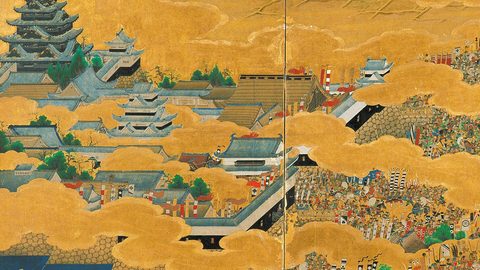 Osaka Things to Do, What Earns a Slot in Two Full Days
Osaka is not a monument city. This page ranks what earns a slot in two full days, from Dotonbori's neon to Shinsekai's retro grit.
Osaka Things to Do, What Earns a Slot in Two Full Days
Osaka is not a monument city. This page ranks what earns a slot in two full days, from Dotonbori's neon to Shinsekai's retro grit.
-
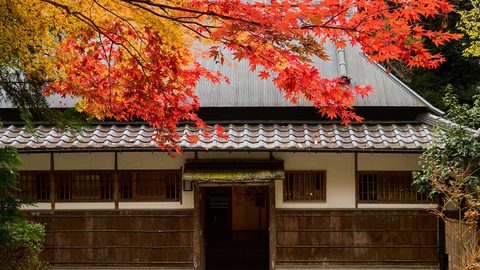 Best Time to Visit Osaka, Month by Month and the Trade Off Each One Asks
-
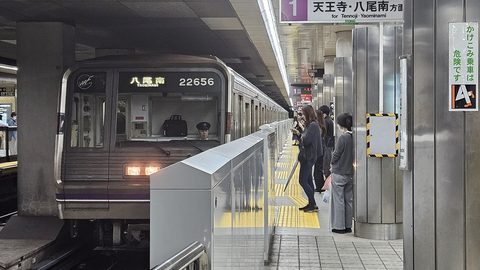 Getting Around Osaka, The Subway, the Private Railways and the Umeda Maze
Osaka's transit is fast but fractured. The Umeda station maze, private railway tickets and the ICOCA card explained before you go.
Getting Around Osaka, The Subway, the Private Railways and the Umeda Maze
Osaka's transit is fast but fractured. The Umeda station maze, private railway tickets and the ICOCA card explained before you go.
-
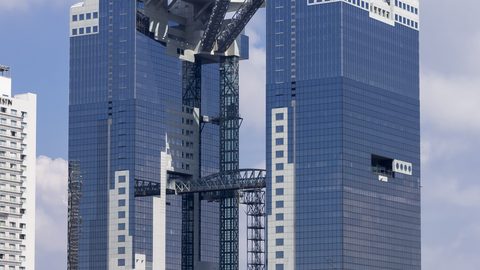 Umeda
How to navigate Umeda's multi-station maze in Osaka's Kita district: which exits to use, where to meet someone, and why the department stores are your best landmark.
Umeda
How to navigate Umeda's multi-station maze in Osaka's Kita district: which exits to use, where to meet someone, and why the department stores are your best landmark.
-
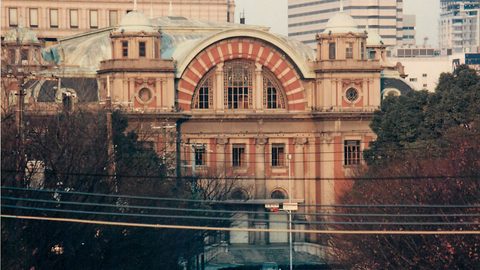 Nakanoshima
 is Osaka's museum island, a riverside strip of civic galleries, rose gardens and the quietest central walk in the city.
Nakanoshima
Nakanoshima is Osaka's museum island, a riverside strip of civic galleries, rose gardens and the quietest central walk in the city.
-
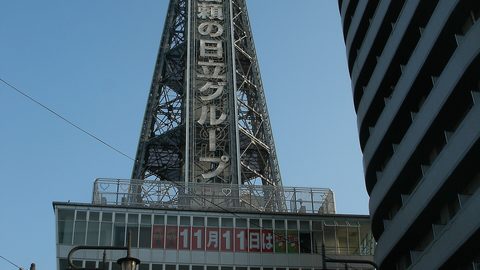 Shinsekai
 is Osaka's 1912 future district, home to kushikatsu alleys, Tsutenkaku tower and an unpolished Showa-era atmosphere that rewards the right visitor.
Shinsekai
Shinsekai is Osaka's 1912 future district, home to kushikatsu alleys, Tsutenkaku tower and an unpolished Showa-era atmosphere that rewards the right visitor.