Umeda Sky Building Floating Garden and Why It Beats the Taller Osaka Decks
The Umeda Sky Building's open-air Floating Garden and glass escalator bridge deliver Osaka's best observation experience, beating taller decks on atmosphere.
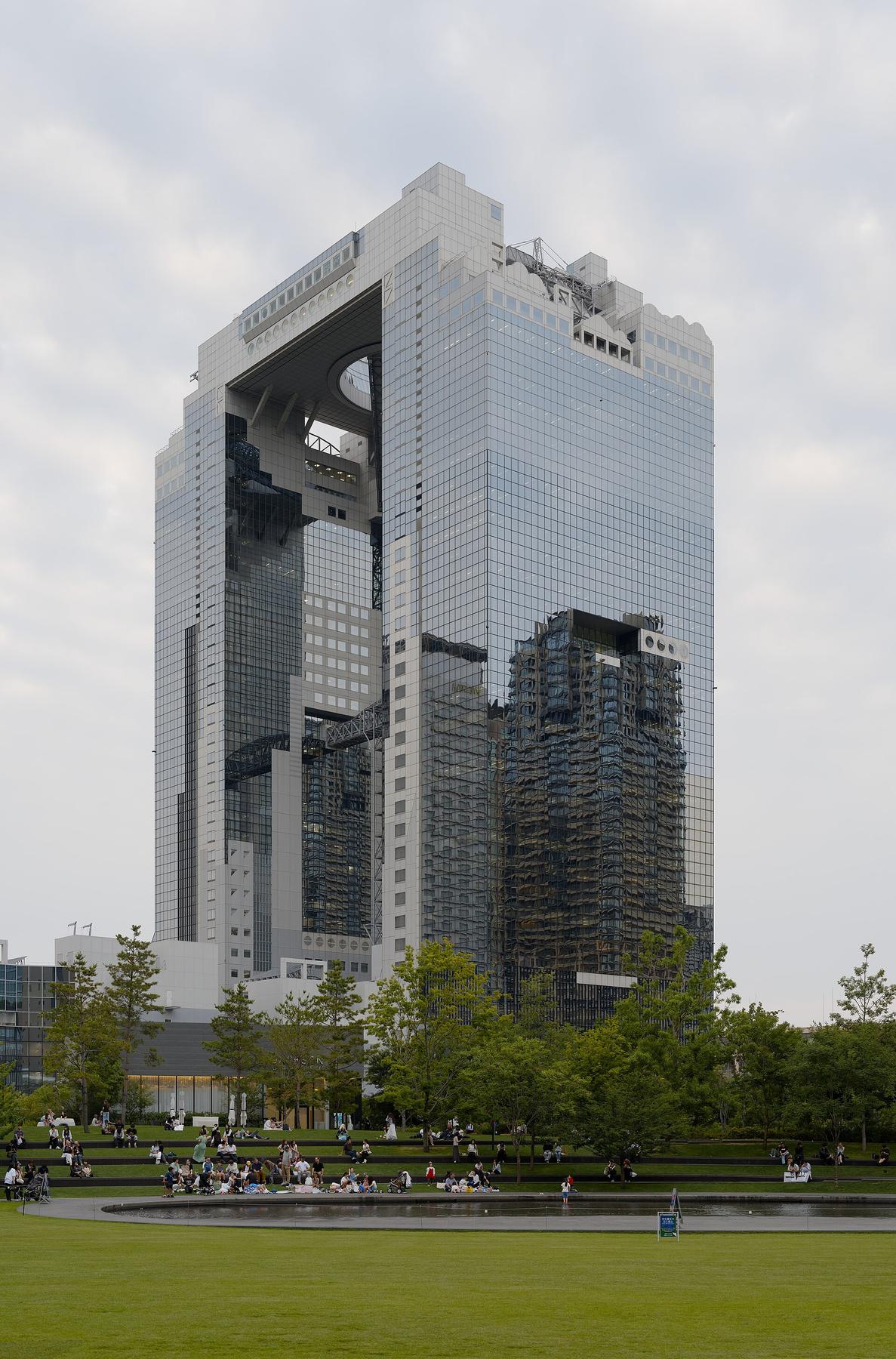

Why the Floating Garden Observatory Beats Osaka’s Taller Decks
The common assumption is that the best view of Osaka must come from the highest building. Abeno Harukas reaches 300 metres, nearly double the height of the Umeda Sky Building. Yet the Harukas 300 observation deck is sealed behind floor-to-ceiling glass. What you see is an Osaka reduced to a silent diorama. The Umeda Sky Building’s Floating Garden Observatory at 170 metres gives you the same city but with the wind, the noise and the full sensory mess of Osaka hitting you directly. That difference matters. Osaka lives on the street, in the neon, in the clatter of cooking and the heat of bodies. To experience it you need to be in it, not behind a pane of glass.
The Floating Garden Observatory is the open-air ring connecting the building’s twin towers. Its floor is a grated metal deck that lets wind pass straight through. Gusts are common. On a November evening you will feel the temperature drop. You will hear the trains. You will smell the cooking fat drifting up from Dotonbori. That is not a flaw. That is the entire reason to choose this deck over the enclosed alternative a few kilometres south.
- Official Name: Umeda Sky Building (Floating Garden Observatory)
- Address: 1-1-88 Oyodonaka, Kita-ku, Osaka, 531-6023
- Height / Floors: 173 m / 40 floors above ground
- Observatory Height: 170 m on the 39th floor
- Admission (Adult): ¥1,500 (rate at the time of writing; reviewed annually by the building operator)
- Hours: 09:30-22:30, final entry at 22:00 (subject to annual revision)
- Pass Included: Free entry once with the Osaka Amazing Pass (terms reviewed annually)
- Best Sunset Arrival: 30-60 minutes before local sunset
The Glass Escalator and the Walkway That Make the Floating Garden Work
The Escalator Ascent
You do not just step out onto the deck. The approach itself is a set piece. From the 35th floor you board an enclosed glass-tube escalator that crosses the open gap between the two towers. The effect is a slow ascent through open air, with the city spread below your feet through transparent walls. By the time you reach the 39th floor, you are already suspended over Osaka.
The Open-Air Walkway
Above that, the floating garden offers a continuous 360-degree walkway with no glass walls. That is the deciding feature. At Abeno Harukas the glass reflects the interior lights at night and mutes the colours of the city below. At Umeda Sky Building, nothing stands between you and the view. The walkway is narrow. On weekends in November the space gets tight. Arrive in the last hour before sunset to give yourself room to find your angle before the crowd pushes in.
The indoor observation area on the 39th floor below the deck serves one purpose: a backup if the wind is severe enough to close the open-air section. Do not stay there. The view is obstructed by structural columns and the glass is never clean enough. If the deck is open, go straight up.
Why the Sunset to City Lights Transition Here is the Best in Osaka
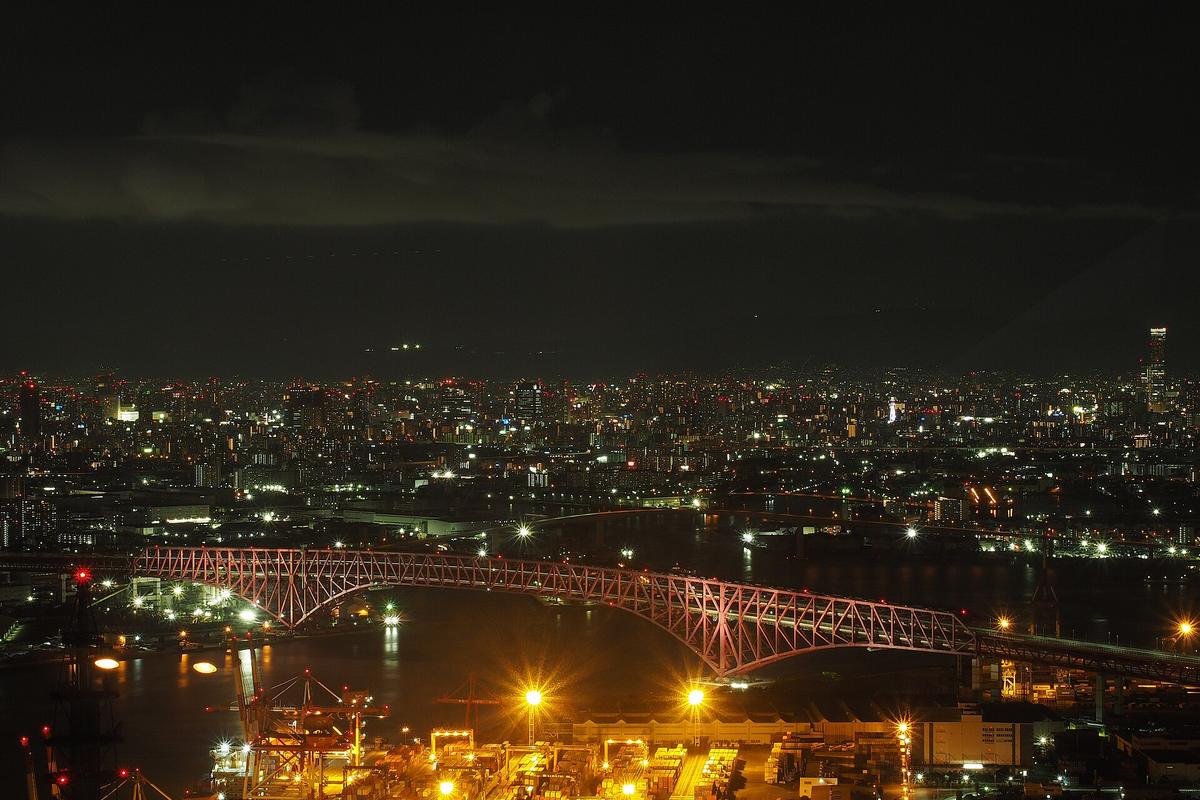
Osaka sunset times range from about 16:45 in late December to 19:15 in late June. Arrive 30 to 60 minutes before sunset. This gives you the full transition: the warm light hitting the Yodo River, the sudden dimming, then the incremental switch to neon.
From the open deck you watch Dotonbori’s signs flicker on. You see the Ferris wheel at the Bay Area begin to glow. Tsutenkaku lights up in its white and orange bands. Because the deck is open to the air, the sound of the city rises with the light levels. You hear the trains on the JR Loop line, the distant announcements from Osaka Station, the hum of traffic on National Route 423. That soundscape is the one thing no photograph can capture. It is also the one thing that makes the ¥1,500 feel like a bargain relative to what you would pay at Harukas 300 to stand in silence behind glass.
How to Get There Without Getting Lost in the Umeda Station Maze
The Simplest Route From JR Osaka
The Umeda Sky Building is a 7- to 10-minute walk from the central gates of JR Osaka Station. Use the underground pedestrian tunnel that runs beneath National Route 423. It is signed for Umeda Sky Building and Shin Umeda City. The tunnel exits directly in front of the building plaza. That is the simplest route. Do not attempt to walk above ground. The surface streets around Umeda are a tangle of construction hoardings and flyovers.
Arriving From Other Lines
If you arrive via Hankyu Osaka Umeda Station, budget 8 to 10 minutes. From Osaka Metro Umeda Station on the Midosuji Line, budget 9 to 12 minutes. From JR Kitashinchi Station, budget 10 to 12 minutes. All of these routes involve underground walking and at least one set of stairs. The building is not visible from any exit. Follow the signs and do not trust your phone’s GPS to resolve the multi-level underground passages.
The One Mistake Visitors Make
“Umeda station” is not one place. It is multiple stations stacked across three dimensions. Do not plan to meet someone at Umeda and walk together. Pick a specific department store exit on a specific line. The alternative is a missed sunset.
The Bonus Floor: Why Takimi Koji Matters to Your Evening
On basement level 1 of the same building you will find Takimi Koji, a reconstructed Showa-era street from the 1920s to the 1950s. It is not a museum. It is a functioning restaurant arcade with roughly 20 small eateries. The cuisine covers kushikatsu, okonomiyaki, takoyaki, ramen and izakaya-style small plates. Hours vary by restaurant, but most run from about 11:00 to 23:00.
The value of Takimi Koji is that it gives you a dinner option that does not require leaving the building and re-entering the Umeda maze. After the sunset transition, you ride the elevator down, eat skewers and drink beer in a deliberately cramped alley, then walk back to the station via the underground tunnel. The whole evening is contained in one site. That matters because the walk from the Sky Building to any restaurant in the Umeda underground city adds 15 minutes each way and the underground city closes some entrances after 22:00.

| Feature | Umeda Sky Building Floating Garden | Abeno Harukas Harukas 300 |
|---|---|---|
| Height | 170 m (39F) | 300 m (58F-60F) |
| Enclosure | Fully open air, no glass walls | Fully enclosed, floor to ceiling glass |
| Floor surface | Grated metal deck, wind passes through | Solid floor, climate controlled |
| Sunset experience | Direct wind, city sounds, temperature change | Silent, filtered light, no ambient noise |
| Admission (adult) | ¥1,500 (rate at the time of writing) | ¥1,500 (rate at the time of writing, online advanced ¥300 less) |
| Best for | Sensory immersion, night photography, couples | Bright daylight panorama, bad weather backup, families |
Who Should Skip the Floating Garden Observatory
An honest caveat: if you dislike heights that feel exposed, this deck will unsettle you. The grated floor shows the ground 170 metres below your feet. The wind pushes hard enough that a hat will blow off. Children under eight often grip the railing and refuse to move. There are no glass barriers to hide behind. For travellers who prefer a controlled environment, Abeno Harukas with its enclosed floor and solid walls is the better choice, even though the sensory experience is weaker.
Likewise, skip this if you are on a tight schedule and have only one observation deck slot. The Umeda Sky Building is not near the main tourist corridor of Namba and Dotonbori. Getting there from Minami takes 20 minutes by subway plus the 10-minute underground walk. The total round trip from Dotonbori is over an hour. If your itinerary has you in the Minami area all day, the closer and taller Abeno Harukas fits the route more efficiently. But if you have the time, the Floating Garden Observatory delivers the Osaka that lives outside, not the one that lives behind glass.
Common Questions
Is the Umeda Sky Building better than Abeno Harukas for photos?
Yes, for night photos and wide-angle shots. The open-air deck lets you shoot without glass reflections. For daytime cityscape detail at higher magnification, the enclosed Harukas 300 gives a cleaner view because you are higher and the glass is climate controlled. Bring a lens cloth regardless; wind-blown spray hits the metal grates.
Can I use the Osaka Amazing Pass here?
Yes. The pass grants free entry once during its validity period. The terms are reviewed annually, so confirm on the pass operator’s website before you go. The ¥1,500 saving makes the pass worth considering if you plan multiple attraction visits.
What happens if the weather closes the open deck?
The indoor observation area on the 39th floor remains open. The building operator does not offer refunds for deck closures due to weather. Check the local forecast before you travel up; heavy rain or typhoon-strength winds are the usual triggers.
How long should I budget for a visit?
90 minutes minimum. That covers the escalator ascent, the full rotation of the open deck, the indoor viewing area and a walk through Takimi Koji. For the sunset transition, plan for 2 hours: arrive 45 minutes before sunset, stay through the light change, then eat downstairs.
Is the building accessible for wheelchair users?
The building has elevators serving all floors including the observatory. The open deck uses a grated metal surface that can present minor vibration challenges for some wheelchairs. The glass-tube escalator is not wheelchair accessible; an alternate elevator route exists. Contact the building operator in advance to confirm specific access arrangements.
Read next
-
 Osaka Hotels, Sorted by Price Band and Property Type Not Neighbourhood
Osaka hotels sorted by budget and type, business towers, luxury high-rises and the few ryokan, with the trade-off each choice demands.
-
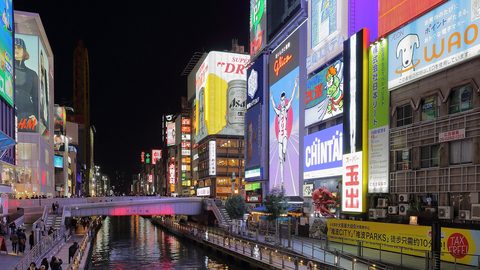 Where to Stay in Osaka, Pick the District That Matches Your Nights
Osaka's districts switch character after sunset. Pick where to stay based on whether you want street food chaos, standing-bar crawls or a quiet lane.
-
 Osaka Flights Which Airport to Choose and When to Book
KIX or Itami? Which Osaka airport to fly into, when flight prices spike during cherry blossom and November, and the booking windows that matter.
-
 Osaka Things to Do, What Earns a Slot in Two Full Days
Osaka is not a monument city. This page ranks what earns a slot in two full days, from Dotonbori's neon to Shinsekai's retro grit.
-
 Best Time to Visit Osaka, Month by Month and the Trade Off Each One Asks
-
 Getting Around Osaka, The Subway, the Private Railways and the Umeda Maze
Osaka's transit is fast but fractured. The Umeda station maze, private railway tickets and the ICOCA card explained before you go.
-
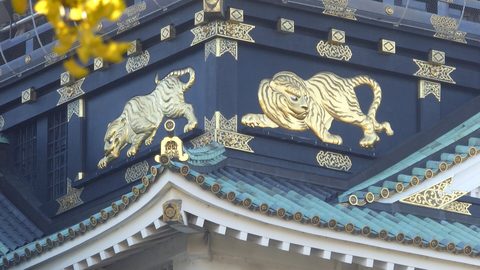 Osaka Castle
's park and moat walks outshine the concrete-reconstructed keep, which houses a museum and observation deck rather than original interiors.
-
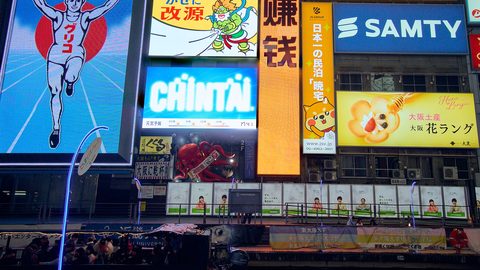 Dotonbori
 is Osaka's neon-lit eating canal, best used as a full-evening food and bar crawl rather than a quick Glico Sign photo stop.
-
 Universal Studios Japan
 demands a full day and a pre-purchased timed-entry ticket; here is whether USJ is worth it and how the ticketing actually works.