Shitennoji Temple Osaka and Why Japan Oldest Temple Feels Quieter Than Expected
Shitennoji is Japan's oldest official temple but its low-key Tennoji setting and concrete rebuild make it quieter than its age deserves, and that's the appeal.

Why the Quiet Matters
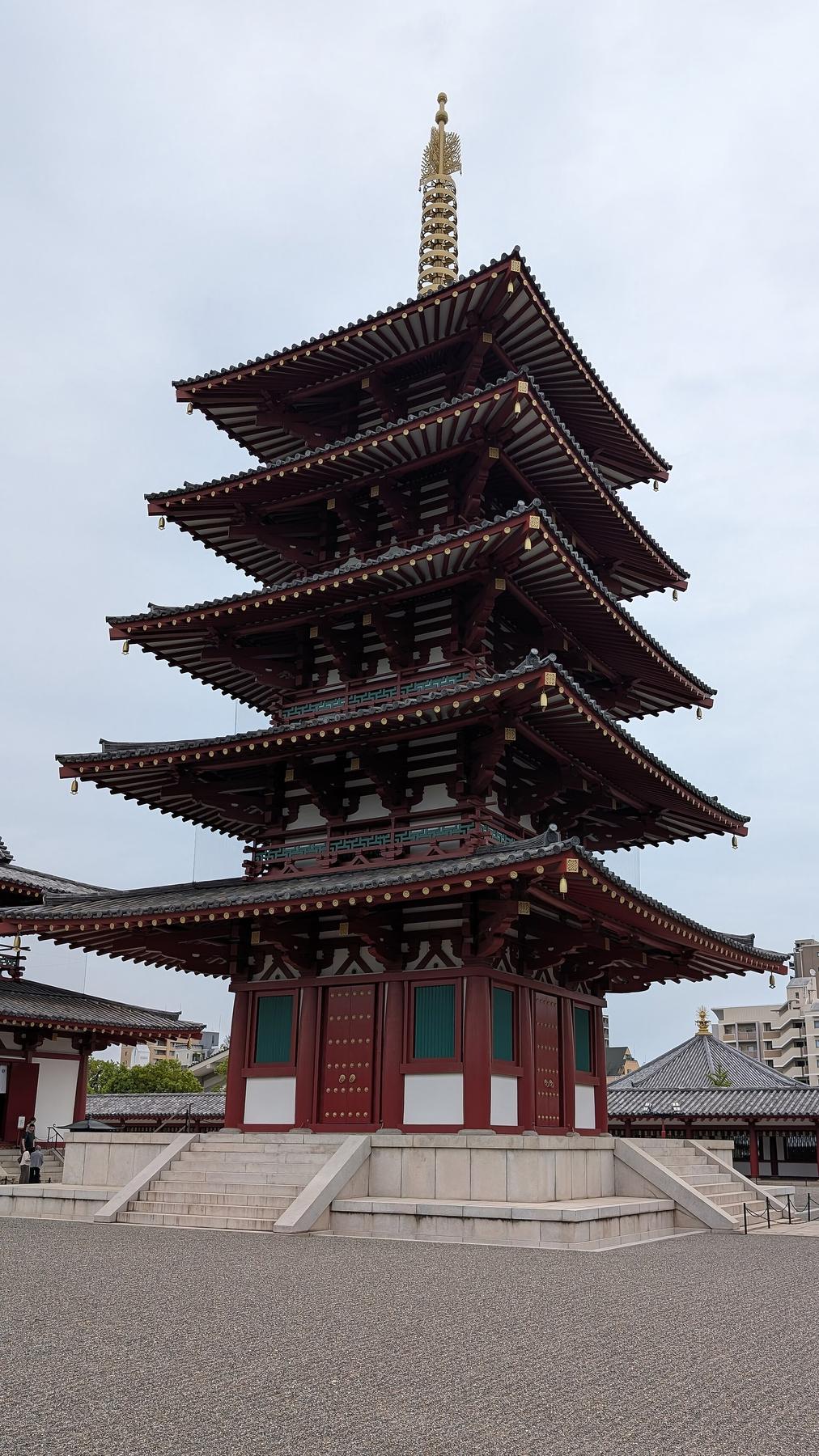
You came to Osaka expecting neon and noise, and someone pointed you toward Japan's oldest officially administered Buddhist temple. Your first reaction, standing at the stone torii near the pond, is probably confusion. Where is everyone? Shitennoji Temple Osaka is a paradox by design. Founded in 593 CE by Prince Shotoku, burned and rebuilt more times than its official records can easily count, now a reinforced concrete reconstruction completed between 1957 and 1963, it sits in a working-class pocket of Tennoji that most visitors speed through on their way to Kyoto. The subdued atmosphere is not a flaw. It is the entire point.
- Founded: 593 CE by Prince Shotoku
- Status: Oldest officially administered Buddhist temple in Japan
- Current Buildings Material: Reinforced concrete, rebuilt 1957-1963 after WWII firebombing
- Layout: Faithful to original 6th, 7th century plan: Middle Gate (Chumon), Five-story Pagoda, Main Hall (Kondo), Lecture Hall (Kodo), aligned south to north
- Main Areas: Free outer precinct; paid Inner Precinct (Chushin Garan), Treasure House, and Gokuraku-jodo Garden
- Admission: Inner Precinct ¥300; Treasure House ¥500; Combined ¥700; Gokuraku-jodo Garden ¥300 (prices for 2024, confirm via official site)
- Opening Hours: 08:30-16:30 (Oct, Mar); 08:30-17:00 (Apr, Sep). Treasure House closed Mondays and during exhibition changeovers
- Nearest Station: Shitennoji-mae Yuhigaoka Station (Tanimachi Line), 5-minute walk. Tennoji Station (JR/Midosuji Line), 12-minute walk
- Flea Market: Shitennoji Daiso-ichi, 21st, 22nd every month, 08:00-16:00, 300+ vendors
What You Pay for and What You Skip
Split Shitennoji into two distinct experiences. The free outer precinct includes the stone torii, the pond with turtles, the surrounding grounds where old men play shogi and children chase pigeons. This is a local park with a temple attached. Come here at 08:30 on a Tuesday and you will share the space with maybe a dozen people. No queues. No selfie sticks held at dangerous angles.
The paid Inner Precinct, called Chushin Garan, contains the five-story pagoda (29.4 metres tall, holding relics of the Buddha), the Main Hall (Kondo) which enshrines a Heian period statue of Prince Shotoku, and the Lecture Hall (Kodo) with its Eleven-headed Kannon and Amida Buddha. The pagoda interior is accessible only with a ticket. Buy the combined ticket for ¥700 (rate at the time of writing; check the temple's own site for the figure in force) to also enter the Treasure House (Shitennoji Homotsukan), which holds Buddhist statues, paintings, scriptures and relics of Prince Shotoku. The Treasure House closes on Mondays and during exhibition changeovers, so plan around that.
The Garden Worth the Detour
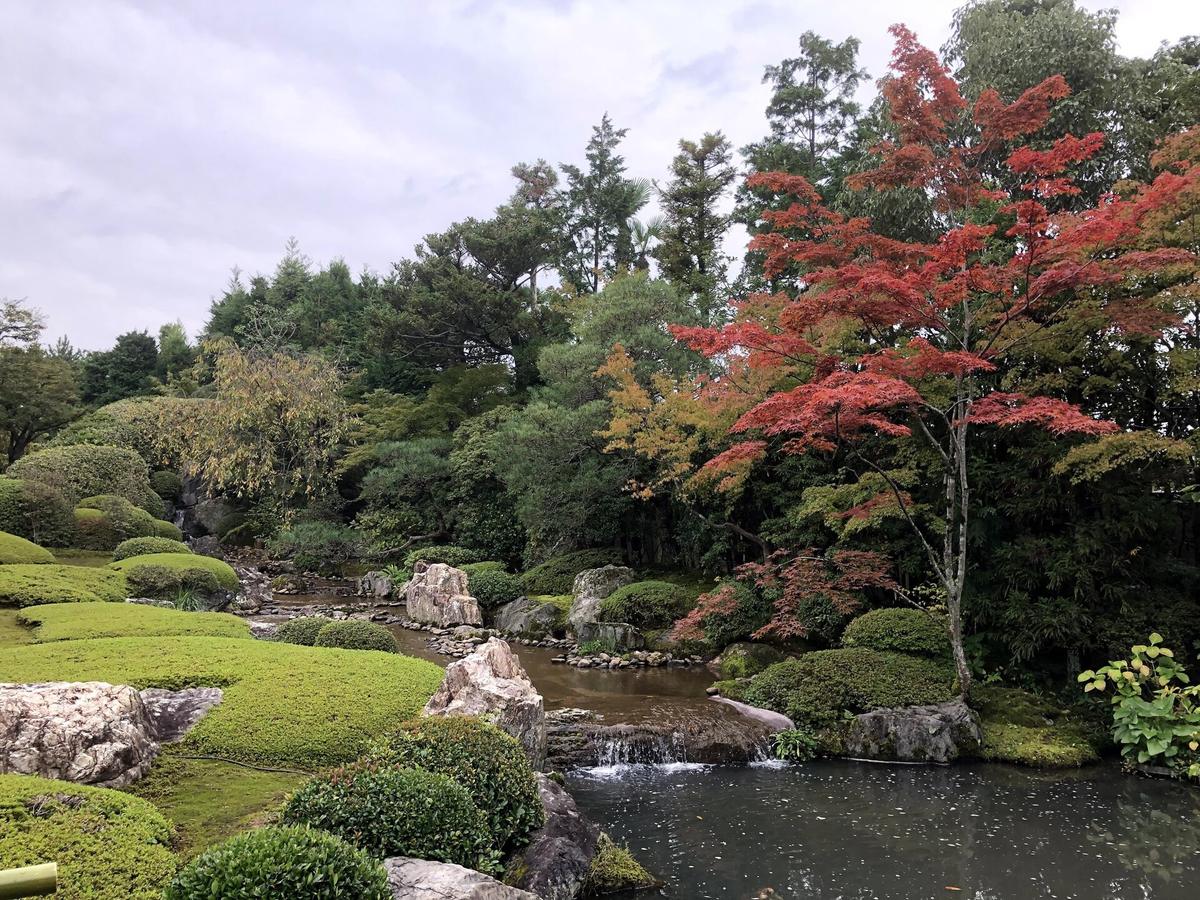
Gokuraku-jodo Garden costs another ¥300. It is a Heian period-style stroll garden based on descriptions of Amida's Western Paradise, with a pond, seasonal flowers and a tea house. Most visitors skip it. Do not. The garden is where the concrete reconstruction recedes and the original spiritual intent surfaces. Sit on the bench facing the pond for ten minutes. Nothing will happen. That is the point.
The Mistake Visitors Make
They come expecting spectacle. The pagoda is concrete painted to look like wood. The colours are faded. The grounds are tidy but unglamorous. This is a functioning religious site, not a tourist theatre. Monks hold services. Locals pray. The incense smoke is real, not pumped through a hidden system. If you need visual drama, head to the Umeda Sky Building or the Dotonbori canal. If you want to understand how a temple works when no one is selling it to you, stay here.
When to Arrive and How to Get There
Arrive by 08:30 and enter through the north gate near the pagoda. The light is soft, the morning service is finishing, and you will have the pagoda courtyard to yourself for at least thirty minutes. From Tennoji Station (JR or Midosuji Line), walk east for twelve minutes. The route goes past pachinko parlours and a discount pharmacy, which tells you something about the neighbourhood. From Shitennoji-mae Yuhigaoka Station on the Tanimachi Line, it is a five-minute walk and the exit puts you directly at the south gate.
The subway works fine. From Umeda, take the Midosuji Line to Tennoji, transfer to the Tanimachi Line, about twenty minutes total. From Namba, same transfer, about fifteen minutes. Do not bother with a taxi. The walk from either station is short enough that you will spend more time in traffic than moving.
The One Exception to the Quiet
The 21st and 22nd of every month bring the Shitennoji Daiso-ichi flea market. Three hundred plus vendors spread across the grounds selling antiques, second-hand kimono, crafts, plants and street food. This is the liveliest time to visit. Arrive at 08:00 to see the market being set up and hit the temple itself before the crowd thickens. The market runs until roughly 16:00. Do not try to enter the Inner Precinct during peak market hours (11:00 to 14:00) unless you enjoy shuffling. Come for the market, then loop back into the temple later.
The Doya Doya Festival on 14 January is the other major annual event, where young men in loincloths scramble for amulets in the Main Hall. If you are in Osaka that day, go. If you are not, do not rearrange your trip for it.
The Neighbourhood and Your Next Move
Shitennoji sits in the Tennoji district, which is a transport hub with a blue-collar edge. The tower complex at Abeno Harukas, Japan's tallest building, is a fifteen-minute walk south. Its paid observatory requires advance online tickets to save ¥300. The retro Tsutenkaku Tower in Shinsekai is a twenty-minute walk west, through a neighbourhood that still looks like the Showa era. Shinsekai is where you eat kushikatsu (deep-fried skewers with a strict no-double-dip sauce rule) and pretend the concrete reconstruction of the tower is deliberate rather than desperate.
Combine Shitennoji with Sumiyoshi Taisha, a shrine with a distinctive straight roof design and free grounds, a fifteen-minute train ride south on the Nankai Main Line. Do not combine it with Osaka Castle in the same morning. The two are on opposite sides of the city and you will waste an hour in transit.
Who This Temple Suits and Who Should Skip It
Shitennoji suits travellers who are bored of Kyoto's curated perfection, who want to see a temple that operates without a gift shop at every corner, who understand that concrete can still hold meaning if the plan is original. It suits repeat visitors to Japan who have done the Kinkaku-ji photo and want something that feels earned rather than served.
Skip it if you have one day in Osaka and your priority is Dotonbori at night, Kuromon Market in the morning, and the Glico sign at dusk. Skip it if concrete architecture offends you and you need original wood. Skip it if you are travelling with children under ten who will not care about a pagoda they cannot climb. Go to the aquarium instead.

Common Questions
Is Shitennoji Temple worth visiting if I only have one day in Osaka?
Only if your one day is a Sunday and the flea market is on, or if you have already seen Dotonbori and the castle. Otherwise, the time is better spent in Minami or Kita. The temple rewards unhurried visitors, not rushed ones.
How long should I budget for a visit to Shitennoji?
One hour for the free grounds and Inner Precinct. Add 30 minutes for the Gokuraku-jodo Garden. Add another 45 minutes if you visit the Treasure House. Two and a half hours total if you do everything.
Can I see the pagoda interior without a ticket?
No. The pagoda interior, which enshrines relics of the Buddha, is accessible only inside the paid Inner Precinct. The combined ¥700 ticket is your best option for the pagoda, Main Hall, Lecture Hall and Treasure House.
What is the best day to visit Shitennoji?
The 21st of any month for the flea market. Arrive at 08:00 to see the market set up, tour the temple before 10:00, then browse the stalls. If you want solitude, visit on a weekday morning outside of Golden Week, cherry blossom season and autumn foliage.
Is Shitennoji still the original building from 593?
No. The current structures are reinforced concrete reconstructions completed between 1957 and 1963, after the original buildings were destroyed by firebombing on the night of 13-14 March 1945. The layout is faithful to the original 6th century plan, but the materials are modern.
Read next
-
 Osaka Hotels, Sorted by Price Band and Property Type Not Neighbourhood
Osaka hotels sorted by budget and type, business towers, luxury high-rises and the few ryokan, with the trade-off each choice demands.
Osaka Hotels, Sorted by Price Band and Property Type Not Neighbourhood
Osaka hotels sorted by budget and type, business towers, luxury high-rises and the few ryokan, with the trade-off each choice demands.
-
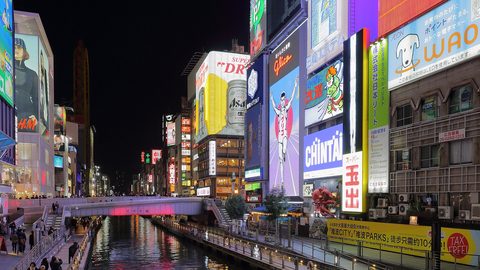 Where to Stay in Osaka, Pick the District That Matches Your Nights
Osaka's districts switch character after sunset. Pick where to stay based on whether you want street food chaos, standing-bar crawls or a quiet lane.
Where to Stay in Osaka, Pick the District That Matches Your Nights
Osaka's districts switch character after sunset. Pick where to stay based on whether you want street food chaos, standing-bar crawls or a quiet lane.
-
 Osaka Flights Which Airport to Choose and When to Book
KIX or Itami? Which Osaka airport to fly into, when flight prices spike during cherry blossom and November, and the booking windows that matter.
Osaka Flights Which Airport to Choose and When to Book
KIX or Itami? Which Osaka airport to fly into, when flight prices spike during cherry blossom and November, and the booking windows that matter.
-
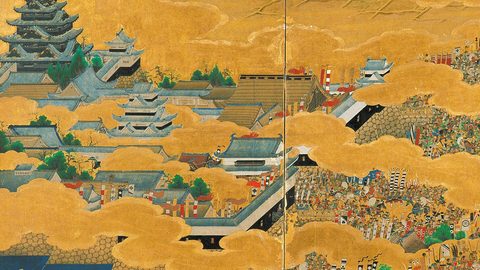 Osaka Things to Do, What Earns a Slot in Two Full Days
Osaka is not a monument city. This page ranks what earns a slot in two full days, from Dotonbori's neon to Shinsekai's retro grit.
Osaka Things to Do, What Earns a Slot in Two Full Days
Osaka is not a monument city. This page ranks what earns a slot in two full days, from Dotonbori's neon to Shinsekai's retro grit.
-
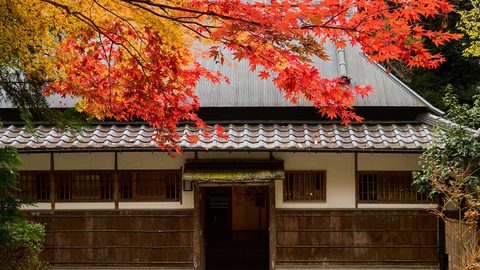 Best Time to Visit Osaka, Month by Month and the Trade Off Each One Asks
-
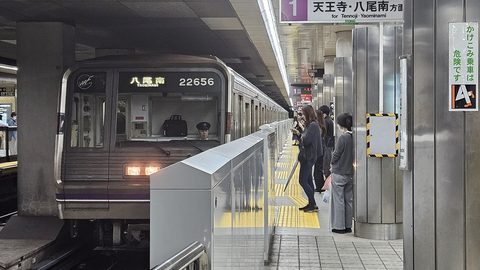 Getting Around Osaka, The Subway, the Private Railways and the Umeda Maze
Osaka's transit is fast but fractured. The Umeda station maze, private railway tickets and the ICOCA card explained before you go.
Getting Around Osaka, The Subway, the Private Railways and the Umeda Maze
Osaka's transit is fast but fractured. The Umeda station maze, private railway tickets and the ICOCA card explained before you go.
-
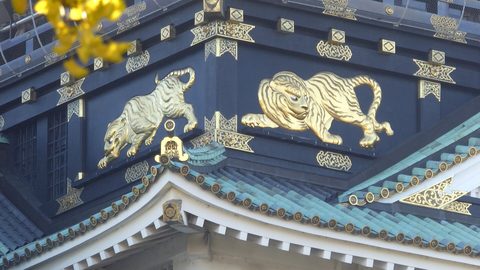 Osaka Castle
's park and moat walks outshine the concrete-reconstructed keep, which houses a museum and observation deck rather than original interiors.
Osaka Castle
Osaka Castle's park and moat walks outshine the concrete-reconstructed keep, which houses a museum and observation deck rather than original interiors.
-
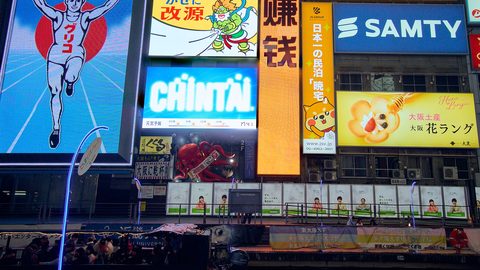 Dotonbori
 is Osaka's neon-lit eating canal, best used as a full-evening food and bar crawl rather than a quick Glico Sign photo stop.
Dotonbori
Dotonbori is Osaka's neon-lit eating canal, best used as a full-evening food and bar crawl rather than a quick Glico Sign photo stop.
-
 Universal Studios Japan
 demands a full day and a pre-purchased timed-entry ticket; here is whether USJ is worth it and how the ticketing actually works.
Universal Studios Japan
Universal Studios Japan demands a full day and a pre-purchased timed-entry ticket; here is whether USJ is worth it and how the ticketing actually works.