Kuromon Market Morning Grazing and What the Market Has Become
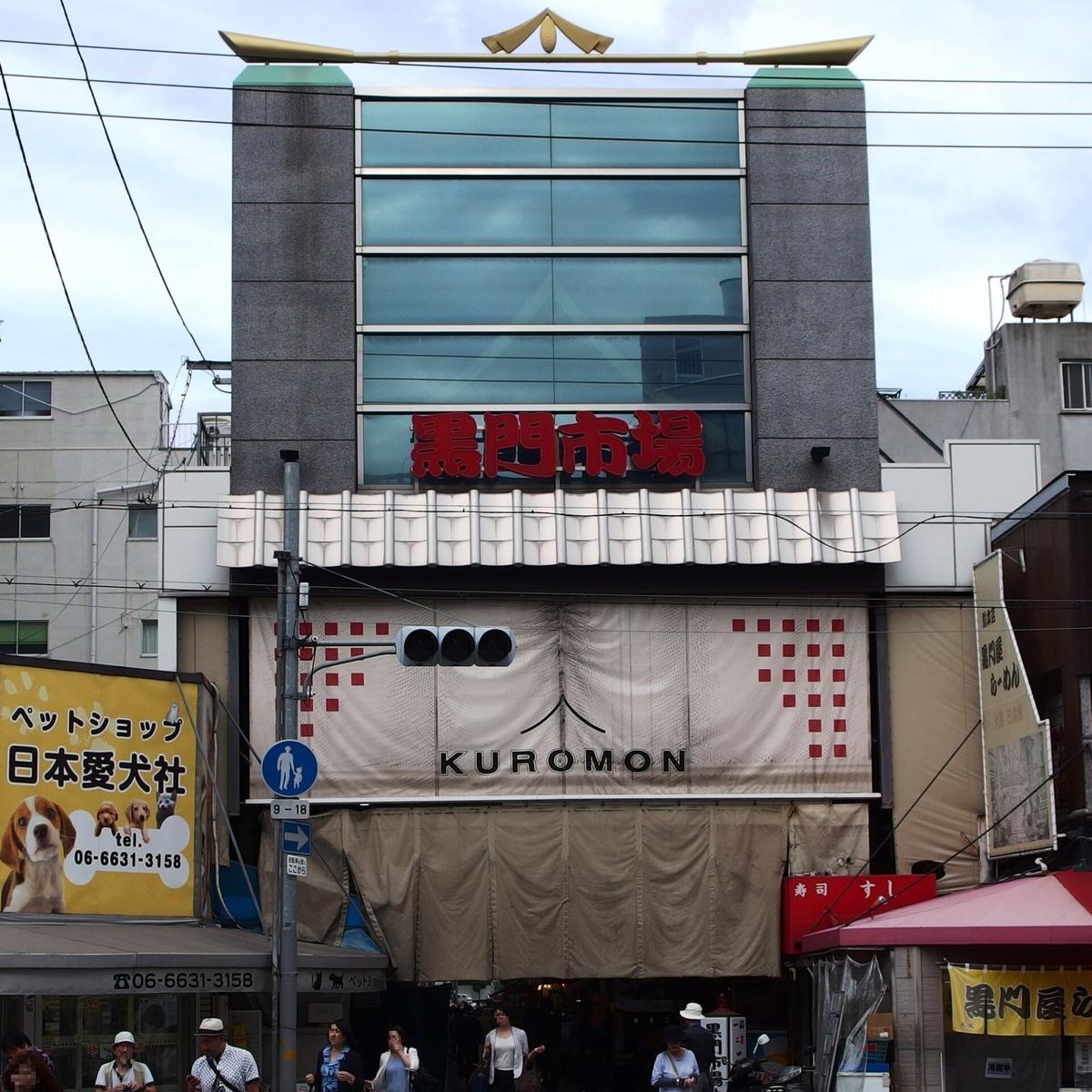
Kuromon Market rewards early visitors with fresh seafood and stall grazing before 10am, afternoons bring tour-bus crowds and a different, lesser market.

Kuromon Market Morning Grazing and What the Market Has Become
Before 10:00, The Complaint Is Wrong
You have heard the complaint. Kuromon Market is a tourist trap now, inflated prices, pre-cut fruit on sticks, nowhere to breathe. The complaint is true after 11:00 and false before 10:00. That is the entire answer. Go early, before the tour buses arrive, and you get the freshest seafood in Osaka, a quiet arcade where vendors still make eye contact, and a genuine feel for why this 580-metre strip has operated since 1822. Go at lunch and you pay a 30 to 50 percent premium on items a local would never buy, you stand shoulder to shoulder in a single-direction shuffle, and you leave asking why anyone recommended it.
What The Market Has Become
The hardest part of this trip is believing the first paragraph. Osaka, loud and unpolished, moves on commerce. The market has adapted to the dominant customer. More than 70 percent of its roughly 150 stalls now serve visitors directly. The old wholesale function that fed restaurants and households is gone from most of the arcade. That is not a tragedy. It is a shift. Your job is to use the hours when the market still works like a market.
- Nearest Station: Nipponbashi Station, Exit 10. Sakaisuji Line, Sennichimae Line, or Kintetsu Namba Line.
- Length and Orientation: Approx. 580 m east-west. East entrance on Sakaisuji Street, west entrance at Nipponbashi.
- Best Time To Visit: 09:00 to 10:00 on weekdays. Peak crowds 11:30 to 14:00.
- Stall Hours And Closures: 09:00 to 18:00, varies by stall. Many closed Sundays or Wednesdays. No market-wide closure day.
- Eating Rules: Eating while walking is prohibited. Stand at the counter in front of the stall. Vendors may call you out; no fines.
- Payment: Cash is king. Some stalls accept IC cards or credit cards, but carry ¥5,000 in notes to be safe.
What You Should and Should Not Buy
The stalls divide into two categories. The ones selling whole fresh fruit by weight, dry goods like kombu and katsuobushi, loose tea, and pickles still offer honest value. A bag of strawberries or a block of aged skipjack flake costs roughly the same here as anywhere else in Osaka because the vendor buys in wholesale quantity. The other category is the tourist bait. Pre-cut fruit arranged on a stick for upwards of 500 yen. Wagyu skewers that use a cheaper cut and a sear. Uni topped skewers that look dramatic and taste like mild saltwater. Prepackaged sushi sets with cold rice. Crab leg portions priced per leg, not per kilogram. That is where the 30 to 50 percent markup lives.
Walk the full 580 metres before buying anything. The stalls closest to the west entrance, nearest the Nipponbashi shopping street, charge the highest prices. The middle section, between the dried fish and the pickle sellers, still has a few shops that price for repeat customers. You want the stall where the person behind the counter is pulling a live prawn from a tank, not the one where six skewers lie under a heat lamp.
How to Graze Stall by Stall Before 10:00
Seafood First
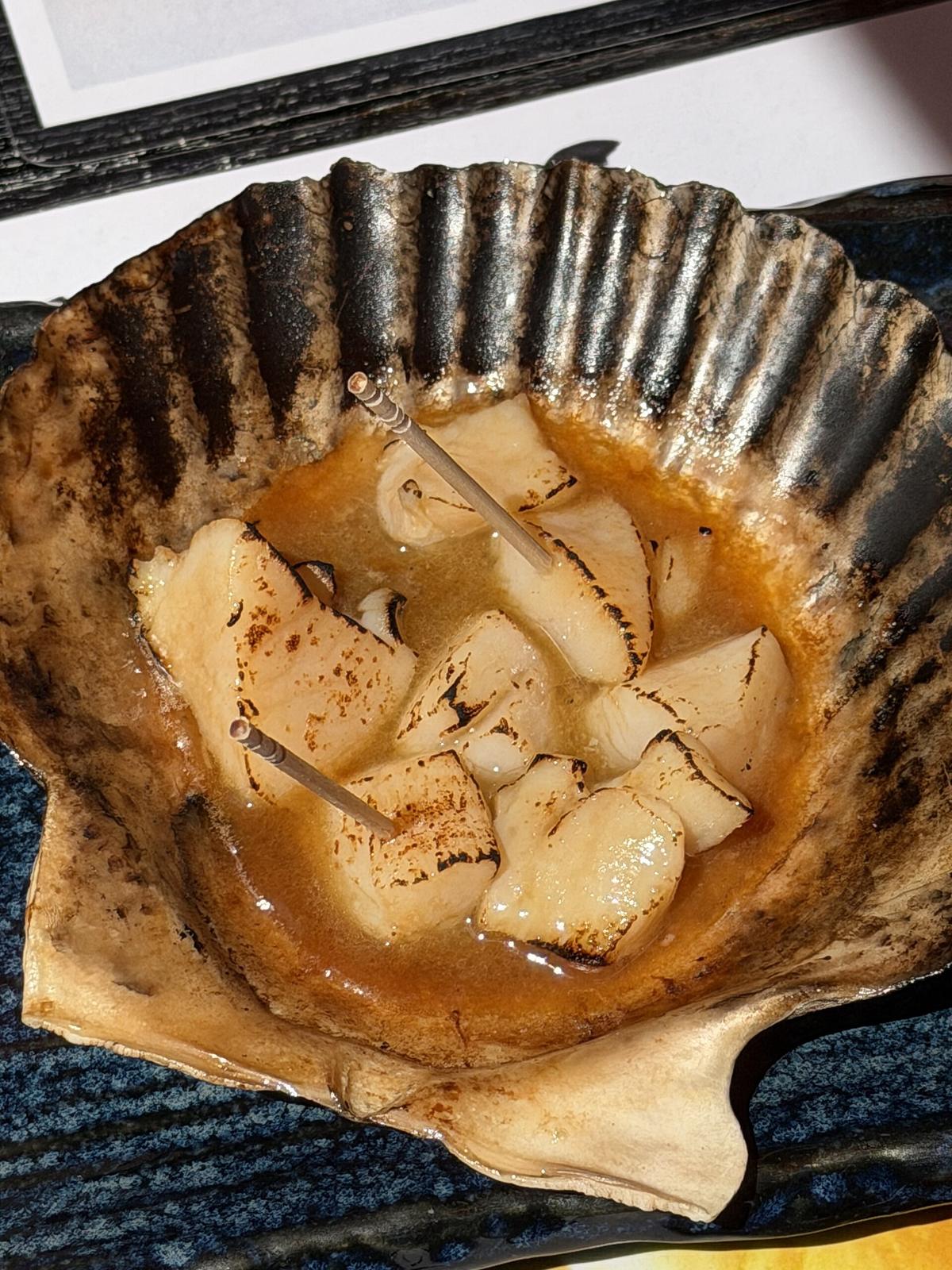
Arrive at Nipponbashi Station Exit 10 at 08:45. The market arcade opens gradually from 09:00. Your first stops should be the seafood stalls just west of the middle section. Look for a vendor shucking oysters on the spot or grilling a scallop in its shell. These stalls turn over their display stock fast in the first hour because they are filling morning wholesale orders for restaurants. You get the same oyster a restaurant pays wholesale for, at a retail markup that is not yet inflated. Eat it standing at the counter in three bites. Do not walk with it.
Tamago-Yaki and Oden
Next, the tamago-yaki stalls. A rectangular block of layered egg, sweet and barely set, cut into a slice. The queues are short before 10:00. A vendor will hand you a wooden pick and a piece of paper. Stand at the counter. The egg cools fast, so eat immediately.
For a small meal, the oden stalls. A simmering pot of daikon, fish cake, konjac, and boiled egg in a light soy broth. Scoop into a bowl, 300 to 500 yen. No queue at 09:30. The broth has been cooking since before the stall opened, so it carries the depth that the lunch crowd never gets to taste because the stall has been topping up water all morning.
What Changes at 11:00
The Tour Bus Hour
At 11:00 the tour buses arrive. The arcade narrows to a single shuffling lane. The vendors who greeted you directly now hand food over heads. The pace shifts from transaction to production line. The freshness question becomes irrelevant because no stall is selling anything that was not alive at 07:00, but the experience flips. You pay more, you wait longer, and you cannot hear the crackle of the grill over the chatter.
The Backup Plan
If you arrive at 11:30, skip the main arcade entirely. Walk north to Doguyasuji Shopping Street, 400 metres away on Nipponbashi, a 150-metre stretch of kitchen supply shops. Forty five shops selling restaurant-grade knives, plastic food samples, ceramic bowls, and cast-iron teapots. It is quiet, indoor, and nobody will scold you for loitering. Combined with a morning Kuromon visit, the whole trip takes two to three hours. The afternoon belongs to Shinsekai or the retro grit of Tsutenkaku, not a market that has already done its best work.

Who Should Skip Kuromon Market Entirely
Kuromon suits street-food grazers who plan their trip around specific morning meals and who do not mind standing to eat. It suits repeat visitors to Japan who have already done the polished version of a market and want Osaka's working-class, transaction-first version. It suits solo travellers who can move through the arcade quickly and do not need to negotiate group logistics.
Skip Kuromon if you want a quiet, scenic market with old wooden architecture. That market is Nishiki in Kyoto, and it is not a substitute. Skip it if you cannot arrive before 10:00. An afternoon visit leaves you paying a premium for a crowd. Skip it if your travel companion has limited patience for standing and eating in a narrow aisle with no seating. The market does not soften for convenience. Use the morning or use something else.
Common Questions
Is Kuromon Market still worth visiting?
Yes, but only before 10:00 on a weekday. After that the crowds and prices make it a lesser experience. The seafood is identical. Everything else is worse.
Can I eat while walking through the market?
No. Signage at multiple points prohibits it. Vendors and market staff may ask you to stop. Stand at the counter in front of the stall, eat, then move.
What is the best way to pay at Kuromon?
Cash. Carry at least ¥5,000 in small notes. Some stalls accept IC cards or credit cards, but coverage varies and the card terminal may not be working.
How long should I spend at Kuromon?
One hour for grazing, plus one to two hours at nearby Doguyasuji for kitchenware and knife shopping. Total two to three hours if you arrive at 09:00.
Read next
-
 Osaka Hotels, Sorted by Price Band and Property Type Not Neighbourhood
Osaka hotels sorted by budget and type, business towers, luxury high-rises and the few ryokan, with the trade-off each choice demands.
Osaka Hotels, Sorted by Price Band and Property Type Not Neighbourhood
Osaka hotels sorted by budget and type, business towers, luxury high-rises and the few ryokan, with the trade-off each choice demands.
-
 Where to Stay in Osaka, Pick the District That Matches Your Nights
Osaka's districts switch character after sunset. Pick where to stay based on whether you want street food chaos, standing-bar crawls or a quiet lane.
Where to Stay in Osaka, Pick the District That Matches Your Nights
Osaka's districts switch character after sunset. Pick where to stay based on whether you want street food chaos, standing-bar crawls or a quiet lane.
-
 Osaka Flights Which Airport to Choose and When to Book
KIX or Itami? Which Osaka airport to fly into, when flight prices spike during cherry blossom and November, and the booking windows that matter.
Osaka Flights Which Airport to Choose and When to Book
KIX or Itami? Which Osaka airport to fly into, when flight prices spike during cherry blossom and November, and the booking windows that matter.
-
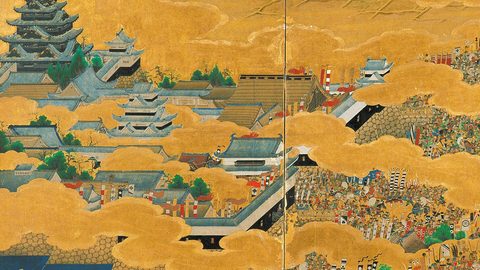 Osaka Things to Do, What Earns a Slot in Two Full Days
Osaka is not a monument city. This page ranks what earns a slot in two full days, from Dotonbori's neon to Shinsekai's retro grit.
Osaka Things to Do, What Earns a Slot in Two Full Days
Osaka is not a monument city. This page ranks what earns a slot in two full days, from Dotonbori's neon to Shinsekai's retro grit.
-
 Best Time to Visit Osaka, Month by Month and the Trade Off Each One Asks
-
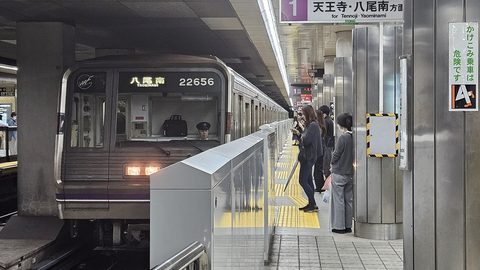 Getting Around Osaka, The Subway, the Private Railways and the Umeda Maze
Osaka's transit is fast but fractured. The Umeda station maze, private railway tickets and the ICOCA card explained before you go.
Getting Around Osaka, The Subway, the Private Railways and the Umeda Maze
Osaka's transit is fast but fractured. The Umeda station maze, private railway tickets and the ICOCA card explained before you go.
-
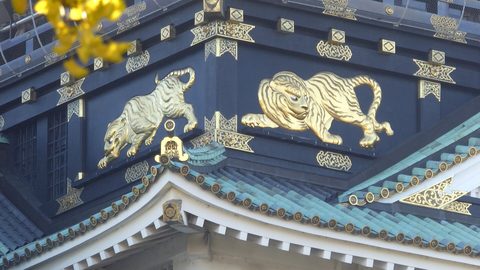 Osaka Castle
's park and moat walks outshine the concrete-reconstructed keep, which houses a museum and observation deck rather than original interiors.
Osaka Castle
Osaka Castle's park and moat walks outshine the concrete-reconstructed keep, which houses a museum and observation deck rather than original interiors.
-
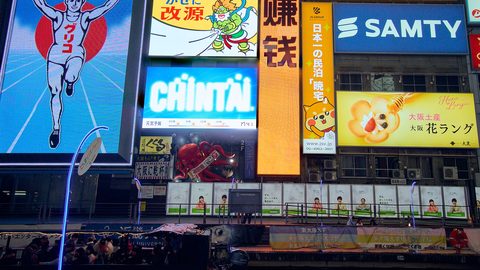 Dotonbori
 is Osaka's neon-lit eating canal, best used as a full-evening food and bar crawl rather than a quick Glico Sign photo stop.
Dotonbori
Dotonbori is Osaka's neon-lit eating canal, best used as a full-evening food and bar crawl rather than a quick Glico Sign photo stop.
-
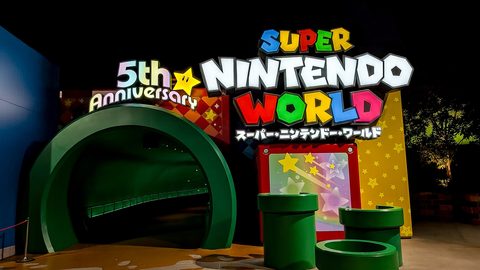 Universal Studios Japan
 demands a full day and a pre-purchased timed-entry ticket; here is whether USJ is worth it and how the ticketing actually works.
Universal Studios Japan
Universal Studios Japan demands a full day and a pre-purchased timed-entry ticket; here is whether USJ is worth it and how the ticketing actually works.