Tsutenkaku Tower Shinsekai and the Billiken Statue Nobody Explains
Tsutenkaku Tower's ¥900 ticket buys Showa-era nostalgia and the Billiken luck statue ritual, not a serious panorama, but that's exactly why it works in Shinsekai.

The Tower You Think You Know is the Wrong Story
Most visitors treat Tsutenkaku Tower as Osaka's answer to the Eiffel Tower: a landmark you tick off in ten minutes, snap a photo from the street, and move on. That assumption sets you up for disappointment. The 103-metre tower is not a serious panorama competitor. At 87.5 metres, the main deck sits less than a third of the height of Abeno Harukas, Japan's tallest building, which looms a few subway stops south. If you come for sweeping city views and a modern lookout experience, you will leave wondering why you paid ¥900.
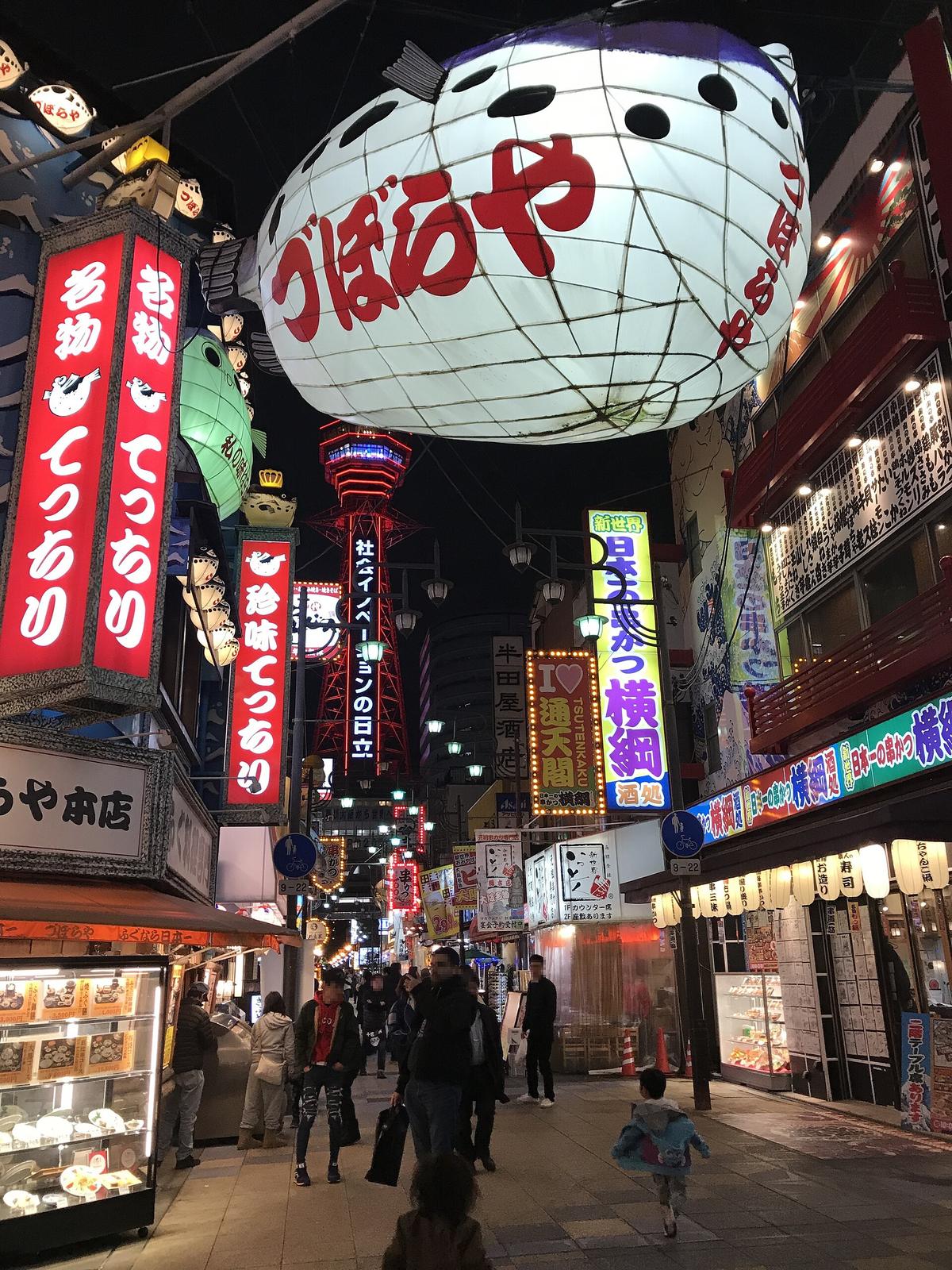
The real point of Tsutenkaku is the opposite of a skyline spectacle. It is a cramped, slightly worn, neon-lit Showa-era time capsule anchored in the retro-gritty Shinsekai district. The ticket buys you not a view but a mood: the nostalgic, compact, slightly shabby charm of a 1956 tower rebuilt after the original 1912 version was dismantled in 1943 for scrap metal in the war effort. The district below is not a polished tourist zone. It is 80 kushikatsu shops, pachinko parlours, and standing bars where the sauce has a strict no-double-dip rule. That streetscape is the reason the tower works. Stand alone and it is overpriced. Seen as the vertical anchor of Shinsekai, it clicks into place.
The Billiken: What It Is and What to Do
The second question every visitor asks once inside: what is that grinning gold-wood figure on the fifth floor that everyone is rubbing? Nobody explains it, so here it is. The Billiken is an early-1900s American charm doll created by Kansas City illustrator Florence Pretz in 1908. She filed a patent on October 6, 1908. By 1909 it had reached Japan. When the original Tsutenkaku opened in 1912, the Billiken was enshrined there and designated the official god of Shinsekai. The ritual is simple: you rub the soles of its gold-painted wooden feet for good luck. That is it. No incantation, no donation box. Just rub and move on. The figure survived the tower's wartime destruction and was reinstalled in the current tower. It is not inside the tower in some obscure corner. It is on the 5th floor deck, impossible to miss, and the right thing to do is rub its feet once and then buy a kushikatsu downstairs.
- Address: 1-18-6 Ebisuhigashi, Naniwa Ward, Osaka 556-0002
- Nearest Station: Ebisucho, Osaka Metro Sakaisuji Line, Exit 3. Alternatively Dobutsuen-mae (5 min walk), Shin-Imamiya JR/Nankai (6 min walk)
- Hours: Main deck 10:00-20:00, last entry 19:30. Open-air deck (Tenbo Paradise) 10:00-19:30, last entry 19:00
- Closed Days: None. Open daily
- General Admission (Main Deck): ¥900 adult (rate at the time of writing, check osaka-info.jp for current pricing as tariffs change annually)
- Main Deck + Tower Slider: ¥1,000 adult (rate at the time of writing, same publisher)
- Main Deck + Open-Air Deck (Tenbo Paradise): ¥1,200 adult (rate at the time of writing, same publisher)
- Tower Slider Details: 60 m external slide, approx 10 second descent, opened 2022
- Neon Lighting: Approx 40,000 LEDs, 8 base colours, 16.7 million combinations. Illuminated sunset to 23:00. Summer cool white, winter warm orange. Renewed 2015
- District Signature Food: Kushikatsu (deep-fried skewers). Around 80 shops in Shinsekai
Is the ¥900 Ticket Worth It? the Verdict
The short answer: yes, but only if you understand what you are buying. You are not buying a view. You are buying access to a Showa-era streetscape from a modest height, the Billiken ritual, and the right to say you have been up the tower that defines Osaka's most unvarnished district. If that sounds like a good hour of your trip, pay the ¥900 at the ground-floor ticket counter. If you came for a soaring panorama, spend the money at Abeno Harukas (advance online tickets save ¥300) or the Umeda Sky Building's floating garden at ¥1,500.
Which Ticket To Buy
Three tickets exist. The basic ¥900 adult ticket gets you the main indoor deck at 87.5 metres. For ¥1,000 you add the Tower Slider, a 60-metre external tube slide that drops you to ground level in about 10 seconds. For ¥1,200 you get the main deck plus Tenbo Paradise, the open-air deck at 94.5 metres that opened in 2022. Skip the slide if you are broad-shouldered or prefer not to exit the tower disoriented. The open-air deck is worth the extra ¥300 on a clear day because it is the only part of the tower that feels genuinely exposed to the city. On a rainy day, the slide runs but the open-air deck does not. Check the weather before you queue.
The Mistake Most Visitors Make
They arrive at the tower first, treat it as a standalone morning activity, then wander into Shinsekai as an afterthought. Reverse the order. Arrive in Shinsekai around 15:00. Eat your way through the kushikatsu alley. Watch the neon lights switch on at sunset. Then queue for Tsutenkaku between 17:00 and 18:00. The tower fills up during the daytime peak. Evening light softens the view of the city you came to Osaka for in the first place: a loud, unpolished, neon-bright sprawl that moves faster than Tokyo and feels more working class. The illuminated tower itself, with its 40,000 LEDs cycling through 16.7 million colour combinations, is best seen from the ground anyway.
How to Do the Billiken Ritual Without Looking Lost
Walk to the 5th floor deck. The Billiken sits in a dedicated alcove, gold-painted wood, unmistakable. Rub the soles of its feet. That is the entire ritual. There is no donation. No prayer. No queue. You do not need to bow. Do not take a selfie with your feet touching its feet. Do not rub its head. Just the soles. The origin of the custom is lost but the rule is not. One rub per visit is sufficient. The Billiken was introduced to Japan in 1909 and enshrined in the original tower in 1912 as the official god of Shinsekai. It is a luck symbol, not a religious object. Treat it with the same casual respect you would give a temple omamori charm and you have got it right.
What You Are Looking At
While you are on the 5th floor, look down at the Shinsekai streetscape. The district was built in the early 20th century as a modern entertainment quarter inspired by Paris and New York. The original tower was part of that vision. The rebuilt 1956 version kept the Eiffel inspiration but lost the grandeur. What remains is a compact, slightly tired deck that tells you more about Osaka's post-war identity than any glassy skyscraper could. The harbour, the Tennoji park, the labyrinth of low-rise rooftops below: that is Osaka. Not curated. Not polite. Working-class and openly obsessed with food and commerce.

When to Skip it Entirely
Skip Tsutenkaku if either of these applies. First, if your Osaka trip is a single overnight stop and you have not yet done Dotonbori after dark, Kuromon Market in the morning, or a proper okonomiyaki dinner. Those matter more. Second, if you are travelling with anyone who needs barrier-free access. The tower has an elevator but the decks are tight. The slide is a novelty, not a genuine attraction. A party of four at ¥900 each plus the slide ticket runs ¥4,000 for an experience that lasts under an hour. That money and time is better spent on a kushikatsu crawl through the 80 skewer shops in the streets below.
For solo travellers and repeat visitors bored of Tokyo's formality, Tsutenkaku hits a specific note: it is not trying to impress you. That is its greatest asset. The tower does not pretend to be the best lookout point in Osaka. It is the cheapest, the most honest, and the only one where the surrounding district sells fried skewers on every corner. You pay ¥900 for the permission to stand in a 1956 time capsule and rub a luck charm from 1908. That is either exactly what you want or not at all what you are looking for. The honest caveat: if you are after a beautiful, serene, traditionally Japanese city experience, you took the wrong train. Kyoto is 29 minutes away on the JR Special Rapid from Osaka Station. Tsutenkaku is the opposite of that. It works on its own terms only.
Common Questions
Is the Tsutenkaku Tower ticket worth it compared to Abeno Harukas?
Only if you value retro Showa-era atmosphere over pure height. Abeno Harukas gives you Japan's tallest building at 300 metres with a sleeker experience. Tsutenkaku gives you a cramped, neon-lit time capsule at 87.5 metres for ¥900 versus Harukas's higher entry fee. Buy the Tsutenkaku ticket as a Shinsekai anchor, not as a panorama substitute.
What is the Billiken statue and why do people rub its feet?
The Billiken is a gold-painted wooden charm doll created by American illustrator Florence Pretz in 1908. It was introduced to Japan in 1909 and enshrined in the original 1912 Tsutenkaku as the official god of Shinsekai. Visitors rub the soles of its feet for good luck. That is the entire ritual.
How much is the Tsutenkaku Tower admission in 2026?
Prices change annually. The rate at the time of writings were ¥900 for the main deck, ¥1,000 for the main deck plus Tower Slider, and ¥1,200 for the main deck plus open-air Tenbo Paradise. Check osaka-info.jp for the current tariff in force on your travel date.
How long does it take to visit Tsutenkaku Tower?
Budget 40 minutes to an hour. That covers the elevator ride, the Billiken ritual on the 5th floor, a few minutes on the deck, and the slide descent if you bought that ticket. This is not a half-day activity.
What time should I go to Tsutenkaku to avoid crowds?
Arrive between 17:00 and 18:00 on a weekday. The daytime family crowds thin out, sunset light improves the view, and the neon illumination comes on at sunset. The tower stays open until 20:00 (last entry 19:30). Avoid weekends after 13:00.
Can I get to Tsutenkaku by train from Namba or Umeda?
Yes. From Namba, take the Osaka Metro Sakaisuji Line to Ebisucho station, Exit 3. From Umeda, take the Midosuji Line to Dobutsuen-mae station, then walk about 5 minutes. The JR and Nankai Shin-Imamiya stations are also a 6-minute walk.
What should I eat after visiting Tsutenkaku?
Kushikatsu is the district signature food. Around 80 shops operate in Shinsekai. The strict rule: no double-dipping the skewer in the shared sauce. Carry ¥5,000 in cash. Many of the small joints do not take cards.
Read next
-
 Osaka Hotels, Sorted by Price Band and Property Type Not Neighbourhood
Osaka hotels sorted by budget and type, business towers, luxury high-rises and the few ryokan, with the trade-off each choice demands.
-
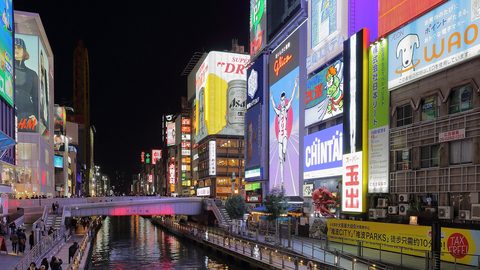 Where to Stay in Osaka, Pick the District That Matches Your Nights
Osaka's districts switch character after sunset. Pick where to stay based on whether you want street food chaos, standing-bar crawls or a quiet lane.
-
 Osaka Flights Which Airport to Choose and When to Book
KIX or Itami? Which Osaka airport to fly into, when flight prices spike during cherry blossom and November, and the booking windows that matter.
-
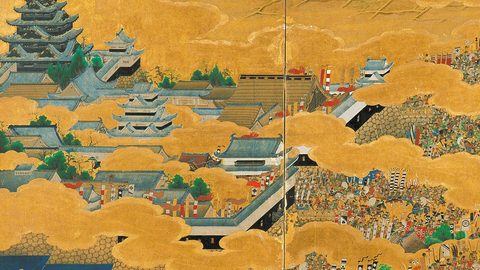 Osaka Things to Do, What Earns a Slot in Two Full Days
Osaka is not a monument city. This page ranks what earns a slot in two full days, from Dotonbori's neon to Shinsekai's retro grit.
-
 Best Time to Visit Osaka, Month by Month and the Trade Off Each One Asks
-
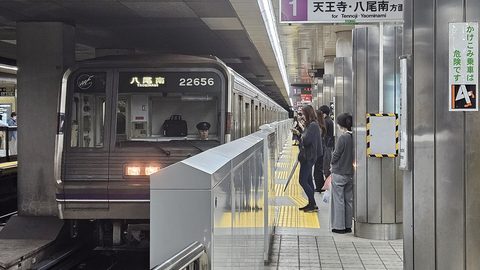 Getting Around Osaka, The Subway, the Private Railways and the Umeda Maze
Osaka's transit is fast but fractured. The Umeda station maze, private railway tickets and the ICOCA card explained before you go.
-
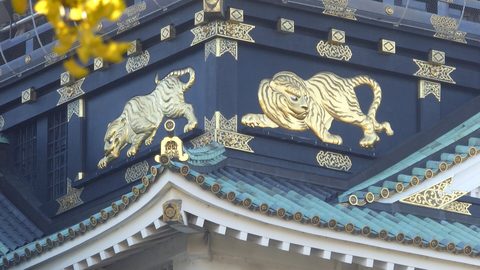 Osaka Castle
's park and moat walks outshine the concrete-reconstructed keep, which houses a museum and observation deck rather than original interiors.
-
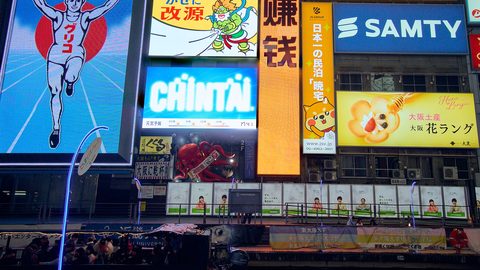 Dotonbori
 is Osaka's neon-lit eating canal, best used as a full-evening food and bar crawl rather than a quick Glico Sign photo stop.
-
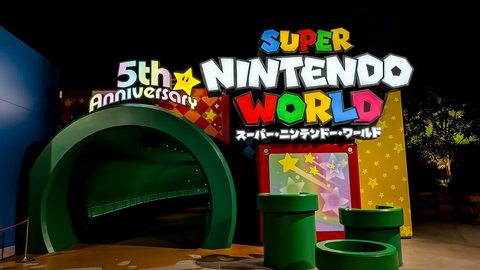 Universal Studios Japan
 demands a full day and a pre-purchased timed-entry ticket; here is whether USJ is worth it and how the ticketing actually works.