Where to Eat Egg in Tokyo, by Dish, Ranked and With the Queues Stated
Where to eat egg in Tokyo, by dish: tamagoyaki at the Tsukiji stalls, tamago sando against the konbini benchmark, omurice at the yoshoku institutions, tamago kake gohan, oyakodon at the 1760 original, and the Omotesando brunch plates. With prices, closing days and honest queue times.
The Queue Test: Which Tokyo Egg Dish is Worth Your Morning?
Most visitors arrive with one egg dish in mind, and it is usually the wrong one. They have seen the soft scrambled eggs at bills on Instagram, the egg sandwich from a convenience store in a YouTube thumbnail, and the golden tamagoyaki skewer at the outer market in a dozen listicles. Without a system, you eat what is nearest, queue for what is loudest, and leave having spent 2,700 yen on an Australian breakfast when what you actually wanted was a 100 yen skewer eaten standing up at dawn. The system is this: Tokyo egg restaurants belong to six unrelated cultures, and no single restaurant competes for the same traveller. Omurice from a 1930s kissaten and oyakodon from a 1760s specialist are not in the same category. Do not pick between them. Pick the dish that fits the morning you have.
The Convenience Store Benchmark
A note on the convenience store before you read further. The 7 Eleven egg sandwich at 298 yen, which Anthony Bourdain called a thing of beauty, is not a budget compromise. It is the benchmark. Every restaurant egg sandwich must justify a three to four times premium. Every omurice above 1,500 yen must earn its place against a perfectly engineered store-bought egg salad sandwich that costs less than a coffee in your home city. Keep that number in your head as you read.
Best Egg Dishes in Tokyo: Six Categories, Six Decisions
A single ranking of every Tokyo egg restaurant ranks nothing useful. The omurice at Kissa You and the tamago kake gohan at Kisaburo Nojo are not substitutes. One requires a 7:00 wake up and a 30 minute wait before opening; the other requires a 15 minute train ride to Sengoku station and an all you can eat egg buffet. Choose by dish, by time, by budget, and by tolerance for queuing. Below, each category is ranked by whether it is worth your limited days, not by fame. Some famous dishes lose.
Omurice in Tokyo: Three Institutions, Three Queues
Tokyo has three omurice institutions, and they serve three different dishes. The most famous is probably the one worth skipping. Here is how to choose.
Kissa You: The Queue is The Price
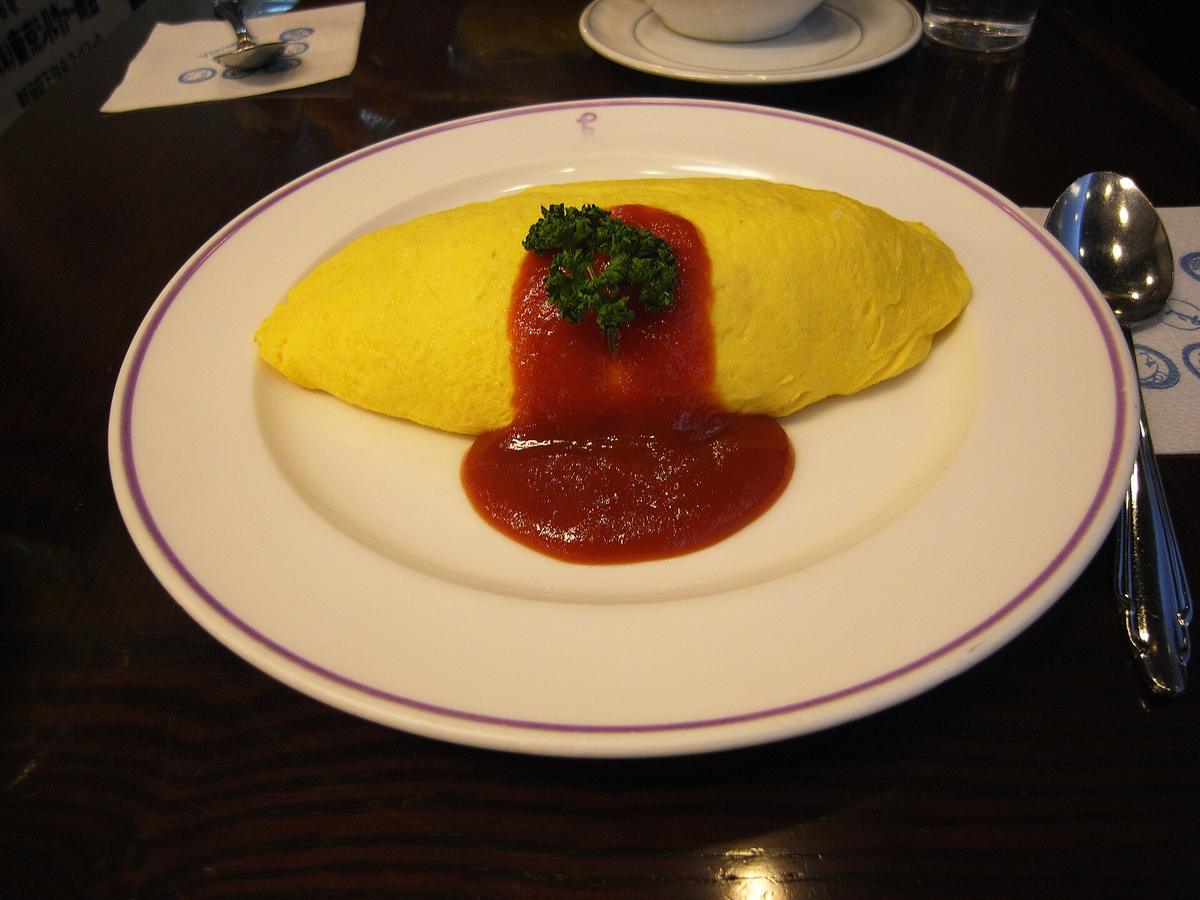
Kissa You sits near Kabuki za in Ginza, serves omurice from 11:00 to 16:00 sharp, accepts cash only, and demands the longest queue on this page. It routinely hits one hour. Arriving 30 minutes before opening is standard advice. It can exceed two hours. The omurice costs roughly 1,300 to 1,800 yen with a drink set. The egg is very soft, very loose, almost liquid over tomato rice. That texture is the whole point. The seating is compact, the turnover is fast, and it is not a place to linger. If you want the omurice that looks like a puddle on every food blog, this is it. If you want omurice that tastes better without the wait, read the next entry.
Taimeiken: The Tampopo Connection
Taimeiken opened in 1931 in Nihonbashi. Its signature dish is the Tampopo Omurice, created by film director Juzo Itami for the movie Tampopo, which is the only reason most foreigners know it exists. The dish costs 1,950 yen. The ground floor hours are weekdays 11:00 to 21:00 with last order at 20:30, and Sundays and holidays 11:00 to 20:00 with last order at 19:00. The second floor serves lunch 11:30 to 15:00 and dinner 17:00 to 21:00. Taimeiken is a proper restaurant with proper service, not a counter where you are shuffled through in 20 minutes. The queue is real but rarely exceeds the wait at Kissa You. For the same money and less time, this is the omurice to choose.
Rengatei: Cash Only, 1895, Worth the Wallet
Rengatei opened in Ginza in 1895 and is credited with inventing several yoshoku dishes including omurice, katsu, and hayashi rice. The Meiji era original costs around 3,000 yen. Rengatei is cash only. At that price it is the most expensive omurice on the list and the only one that genuinely earns its premium by being the historical original. The audience here is the traveller who already knows yoshoku history and wants the dish that started the category, not the prettiest plate or the fastest queue. Skip it if 3,000 yen for rice wrapped in egg sounds like a waste of a Ginza lunch budget. You are not wrong.
Tamago Sando in Tokyo: the Parlour Against the Konbini
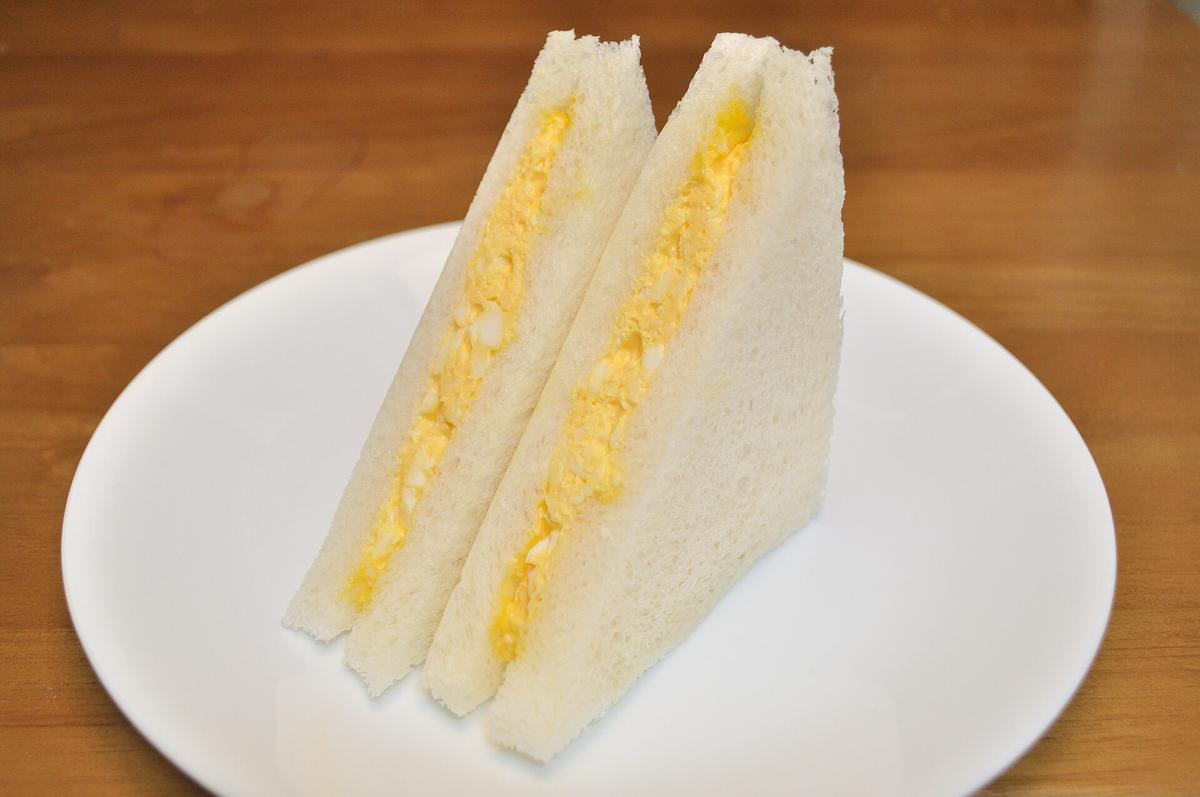
The egg sandwich in Tokyo comes in two forms: cold egg salad from a konbini and warm savoury omelette from a specialty shop. The store-bought one is the benchmark. The specialty one has to justify itself.
Hamanoya Parlour: The 1,000 Yen Question
Hamanoya Parlour is in Nihonbashi Muromachi, Chuo ku. Hours are 9:00 to 17:30 with last order at that time. Closed for New Year holidays. The egg sandwich costs from 1,000 yen. The style is a warm savoury omelette with mayonnaise and karashi mustard on white bread. This is not the cold egg salad style you find at a konbini. The shop opened in 1966 in the Hibiya Park Building, now the Peninsula, and later moved to Nihonbashi. At 1,000 yen it costs roughly three times the 7 Eleven version and four times the Lawson version. The question is whether warm egg and karashi mustard are worth that premium. If you have never had a store-bought egg sandwich, start there. If you have had thirty of them and want the fancy one, Hamanoya is the only answer.
The Convenience Store Benchmark: Beauty in a Triangle Box
The 7 Eleven Kin no series egg sandwich costs 298 yen, contains 340 calories, and is the largest and heaviest of the three major chains. Lawson cuts its bread roughly 30 per cent thicker than the other two. Both cost under 300 yen. Both are available 24 hours. Both are a deliberate meal choice, not a compromise. The konbini egg sandwich is a genuine Tokyo egg dish that belongs on any serious list of what to eat in the city. Do not treat it as a fallback for when restaurants are closed. Treat it as the thing you eat the night you land at Narita at 21:00 and realise the restaurant you wanted is in a building that stopped serving at 20:30.
Tamagoyaki Tsukiji: the Sunday Problem
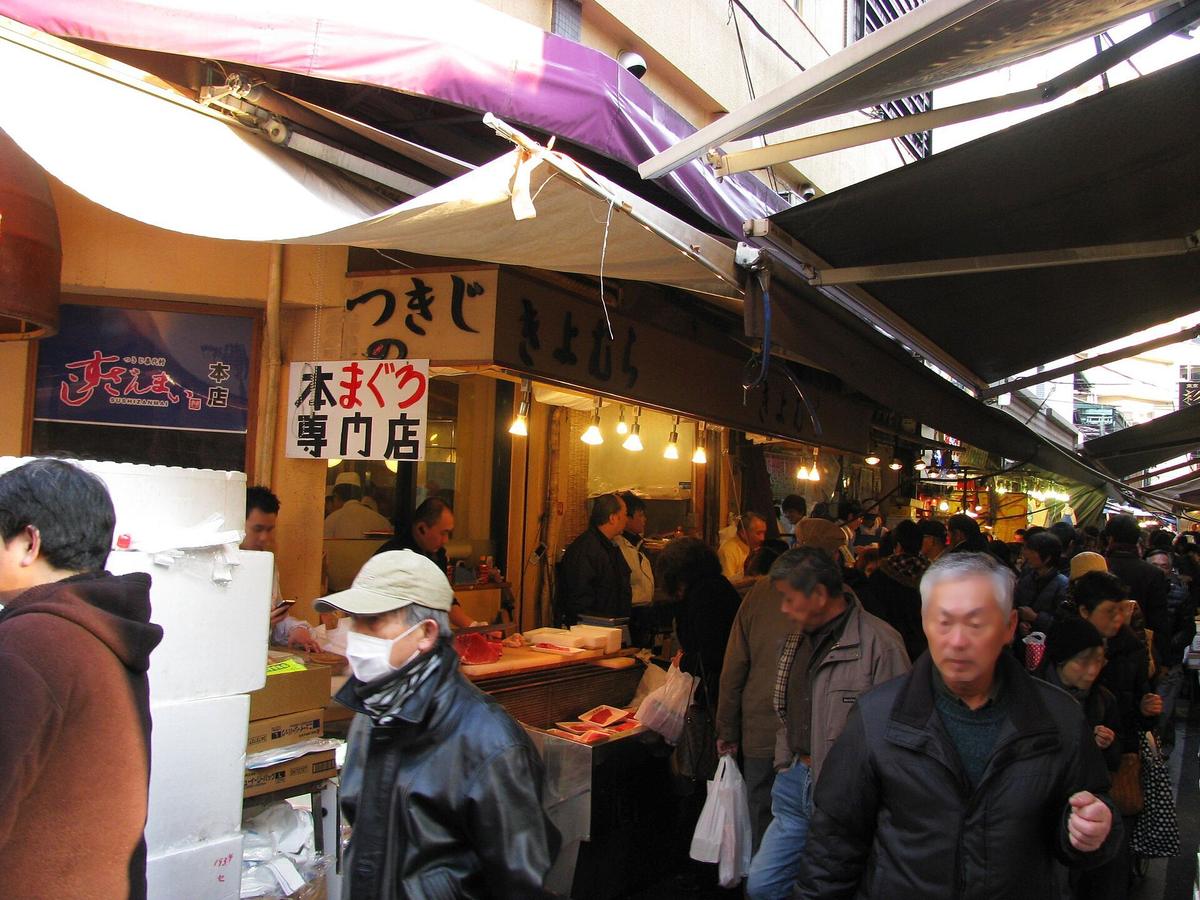
The outer market has four tamagoyaki specialist shops. Three of them close on Sundays. That single fact determines your entire plan. The fourth, Tsukiji Yamacho, is open 365 days a year from 6:00 to 15:30 and sells a skewer for 100 yen. Grilled on the spot, eaten hot standing up, sweet not savoury. If you arrive on a Sunday, Yamacho is your only option. If you arrive on a Monday, you have a choice.
Marutake opens at 4:00 and closes at 14:30. Closed Sundays, national holidays, and sometimes Wednesdays. More than 80 years since founding. Tsukiji Shoro opens at 4:00 and closes at 15:00. Closed Sundays, national holidays, and sometimes Wednesdays. Third generation shop, uses miyakoji eggs from an Ibaraki farm sourced for over 40 years. Tamahachi Shoten opens at 5:00 and closes at 14:30. Closed Sundays, national holidays, and sometimes Wednesdays. All four sell their skewers for around 100 to 150 yen. All four are morning only. Last service ends by 15:30 at the latest. This is a dawn stop, not a lunch stop.
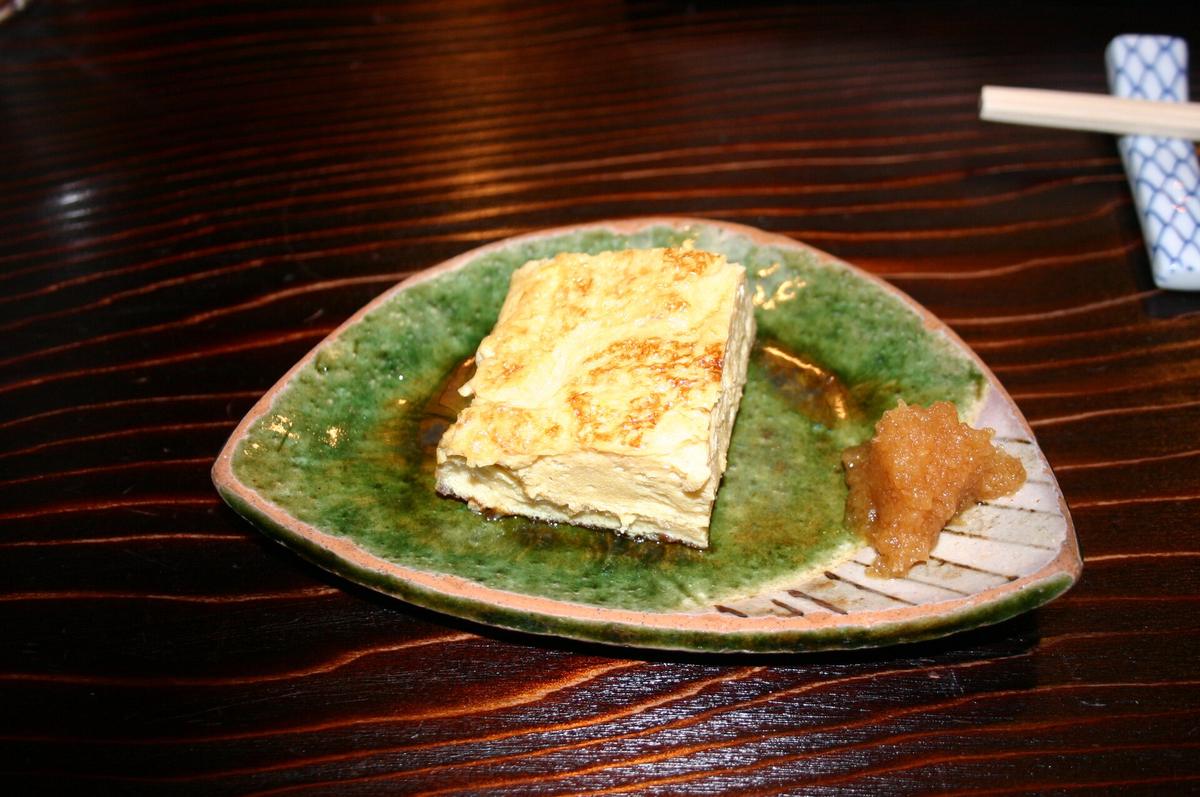
The sweet tamagoyaki from the market is a different dish from dashimaki tamago, the savoury dashi based omelette served at izakaya and sushi counters. Do not confuse them. The market version is a sugar bomb that works best as a palate reset between grilled eel and a bowl of raw tuna. It is not a meal. It is a skewer eaten standing in the market aisle, and it costs less than a train fare to get there.
Tamago Kake Gohan: Raw Egg, and Why It Works Here
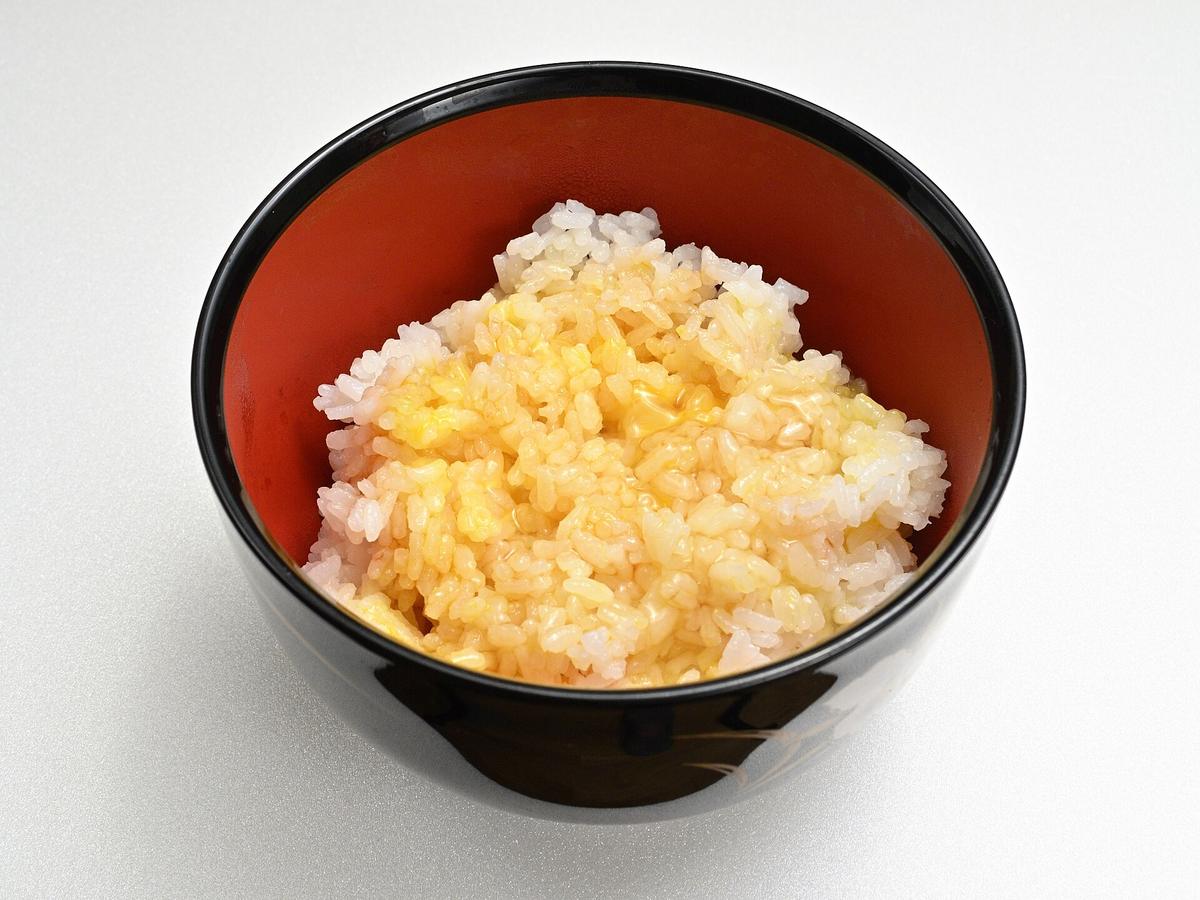
Tamago kake gohan, or TKG, is raw egg over hot rice with soy sauce. It works in Japan because Japanese table eggs are graded and handled for raw consumption under sanitation and washing standards aimed at salmonella control. This is a domestic standard, not a universal one. Do not try this with ordinary supermarket eggs elsewhere.
Kisaburo Nojo: The Egg Buffet You Travel For
Kisaburo Nojo is in Sengoku, Bunkyo City. This is not central Tokyo. The nearest station is Sengoku on the Toei Mita Line. The format is an all you can eat egg buffet with multiple premium egg varieties from farms across Japan. The price is around 1,200 yen. Weekend queue advice: arrive about 15 minutes before opening. The value proposition is direct: 1,200 yen for unlimited premium eggs, each with a different yolk colour and richness, over rice that you season yourself. This is not a dish for the traveller who wants a quick breakfast near their hotel. It is a dish for the traveller who will ride a train for 25 minutes to stand in a morning queue because they want to taste the difference between a Miyazaki egg and a Hokkaido egg side by side. If that sounds like you, go. If that sounds exhausting, skip it and eat a store-bought egg sandwich on the platform.

.jpg)


Oyakodon at the 1760 Original, Finally Reopened
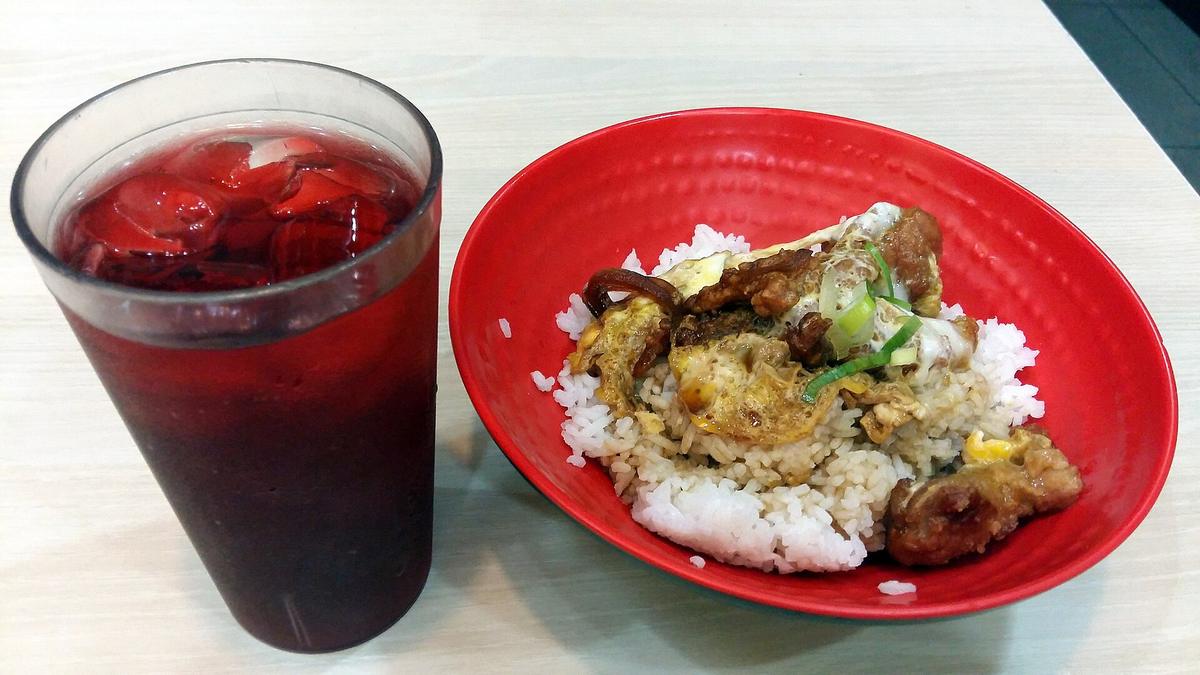
Oyakodon is chicken and egg over rice. The name means parent and child, referring to the chicken and the egg in the bowl. The dish was born at Tamahide in Nihonbashi Ningyocho in 1760. That fact alone makes it the most historically significant item here. But the guide you read last year told you Tamahide was closed. That guide is wrong.
Tamahide Reopened: The 2025 Fact That Changes Everything
Tamahide closed in June 2022 for redevelopment. It stayed closed for three years and three months. It reopened in October 2025 and returned to full time trading on 1 November 2025. The new premises are on floors one to three of Trad Nihonbashi Ningyocho, a 12 storey building with apartments above. The old wooden building is gone. Tamahide also operates a separate takeaway counter called Tamahide Oyako don Takeout Senmon Ten, listed separately on Tabelog. Any guide that says Tamahide is still closed is out of date. Any guide that describes the old wooden building is describing a building that no longer exists. Tamahide is open, it serves oyakodon, and it is the only restaurant on this list that has been making the same dish since the Edo period. If you want oyakodon, this is where you go. The queue is real. The fact that the birthplace is open again is the reason the queue exists.

Western Style Eggs, and What 2,100 Yen Buys
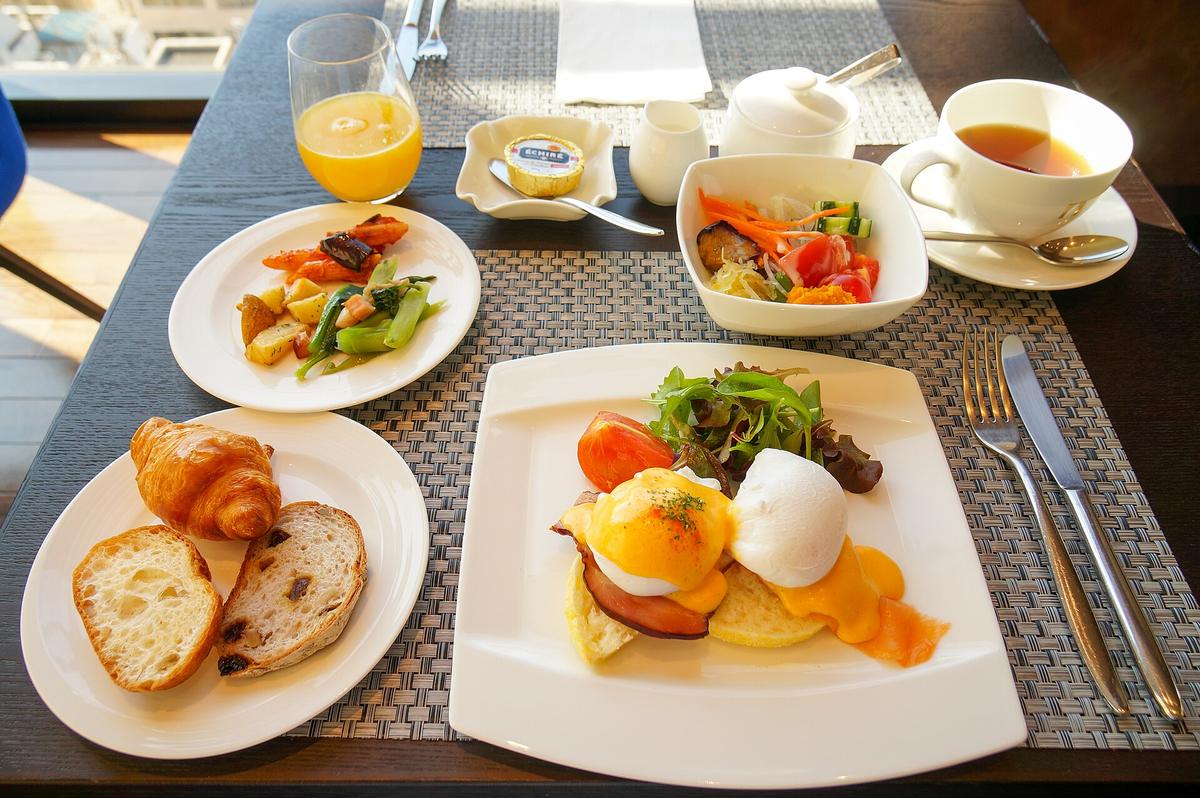
Western style eggs in Tokyo belong to a single category: the Aussie breakfast at bills Omotesando. The shop is on the seventh floor of Tokyu Plaza Omotesando Harajuku, 4 30 3 Jingumae, Shibuya ku. Hours are 8:30 to 23:00 daily with last orders at 22:00. The scrambled eggs and toast cost 2,100 yen. The ricotta pancake costs 2,400 yen. The full Aussie breakfast costs 2,700 yen. Reservations are accepted and recommended through TableCheck. Bill Granger's scrambled eggs started the Tokyo brunch category, and at 2,100 yen they cost roughly seven konbini egg sandwiches. Say that directly rather than pretend the price is normal. If you have 2,100 yen to spend on eggs and you want to sit in a seventh floor dining room overlooking Omotesando, bills is the best option in the city. If you have 2,100 yen and you want to eat three different egg dishes across three neighbourhoods, skip bills and eat your way through the outer market, a kissaten, and a konbini. Neither choice is wrong. The only wrong choice is arriving at bills without a reservation and wondering why the wait is 45 minutes.

| Restaurant | Dish | Price JPY | Queue Estimate | Key Restriction |
|---|---|---|---|---|
| Tsukiji Yamacho | Tamagoyaki skewer | 100 | Minimal | Open 365 days. Morning only to 15:30. |
| Marutake | Tamagoyaki skewer | 100 150 | Minimal | Closed Sundays, national holidays. |
| Kissa You | Omurice | 1,300 1,800 | 1 2 hours | Cash only. Closes 16:00 sharp. |
| Taimeiken | Tampopo Omurice | 1,950 | Moderate | Separate hours for 1F and 2F. |
| Rengatei | Meiji era omurice | ~3,000 | Moderate | Cash only. 1895 original. |
| Hamanoya Parlour | Tamago sando | From 1,000 | Short | Closed New Year. Warm omelette style. |
| 7 Eleven | Tamago sando | 298 | None | 24 hours. Largest of the three chains. |
| Kisaburo Nojo | TKG buffet | ~1,200 | Moderate | Sengoku station. All you can eat. |
| Tamahide | Oyakodon | Varies | Real | Reopened November 2025. Birthplace. |
| bills Omotesando | Scrambled eggs | 2,100 | Moderate with reservation | Reserve via TableCheck. Aussie style. |
The Disqualifiers: When to Skip What
Every venue here has a disqualifier. Kissa You has the queue and the 16:00 sharp closing. Rengatei has the 3,000 yen price tag and the cash only policy. bills has the 2,100 yen scrambled eggs that cost seven times a store-bought sandwich. Kisaburo Nojo requires a train ride to Sengoku and a 15 minute pre opening queue. The market tamagoyaki stalls require a dawn arrival and three of them shut on Sundays. Hamanoya requires 1,000 yen for a warm egg sandwich, which is a fair price for what it is but an absurd price if you do not care about warm egg versus cold egg. Tamahide requires a queue at the birthplace of oyakodon, which is the whole point of going. The konbini egg sandwich has no disqualifier except that it is a konbini egg sandwich and you might want to sit down. That is also its strength.
The single most useful fact here is that three of the four market tamagoyaki stalls close on Sundays. Plan your market morning around that. If you arrive on a Sunday, go to Yamacho. If you arrive on a Monday, choose between the four based on which egg farm story matters to you. If you arrive on a Wednesday, check whether it is one of the Wednesdays when three of the four are closed. The market does not announce its closures. You check the Tsukiji Outer Market official store list, which is the source for every hour here, and you adjust.
Which Traveller Tokyo Egg Restaurants Suit and Which They Do Not
Tokyo egg restaurants suit the solo explorer who will wake up at 5:00 to eat a skewer in a market aisle and call it breakfast. They suit the food obsessive who plans a trip around a single egg sandwich. They suit the repeat visitor who has already seen Senso ji and Shibuya Scramble and now wants to know which shop in the outer market uses miyakoji eggs from Ibaraki. They suit the efficiency nerd who treats the konbini egg sandwich as an engineering achievement and wants to compare the three chains by bread thickness and calorie count.
Tokyo egg restaurants do not suit the traveller who wants a compact, walkable neighbourhood where everything is within a three block radius. They do not suit the shoestring backpacker who wants dirt cheap street food and thinks 1,200 yen for an egg buffet is expensive. They do not suit the person who finds the station mazes at Shinjuku anxiety inducing rather than energising, because three of these restaurants require navigating multi company station hubs and exiting through the wrong gate forces a fare recalculation at a staffed window. The traveller who hates that friction should eat the konbini egg sandwich in their hotel room and treat it as a win.
Read next
-
 Tokyo Hotels by Type and Budget from Capsules to Luxury
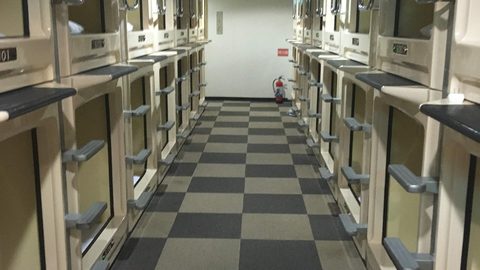
Tokyo hotels organised by type and price band, from efficient capsule pods to full-service luxury towers, to help you book the right room.
Tokyo Hotels by Type and Budget from Capsules to Luxury
Tokyo hotels organised by type and price band, from efficient capsule pods to full-service luxury towers, to help you book the right room.
-
 Where to Stay in Tokyo by District and Travel Style
A comparison of Tokyo's major districts to help you choose the right base for your travel style, whether you want calm or chaos.
Where to Stay in Tokyo by District and Travel Style
A comparison of Tokyo's major districts to help you choose the right base for your travel style, whether you want calm or chaos.
-
 Narita or Haneda for Tokyo and What That Airport Choice Costs You
Narita or Haneda for Tokyo: compare door-to-district time, transfer cost, and what the wrong airport choice eats from your trip.
Narita or Haneda for Tokyo and What That Airport Choice Costs You
Narita or Haneda for Tokyo: compare door-to-district time, transfer cost, and what the wrong airport choice eats from your trip.
-
 Things to Do in Tokyo That Are Worth Your Limited Days
A curated list of Tokyo's highest-impact sights and experiences, from immersive art to quiet backstreets, to help you prioritise your days.
Things to Do in Tokyo That Are Worth Your Limited Days
A curated list of Tokyo's highest-impact sights and experiences, from immersive art to quiet backstreets, to help you prioritise your days.
-
 Best Time to Visit Tokyo Month by Month Tradeoffs
A month-by-month guide to visiting Tokyo, laying out the trade-off between weather, crowds, price, and what's actually open.
Best Time to Visit Tokyo Month by Month Tradeoffs
A month-by-month guide to visiting Tokyo, laying out the trade-off between weather, crowds, price, and what's actually open.
-
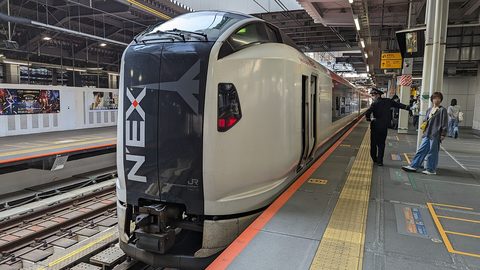 Getting Around Tokyo by Train Airport Transfers and IC Cards
A practical guide to Tokyo's rail network, covering airport transfers, IC cards, and how to avoid the station navigation mistakes that eat your day.
Getting Around Tokyo by Train Airport Transfers and IC Cards
A practical guide to Tokyo's rail network, covering airport transfers, IC cards, and how to avoid the station navigation mistakes that eat your day.
-
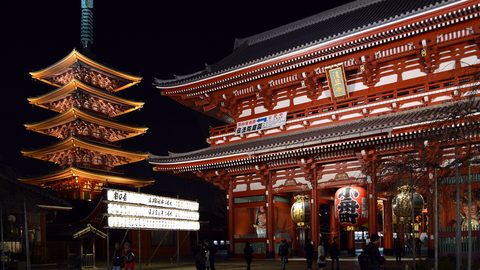 Senso-ji
 is free and never closes, but the experience at 6am with empty Nakamise stalls is nothing like the 11am crush under Kaminarimon. Here is when to go and what you get at each hour.
Senso-ji
Senso-ji is free and never closes, but the experience at 6am with empty Nakamise stalls is nothing like the 11am crush under Kaminarimon. Here is when to go and what you get at each hour.
-
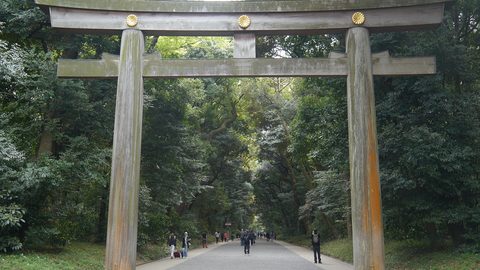 Meiji Jingu
The Meiji Jingu visit changes completely depending on which torii gate you enter. One drops you from Harajuku noise into sudden forest, the other builds quiet slowly from Yoyogi.
Meiji Jingu
The Meiji Jingu visit changes completely depending on which torii gate you enter. One drops you from Harajuku noise into sudden forest, the other builds quiet slowly from Yoyogi.
-
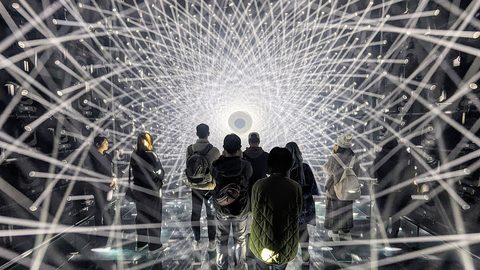 teamLab
 Borderless and Planets are two different Tokyo venues with separate booking systems. Borderless tickets at Azabudai Hills sell in timed slots and the maze has no fixed route.
teamLab
teamLab Borderless and Planets are two different Tokyo venues with separate booking systems. Borderless tickets at Azabudai Hills sell in timed slots and the maze has no fixed route.