Walking the Old Merchant Quarter of Ningyocho, Tokyo
Ningyocho's lantern-lit Amazake Alley and doll-cake shops preserve an Edo merchant feel that much of central Tokyo has lost.
- Flag
-

- ISO code
- JP
- Currency
- JPY
- Timezone
- Asia/Tokyo
Ningyocho Solves the Wrong Question About Tokyo
Every first timer asks where to find the old Edo city, then heads to Asakusa, hits the tourist rickshaws and the selfie sticks, and leaves thinking old Tokyo is a theme park. Ningyocho is not a theme park. It is a working merchant quarter where the streets have not been widened, the shop fronts have not been replaced, and the chains have not pushed out the families who have been making ningyo-yaki since 1907. You walk it not for what is there but for what is absent: no mega station, no department store, no crowds. The pleasure is negative space.
Amazake Yokocho, the 100-metre lane that runs between Ningyocho-dori and Amazake Yokocho-dori, is the spine of the district. It gets its name from an Edo period shop that sold sweet fermented rice drink to theatregoers. The drink is gone. The narrowness remains. You enter from the street and the noise of central Tokyo drops out immediately. Lanterns hang overhead. The pavement forces you to walk slowly because there is nowhere to rush to.
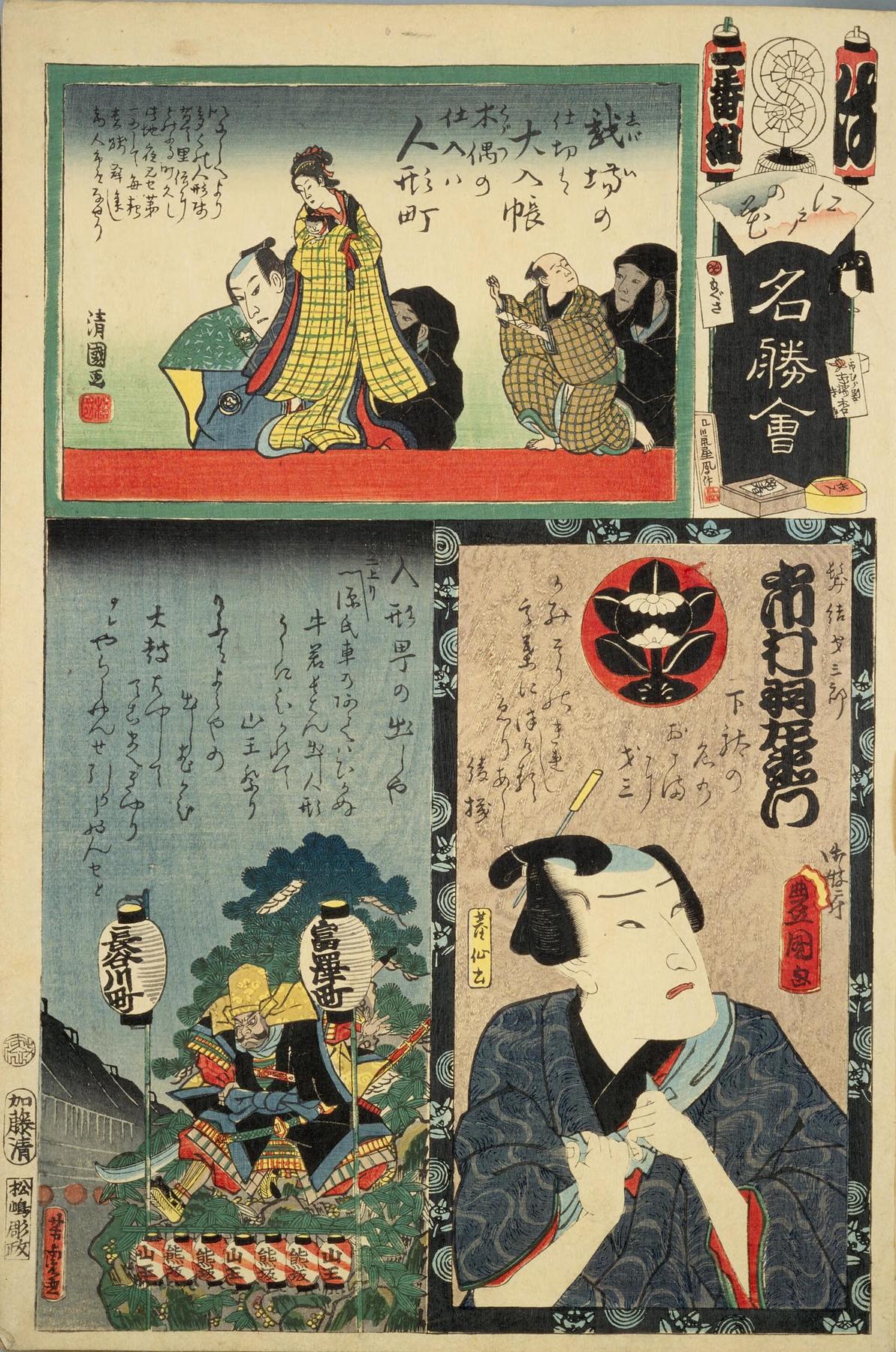

Three Shops That Define the Street
The Alley Counters
Futaba, founded 1907, makes ningyo-yaki and tai-yaki from a tiny counter where you queue with locals who have been coming for decades. The cakes are shaped like the Seven Gods of Fortune and the Suitengu shrine motifs. Buy a bag hot, eat it standing at the side of the lane. Itakuraya, founded 1861, sells tsukudani: seafood and kelp simmered in soy and mirin until intensely savoury. A small jar costs more than a convenience store lunch and keeps for months. Yanagiya, founded 1916, does ningyo-yaki and senbei. Kisho, founded 1933, handles the third wave of doll cakes. None of these places has a website you would want to use. Go in person or miss them.
The Tai-Yaki Stop
Outside the alley, on Ningyocho-dori, Naniwaya Sohonten has been making tai-yaki since 1909. The fish-shaped cakes come with red bean paste. Order one. Do not order two. The whole point of Ningyocho is that you eat small things at multiple counters, not one big meal.
Suitengu Shrine and the Puppet History
The district name comes from ningyo-shibai: puppet theatre. In the Edo period, this was the theatre district and the merchant quarter rolled into one, sitting 500 to 800 metres walking from the financial centre of Nihonbashi. While Nihonbashi did commerce, Ningyocho did entertainment and artisan craft. The kabuki and puppet crowds needed food, drink, and lodging, and the shops that served them are the direct ancestors of the ones you walk past today.
The Shrine
Suitengu shrine sits at 2-4-1 Nihonbashi Kakigaracho, a ten minute walk from the alley. Founded in 1818 and relocated from Kurume in 1872, it enshrines Amenominakanushi-no-kami. The main prayer focus is safe childbirth, conception, and child rearing. A bronze mother dog with a puppy stands at the shrine, rubbed smooth by visitors asking for pregnancy blessings. The secondary focus is protection from water related disasters. The entire complex is small and quiet. You do not need more than 20 minutes here unless you have a specific prayer to make.
On May 5 each year, the Suitengu Matsuri fills the streets. The date is fixed, but the schedule of portable shrine processions is published by the shrine closer to the season. If you are in Tokyo that day, adjust your itinerary to catch it.
The Mechanical Clocks, the Knife Shop, and the Lunch Window
The Two Clocks
Two mechanical clock towers punctuate a Ningyocho walk. The Ningyocho Karakuri Yagura at the intersection of Ningyocho-dori and Suitengu-dori performs for roughly three minutes at 11:00, 12:00, 13:00, 14:00, 15:00, 16:00, 17:00, 18:00, and 19:00 daily. The figures are Edo period townspeople puppets. The smaller Amazake Yokocho Karakuri Clock at the alley entrance runs from 10:00 to 20:00 on every even hour and shows an amazake seller serving customers. Neither is worth a special detour. Both are worth catching if you time your walk to intersect with one. Arrive at the intersection two minutes early and watch it with the half dozen other people who happen to be there.
Knives and Lunch
Knife shops along Ningyocho-dori sell kitchen blades to cooks from the Tsukiji Outer Market. They are serious shops, not souvenir stores. A decent chef's knife from a local forger runs from a few thousand yen into the tens of thousands. If you buy one, budget for a separate checked bag on the way home.
Lunch only soba counters are the move here. Many open at 11:30 and close when the noodles run out, before 14:00. The best ones have no English menu, no photos, and no seats for more than six people. The instruction is simple: arrive at 11:15, stand in line, order the cold zaru soba with a side of tempura, eat in ten minutes, and leave. Do not linger. The line behind you is waiting.
Genyadana and the One Ryotei That Survived
Genyadana, operating in Ningyocho 3-chome since the Edo period, is a surviving ryotei serving traditional kaiseki. It is expensive. It requires a reservation made by a Japanese speaker or a hotel concierge. It is not for the casual walk in. But its existence on the same street where it has always been is the proof that Ningyocho is not a reconstruction. It is the real thing. The facade has aged honestly, and the interior operates on rules that predate the modern restaurant industry. If you can arrange a reservation, do it. If you cannot, walk past the entrance anyway. The street itself is the exhibit.
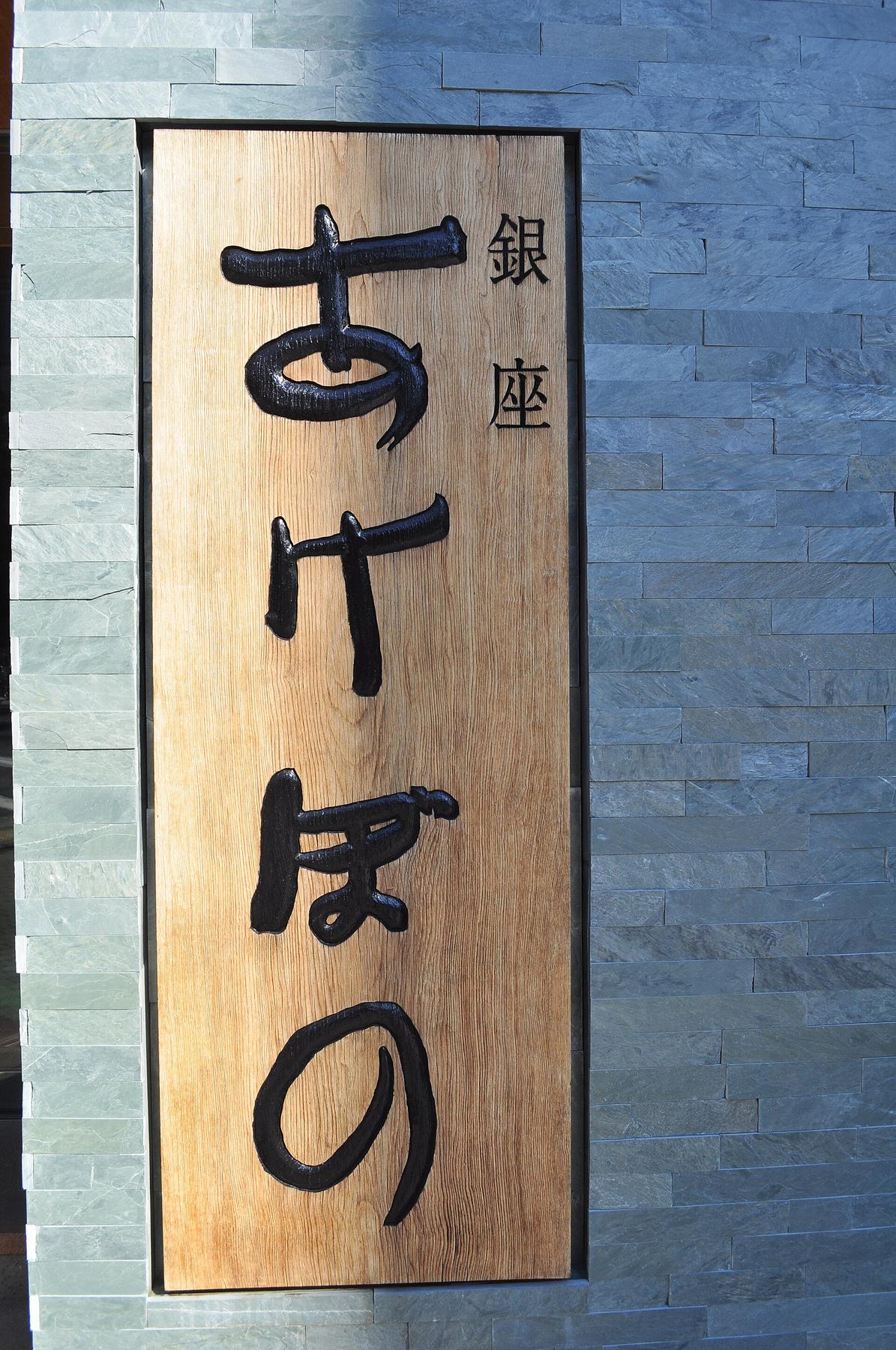
.jpg)
Who Should Walk Ningyocho and Who Should Skip it
Go If This Is You
This district is for the solo explorer who thrives on anonymity. The food obsessive who plans trips around specific meals. The efficiency nerd who appreciates a system that works without signage or explanation. The repeat visitor who has already seen Senso-ji and wants something that does not appear in the guidebook photos. Visit midweek, between 10:00 and 14:00, when the morning prayer crowd has left Suitengu and the lunch soba counters are the only action. The pace is slow because there is nothing to hurry through.
Skip It If This Is You
Skip Ningyocho entirely if you want a compact walkable old town with set attractions. Skip it if you are on a shoestring budget and need dirt cheap street food. Skip it if crowds and underground mazes do not bother you but the absence of a visible destination does. Ningyocho does not give you a landmark to tick off. It gives you a street to be on, and that is not the same thing.
One honest caveat: Ningyocho is not large. You can cover the alley, the shrine, the clock towers, and a lunch counter in two relaxed hours. If you are trying to pack in sightseeing, it will feel like an interlude rather than a destination. Treat it as the midday pause in a day that also includes Nihonbashi and the Tsukiji Outer Market. That is the rhythm it was built for.
| Stop | What It Is | Time Needed | Best Time |
|---|---|---|---|
| Amazake Yokocho | Lanlit alley, ningyo-yaki and tsukudani shops, mechanical clock at entrance | 25 minutes with purchases | 10:00 to 11:00 before lunch crowds |
| Ningyocho Karakuri Yagura | Mechanical clock tower at main intersection | 5 minutes per performance | Top of the hour, any hour 11:00 to 19:00 |
| Suitengu shrine | Edo era shrine for safe childbirth, bronze dog statue | 20 minutes | Before 11:00 for quietest visit |
| Naniwaya Sohonten | Tai-yaki shop founded 1909 on Ningyocho-dori | 5 minutes to buy and eat | Mid morning for fresh batch |
| Genyadana ryotei | Surviving Edo period kaiseki restaurant in Ningyocho 3-chome | Exterior only without reservation | Any time for the facade |
Other areas in Tokyo
- Akihabara
- Asakusa
- Ebisu
- Futako-tamagawa
- Ginza
- Harajuku
- Ikebukuro
- Jimbocho
- Jiyugaoka
- Kagurazaka
- Kichijoji
- Kiyosumi-Shirakawa
- Koenji
- Kuramae
- Marunouchi
- Nakameguro
- Nakano
- Nihonbashi
- Odaiba
- Omotesando and Aoyama
- Roppongi
- Ryogoku
- Sangenjaya
- Shibamata
- Shibuya
- Shimokitazawa
- Shin-Okubo
- Shinagawa
- Shinjuku
- Sugamo
- Takadanobaba
- Todoroki
- Tsukiji
- Tsukishima
- Ueno
- Yanaka
- Yurakucho and Shinbashi
Common Questions
Is Ningyocho walkable from Nihonbashi?
Yes. Nihonbashi core is 500 to 800 metres walking distance from Ningyocho. The contrast is deliberate and instructive: Nihonbashi is commerce and finance, Ningyocho is entertainment and artisan craft. Walk it as a single morning loop.
Can I visit Ningyocho in the evening?
You can, but most of the food shops close by 17:00 and the ryotei requires advance reservation. The alley is still lit by lanterns after dark and the streets are quiet. Do not come expecting dinner options beyond konbini or the occasional standing bar.
What are the mechanical clock performance times?
The Ningyocho Karakuri Yagura at the main intersection runs at 11:00, 12:00, 13:00, 14:00, 15:00, 16:00, 17:00, 18:00, and 19:00 daily. The smaller Amazake Yokocho Karakuri Clock runs from 10:00 to 20:00 on every even hour. The Ningyocho clock performance lasts roughly three minutes.
Is Suitengu shrine suitable for non parents?
Yes. The primary prayer focus is safe childbirth and conception, but the shrine grounds are open to everyone and the atmosphere is calm and undemanding. The bronze dog statue is specific to pregnancy blessings, but the main hall does not require any particular prayer. You can bow, clap, and leave.
Where do I buy ningyo yaki in Ningyocho?
Futaba, Yanagiya, and Kisho on Amazake Yokocho all sell ningyo yaki. Naniwaya Sohonten on Ningyocho-dori sells tai yaki. All four are within a five minute walk of each other. Buy from two and compare. The fillings and batter density differ noticeably between houses.
Read next
-
 Tokyo Hotels by Type and Budget from Capsules to Luxury
Tokyo hotels organised by type and price band, from efficient capsule pods to full-service luxury towers, to help you book the right room.
Tokyo Hotels by Type and Budget from Capsules to Luxury
Tokyo hotels organised by type and price band, from efficient capsule pods to full-service luxury towers, to help you book the right room.
-
 Where to Stay in Tokyo by District and Travel Style
A comparison of Tokyo's major districts to help you choose the right base for your travel style, whether you want calm or chaos.
Where to Stay in Tokyo by District and Travel Style
A comparison of Tokyo's major districts to help you choose the right base for your travel style, whether you want calm or chaos.
-
 Narita or Haneda for Tokyo and What That Airport Choice Costs You
Narita or Haneda for Tokyo: compare door-to-district time, transfer cost, and what the wrong airport choice eats from your trip.
Narita or Haneda for Tokyo and What That Airport Choice Costs You
Narita or Haneda for Tokyo: compare door-to-district time, transfer cost, and what the wrong airport choice eats from your trip.
-
 Things to Do in Tokyo That Are Worth Your Limited Days
A curated list of Tokyo's highest-impact sights and experiences, from immersive art to quiet backstreets, to help you prioritise your days.
Things to Do in Tokyo That Are Worth Your Limited Days
A curated list of Tokyo's highest-impact sights and experiences, from immersive art to quiet backstreets, to help you prioritise your days.
-
 Best Time to Visit Tokyo Month by Month Tradeoffs
A month-by-month guide to visiting Tokyo, laying out the trade-off between weather, crowds, price, and what's actually open.
Best Time to Visit Tokyo Month by Month Tradeoffs
A month-by-month guide to visiting Tokyo, laying out the trade-off between weather, crowds, price, and what's actually open.
-
 Getting Around Tokyo by Train Airport Transfers and IC Cards
A practical guide to Tokyo's rail network, covering airport transfers, IC cards, and how to avoid the station navigation mistakes that eat your day.
Getting Around Tokyo by Train Airport Transfers and IC Cards
A practical guide to Tokyo's rail network, covering airport transfers, IC cards, and how to avoid the station navigation mistakes that eat your day.
-
 Akihabara
 Tokyo guide: electronics, anime, and arcades stacked floor by floor, from Radio Kaikan to the maid cafe touts.
Akihabara
Akihabara Tokyo guide: electronics, anime, and arcades stacked floor by floor, from Radio Kaikan to the maid cafe touts.
-
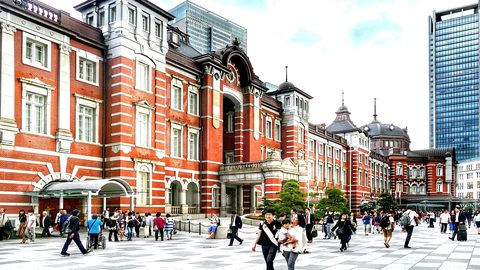 Marunouchi
Staying in Marunouchi puts you steps from Tokyo Station's Shinkansen platforms and Narita Express, trading nightlife buzz for unmatched rail connectivity and wide, quiet weekend boulevards.
Marunouchi
Staying in Marunouchi puts you steps from Tokyo Station's Shinkansen platforms and Narita Express, trading nightlife buzz for unmatched rail connectivity and wide, quiet weekend boulevards.
-
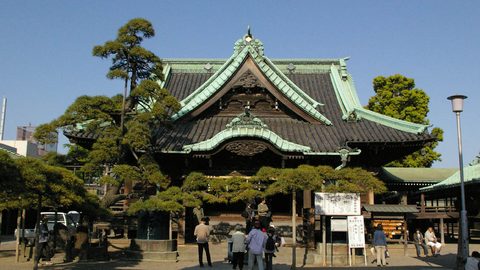 Shibamata
 preserves a 1950s Tokyo on its temple approach street, forever tied to the Tora-san film series and best visited for unagi and old-school snacks.
Shibamata
Shibamata preserves a 1950s Tokyo on its temple approach street, forever tied to the Tora-san film series and best visited for unagi and old-school snacks.