Shinjuku or Shibuya: Which Tokyo District Should You Base In?
Shinjuku and Shibuya are both default Tokyo bases, but they suit different travellers. A practical comparison of stations, food, nightlife, and hotel locations.
.jpg)
Shinjuku or Shibuya: Which Tokyo District Should You Base In?
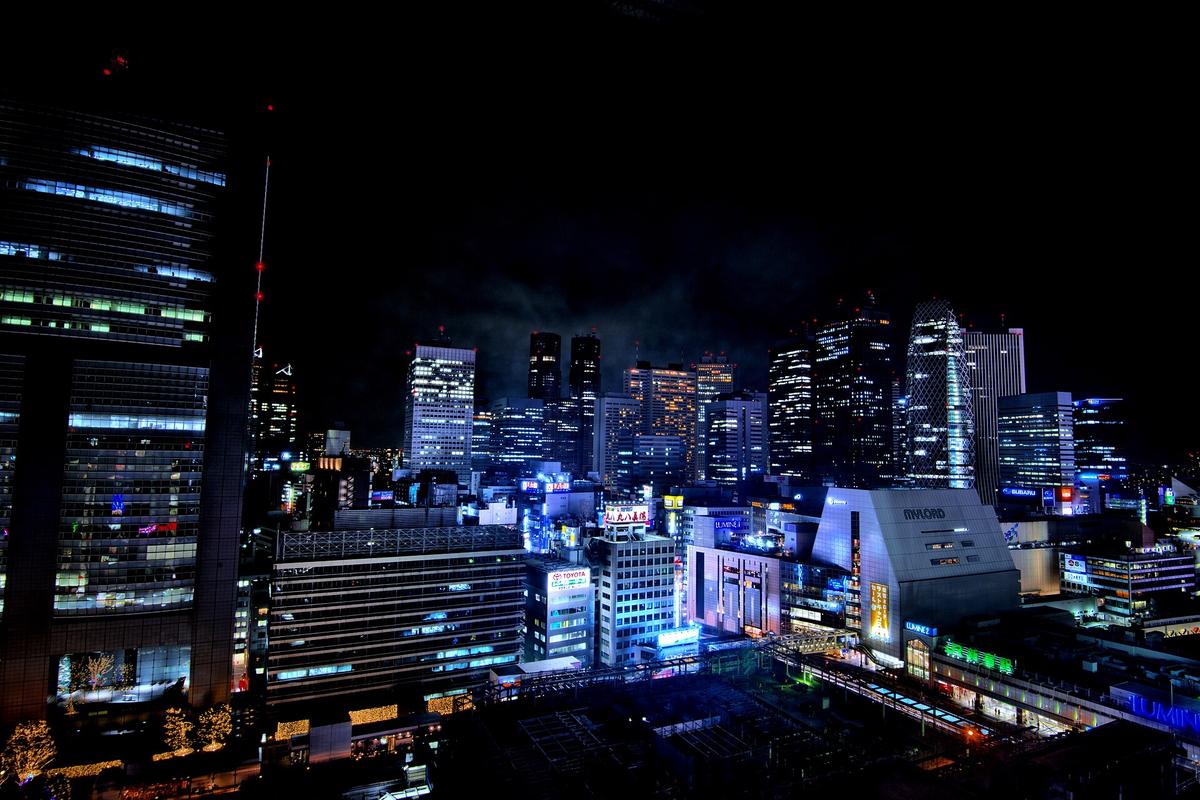
It is 11 PM on a Tuesday and you are standing in Shinjuku's Golden Gai, a labyrinth of six-seat bars where the door is a curtain and the owner decides who stays. One alley over, a suited man eats yakitori alone at a counter that holds eight people. This is the Tokyo most guidebooks promise but few visitors actually reach. The question is whether you want to spend your trip navigating toward these backstreet moments or letting them happen by accident. Shinjuku and Shibuya are the two default bases for a first trip to Tokyo. Neither is wrong. They reward different priorities. The choice is not about which district is better. It is about which kind of friction you are willing to tolerate.
| Axis | Shinjuku | Shibuya |
|---|---|---|
| JR East Daily Passengers (FY2023) | 1,526,000. The world's busiest rail hub. 12 lines across two subway operators plus private railways. You will exit through the wrong gate at least once. | 1,087,000. Still enormous. 9 lines. Less sprawling than Shinjuku but still a multi-company maze. |
| Narita Express Access | Direct, approx. 80 min to Narita. | Direct, approx. 75 min to Narita. |
| Haneda Airport Access | No direct train. Limousine bus 35–75 min. | No direct train. Limousine bus 35–70 min. |
| Highway Bus Terminal | Busta Shinjuku, above the rail complex. Intercity and airport buses. | Shibuya Mark City 5F. Intercity and airport buses. |
| Hotel Stock (Approx.) | 400+ properties. Dominated by business hotels and large full-service towers. | 150+ properties. Dominated by boutique, design-led, and lifestyle brands. |
| Budget Hotel Nightly Rate (2025) | ¥6,000–¥12,000. Cheaper entry point. | ¥8,000–¥15,000. Higher floor on budget options. |
| Midrange Hotel Nightly Rate (2025) | ¥15,000–¥35,000. | ¥20,000–¥50,000. |
| Luxury Hotel Nightly Rate (2025) | ¥50,000–¥150,000+. | ¥60,000–¥200,000+. |
| Capsule Hotel Nightly Rate (2025) | ¥2,500–¥5,000. | ¥3,000–¥6,000. |
| Nightlife Core | Kabukicho, concentrated east of the rail hub. | Dogenzaka, Udagawacho, Maruyamacho, spread around the transport complex. |
| Nightlife Type | Host clubs, izakaya, Golden Gai micro-bars (5–10 seats), Omoide Yokocho stalls (6–12 seats), large nightclubs. | Nightclubs, live houses, standing bars (15–40 people), izakaya, Nonbei Yokocho stalls (6–10 seats). |
| Last JR Yamanote Train (Weekday) | Approx. 00:55. | Approx. 00:50. |
| Dominant Eating Style | Department store restaurant floors (depachika), office-worker lunch zones, ramen alleys. | Street-level independent cafes, speciality coffee, casual international, food halls. |
| Michelin-Starred Restaurants (2025 Guide) | 21. | 12. |
| 8 AM Pedestrian Density | High. Commuter peak, suit-clad office workers, structured flow. | Moderate-high. Mixed commuters and early shoppers, less uniform flow. |
| Best Suited For | Business travellers, solo travellers, budget-conscious, late-night bar-hoppers, LGBTQ+ nightlife seekers (Shinjuku Ni-chome). | First-time visitors, youth-fashion shoppers, nightclub-goers, couple travellers, trend-led dining seekers. |
The Station Problem is Real. Pick Your Flavour of It.
Shinjuku: A Mess You Learn to Work
Shinjuku is an unapologetic mess. Twelve lines feed through a single complex that connects JR East, Tokyo Metro, Toei Subway, Odakyu, Keio, and Seibu. The 2023 JR East figure of 1,526,000 daily passengers does not count the subway riders on top of that. You will walk ten minutes underground between platforms. You will exit through a gate that forces you to pay for a segment you already covered on a different ticket. You will need to find a staffed window, hand over your Suica, and let them recalculate the fare. This is not a failure of navigation. This is how the place works.
Shibuya: Smaller, Still a Vertical Puzzle
Shibuya handles 1,087,000 JR passengers daily and nine total lines. It is smaller but still a multi-company hub where the Ginza Line, Hanzomon Line, Fukutoshin Line, Tokyu Toyoko Line, and Tokyu Den-en-toshi Line converge. Construction has been constant for years and will continue. The scramble crossing exit drops you straight into the pedestrian flow. That flow is easier to read than Shinjuku's west exit warren but still demands that you know which floor of a nine-level complex your hotel is on. Google Maps struggles with vertical navigation in these multi-floor malls. Download the Japan Official Travel App for floor maps that work offline. You will use it.
Where You Sleep and What You Eat
Hotels by Type and Price
Shinjuku's 400-plus properties lean toward business hotels and large full-service towers. The 2025 budget band of ¥6,000 to ¥12,000 per night gives you a clean, compact room in a chain like Sunroute or an APA Hotel with a view of the neon outside. Midrange properties from ¥15,000 to ¥35,000 put you near the west side high-rises. Luxury at ¥50,000 to ¥150,000 plus means the Park Hyatt or the Kenzo-designed Hyatt Regency. Capsule hotels start at ¥2,500. The range is wide because the demand is relentless.
Shibuya's 150-plus properties are dominated by boutique and design-led brands. The 2025 budget band starts higher at ¥8,000 to ¥15,000. Midrange runs from ¥20,000 to ¥50,000. Luxury hits ¥60,000 to ¥200,000 plus at the Shibuya Edition or the Cerulean Tower. You pay a premium for the neighbourhood's aesthetic. If your priority is a cheap bed within walking distance of a train that goes everywhere, Shinjuku wins on price and availability.
Food Without Reservations and Food That Demands Them
Shinjuku's eating is split between the department store basements of Isetan and the ramen alleys behind the transport hub. At Isetan you buy prepared food to eat in your hotel room. Michelin-starred ramen at Nakiryu or Konjiki Hototogisu exists here. So do a hundred unremarkable bowl shops that feed office workers in eight minutes. The depachika grazing ritual is one of Tokyo's great cheap luxuries. Buy a box of sashimi, a potato salad, and a beer from the basement food hall. Take it to your room and eat while watching the city from above. It costs under ¥2,000.
Shibuya's food scene is street-level independent cafes, speciality coffee, and casual international restaurants. The density of third-wave coffee shops is higher than anywhere else in Tokyo. You can eat well without a reservation at a standing soba bar or a Thai place on Udagawacho. But its starred restaurants — a dozen or so, against Shinjuku's twenty-odd — are harder to book. If your trip is built around specific meals, Shinjuku gives you more options that take reservations and more options that do not need one.
Bar Culture: Six Seats vs Standing Room
Golden Gai in Shinjuku has 200-plus micro-bars, most with five to ten seats. The owner decides who stays. Some bars charge cover fees. Some enforce strict photo rules. You do not go to Golden Gai to party. You go to sit, drink, and talk to the person next to you about nothing and everything. Omoide Yokocho stalls seat six to twelve people over yakitori grills. Kabukicho has the large nightclubs and the host clubs if you want that energy. Shinjuku Ni-chome is Japan's densest LGBTQ+ nightlife district.
Shibuya's Nonbei Yokocho is the equivalent of Omoide Yokocho with six to ten seats per stall. The rest of the nightlife is spread through Dogenzaka, Udagawacho, and Maruyamacho. Standing bars hold 15 to 40 people. The nightclubs are bigger. The vibe is younger, louder, less intimate. If you want to sit in a six-seat bar and watch a retired salaryman pour your whiskey, Shinjuku is the only choice. If you want to dance until the last train at 00:50, pick Shibuya.
Worth it if
- Shinjuku has cheaper hotel options by a clear margin, with capsule beds from ¥2,500 and budget rooms from ¥6,000 in 2025.
- Shinjuku's Golden Gai and Omoide Yokocho offer a bar experience that exists nowhere else in Tokyo: tiny, owner-run, deeply personal.
- Shinjuku has 21 Michelin-starred restaurants in the 2025 guide, giving you more fine-dining range than Shibuya's 12.
- Shinjuku's highway bus terminal at Busta Shinjuku connects directly to Fuji Five Lakes, Nikko, and other day trips without a train transfer.
- Shinjuku is better for solo travellers and budget-conscious visitors who want anonymity and late-night options that stay open past midnight.
Skip it if
- Shinjuku is the world's busiest rail hub and the most likely place you will exit through the wrong gate and need a fare recalculation at a staffed window.
- Shinjuku's nightlife has a higher proportion of host clubs and venues designed to extract money from tourists who do not know the cover charge rules.
- Shibuya is more expensive across every hotel tier, with 2025 budget rooms starting at ¥8,000 and midrange at ¥20,000.
- Shibuya's constant construction means you are likely to encounter closed streets, diverted foot traffic, and noise during the day.
- Shibuya's 12 Michelin-starred restaurants in 2025 are harder to book and offer less variety than Shinjuku's 21.
.jpg)
Read next
-
 Tokyo Hotels by Type and Budget from Capsules to Luxury
Tokyo hotels organised by type and price band, from efficient capsule pods to full-service luxury towers, to help you book the right room.
Tokyo Hotels by Type and Budget from Capsules to Luxury
Tokyo hotels organised by type and price band, from efficient capsule pods to full-service luxury towers, to help you book the right room.
-
 Where to Stay in Tokyo by District and Travel Style
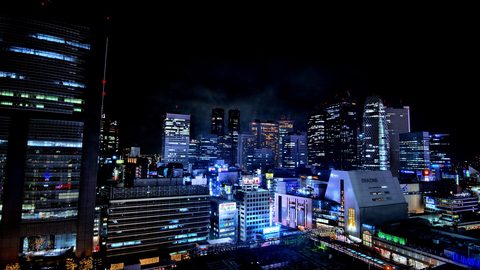
A comparison of Tokyo's major districts to help you choose the right base for your travel style, whether you want calm or chaos.
Where to Stay in Tokyo by District and Travel Style
A comparison of Tokyo's major districts to help you choose the right base for your travel style, whether you want calm or chaos.
-
 Narita or Haneda for Tokyo and What That Airport Choice Costs You
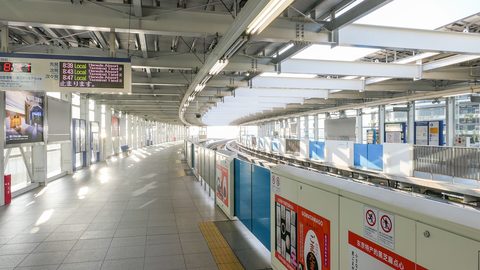
Narita or Haneda for Tokyo: compare door-to-district time, transfer cost, and what the wrong airport choice eats from your trip.
Narita or Haneda for Tokyo and What That Airport Choice Costs You
Narita or Haneda for Tokyo: compare door-to-district time, transfer cost, and what the wrong airport choice eats from your trip.
-
 Things to Do in Tokyo That Are Worth Your Limited Days
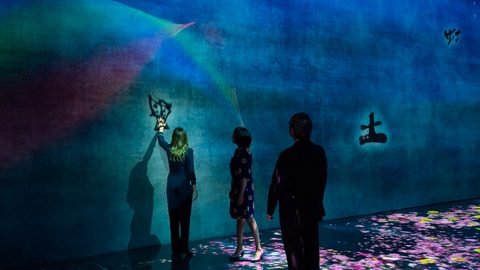
A curated list of Tokyo's highest-impact sights and experiences, from immersive art to quiet backstreets, to help you prioritise your days.
Things to Do in Tokyo That Are Worth Your Limited Days
A curated list of Tokyo's highest-impact sights and experiences, from immersive art to quiet backstreets, to help you prioritise your days.
-
 Best Time to Visit Tokyo Month by Month Tradeoffs
A month-by-month guide to visiting Tokyo, laying out the trade-off between weather, crowds, price, and what's actually open.
Best Time to Visit Tokyo Month by Month Tradeoffs
A month-by-month guide to visiting Tokyo, laying out the trade-off between weather, crowds, price, and what's actually open.
-
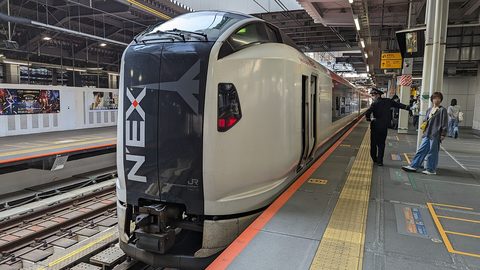 Getting Around Tokyo by Train Airport Transfers and IC Cards
A practical guide to Tokyo's rail network, covering airport transfers, IC cards, and how to avoid the station navigation mistakes that eat your day.
Getting Around Tokyo by Train Airport Transfers and IC Cards
A practical guide to Tokyo's rail network, covering airport transfers, IC cards, and how to avoid the station navigation mistakes that eat your day.
-
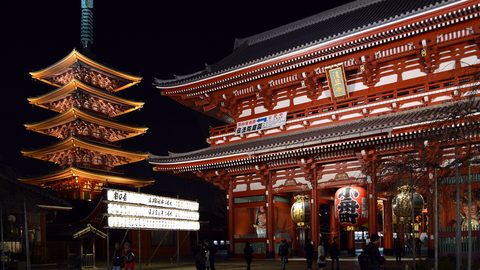 Senso-ji
 is free and never closes, but the experience at 6am with empty Nakamise stalls is nothing like the 11am crush under Kaminarimon. Here is when to go and what you get at each hour.
Senso-ji
Senso-ji is free and never closes, but the experience at 6am with empty Nakamise stalls is nothing like the 11am crush under Kaminarimon. Here is when to go and what you get at each hour.
-
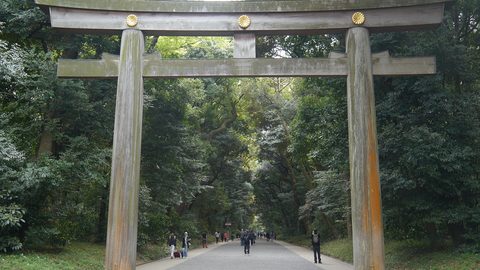 Meiji Jingu
The Meiji Jingu visit changes completely depending on which torii gate you enter. One drops you from Harajuku noise into sudden forest, the other builds quiet slowly from Yoyogi.
Meiji Jingu
The Meiji Jingu visit changes completely depending on which torii gate you enter. One drops you from Harajuku noise into sudden forest, the other builds quiet slowly from Yoyogi.
-
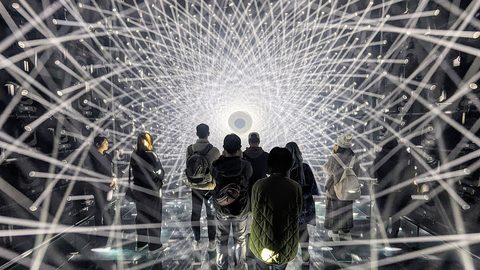 teamLab
 Borderless and Planets are two different Tokyo venues with separate booking systems. Borderless tickets at Azabudai Hills sell in timed slots and the maze has no fixed route.
teamLab
teamLab Borderless and Planets are two different Tokyo venues with separate booking systems. Borderless tickets at Azabudai Hills sell in timed slots and the maze has no fixed route.