Walking the Low City: Tokyo's Shitamachi Neighbourhoods
Where to find Tokyo's surviving shitamachi, the low city of temples, merchant lanes, and local shopping streets, and how to walk between its pockets.
.jpg)
Walking the Low City: Tokyo’s Shitamachi Neighbourhoods
Five districts in Tokyo retain a genuine Shitamachi feel: Yanaka, Nezu, Sendagi (collectively Yanesen), Tsukishima, and Shibamata. Parts of Asakusa make a sixth. Everything else in the eastern lowlands was rebuilt after the 1923 Great Kantō earthquake or the March 1945 firebombing. The combined destruction erased nearly all pre-1923 building stock. You cannot visit one compact old town. You walk a series of connected pockets, each with a different survival story and a distinct rhythm. Here is which pockets exist, what survived inside them, and how to link them into a coherent walking route.
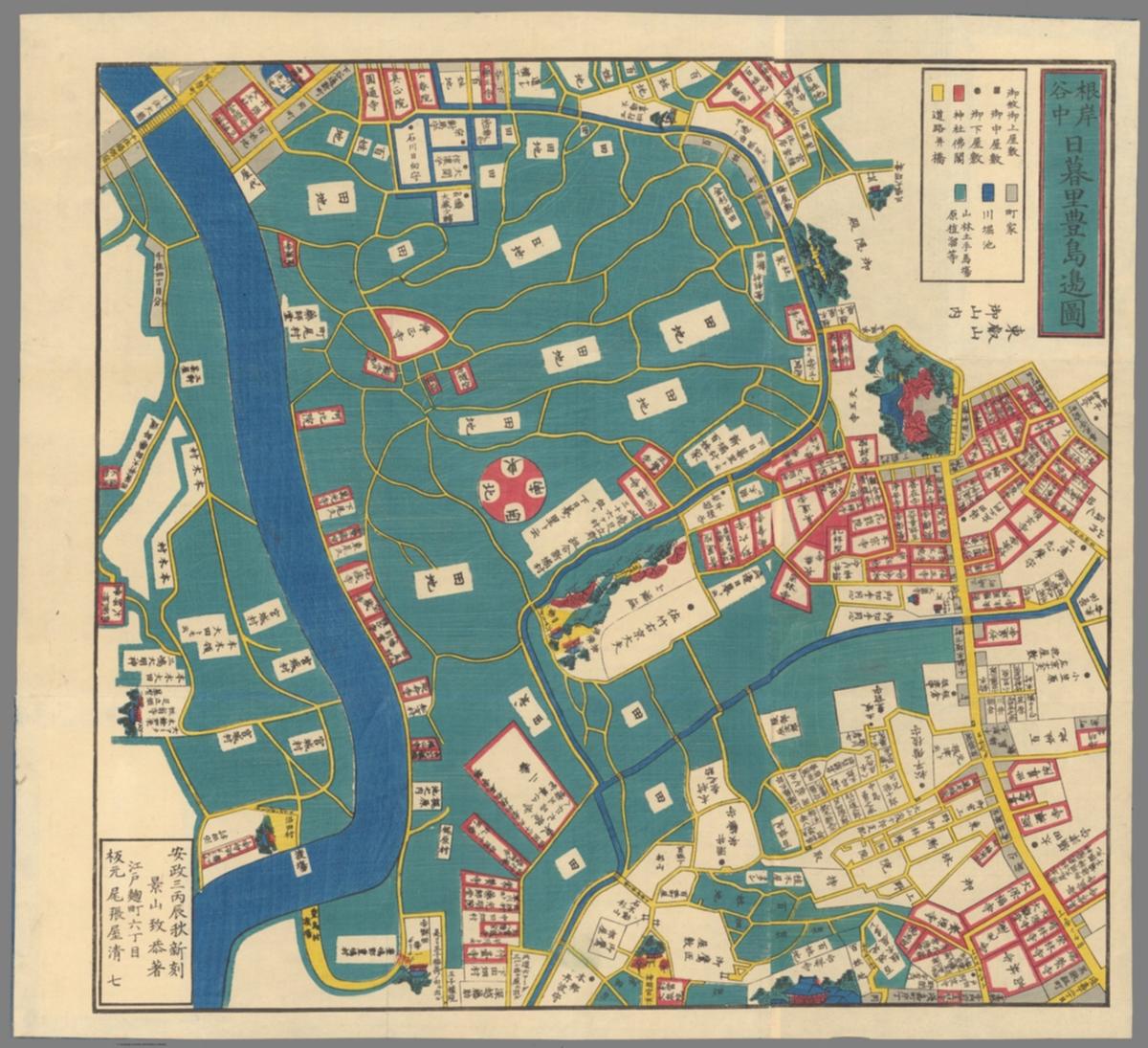
Shitamachi means low city. It refers to the flatlands east of the Imperial Palace. The Edo-period shogunate assigned the hilly western uplands, Yamanote, to samurai estates and the low-lying eastern floodplain to merchants, artisans, and labourers. That class geography explains why the districts feel different from Shinjuku or Shibuya. The streets are narrower. The buildings are smaller. The pace is slower.
The failure case is common. You walk into what looks like a historic lane, but it is a 1980s reproduction. You buy a ticket for a museum and find a generic exhibition. You stand at Sensō-ji main hall and see crowds, not atmosphere. The following names the specific lanes, the exact temple grounds, the surviving shopping streets, and the one public bath you should use when your feet give out.
The Yanesen Triangle: Yanaka, Nezu, Sendagi
Yanaka: The Survival Zone
Yanaka is the single most important survival zone in Tokyo. It escaped both the 1923 earthquake fires and the 1945 firebombing. The narrow, irregular street pattern is Edo period. The wooden machiya-style buildings are genuine. The area contains more than seventy small Buddhist temples. Start at Nippori Station, JR Yamanote Line, west exit. Walk south onto Yanaka Ginza shopping street. This is the commercial spine, a run of local shops selling grilled rice crackers, fresh tofu, and pickled vegetables. Arrive before 10:00 to see the street before the tour groups arrive. Arrive after 17:00 and many independent shops will be closed.
Turn east into Yanaka Cemetery. The cemetery contains the graves of the last Tokugawa shogun and several notable artists. It is also a shortcut. Follow the main path southeast and you reach Nezu Shrine. The shrine was established in 1705. Its Edo-period structures survived because the hill it sits on acted as a firebreak. Walk the grounds for ten minutes, then exit west onto Hebimichi, Snake Road. This curving lane lined with pre-war wooden structures runs south to Sendagi.
Sendagi and the Route Out
Sendagi is the quietest of the three. The steep lanes hold wooden houses and the former residence of writer Natsume Sōseki, now a small museum. End at Nezu Station on the Tokyo Metro Chiyoda Line. The full walk is 3 to 4 kilometres. It takes 2 to 4 hours at a leisurely pace, excluding extended stops for coffee or temple visits. The rhythm is the point, not the individual sights.
Kayaba Coffee and the Kissaten Culture
Kayaba Coffee in Yanaka opened in 1938 in a building that dates to 1916. It closed in 2006 and reopened in 2009 under a community cooperative. The interior is dark wood, vinyl banquettes, siphon coffee preparation. No Wi-Fi. A single cup costs between ¥450 and ¥700, the rate set by the owner. Morning service runs 07:00 to 11:00 and adds toast and an egg for a small surcharge. Arrive by 09:30 on a weekday or you queue. On a weekend, you queue regardless.
Asahi-yu Sento
Asahi-yu in Yanaka has operated since 1928. The building was renovated but the ritual remains the same. Remove your shoes at the entrance. Pay ¥500, the adult rate set by the Tokyo Metropolitan Government ordinance that applies to every sento in the city. Children aged 6 to 12 pay ¥200. Children under 6 pay ¥100. Wash and rinse your body completely on the stool before entering any bath. The small towel never touches the water. Place it on your head or on the side of the bath. The sento opens at 15:00 and closes at 23:00. It is closed one day per week, usually Thursday or Friday. Check the door. Tattoo policy varies. A growing number of sento in the low city now permit tattooed bathers, but if you have visible ink, ask the attendant before paying.
Tsukishima: Reclaimed Land, Working Class Grid, Monjayaki Street
Tsukishima is not Edo-period Shitamachi. It was reclaimed from Tokyo Bay starting in 1892, making it a Meiji-era working-class district. What survived is its grid of narrow alleys lined with early-20th-century wooden nagaya rowhouses. The primary draw is Nishinaka-dōri, a street with roughly 75 monjayaki restaurants concentrated along its length. Monjayaki is a cook-it-yourself runny batter, similar to okonomiyaki but with a thinner, starchier consistency. Arrive at Tsukishima Station via the Tokyo Metro Yūrakuchō Line or Toei Ōedo Line. Walk east for three minutes and you are on Nishinaka-dōri.
The route is short. Start at the station. Walk the street. End at the Sumida River. From there you have two ways to reach Asakusa. The direct option is a 15-minute subway ride: Toei Ōedo Line to Kuramae, then a five-minute walk to Sensō-ji. The scenic option is a 40-minute walk north along the Sumida River. Take the scenic option if the weather is clear and the sun is not yet down. The river walk passes under several bridges and gives you a view of the Tokyo Skytree that you do not get from inside the tower itself.
What to Know About Monjayaki
You cook the batter yourself on a hot plate built into your table. The staff will give you a metal spatula and a brief demonstration. The batter contains cabbage, seafood, and a handful of other ingredients depending on the shop. Eat it directly off the hot plate with the spatula. Do not ask for a fork. Do not expect to be full after one portion. Order two. The restaurants are independently owned. Almost all require reservations on Friday and Saturday evenings. Walk-ins are possible before 17:00 on weekdays. The failure case is arriving at 19:00 on a Saturday without a reservation. Every shop will have a wait of 30 to 60 minutes.
| Route | Start and End Stations | Distance | Duration |
|---|---|---|---|
| Yanesen | Nippori Station to Nezu Station | 3-4 km | 2-4 hours |
| Tsukishima to Asakusa | Tsukishima Station to Asakusa Station | 2 km (plus subway or 40 min walk) | 1.5-3 hours |
| Shibamata | Shibamata Station to Shibamata Station | 2 km | 1.5-2 hours |
Shibamata: the 200-Metre Temple Approach That Works
Shibamata is the most compact of the survival zones and the easiest to add to a day that already includes Yanesen or Tsukishima. The approach to Shibamata Taishakuten temple, called Taishakuten Sando, runs roughly 200 metres from Keisei Kanamachi Line station to the temple gate. Both sides are lined with pre-war wooden shops selling sweet potato snacks, senbei crackers, and local crafts. The temple itself was established in 1629. Its carvings survived the 1923 earthquake and the 1945 firebombing because the neighbourhood sits on the eastern edge of the city, away from the firestorm.
After the temple, walk to the Edogawa riverbank. It is a two-minute walk northeast from the temple gate. The riverbank is wide, open, and almost entirely ignored by visitors. Follow it south to Yamamoto-tei, a Taisho-era residence open to the public for ¥100. The building is a wooden two-storey house with a garden that faces the river. Spend 20 minutes inside. Then walk back to Shibamata Station. The entire loop takes 1.5 to 2 hours. The failure case is visiting on a Monday, when most of the shops on Taishakuten Sando are closed. Tuesday through Sunday, 10:00 to 16:00, is the reliable window.
.jpg)
Asakusa: Survivor by Rebuild
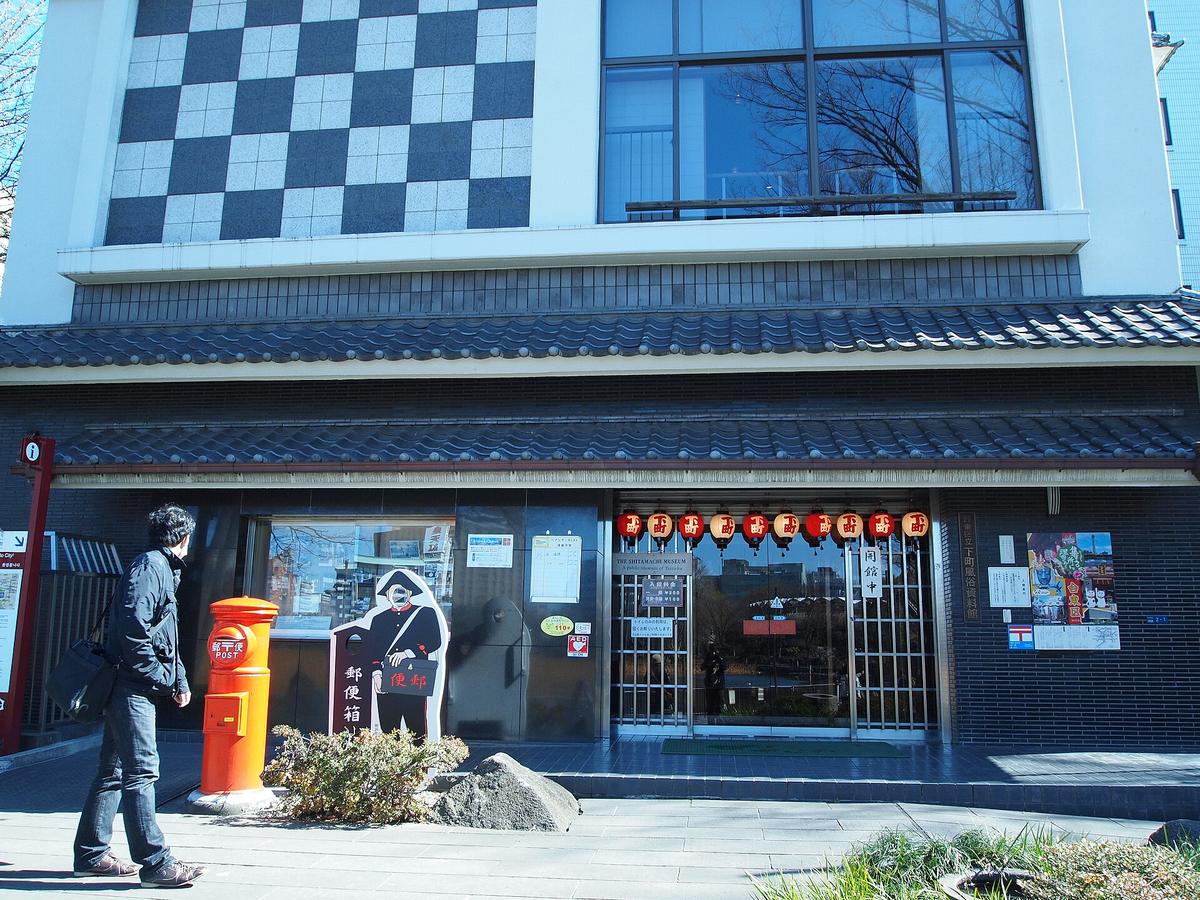
Asakusa is the most visited of the Shitamachi districts but the least authentic in terms of original fabric. Sensō-ji temple was founded in 628, but the main hall was reconstructed in 1958 after the firebombing. The Kaminarimon gate was rebuilt in 1960. Nakamise-dōri, the shopping street leading from the gate to the hall, dates to the Edo period in origin but its structures are post-war. The real value in Asakusa is not the temple itself. It is the alleys west of Sensō-ji. Hoppy Street and the Rokku Broadway area contain surviving pre-war entertainment district alleys with wooden buildings, small bars, and kissaten. Café de Crie Asakusa Kaminarimon occupies a Taisho-era building, though it is a chain operation. If you want atmosphere without the crowds, arrive at Hoppy Street by 17:00, order a set of skewers and a beer, and leave before 20:00 when the tour groups cycle back through.
Asakusa connects naturally to Tsukishima via the Sumida River walk, and to Yanesen via a 15-minute taxi ride or a 30-minute bus along Kiyosumi-dōri. Use it as the afternoon endpoint of a day that started in Yanaka and moved through Nezu and Sendagi. The contrast is instructive. In Yanaka you walk streets that never burned. In Asakusa you walk streets that burned and were rebuilt to look like they did not.
What the Shitamachi Experience is Not
The primary draw is residual urban fabric, scale, and rhythm, not a collection of ticketed sights. The experience is atmospheric. It is streetscape. It is the absence of planning and the presence of accident. You do not enter Shitamachi with a list of must-see landmarks. You enter with a route and an open afternoon.
The single thing that most often goes wrong is that travellers try to do too much. They combine Yanesen, Tsukishima, and Asakusa in one day, then wonder why every district felt rushed and indistinct. Pick one pocket per day. Walk it slowly. Stop at the kissaten. Use the sento. Then go home and eat monjayaki the next day. That is how the low city reveals itself.
Read next
-
 Tokyo Hotels by Type and Budget from Capsules to Luxury
Tokyo hotels organised by type and price band, from efficient capsule pods to full-service luxury towers, to help you book the right room.
Tokyo Hotels by Type and Budget from Capsules to Luxury
Tokyo hotels organised by type and price band, from efficient capsule pods to full-service luxury towers, to help you book the right room.
-
 Where to Stay in Tokyo by District and Travel Style
A comparison of Tokyo's major districts to help you choose the right base for your travel style, whether you want calm or chaos.
Where to Stay in Tokyo by District and Travel Style
A comparison of Tokyo's major districts to help you choose the right base for your travel style, whether you want calm or chaos.
-
 Narita or Haneda for Tokyo and What That Airport Choice Costs You
Narita or Haneda for Tokyo: compare door-to-district time, transfer cost, and what the wrong airport choice eats from your trip.
Narita or Haneda for Tokyo and What That Airport Choice Costs You
Narita or Haneda for Tokyo: compare door-to-district time, transfer cost, and what the wrong airport choice eats from your trip.
-
 Things to Do in Tokyo That Are Worth Your Limited Days
A curated list of Tokyo's highest-impact sights and experiences, from immersive art to quiet backstreets, to help you prioritise your days.
Things to Do in Tokyo That Are Worth Your Limited Days
A curated list of Tokyo's highest-impact sights and experiences, from immersive art to quiet backstreets, to help you prioritise your days.
-
 Best Time to Visit Tokyo Month by Month Tradeoffs
A month-by-month guide to visiting Tokyo, laying out the trade-off between weather, crowds, price, and what's actually open.
Best Time to Visit Tokyo Month by Month Tradeoffs
A month-by-month guide to visiting Tokyo, laying out the trade-off between weather, crowds, price, and what's actually open.
-
 Getting Around Tokyo by Train Airport Transfers and IC Cards
A practical guide to Tokyo's rail network, covering airport transfers, IC cards, and how to avoid the station navigation mistakes that eat your day.
Getting Around Tokyo by Train Airport Transfers and IC Cards
A practical guide to Tokyo's rail network, covering airport transfers, IC cards, and how to avoid the station navigation mistakes that eat your day.
-
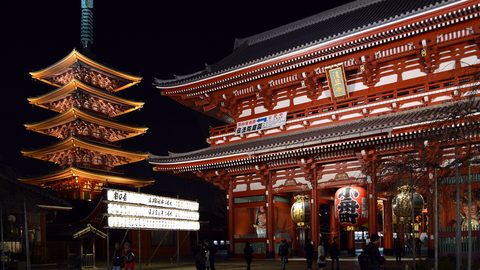 Senso-ji
 is free and never closes, but the experience at 6am with empty Nakamise stalls is nothing like the 11am crush under Kaminarimon. Here is when to go and what you get at each hour.
Senso-ji
Senso-ji is free and never closes, but the experience at 6am with empty Nakamise stalls is nothing like the 11am crush under Kaminarimon. Here is when to go and what you get at each hour.
-
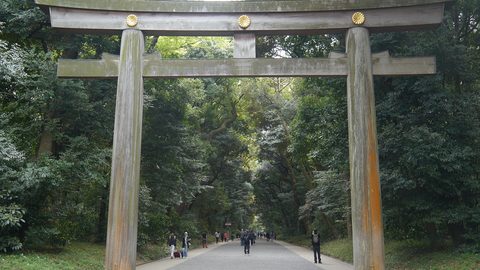 Meiji Jingu
The Meiji Jingu visit changes completely depending on which torii gate you enter. One drops you from Harajuku noise into sudden forest, the other builds quiet slowly from Yoyogi.
Meiji Jingu
The Meiji Jingu visit changes completely depending on which torii gate you enter. One drops you from Harajuku noise into sudden forest, the other builds quiet slowly from Yoyogi.
-
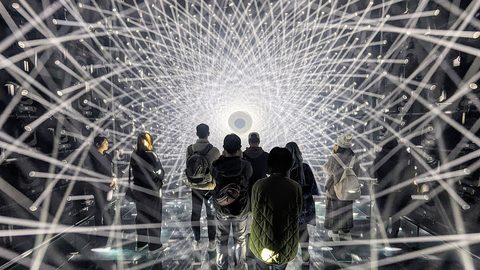 teamLab
 Borderless and Planets are two different Tokyo venues with separate booking systems. Borderless tickets at Azabudai Hills sell in timed slots and the maze has no fixed route.
teamLab
teamLab Borderless and Planets are two different Tokyo venues with separate booking systems. Borderless tickets at Azabudai Hills sell in timed slots and the maze has no fixed route.