Eating Monjayaki on Tsukishima's Monja Street and Why It Is Worth the Trip
Tsukishima is one street and one dish: monjayaki, Tokyo's runny batter cooked on a hotplate, worth crossing the river for the full Monja Street ritual.
- Flag
-
- ISO code
- JP
- Currency
- JPY
- Timezone
- Asia/Tokyo
Monja Street is Not a Museum. it is a Working Dinner Destination.
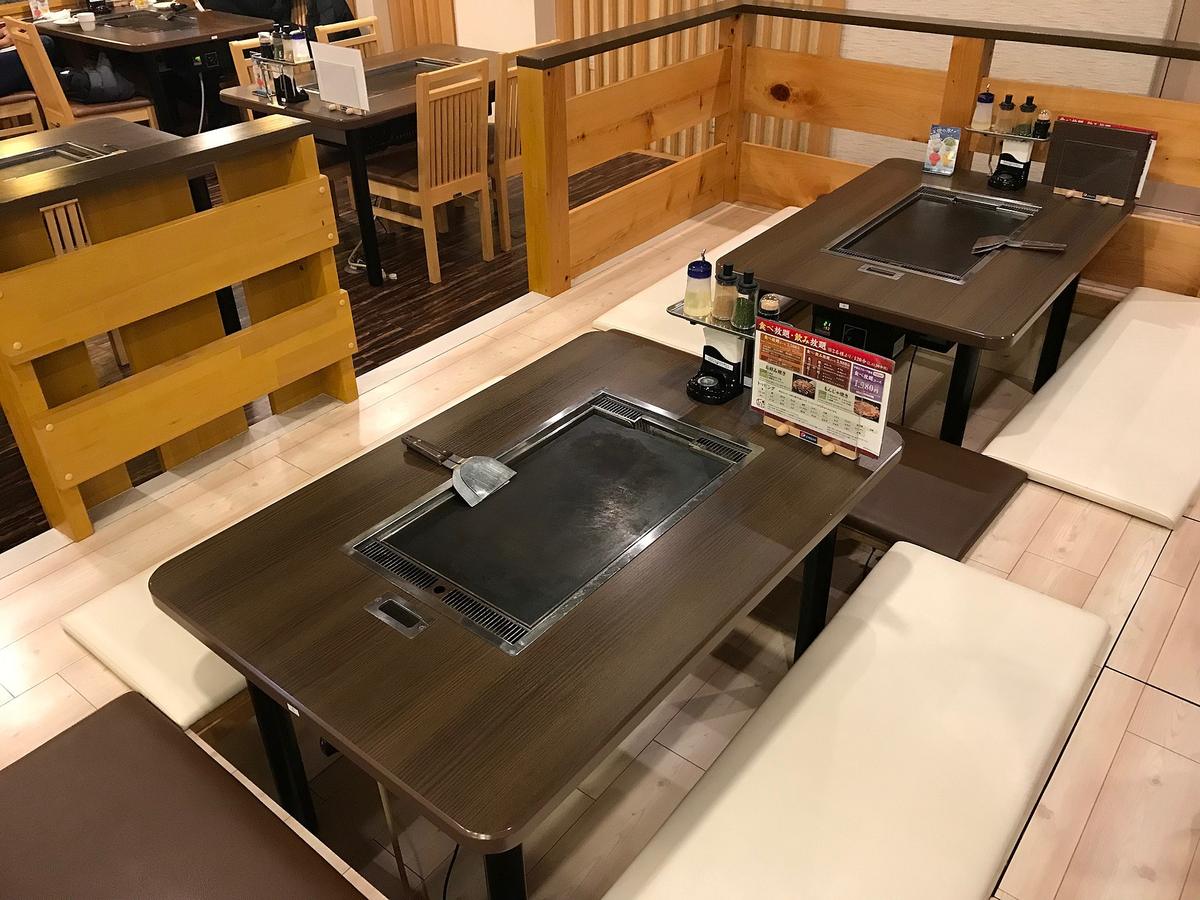
Most visitors treat Tsukishima as a curiosity. They cross the Sumida River, glance down the narrow arcade of Monja Street, eat one plate of runny batter, and call it done. The assumption is that monjayaki is a gimmick, a messy novelty you try once. That assumption is wrong. Tsukishima's Monja Street exists because this dish rewards repetition. You do not come here to check a box. You come to sit at a hotplate for two hours, scraping a thin layer of dashi and cabbage into crisp edges, and then you come back the next night to a different shop because the batter changes with the cook. The street itself is a concentration of 75 restaurants dedicated to a dish that most of Tokyo has moved past. That concentration is the reason to cross the river. No other neighbourhood in Japan has built its entire evening economy around a single griddle food. Monja Street is not a tourist reconstruction. It is a living, competitive ecosystem of cooks, regulars, and late night orders. Arrive at 17:00 when the shutters roll up. Eat until 22:00. That is the right way to do it.
What Monjayaki is and Why You Have to Cook it Yourself
Cook It Yourself Means Actually Cooking It Yourself
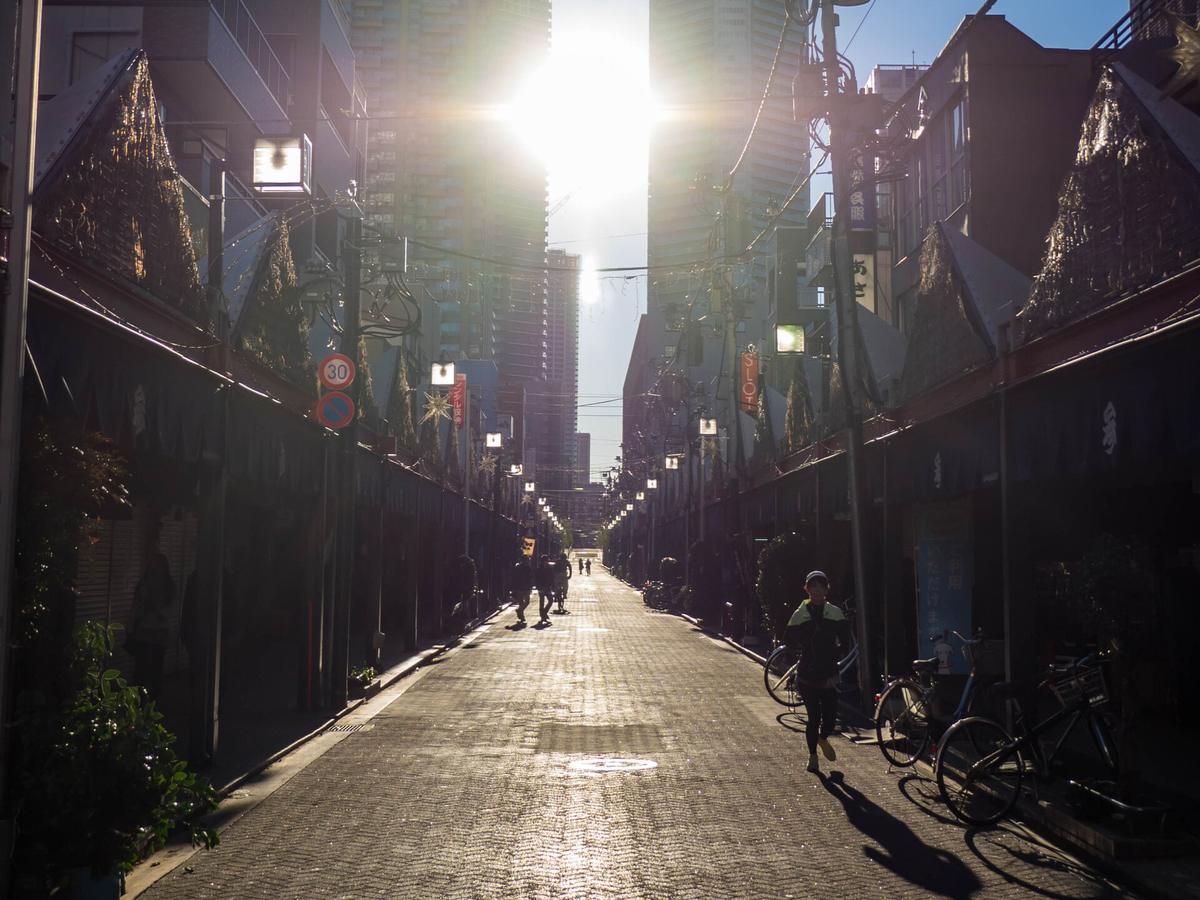
Some shops in tourist areas let staff handle the griddle. On Tsukishima, you are expected to do the work. This is not difficult, but it requires watching your neighbours for the first ten minutes. The key mistake is pouring the liquid batter onto the griddle before the solids are stir fried. Cook the cabbage, pork, and tenkasu first until they wilt. Then build the ring. Then pour. If you invert the order, the batter absorbs the raw moisture of the cabbage and produces a watery steam instead of a crisp edge. Watch the veteran two tables over. They will finish their third round before you finish your first. That gap narrows by your second order.
.jpeg)
The Neighbourhood That Monja Built
The Walk Across the River Is Justified by Concentration
You could eat this dish in Asakusa or at a few scattered restaurants in eastern Tokyo. You would find the same batter and the same toppings. What you would not find is the critical mass of 75 shops within a ten minute walk of a single station. That density creates competition. Shops that serve weak batter or stingy portions do not survive. The restaurants on Monja Street have been refining their recipes against each other for decades. The street is a natural selection laboratory for a single dish.
The Journey from Ginza or Tsukiji
Crossing the river from Ginza or Tsukiji takes under ten minutes by subway. The Toei Oedo Line runs from Tsukijishijo Station to Tsukishima Station in two stops, about five minutes. The Tokyo Metro Yurakucho Line reaches Toyosu in three stops, about seven minutes. You can walk from Tsukishima to Tsukiji Outer Market along the Sumida River, a distance of 2.5 kilometres. The walk to Toyosu Market is 3.5 kilometres. The cost of the train ride is negligible. The cost of choosing a random shop outside this concentration is a mediocre meal that leaves you wondering what the fuss was about.
When to Go and How to Avoid the Queue Trap
Opening Hours and the Lunchtime Mirage
The best time for Monja Street is evening, between 17:00 and 22:00. Many shops open only from late afternoon. On weekdays, hours are 17:00 to 23:00. On weekends and holidays, shops open at 11:00 and run through 23:00. Do not arrive at 10:00 expecting lunch. The street is quiet in the morning, and most shutters stay down.
Beat the Peak, Skip the Queue
The busy period runs from 18:00 to 21:00. Queues are common at popular shops from Friday through Sunday. You do not want to queue for monjayaki. The cooking process takes 20 to 30 minutes per order, and a queue means you wait outside for 45 minutes while people inside are eating a meal you could be eating across the street at a shop with an empty counter. The solution is to walk. Start at the Tsukishima Station end of the arcade and walk to the far end. If the first five shops have queues, shop six does not. Most restaurants on this street do not take reservations. Walk in only. The exception is some larger shops that accept reservations for groups on weekday evenings. Confirm directly. For a solo diner or a pair, the right strategy is to arrive at 17:00 on a weekday, pick a shop with an open counter, and eat without the wait. By 21:00, the queues thin. If you arrive at 18:30 on a Saturday, budget 40 minutes of standing and scanning menus posted outside windows. That is the honest caveat. Monja Street is worth the trip, but it is not a secret. The street fills. Plan around the timing.
.jpg)
Other areas in Tokyo
- Akihabara
- Asakusa
- Ebisu
- Futako-tamagawa
- Ginza
- Harajuku
- Ikebukuro
- Jimbocho
- Jiyugaoka
- Kagurazaka
- Kichijoji
- Kiyosumi-Shirakawa
- Koenji
- Kuramae
- Marunouchi
- Nakameguro
- Nakano
- Nihonbashi
- Ningyocho
- Odaiba
- Omotesando and Aoyama
- Roppongi
- Ryogoku
- Sangenjaya
- Shibamata
- Shibuya
- Shimokitazawa
- Shin-Okubo
- Shinagawa
- Shinjuku
- Sugamo
- Takadanobaba
- Todoroki
- Tsukiji
- Ueno
- Yanaka
- Yurakucho and Shinbashi
Frequently Asked Questions About Monja Street
How is monjayaki different from okonomiyaki?
Okonomiyaki uses a thick batter that forms a firm pancake. Monjayaki has a much higher liquid to flour ratio, so it stays semi liquid on the griddle. You eat it by scraping directly from the hot surface, not by cutting slices.
Do I need to book a restaurant on Monja Street?
Most shops do not take reservations. Walk in only. A few larger shops accept reservations for groups on weekday evenings, but this is rare. Plan to arrive early or be prepared to wait during peak hours Friday through Sunday.
Is Monja Street a tourist trap?
No. The 75 restaurants serve a neighbourhood that has eaten monjayaki for decades. Tourists come, but the street remains a working dinner destination. The prices are reasonable for Tokyo, and the quality is high because local regulars hold the shops to a standard.
Can I walk from Tsukishima to the Tsukiji Outer Market?
Yes. The walk is 2.5 kilometres along the Sumida River. By train, take the Toei Oedo Line two stops from Tsukishima to Tsukijishijo, about five minutes. You can visit both in one afternoon.
Read next
-
 Tokyo Hotels by Type and Budget from Capsules to Luxury
Tokyo hotels organised by type and price band, from efficient capsule pods to full-service luxury towers, to help you book the right room.
Tokyo Hotels by Type and Budget from Capsules to Luxury
Tokyo hotels organised by type and price band, from efficient capsule pods to full-service luxury towers, to help you book the right room.
-
 Where to Stay in Tokyo by District and Travel Style
A comparison of Tokyo's major districts to help you choose the right base for your travel style, whether you want calm or chaos.
Where to Stay in Tokyo by District and Travel Style
A comparison of Tokyo's major districts to help you choose the right base for your travel style, whether you want calm or chaos.
-
 Narita or Haneda for Tokyo and What That Airport Choice Costs You
Narita or Haneda for Tokyo: compare door-to-district time, transfer cost, and what the wrong airport choice eats from your trip.
Narita or Haneda for Tokyo and What That Airport Choice Costs You
Narita or Haneda for Tokyo: compare door-to-district time, transfer cost, and what the wrong airport choice eats from your trip.
-
 Things to Do in Tokyo That Are Worth Your Limited Days
A curated list of Tokyo's highest-impact sights and experiences, from immersive art to quiet backstreets, to help you prioritise your days.
Things to Do in Tokyo That Are Worth Your Limited Days
A curated list of Tokyo's highest-impact sights and experiences, from immersive art to quiet backstreets, to help you prioritise your days.
-
 Best Time to Visit Tokyo Month by Month Tradeoffs
A month-by-month guide to visiting Tokyo, laying out the trade-off between weather, crowds, price, and what's actually open.
Best Time to Visit Tokyo Month by Month Tradeoffs
A month-by-month guide to visiting Tokyo, laying out the trade-off between weather, crowds, price, and what's actually open.
-
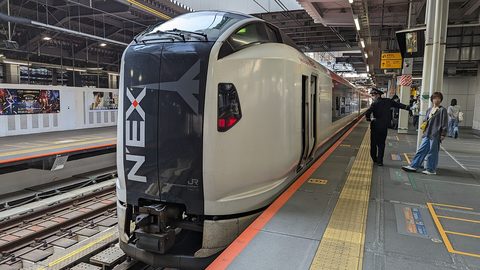 Getting Around Tokyo by Train Airport Transfers and IC Cards
A practical guide to Tokyo's rail network, covering airport transfers, IC cards, and how to avoid the station navigation mistakes that eat your day.
Getting Around Tokyo by Train Airport Transfers and IC Cards
A practical guide to Tokyo's rail network, covering airport transfers, IC cards, and how to avoid the station navigation mistakes that eat your day.
-
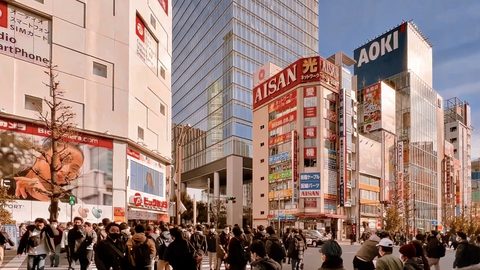 Akihabara
 Tokyo guide: electronics, anime, and arcades stacked floor by floor, from Radio Kaikan to the maid cafe touts.
Akihabara
Akihabara Tokyo guide: electronics, anime, and arcades stacked floor by floor, from Radio Kaikan to the maid cafe touts.
-
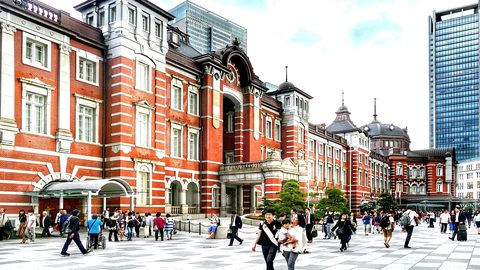 Marunouchi
Staying in Marunouchi puts you steps from Tokyo Station's Shinkansen platforms and Narita Express, trading nightlife buzz for unmatched rail connectivity and wide, quiet weekend boulevards.
Marunouchi
Staying in Marunouchi puts you steps from Tokyo Station's Shinkansen platforms and Narita Express, trading nightlife buzz for unmatched rail connectivity and wide, quiet weekend boulevards.
-
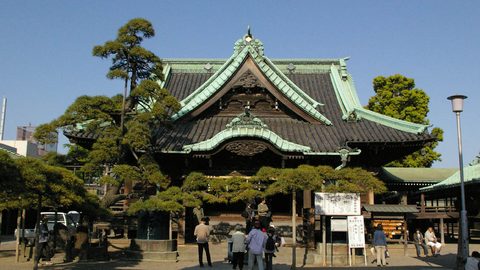 Shibamata
 preserves a 1950s Tokyo on its temple approach street, forever tied to the Tora-san film series and best visited for unagi and old-school snacks.
Shibamata
Shibamata preserves a 1950s Tokyo on its temple approach street, forever tied to the Tora-san film series and best visited for unagi and old-school snacks.