Which Parts of Tokyo Actually Survive Contact With Children
Tokyo rewards families who pick districts carefully and accept that some adult favourites must wait. Ueno, Odaiba, and specific Shinjuku corners deliver without the crush.
Which Parts of Tokyo Actually Survive Contact with Children
Three Districts Built for the Family-Shaped Problem
Your five-year-old has just been bowled over by a businessman exiting Shinjuku Station at 8:47 a.m. and your unfolded buggy has become a weapon against a tide of commuters. The answer to which Tokyo districts survive contact with small humans is this: the ones you plan around nap schedules, station exits, and which konbini sells emergency onigiri. Tokyo can delight young travellers, but it punishes vague family planning with a vengeance.
Three districts work without requiring a logistics degree. Asakusa gives you Senso-ji Temple with ramps at the side entrances (skip the main hall steps) and the ancient Hanayashiki amusement park next door, where a child under five gets in free and the roller coaster dates to 1853. Ueno packs a zoo with free admission for under-twelves, several museums, and a park where toddlers can run without traffic risk. Odaiba offers the fully accessible ferris wheel, Legoland Discovery Center (adults must bring a child to enter), and the water bus from Asakusa where buggies stay unfolded if the boat is not crowded. These three districts have infrastructure designed for the family-shaped problem.
Districts to Hit Before Lunch, Then Flee
Shibuya and Shinjuku are not for small children. The scramble crossing at Shibuya is a vertigo experience for adults; for a child under six it is a crowd of knees. Shinjuku Station has over 200 exits. Elevator coverage sits at 90 percent of metro stations, but that single elevator per exit may require a ten-minute detour through underground shopping arcades. You can do these districts with older kids who hold hands and follow directions, but plan them as morning-only hits. Arrive at Shibuya by 9:30, watch the crossing from the Magnet viewing platform, then leave before lunch rush.
The Stroller Rules That Save Your Day
Folding Is Not Optional
Folding your buggy on a crowded train is not optional. Tokyo Metro and JR East rules say pushchairs must be folded if the train is crowded, and between 07:30 and 09:30 and again from 17:00 to 19:00 on weekdays, every train is crowded. Do not test this. A folded pushchair fits in the overhead rack on most JR lines or stands in the vestibule area. The platform gap of up to ten centimetres and a five-centimetre height difference means you lift the buggy onto each train anyway.
The Elevator Hunt and the Navigation Trap
Elevator locations in stations are the second great test. Ninety percent of Tokyo Metro and Toei Subway stations have elevators, but they are often at one exit only. The Shibuya Station elevator for the Hachiko exit is a five-minute walk from the platform through corridors that fold in on themselves. Download the Japan Official Travel App for offline station floor maps before you arrive. Google Maps struggles with vertical navigation inside multi-floor station malls and will have you pushing a pushchair into a stairwell.
Where to Change a Nappy, Every Time
Nappy changes happen in department stores, not public toilets. Only about 30 percent of Tokyo's public toilets have changing tables, and fewer than 5 percent of convenience store toilets have them. Every major department store has a children's floor on the sixth or seventh floor with a dedicated nursing room, child-sized toilets, hot water dispensers, and private booths. Isetan Shinjuku, Shibuya Scramble Square, and Lumine in Shinjuku all have these facilities. Make department stores your mid-day rest stop, not your shopping destination.
What to Book, What to Skip, and What Costs What
Museums and the Buggy Ban
TeamLab Borderless permits pushchairs but the narrow passageways in some areas make for a traffic jam. TeamLab Planets bans them entirely with free parking at the entrance, so budget 45 minutes for a child who needs to be carried through ankle-deep water in the immersive garden. Ghibli Museum also bans pushchairs with free parking; tickets go on sale on the 10th of each month for the following month and sell out within hours. Set a calendar reminder.
Two Disney Parks, One Strategy
Tokyo Disneyland and DisneySea require their own strategy. Minimum height for major rides ranges from 90 centimetres on Splash Mountain to 117 centimetres on Indiana Jones. Both parks offer rider switch service on all height-restricted rides: one adult queues while the other waits with the child, then they swap without re-queuing. Pushchair rental costs ¥1,000 per day at both parks. The baby care centres at World Bazaar in Disneyland and Mediterranean Harbor in DisneySea offer bottle warming, baby food sales, and lost child services with English-speaking staff. Popcorn buckets cost ¥2,200 to ¥3,000 with refills at ¥500; the soy sauce butter flavour is worth the queue, but you queue.
Indoor Wins and the Four-Hour Role-Play
Sanrio Puroland is 100 percent indoor and pushchair-friendly throughout, though buggies must park in the designated area near the entrance for some show areas. Adult tickets cost ¥3,600 on weekdays; children aged 3 to 17 pay ¥2,800 weekdays. Under three gets in free. KidZania Tokyo at LaLaport Toyosu runs five-hour sessions where kids aged 3 to 15 role-play real jobs. Adults observe only. Tickets for children run ¥3,900 to ¥4,800 depending on session; adults pay ¥2,200 to ¥2,500. Book the morning session, feed the child before arrival, and accept that you will watch your child work at a pretend fire station for four hours.
Skip These, Compromise on That
Skip Tsukiji Outer Market with small children. The queues for fresh seafood bowls form at 05:00, the lanes are shoulder width, and there is nowhere to sit. The same applies to Golden Gai: the 200 micro bars with six seats each enforce photo rules that vary by bar and children are not welcome after dark. Harajuku crepe queues test every parent's patience, but you can send one adult to join the queue at Marion Crepes while the other walks the child through nearby Yoyogi Park, where the paths are wide and paved and admission is free. That compromise is the shape of every successful day in Tokyo with kids.


Read next
-
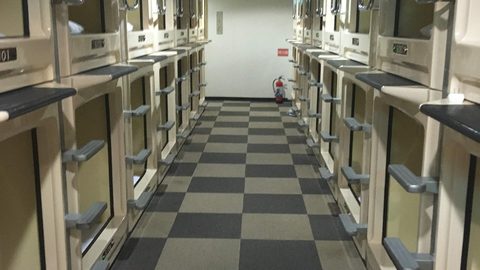
 Tokyo Hotels by Type and Budget from Capsules to Luxury
Tokyo hotels organised by type and price band, from efficient capsule pods to full-service luxury towers, to help you book the right room.
Tokyo Hotels by Type and Budget from Capsules to Luxury
Tokyo hotels organised by type and price band, from efficient capsule pods to full-service luxury towers, to help you book the right room.
-
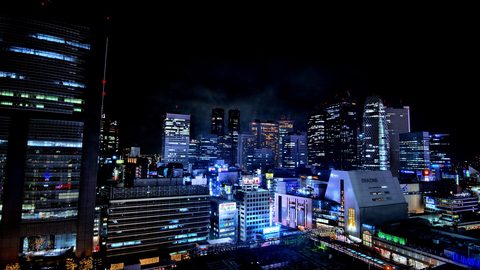 Where to Stay in Tokyo by District and Travel Style
A comparison of Tokyo's major districts to help you choose the right base for your travel style, whether you want calm or chaos.
Where to Stay in Tokyo by District and Travel Style
A comparison of Tokyo's major districts to help you choose the right base for your travel style, whether you want calm or chaos.
-
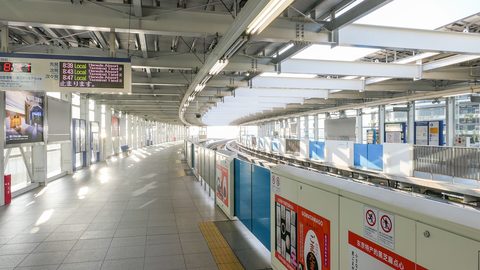 Narita or Haneda for Tokyo and What That Airport Choice Costs You
Narita or Haneda for Tokyo: compare door-to-district time, transfer cost, and what the wrong airport choice eats from your trip.
Narita or Haneda for Tokyo and What That Airport Choice Costs You
Narita or Haneda for Tokyo: compare door-to-district time, transfer cost, and what the wrong airport choice eats from your trip.
-
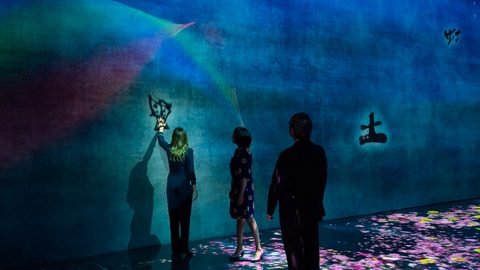 Things to Do in Tokyo That Are Worth Your Limited Days
A curated list of Tokyo's highest-impact sights and experiences, from immersive art to quiet backstreets, to help you prioritise your days.
Things to Do in Tokyo That Are Worth Your Limited Days
A curated list of Tokyo's highest-impact sights and experiences, from immersive art to quiet backstreets, to help you prioritise your days.
-
 Best Time to Visit Tokyo Month by Month Tradeoffs
A month-by-month guide to visiting Tokyo, laying out the trade-off between weather, crowds, price, and what's actually open.
Best Time to Visit Tokyo Month by Month Tradeoffs
A month-by-month guide to visiting Tokyo, laying out the trade-off between weather, crowds, price, and what's actually open.
-
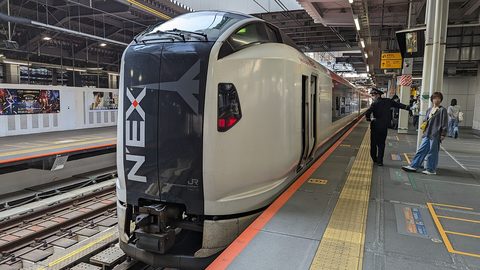 Getting Around Tokyo by Train Airport Transfers and IC Cards
A practical guide to Tokyo's rail network, covering airport transfers, IC cards, and how to avoid the station navigation mistakes that eat your day.
Getting Around Tokyo by Train Airport Transfers and IC Cards
A practical guide to Tokyo's rail network, covering airport transfers, IC cards, and how to avoid the station navigation mistakes that eat your day.
-
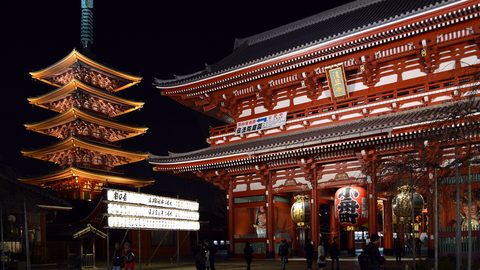 Senso-ji
 is free and never closes, but the experience at 6am with empty Nakamise stalls is nothing like the 11am crush under Kaminarimon. Here is when to go and what you get at each hour.
Senso-ji
Senso-ji is free and never closes, but the experience at 6am with empty Nakamise stalls is nothing like the 11am crush under Kaminarimon. Here is when to go and what you get at each hour.
-
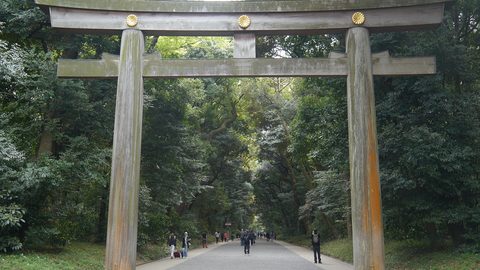 Meiji Jingu
The Meiji Jingu visit changes completely depending on which torii gate you enter. One drops you from Harajuku noise into sudden forest, the other builds quiet slowly from Yoyogi.
Meiji Jingu
The Meiji Jingu visit changes completely depending on which torii gate you enter. One drops you from Harajuku noise into sudden forest, the other builds quiet slowly from Yoyogi.
-
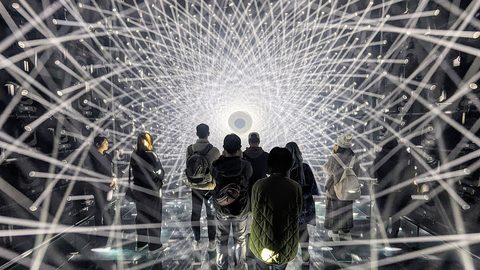 teamLab
 Borderless and Planets are two different Tokyo venues with separate booking systems. Borderless tickets at Azabudai Hills sell in timed slots and the maze has no fixed route.
teamLab
teamLab Borderless and Planets are two different Tokyo venues with separate booking systems. Borderless tickets at Azabudai Hills sell in timed slots and the maze has no fixed route.