Kyobashi Standing Bars Where Osaka Drinks After Work
Kyobashi is Osaka's unvarnished drinking district, a tangle of cheap standing bars near the station where salarymen pack in for beer and grilled skewers with no tourist concessions.
- Flag
-
- ISO code
- JP
- Currency
- JPY
- Timezone
- Asia/Tokyo
Kyobashi is Not a Mistake. it is the Point.
The first wrong assumption about Kyobashi is that a visitor wandered here by accident. The second is that this is a scaled-down Dotonbori, a mini Shinsekai, or a local secret about to be discovered. Neither is true. Kyobashi is a transport interchange where 333,000 people pass through daily. Almost none of them are tourists. The drinking district under the elevated JR tracks does not want your Instagram attention. It does not need it. The tachinomi standing bars that line the arcades are built for railway workers, office clerks, and anyone who wants to drink at 300 yen a glass without a table, without a seat, without pretence. This is not a neighbourhood that makes concessions. You fit into it. Or you do not stay.
If you are looking for Osaka's polished nightlife, the hostess bars of Kitashinchi or the neon crush of Dotonbori are a short train ride away. Those districts are designed for spectacle and spending. Kyobashi is designed for efficiency. The bars open at 17:00 and many close by 23:00 because the last train is the real deadline. A salaryman who misses it faces a taxi back to the suburbs. That pressure keeps the drinking honest. Nobody lingers for the atmosphere. They drink, they eat a skewer of grilled pork belly, they pay their tab, and they leave. The atmosphere is a side effect, not a product.
What 300 Yen Buys You in a Kyobashi Standing Bar
The Economics of No Seats
A standing bar in Kyobashi is a narrow counter, a sliding door, and a master who has been at this for decades. The drink prices run from 300 to 500 yen for a beer, a highball, or a chuhai. Food skewers cost 150 to 400 yen each. Compare that to Namba, where the same glass of beer runs 500 to 800 yen. That is a 30 to 50 percent price gap, and it is not because the quality is worse. Kyobashi pays less rent, has no menu design budget, and does not factor tourist tolerance into the pricing model.
The payment system is the running tab. You do not pay per round. The master marks a mental tally or a scrap of paper, and you settle on your way out. This assumes trust, and it works because the bar knows you will be back tomorrow. You will not be, but the system still applies. If you cannot read the menu, point at the bottles on the shelf, at a skewer on someone else's plate, or at the photo on the wall. Nobody will be offended. They are not being kind. They are being efficient. In Kyobashi, efficiency and hospitality are the same thing.
Finding a Bar Under the Tracks
The standing bar count in Kyobashi sits at roughly 50, though the real figure fluctuates and JR West does not publish a bar census. The Kyobashi Gran Chateau area under the tracks holds around 800 drinking and dining establishments if you count the yakitori joints, the yakiniku grills, and the kushikatsu counters that sit on stools rather than standing. The distinction between a tachinomi and a grill is mostly whether there is a seat. If there is no seat, the prices are lower. That is your heuristic.
Walking the Arcade and the Tracks
When the Grills Start Smoking
Exit Kyobashi station from the JR gate and walk south. The covered Kyobashi Shopping Arcade runs roughly 300 metres east to west parallel to the tracks. It is not a sightseeing arcade. By day it serves office lunches. By 17:00 the grills beneath the elevated tracks start smoking, and the smell of grilled offal and soy-based dipping sauce fills the concrete corridor. This is the hour when Kyobashi changes. The commuters rush for the train home and a different set of people arrives: the ones who will stand at a counter for two hours, eat five skewers, drink three highballs, and walk back to the station alone.
Grill Your Own, Pay Less
The grill restaurants under the tracks are the other half of Kyobashi's draw. Yakiniku, yakitori, kushikatsu, and hormone grills dominate. These are not the polished Korean barbecue restaurants of Tsuruhashi. The tables are small, the ventilation is functional, and the menu covers one page. You order meat, you grill it yourself, you drink beer. The skewers arrive fast and the bill stays low. A full meal with three drinks runs 2,000 yen. In Namba that same meal costs more and requires a reservation.
What Kyobashi Cannot Do
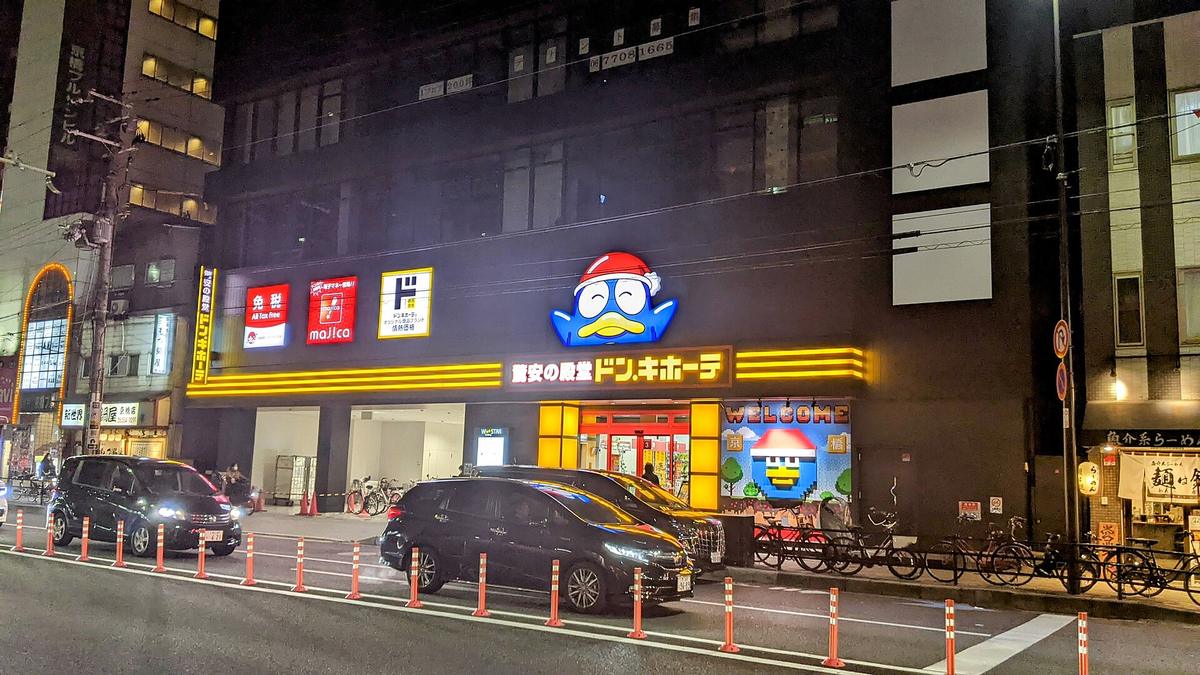
Kyobashi is bad at several things, and you should know them. It has zero named sights. There is no temple, no tower, no museum. If you walk south 1.5 kilometres you reach Osaka Castle, but you access it better from Osakajo Koen or Morinomiya stations. The accommodation here is business hotels only, single rooms from 5,000 to 9,000 yen, which is 30 to 50 percent cheaper than Namba or Umeda equivalents. The trade-off is that the area is quiet and featureless outside of evening drinking hours. If you need a morning cafe with good pour-over coffee or a riverside stroll, this is not your base. If you need a cheap room steps from a station that puts you in Umeda in six minutes, in Shinsaibashi in eight, and in Kyoto in 42 minutes, it works.

Who Should Drink Here and Who Should Skip it
How to Start Your Night
Arrive by 17:00. That is the start of the drinking window. Some venues open from 11:00 for lunch but the tachinomi scene does not wake until late afternoon. Walk the arcade, pick a bar that looks fuller than half capacity, and step inside. Order a highball and one skewer. See how the system works. If you speak no Japanese, the point-and-nod method works across hundreds of bars a night. The only failure mode is standing in a doorway and not deciding. That makes you look lost, and lost is the one thing this neighbourhood does not accommodate.
The Right Traveller for Kyobashi
This district is for the traveller who has done Dotonbori and found it too loud in the wrong way. It is for the solo drinker who wants conversation without a cover charge. It is for the person who knows that the best Osaka food does not require a 30-minute wait and a photo of the chef. It is not for the couple looking for a romantic dinner, the family with small children, or the traveller who feels unsafe in an alley where no English is spoken. If any of those apply, skip Kyobashi entirely. You will not enjoy it, and the bars will not change for you.
The single most practical move is to check the JR West website for the current Kyobashi station map. The bar district is under the tracks on the south side. Exit from the JR Loop Line gate, turn right, and walk 50 metres. The first standing bar you see with lights on and no empty seats is the one to enter. Do not over-plan it. That would defeat the point.
Other areas in Osaka
Common Questions
Do Bars In Kyobashi Accept Credit Cards?
Most tachinomi and small grills are cash only. Carry at least 5,000 yen in small notes. The running tab system means you settle at the end, not per drink, so you need to have enough cash to cover four or five drinks and several skewers.
How Do I Order Without Speaking Japanese?
Point at what someone else is eating or drinking. Point at bottles behind the counter. Many bars have photo menus or plastic food displays. Do not try to explain your preferences. The master will pour a standard beer, prepare a standard skewer, and the transaction will take ten seconds.
Is Kyobashi Safe At Night?
Yes. The area is busy with commuters until 23:00. The risk is not crime but a missed train. The JR Loop Line runs through Kyobashi until around midnight. Check the last departure time for your connecting line. A taxi from Kyobashi to central Osaka costs roughly 2,000 yen.
Can I Visit Kyobashi During The Day?
You can, but there is nothing to do. The arcade serves lunch to office workers and closes early. The drinking district does not activate until 17:00. Kyobashi is a daytime transport hub and an evening drinking zone. Do not plan a daytime itinerary around it.
How Does Kyobashi Compare To Shinsekai?
Both are cheap and local. Shinsekai has more kushikatsu, more tourists, and the Tsutenkaku tower. Kyobashi has standing bars, a commuter crowd, and almost no tourism. Shinsekai feels retro and performative. Kyobashi feels functional. Choose Shinsekai for a photo-friendly night out. Choose Kyobashi for drinking.
Read next
-
 Osaka Hotels, Sorted by Price Band and Property Type Not Neighbourhood
Osaka hotels sorted by budget and type, business towers, luxury high-rises and the few ryokan, with the trade-off each choice demands.
Osaka Hotels, Sorted by Price Band and Property Type Not Neighbourhood
Osaka hotels sorted by budget and type, business towers, luxury high-rises and the few ryokan, with the trade-off each choice demands.
-
 Where to Stay in Osaka, Pick the District That Matches Your Nights
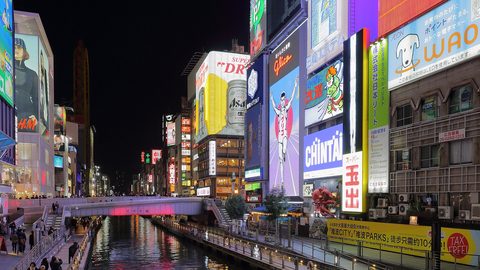
Osaka's districts switch character after sunset. Pick where to stay based on whether you want street food chaos, standing-bar crawls or a quiet lane.
Where to Stay in Osaka, Pick the District That Matches Your Nights
Osaka's districts switch character after sunset. Pick where to stay based on whether you want street food chaos, standing-bar crawls or a quiet lane.
-
 Osaka Flights Which Airport to Choose and When to Book
KIX or Itami? Which Osaka airport to fly into, when flight prices spike during cherry blossom and November, and the booking windows that matter.
Osaka Flights Which Airport to Choose and When to Book
KIX or Itami? Which Osaka airport to fly into, when flight prices spike during cherry blossom and November, and the booking windows that matter.
-
 Osaka Things to Do, What Earns a Slot in Two Full Days
Osaka is not a monument city. This page ranks what earns a slot in two full days, from Dotonbori's neon to Shinsekai's retro grit.
Osaka Things to Do, What Earns a Slot in Two Full Days
Osaka is not a monument city. This page ranks what earns a slot in two full days, from Dotonbori's neon to Shinsekai's retro grit.
-
 Best Time to Visit Osaka, Month by Month and the Trade Off Each One Asks
-
 Getting Around Osaka, The Subway, the Private Railways and the Umeda Maze
Osaka's transit is fast but fractured. The Umeda station maze, private railway tickets and the ICOCA card explained before you go.
Getting Around Osaka, The Subway, the Private Railways and the Umeda Maze
Osaka's transit is fast but fractured. The Umeda station maze, private railway tickets and the ICOCA card explained before you go.
-
 Umeda
How to navigate Umeda's multi-station maze in Osaka's Kita district: which exits to use, where to meet someone, and why the department stores are your best landmark.
Umeda
How to navigate Umeda's multi-station maze in Osaka's Kita district: which exits to use, where to meet someone, and why the department stores are your best landmark.
-
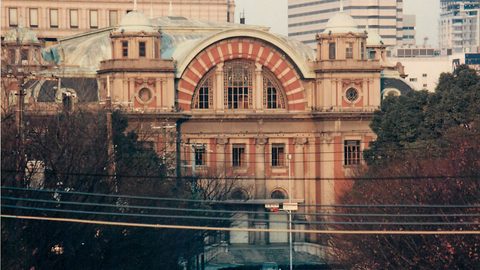 Nakanoshima
 is Osaka's museum island, a riverside strip of civic galleries, rose gardens and the quietest central walk in the city.
Nakanoshima
Nakanoshima is Osaka's museum island, a riverside strip of civic galleries, rose gardens and the quietest central walk in the city.
-
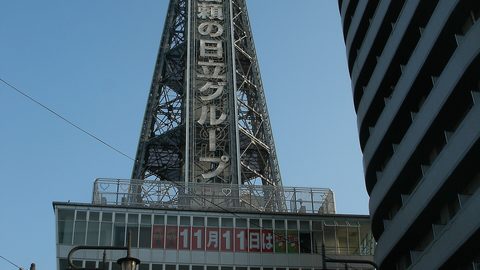 Shinsekai
 is Osaka's 1912 future district, home to kushikatsu alleys, Tsutenkaku tower and an unpolished Showa-era atmosphere that rewards the right visitor.
Shinsekai
Shinsekai is Osaka's 1912 future district, home to kushikatsu alleys, Tsutenkaku tower and an unpolished Showa-era atmosphere that rewards the right visitor.