Using Osaka as the Launch Pad for Nara, Kyoto, Himeji and Beyond
Osaka's real superpower is its station. Nara in 40 minutes, Kyoto in 29, Himeji in 63, here is every day trip with exact trains and fares.
Using Osaka as the Launch Pad for Nara, Kyoto, Himeji and Beyond
Two travellers walk out of Kansai International Airport. One booked a ryokan in Kyoto, a hotel in Nara and a temple stay on Koyasan. The other booked four nights in Osaka and nothing else. The first traveller will repack three times, check timetables for luggage-forwarding services and eat dinner in four different station convenience stores. The second traveller will drop a bag at one hotel, catch 90-minute trains in six directions and eat okonomiyaki in Dotonbori every night. Osaka's greatest value is not its own attractions. It is the transport base that makes the rest of Kansai a day trip.
What follows names exactly how to reach each destination: the station, the line operator, the train type, the travel time and the fare. No generalisations. No "take a local train". You need the specific track.
Why Osaka Beats Hotel Hopping Across Kansai
Osaka is loud, unpolished and openly obsessed with food and commerce. It moves faster than Tokyo's politeness. It feels more working class. None of that appeals to every traveller. If you want a quiet, traditionally beautiful Japanese city, Kyoto is next door and Osaka is not a substitute. Skip Osaka entirely if your idea of a city break is serene temples, minimal crowds or early nights.
But for the traveller who plans a trip around meals, wants dense bar districts without a dress code and prioritises transport convenience over beauty, Osaka is the better place to sleep. The tradeoff is real: you trade the evening atmosphere of Gion or Higashiyama for a 29-minute train ride the next morning. That is a fair trade because the rest of Kansai empties out during the day. You see the same temples, the same deer park and the same castle. You just sleep somewhere cheaper and louder.
How Many Nights to Give Osaka
Stay two full days minimum. One day for Kita, the Umeda district of business, shopping and the underground city. One day for Minami, the Namba and Shinsaibashi zone of neon, street food and nightlife. Add evenings for Dotonbori and a food crawl. A single overnight stay undersells the city.
The Shin-Osaka Trap
Common mistake: booking near Shin-Osaka because it is a Shinkansen stop. Shin-Osaka is a sterile business district with almost no nightlife or walkable food streets. The daily commute to Namba or Umeda eats 40 minutes round trip. Do not stay there.
How to Navigate Kansai Trains Without Getting Lost Before Breakfast
The Umeda Maze
Umeda is not one station. It is six stations stacked across three dimensions: JR Osaka, Hankyu Umeda, Hanshin Umeda, subway Umeda, Higashi-Umeda and Nishi-Umeda. The exits are not interchangeable. Telling someone to meet you at Umeda is meaningless. Pick a specific gate or a department store landmark. The single biggest trip up is this multi-station maze. Missed meetups happen daily. Your move: pick an exit by department store name, not by line name.
Cards, Cash and Connectivity
You need an ICOCA card or any major Japanese IC card. You cannot rely on the subway pass alone because the private railway network (Hankyu, Hanshin, Nankai, Kintetsu) uses separate terminals and separate tickets. A subway pass will not cover the Nara line or the Koyasan line. Google Maps handles the transit tangle well, but it sometimes routes you through JR when a private line is faster. Check the operator name on the result before you commit to the platform.
Cash survives in Shinsekai kushikatsu joints and small standing bars. Carry 5,000 yen in notes. Free Wi Fi is patchy. The Osaka Free Wi Fi network requires re registration every 30 minutes. A prepaid eSIM or pocket Wi Fi booked before arrival is standard practice.
| Destination | Departure Station | Line and Train Type | Travel Time | Return Fare |
|---|---|---|---|---|
| Nara | Osaka-Namba (Kintetsu) | Kintetsu Nara Line Rapid Express | 39 min | ¥1,160 (Kintetsu) |
| Kyoto | Osaka Station (JR) | JR Special Rapid (JR Kyoto Line) | 28 min | ¥1,140 (JR, unreserved) |
| Kyoto | Umeda (Hankyu) | Hankyu Kyoto Line Limited Express to Kawaramachi | 43 min | ¥820 (Hankyu) |
| Himeji | Osaka Station (JR) | JR Special Rapid (JR Kobe Line) | 62 min | ¥2,310 (JR conventional) |
| Himeji | Shin-Osaka (JR Shinkansen) | JR Sanyo Shinkansen Hikari or Sakura | 29 min | ¥4,840 (Shinkansen, unreserved) |
| Koyasan | Osaka-Namba (Nankai) | Nankai Koya Line Limited Express to Gokurakubashi + cable car | 90 min | ¥3,360 (Nankai limited express + cable car) |
| Arima Onsen | Umeda (Hankyu Bus) | Hankyu bus from Umeda | 55 min | ¥1,400 (Hankyu bus) |
| Minoh | Umeda (Hankyu) | Hankyu Minoh Line | 30 min | ¥560 (Hankyu) |
.jpg)

The Six Day Trips: Exact Routes and When to Go
Nara: 39 Minutes From Namba
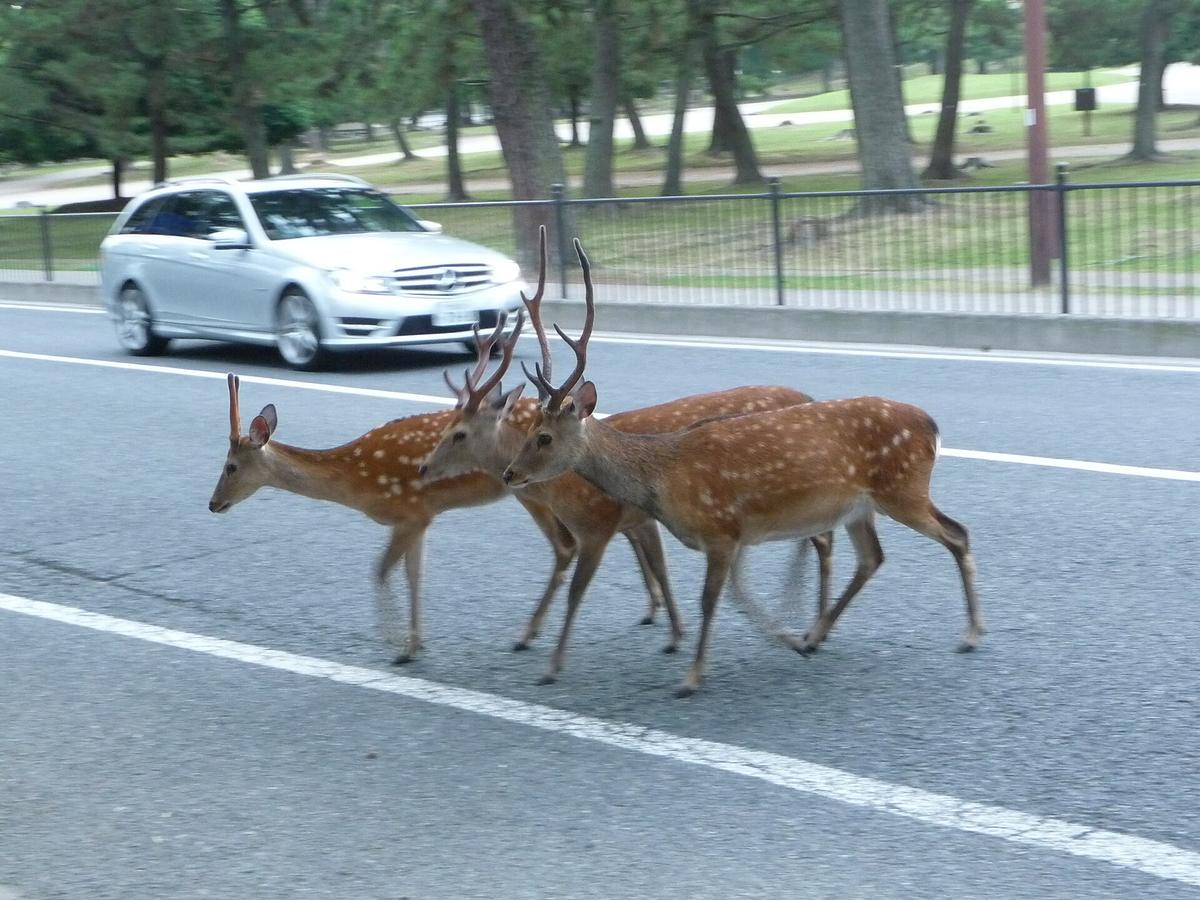
Take the Kintetsu Nara Line rapid express from Osaka-Namba. 39 minutes. 1,160 yen return. Get off at Kintetsu-Nara, which puts you closer to Nara Park and Todai-ji than JR Nara does. The main attraction is the Daibutsu, the bronze Buddha inside Todai-ji. The deer in the park will bow to you for a cracker. Do not carry food in open bags. You can do Nara alone with public transport and a walking route from Kintetsu-Nara. A tour adds guided context at Todai-ji and Kasuga Taisha, but you do not need one.
Kyoto: 28 Minutes on JR, 43 Minutes on Hankyu
Two valid routes. The JR Special Rapid from Osaka Station takes 28 minutes and costs 1,140 yen return. This puts you at JR Kyoto, which is a bus or subway ride away from Higashiyama and the northern temples. The Hankyu Kyoto Line limited express from Umeda takes 43 minutes, costs 820 yen return and delivers you to Kyoto-Kawaramachi, the heart of the shopping and dining district and a short walk to Gion. Neither route is better. Both are fast. Choose by where you want to start your day. If you plan to see four or five temples, the JR route plus a bus pass is efficient. If you plan to wander the eastern hills on foot, the Hankyu route saves the transfer from Kyoto. Solo travel with public transport and pre-booked entry for popular sights is sufficient. A tour adds guided commentary on temple history and logistics. Kinkaku-ji and Fushimi Inari are reachable either way, but go early. The crowds at Fushimi Inari build by 09:00.
Himeji: 62 Minutes by JR Conventional, 29 Minutes by Shinkansen
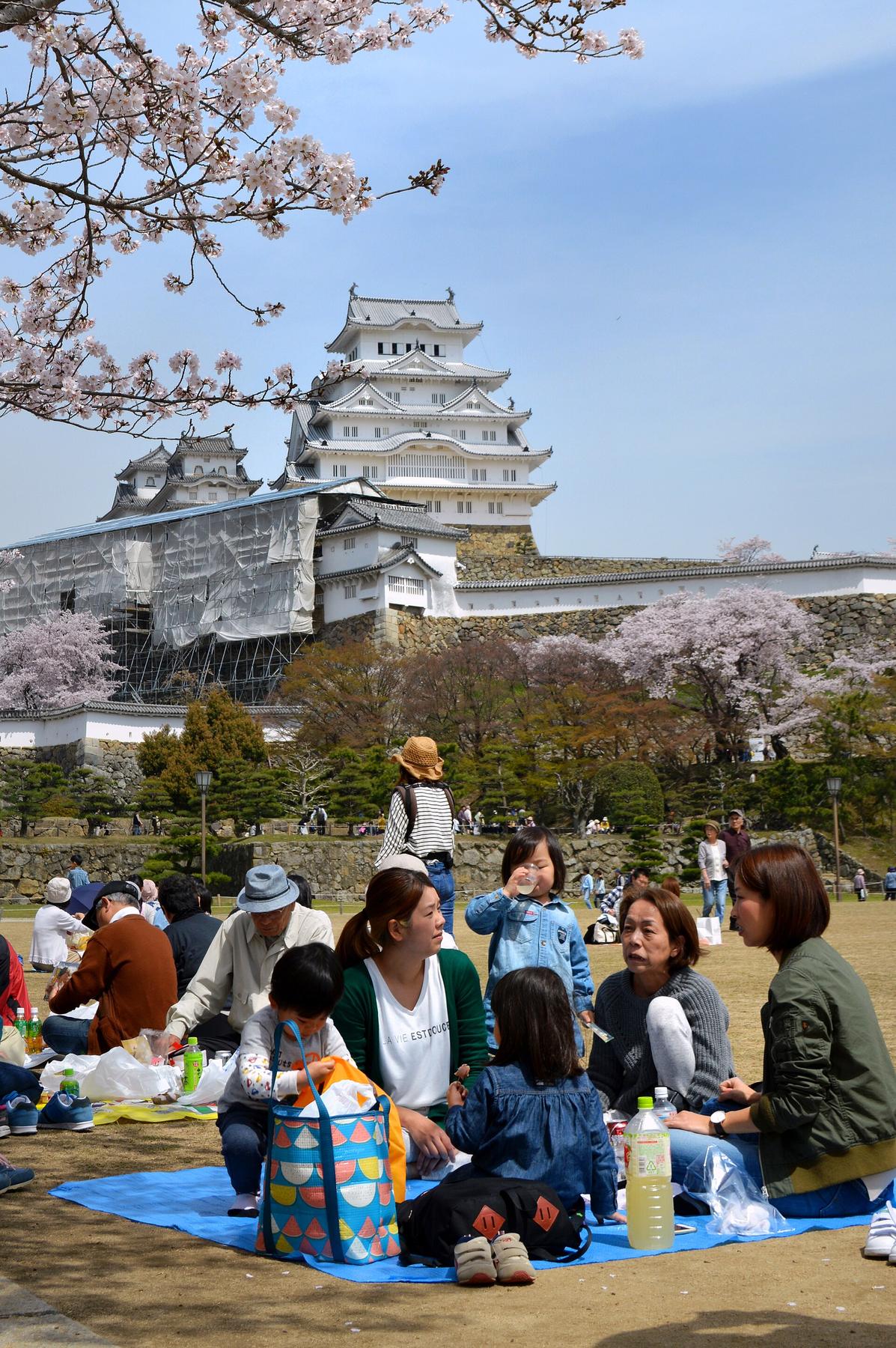
Japan's finest original castle. The keep is a concrete reconstruction, but the grounds and the engineering are the real draw. Two routes. The JR Special Rapid from Osaka Station takes 62 minutes and costs 2,310 yen return. The Shinkansen from Shin-Osaka takes 29 minutes and costs 4,840 yen return. The Shinkansen saves 33 minutes each way. If you take the conventional train, use the JR Kansai Area Pass (1 day, 2,400 yen at the rate set by JR West) and the trip becomes a near break even. If you take the Shinkansen, you need the JR Kansai WIDE Area Pass (5 day, 12,000 yen at the rate at the time of writing). The castle interior is a self guided audio tour. A tour adds skip the line entry and an English guide, but alone with the audio guide is sufficient. Arrive by 09:00 to avoid the queue for the main keep.
Koyasan: 90 Minutes by Nankai Limited Express and Cable Car
Take the Nankai Koya Line limited express from Osaka-Namba to Gokurakubashi, then the cable car up the mountain. 90 minutes total. 3,360 yen return. The Koyasan World Heritage Ticket (2 day, 3,390 yen from Namba at the rate set by Nankai) covers the round trip, the cable car and the bus pass on the mountain. You need the bus pass. The temple lodging and the Okunoin cemetery are the reasons to go. A tour adds temple lodging booking and a cemetery night walk guide. Doing it alone is feasible, but temple lodging requires Japanese-language booking. Do this as an overnight, not a day trip. Last cable car down is early and you lose the atmosphere of the cemetery after dark.
Arima Onsen: 55 Minutes by Hankyu Bus
The hot spring town on the other side of Mount Rokko. Take the Hankyu bus from Umeda. 55 minutes. 1,400 yen return by bus, though the actual fare depends on the operator's current tariff published on the Hankyu Bus site. Soak in the iron rich Kinsen or the clear Ginsen baths. Do this on a day when you have walked enough. The town is small. A few hours is enough. No tour needed. Bus schedules are sparse in the afternoon. Check the return times before you go in.
Minoh: 30 Minutes for a Waterfall and Fried Maple Leaves
Take the Hankyu Minoh Line from Umeda. 30 minutes. 560 yen return. Walk the path to Minoh Waterfall. In autumn, buy momiji tempura, fried maple leaves, from the stalls near the station. This is not a full day trip. It is a half day. Combine it with nothing else. Go in November for the foliage. Skip it in summer when the heat and humidity make the walk less pleasant.
Common Questions
Which pass covers the most day trips from Osaka?
The JR Kansai Area Pass (1 day, 2,400 yen at the rate set by JR West) covers the conventional JR routes to Kyoto, Nara, Himeji and Kobe but does not cover the Shinkansen to Himeji or the private railways to Koyasan and Arima Onsen. The Hankyu Tourist Pass (1 day, 800 yen at the rate at the time of writing) covers the Hankyu routes to Kyoto, Kobe and Arashiyama but not JR or Nankai. There is no single pass that works for all six destinations. For most travellers, the best strategy is to buy one pass only if your specific day trip uses the corresponding operator and buy individual tickets for everything else.
Can I do Himeji and Kobe in one day from Osaka?
Yes, but only if you skip the Himeji castle interior or the Kobe waterfront. Himeji castle requires two hours minimum. Kobe requires another two hours for the waterfront, Kitano and a quick meal. The JR Special Rapid from Osaka to Himeji takes 62 minutes. From Himeji to Sannomiya takes another 30 minutes on the same line. You will spend four hours on trains. A more practical approach: pick one.
What is the cheapest way to reach Koyasan from Osaka?
The Koyasan World Heritage Ticket (2 day, 3,390 yen from Namba at the rate set by Nankai) is cheaper than individual tickets and includes the bus pass on the mountain. Do not buy a one way ticket expecting to save money. The mountain bus alone costs over 800 yen one way.
Should I buy the Kintetsu Rail Pass for a Nara day trip?
The Kintetsu Rail Pass 1 day costs more than the return fare from Osaka-Namba (1,160 yen). The pass only pays off if you also use it for local Kintetsu trains within Nara, which most visitors do not. Buy the standard return ticket unless you are combining the trip with a second Kintetsu journey.
Can I visit Arashiyama and Uji from Osaka in one day?
Not comfortably. Both are on the same JR line from Osaka, but Arashiyama is on the west side of Kyoto and Uji is on the southeast. The combined train time exceeds two hours. The bamboo grove at Arashiyama requires an early start to avoid crowds. Byodo in at Uji closes at 17:00. Pick one. The cheaper choice is Arashiyama via Hankyu (820 yen return) rather than JR (1,340 yen return).
Read next
-
 Osaka Hotels, Sorted by Price Band and Property Type Not Neighbourhood
Osaka hotels sorted by budget and type, business towers, luxury high-rises and the few ryokan, with the trade-off each choice demands.
Osaka Hotels, Sorted by Price Band and Property Type Not Neighbourhood
Osaka hotels sorted by budget and type, business towers, luxury high-rises and the few ryokan, with the trade-off each choice demands.
-
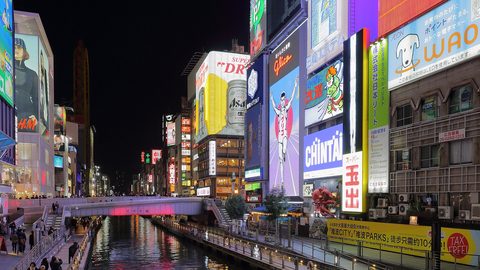 Where to Stay in Osaka, Pick the District That Matches Your Nights
Osaka's districts switch character after sunset. Pick where to stay based on whether you want street food chaos, standing-bar crawls or a quiet lane.
Where to Stay in Osaka, Pick the District That Matches Your Nights
Osaka's districts switch character after sunset. Pick where to stay based on whether you want street food chaos, standing-bar crawls or a quiet lane.
-
 Osaka Flights Which Airport to Choose and When to Book
KIX or Itami? Which Osaka airport to fly into, when flight prices spike during cherry blossom and November, and the booking windows that matter.
Osaka Flights Which Airport to Choose and When to Book
KIX or Itami? Which Osaka airport to fly into, when flight prices spike during cherry blossom and November, and the booking windows that matter.
-
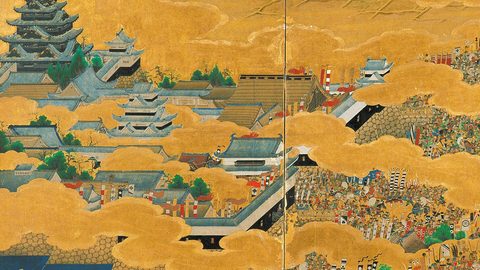 Osaka Things to Do, What Earns a Slot in Two Full Days
Osaka is not a monument city. This page ranks what earns a slot in two full days, from Dotonbori's neon to Shinsekai's retro grit.
Osaka Things to Do, What Earns a Slot in Two Full Days
Osaka is not a monument city. This page ranks what earns a slot in two full days, from Dotonbori's neon to Shinsekai's retro grit.
-
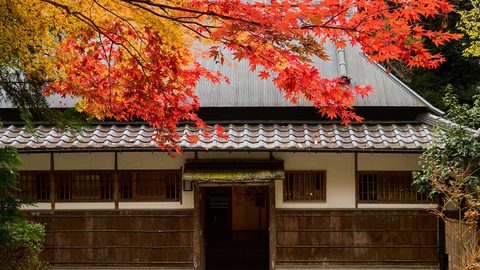 Best Time to Visit Osaka, Month by Month and the Trade Off Each One Asks
-
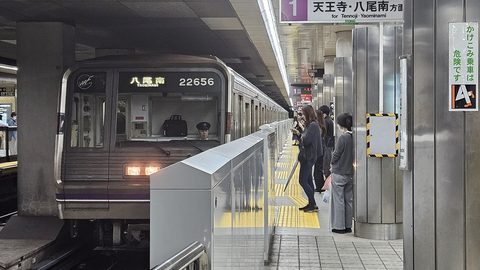 Getting Around Osaka, The Subway, the Private Railways and the Umeda Maze
Osaka's transit is fast but fractured. The Umeda station maze, private railway tickets and the ICOCA card explained before you go.
Getting Around Osaka, The Subway, the Private Railways and the Umeda Maze
Osaka's transit is fast but fractured. The Umeda station maze, private railway tickets and the ICOCA card explained before you go.
-
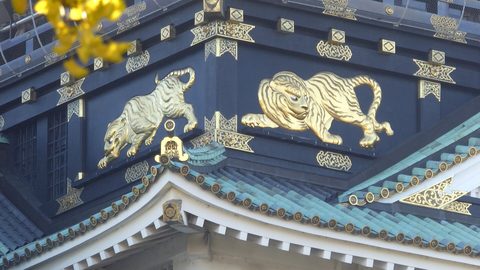 Osaka Castle
's park and moat walks outshine the concrete-reconstructed keep, which houses a museum and observation deck rather than original interiors.
Osaka Castle
Osaka Castle's park and moat walks outshine the concrete-reconstructed keep, which houses a museum and observation deck rather than original interiors.
-
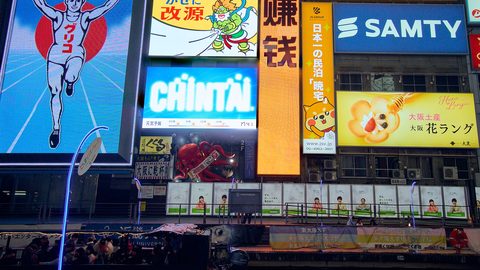 Dotonbori
 is Osaka's neon-lit eating canal, best used as a full-evening food and bar crawl rather than a quick Glico Sign photo stop.
Dotonbori
Dotonbori is Osaka's neon-lit eating canal, best used as a full-evening food and bar crawl rather than a quick Glico Sign photo stop.
-
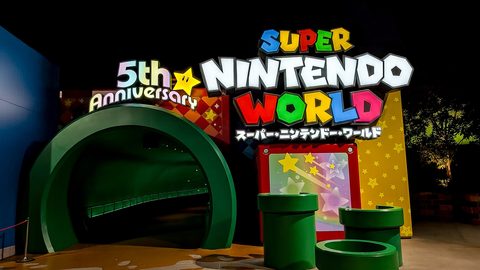 Universal Studios Japan
 demands a full day and a pre-purchased timed-entry ticket; here is whether USJ is worth it and how the ticketing actually works.
Universal Studios Japan
Universal Studios Japan demands a full day and a pre-purchased timed-entry ticket; here is whether USJ is worth it and how the ticketing actually works.