Osaka Retail by District and the Purchases That Make Sense Here
Osaka shopping means kitchenware in Doguyasuji, vintage in Amerikamura and otaku finds in Den Den Town. Here is which street to walk.
Most Visitors Waste Their First Morning in Osaka
You walk into a department store in Umeda, see the same Uniqlo that exists in your home city, buy a pair of socks out of impatience, and call it shopping. That is the wrong way. Osaka is not Tokyo. It does not sell a polished version of itself through multi-floor luxury atriums. Osaka sells kitchen knives from a covered arcade near Namba, vintage denim out of a converted warehouse in Amerikamura, and a plastic octopus for a restaurant sign near Doguyasuji. The question is not where to shop. The question is what to buy and which district sells it best. Match each neighbourhood to one purchase category and ignore the rest.
Doguyasuji: Knives, Cookware and Plastic Food
Buy Knives Where the Chefs Buy Them
The covered arcade of Sennichimae Doguyasuji, tucked between Namba and Den Den Town, is the only place in this city where you should spend money on kitchen gear. The street sells to restaurant owners. That is the signal that the quality is professional and the prices are wholesale-adjacent. Look for Sakai-made knives. Sakai is the knife-making region near Osaka, and the blades here cost less than half what the same brand charges through a Tokyo distributor. A single petty knife or a gyuto runs between ¥8,000 and ¥15,000 depending on steel grade and handle material. Test the balance in your hand before buying. The shop staff expect it.
Beyond knives, the arcade sells copper pots, handcrafted sake sets, and the plastic food samples that line Dotonbori restaurant windows. A realistic slice of plastic watermelon or a bowl of ramen with individual noodles cast in resin costs ¥1,500 to ¥4,000. They pack flat. They survive the flight. They are the souvenir that impresses more than a fridge magnet from the Glico sign.
Where Not to Buy Kitchen Gear
Do not buy knives from a department store depachika. The markup for non-professional buyers is 30 percent higher for the same Sakai brand. Do not buy at Kuromon Market either. Kuromon is for eating, not for serious kitchenware procurement.

Amerikamura: Vintage Streetwear That Costs 20 Percent Less Than Tokyo
Where the Real Finds Live
West of Midosuji, in a grid of narrow lanes around Triangle Park, Amerikamura is Osaka’s concentrated answer to Koenji and Shimokitazawa combined into a walkable square kilometre. Prices for 1980s and 1990s Americana, used denim, and deadstock sneakers run 10 to 20 percent lower than equivalent stock in Tokyo. The density of used musical instruments and vinyl records surpasses any single Tokyo neighbourhood.
Target Kindal and its multiple branches for well-sorted denim and outerwear. Target 2nd Street for fast turnover on Japanese brands like Kapital and orSlow. JAM and Kinji fill the gap for workwear and military surplus. The rule: if a piece has visible wear and a brand label you recognise, buy it immediately. The same rack will be picked over by noon on a Saturday.
What to Skip
Skip Orange Street unless you want furniture and mid-century home goods. Skip the American chain vintage stores that have prices near retail. The real finds live in the unmarked second-floor shops above the record stores.
Den Den Town: Otaku Goods Without the Akihabara Markup
Cheaper Than Tokyo, but Only for the Right Items
The stretch of Sakaisuji called Den Den Town, or Nipponbashi, is the electronics and otaku retail corridor. It does what Akihabara does, but at lower rent and therefore lower prices. Anime figures, retro game cartridges, and model kits cost 10 to 15 percent less here than in Tokyo.
For current-series figures and sealed box sets, hit the multi-floor shops near the Nipponbashi intersection. For retro games, dig into the back shelves of the smaller stores toward the southern end of the arcade. A loose Super Famicom cartridge of a sought-after title runs ¥1,000 to ¥3,000. A boxed copy of a late-90s PlayStation RPG in good condition runs ¥5,000 to ¥12,000. Compare with the same item in Akihabara and you save the price of a takoyaki dinner.
What Not to Buy and How to Pay
Do not buy electronics with global warranties here. Sony cameras and Apple products are priced near US MSRP or above. The weak yen creates the illusion that everything is cheap, but the electronics wholesalers have already adjusted. Stick to things that have no international distribution: region-locked games, gacha collections, obscure manga. And cash. Carry notes. Half the retro stalls do not take cards.
What is Genuinely Cheaper in Japan and What is Not
Cosmetics, Denim and Whisky: The Real Savings
Japanese-brand cosmetics from Shiseido and SK-II are cheaper than the same bottle in Hong Kong or Singapore, let alone London or New York. Buy at a drugstore or a dedicated cosmetics shop inside a department store. The tax-free threshold is ¥5,000 per store per day. Anything above that saves you the 10 percent consumption tax. The tax-free bag gets sealed at the register. Pack it in carry-on luggage because customs at KIX occasionally checks for unsealed bags.
Domestic denim from Momotaro and Pure Blue Japan costs less in Osaka than through any overseas stockist. The outlet shops near the bay area sometimes carry factory-seconds with minor stitching flaws at 40 percent off. Japanese whisky from Nikka and Suntory remains cheaper at domestic retail than at any export market, but age-statement bottles are scarce. Check the distillery’s own published retail list before deciding.
The Weak Yen Trap
Imported luxury brands like Louis Vuitton and Chanel are not cheaper in yen. The weak yen illusion fools you into thinking the conversion works in your favour, but the Japanese retail price is set to match or exceed the home market. Electronics with global warranties, Sony and Apple included, sit at or above US MSRP. Do not buy a camera body here unless it is a domestic-only model.
Shinsaibashi-Suji and the One Thing it Does Well
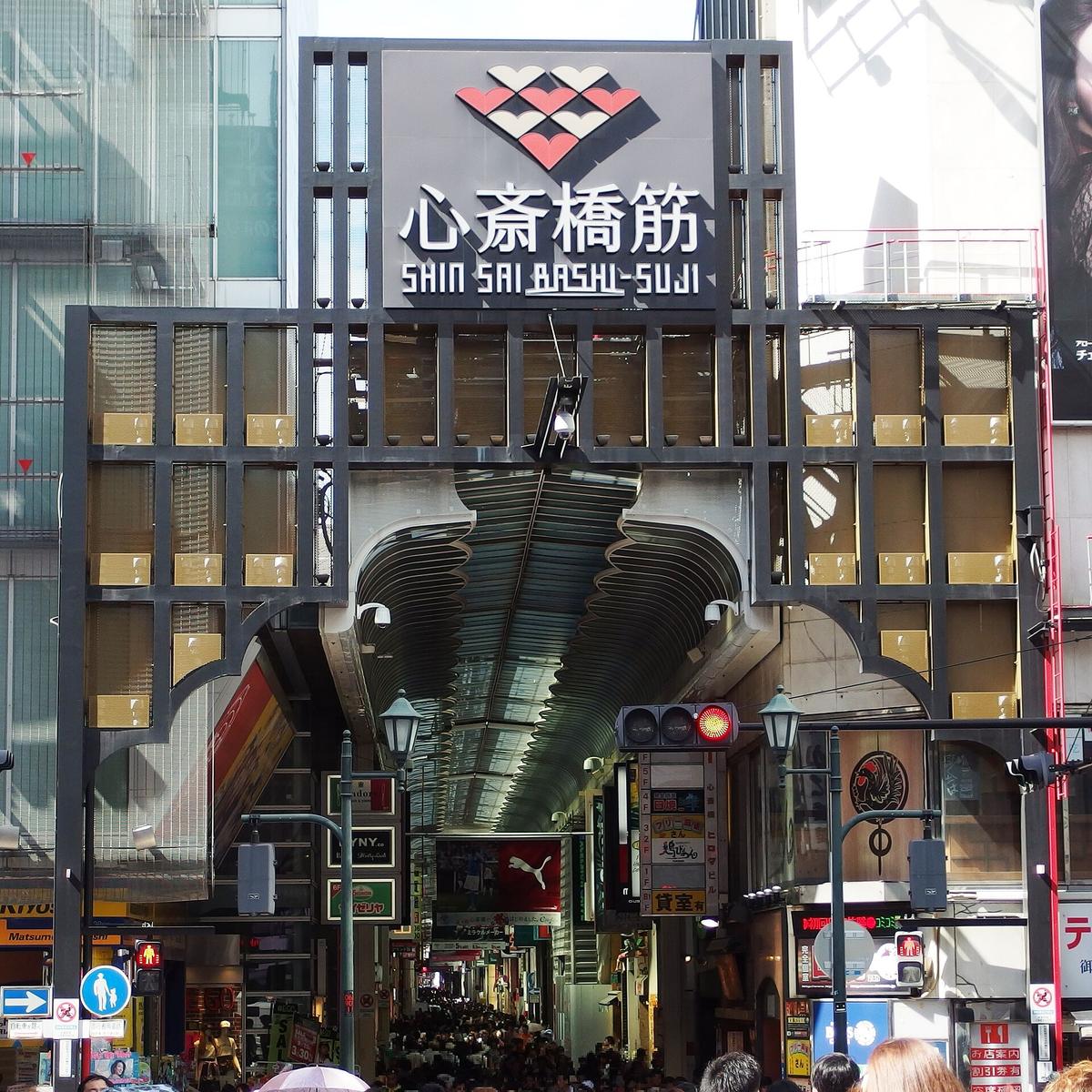
The covered arcade called Shinsaibashi-suji runs parallel to the canal and sells fashion, accessories, cosmetics, and drugstore goods. It is not a destination. It is a corridor you pass through to reach the side streets. The one legitimate purchase here is drugstore cosmetics and over-the-counter medicine. Matsumoto Kiyoshi and a dozen smaller drugstores line the arcade. Compare prices between the first and the third store you see; the same bottle of Rohto eye drops can vary by ¥200. Buy in bulk at the store with the lowest per-unit price and claim the tax-free refund at checkout.
Skip the shoe stores and the fast-fashion chains. They are the same as every other city in Japan. Skip the storefronts advertising “tax-free” in English. They target tourists who did not check prices beforehand.

Why Umeda Department Stores Are a Side Quest, Not the Main Quest
Hankyu Umeda, Hanshin Umeda, and Daimaru Umeda each have basement food halls called depachika where you buy high-end packaged food: matcha kitkats from Kyoto, pickled vegetables from Nara, and seasonal wagashi. The selection is good. The convenience is excellent because the depachika sits directly above the station concourse. But you pay department-store rent markup of roughly 15 percent over the same product sold at a dedicated shop in the source city. If you are here on a two-day trip, use the depachika only for gifts that wrap nicely and survive a suitcase. The real procurement happens in the districts above.
The Shopping Itinerary That Uses Your Limited Days Well
Day One: Knives, Games and Dotonbori
Morning: Doguyasuji. Arrive at 10:00 when the shutters go up. Buy the knife and the plastic food sample first, because the arcade fills with tour groups after 11:30. Walk south into Den Den Town for the afternoon. Target the retro game stores before 14:00, when the secondary-school crowd arrives for the figure shops. Evening belongs to Dotonbori for eating, not buying.
Day Two: Vintage, Drugstore and the Exit Gift
Morning: Amerikamura. Start at Triangle Park and walk the side streets outward. Hit Kindal and 2nd Street before lunch. Afternoon: Shinsaibashi-suji for drugstore cosmetics. Skip the rest. Evening: depachika at Hankyu Umeda for sealed gift boxes on the way back to the hotel. That is two days of procurement that uses each district for its strength and ignores everything else.
Who This Shopping Style Suits and Who Should Skip it
This approach suits the traveller who wants one excellent knife and one specific vintage jacket rather than a suitcase of generic souvenirs. It suits the repeat visitor who already bought the Uniqlo in Tokyo and now wants the things that Japan does not export. It suits the solo traveller who will spend 40 minutes in a single retro game store and call it a successful afternoon.
It does not suit the person who wants to browse department stores in air-conditioned comfort and buy a single branded handbag as the trip’s trophy. That traveller should pick Umeda and ignore the districts. It does not suit anyone who has fewer than two full days in Osaka. A single overnight forces you into Shinsaibashi-suji for convenience, and that corridor sells convenience, not character. Osaka’s retail architecture demands neighbourhood-hopping. If you cannot hop, pick Kyoto for shopping instead. Kyoto’s commercial centre is compact and easy. Osaka rewards the willing walker.
Common Questions
Can I combine tax-free purchases from different stores to reach the ¥5,000 threshold?
No. The ¥5,000 minimum spend applies per store per day, not across stores. Each tax-free transaction must hit that threshold individually. Drugstores often combine consumables and general goods in one receipt, but confirm at the register.
Is it better to buy a kitchen knife at Doguyasuji or order one online before the trip?
Doguyasuji. Online prices for Sakai-made knives include international shipping and import duties that erase the Japan discount. In the arcade you test the handle, check the grind, and pay the domestic price. Skip pre-ordering.
Does Den Den Town have staff who speak English for anime merchandise purchases?
Rarely. The retro game and figure stalls are run by specialists who expect domestic customers. Point at what you want and use a calculator to negotiate if the price is not marked. Google Translate works for basic questions.
Should I avoid Shinsekai for any type of shopping?
Yes. Shinsekai is for kushikatsu and atmosphere, not procurement. The souvenir shops near Tsutenkaku sell generic goods at inflated prices. Buy your Osaka towel and keychain at a Don Quijote in Namba instead.
Read next
-
 Osaka Hotels, Sorted by Price Band and Property Type Not Neighbourhood
Osaka hotels sorted by budget and type, business towers, luxury high-rises and the few ryokan, with the trade-off each choice demands.
Osaka Hotels, Sorted by Price Band and Property Type Not Neighbourhood
Osaka hotels sorted by budget and type, business towers, luxury high-rises and the few ryokan, with the trade-off each choice demands.
-
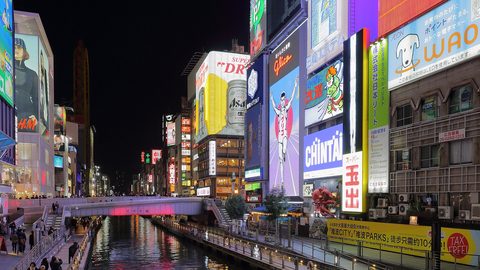 Where to Stay in Osaka, Pick the District That Matches Your Nights
Osaka's districts switch character after sunset. Pick where to stay based on whether you want street food chaos, standing-bar crawls or a quiet lane.
Where to Stay in Osaka, Pick the District That Matches Your Nights
Osaka's districts switch character after sunset. Pick where to stay based on whether you want street food chaos, standing-bar crawls or a quiet lane.
-
 Osaka Flights Which Airport to Choose and When to Book
KIX or Itami? Which Osaka airport to fly into, when flight prices spike during cherry blossom and November, and the booking windows that matter.
Osaka Flights Which Airport to Choose and When to Book
KIX or Itami? Which Osaka airport to fly into, when flight prices spike during cherry blossom and November, and the booking windows that matter.
-
 Osaka Things to Do, What Earns a Slot in Two Full Days
Osaka is not a monument city. This page ranks what earns a slot in two full days, from Dotonbori's neon to Shinsekai's retro grit.
Osaka Things to Do, What Earns a Slot in Two Full Days
Osaka is not a monument city. This page ranks what earns a slot in two full days, from Dotonbori's neon to Shinsekai's retro grit.
-
 Best Time to Visit Osaka, Month by Month and the Trade Off Each One Asks
-
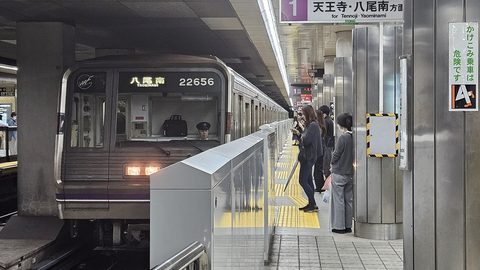 Getting Around Osaka, The Subway, the Private Railways and the Umeda Maze
Osaka's transit is fast but fractured. The Umeda station maze, private railway tickets and the ICOCA card explained before you go.
Getting Around Osaka, The Subway, the Private Railways and the Umeda Maze
Osaka's transit is fast but fractured. The Umeda station maze, private railway tickets and the ICOCA card explained before you go.
-
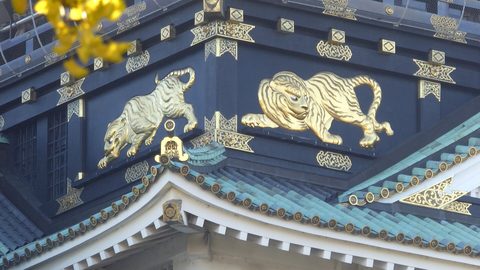 Osaka Castle
's park and moat walks outshine the concrete-reconstructed keep, which houses a museum and observation deck rather than original interiors.
Osaka Castle
Osaka Castle's park and moat walks outshine the concrete-reconstructed keep, which houses a museum and observation deck rather than original interiors.
-
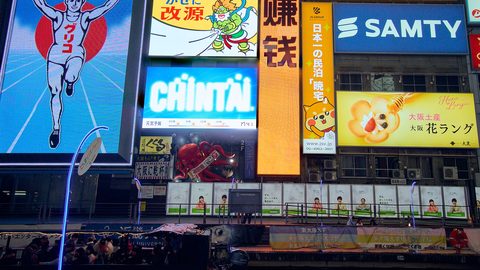 Dotonbori
 is Osaka's neon-lit eating canal, best used as a full-evening food and bar crawl rather than a quick Glico Sign photo stop.
Dotonbori
Dotonbori is Osaka's neon-lit eating canal, best used as a full-evening food and bar crawl rather than a quick Glico Sign photo stop.
-
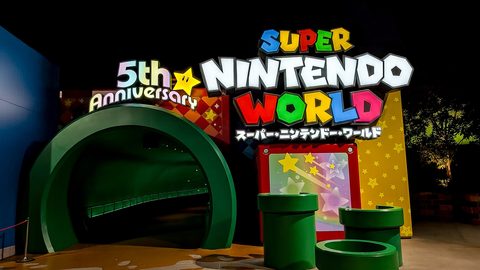 Universal Studios Japan
 demands a full day and a pre-purchased timed-entry ticket; here is whether USJ is worth it and how the ticketing actually works.
Universal Studios Japan
Universal Studios Japan demands a full day and a pre-purchased timed-entry ticket; here is whether USJ is worth it and how the ticketing actually works.