Amerikamura Osaka Youth Fashion and Second-Hand Shopping District
Amerikamura is Osaka's youth fashion hub, packed with vintage clothing stores, streetwear boutiques, and record shops radiating from Triangle Park.
- Flag
-
- ISO code
- JP
- Currency
- JPY
- Timezone
- Asia/Tokyo
Sunday Afternoon in Triangle Park
Come on a weekend afternoon. Triangle Park, official name Sankaku Koen, is a triangular concrete plaza where two pedestrian alleys meet. By 15:00 the benches are full, skaters scrape across the paving, and someone is selling vintage T-shirts from a cardboard box. This is the heart of Amerikamura, Osaka's street-fashion and second-hand district. A gathering ground for the city's street tribes. Show up on a Tuesday at 11:30 and six shops are shut, the plaza is empty, and you will wonder what the point is. Come on a weekend afternoon.
The Layout And The Crowd
Amerikamura covers roughly 0.1 square kilometres, bounded by Midosuji to the east, Nagahori-dori to the north, Yotsubashi-suji to the west, and Dotonbori to the south. One block east, across Midosuji, is the Shinsaibashi-suji covered arcade with its department stores and luxury boutiques. The contrast is the point. Amerikamura has no covered arcade and no chains. Open air, narrow alleys, independent shops. The street layout is a grid you can walk easily, but the real geography is the crowd flow. It is heaviest on Sunday afternoon, when the whole 0.1 square kilometres feels like a block party.

The Retail Mix: Vintage, Streetwear and Records
The name Amerikamura is a contraction of America-mura, coined in the 1970s when warehouse sales of imported American clothing and denim, led by shops like Big Step, turned this neighbourhood into Osaka's destination for second-hand fashion. The 1990s was the peak era, when gyaru and street-fashion subcultures made it the city's centre of gravity. That history is still the commercial logic. The shops here are not selling new-season trends. They sell used clothes graded by condition, brand desirability, era of manufacture, and rarity.
How To Judge Second-Hand Prices
Japan uses a grading system from A to D or 1 to 5. A or 1 means like-new. D or 5 means damaged or heavily worn. A used T-shirt runs from ¥500 to ¥3,000. Vintage denim, especially a pre-2000 Levi's 501, goes from ¥5,000 to ¥30,000 or more. Designer pieces fall between ¥3,000 and ¥50,000+. The pricing here runs 10 to 20 percent lower than equivalent shops in Tokyo. That is not a discount for lower quality. That is the Osaka effect.
Start At Big Step
Begin at Big Step, the multi-storey vintage complex that started it all. Inside you will find multiple vintage and streetwear shops under one roof. Streetwear buyers should look for independent Osaka labels and resale of global brands. A Bathing Ape had early stockists here before its global expansion. Beyond Big Step, the concentration of second-hand and vintage clothing shops is the highest in Osaka. No other district comes close.
Records, Not Just Clothes
Amerikamura also holds dedicated vinyl and used-CD shops. King Kong Records spreads across multiple floors with vinyl, CDs, and cassettes. Time Bomb Records focuses on punk, hardcore, and alternative vinyl. If you are looking for something outside mainstream Japanese pop, start at Time Bomb. If you want breadth, start at King Kong.
Triangle Park and the Youth Culture
Triangle Park, officially named Sankaku Koen and sometimes called Mitsudera Kaigan Park by the municipal authority, is the meeting point. It is not a park in any green sense. A triangular concrete plaza at the intersection of two pedestrian alleys. All day it gathers street musicians, skaters, vintage-clothing sellers, and people-watchers. Weekend afternoons through evening the crowds spill into surrounding streets. The plaza becomes the stage. Look for the Peace On Earth mural, painted in 1983 by artist Seitaro Kuroda, covering the western wall of a building facing the park. It is roughly 7 metres by 20 metres. A Statue of Liberty replica, about 3 metres tall, sits on the rooftop of a building on the western edge of Amerikamura. It was installed in 2000. You will notice it from the street.
Amerikamura is sometimes described as Harajuku-lite, and that positioning is accurate. It is smaller in footprint than Harajuku's Takeshita-dori, less curated, and has fewer flagship stores. Compare it to Koenji in Tokyo, and Amerikamura tilts heavily toward American-import and streetwear rather than Koenji's punk and vintage emphasis. What that means for you: cover the main shopping streets in two to three hours, but come back on a weekend to see the scene, not just the stock.
What This Area is Bad at
Amerikamura is bad at mornings. Most shops open between 11:00 and 12:00, and close between 20:00 and 21:00. Arrive at 10:00 on a weekday and you are walking through a concrete neighbourhood that has not woken up. It is bad at quiet. The weekend crowd is dense, loud, and young. If you want curated vintage displayed in a boutique with good lighting, this is not that. Shops are cramped, clothes are densely packed, and the grading labels are often in Japanese. Check the tags and know what you are looking for. It is also bad for luxury. The Shinsaibashi-suji arcade across Midosuji handles that. Come here for the hunt, not the transaction.
One more practical thing. The street activity peaks after 14:00 and the alleys are narrow. Bring water. There are few cafes with seating, and the ones that exist fill fast.
How Amerikamura Compares to Harajuku
The comparison to Harajuku is inevitable, and the differences matter for your planning. Amerikamura is smaller. It has fewer flagship stores, so if you need a specific Japanese streetwear brand's main store, you may need Tokyo. But the pricing is 10 to 20 percent lower than Tokyo equivalents, and the crowd is less performative. This is where Osaka's actual street-fashion tribes gather, not where tourists pose for photographs. The stakes feel lower. Browse for an hour without anyone trying to sell you anything. The major caveat: if you are only in Osaka for one day, skip Amerikamura. Use that day for Minami and Dotonbori. Amerikamura requires a weekend afternoon when you have nothing else scheduled and can let the neighbourhood pull you along.
Other areas in Osaka
Common Questions
Is Amerikamura the same as Harajuku?
No. Amerikamura is smaller, less curated, has fewer flagship stores, and pricing runs 10 to 20 percent lower. It is Harajuku-lite, not a copy.
What is the best day to visit Amerikamura?
Sunday afternoon. Shops are open from around 11:00 to 21:00, but the street scene peaks from 14:00 through evening. A weekday morning will be mostly empty.
How long should I spend in Amerikamura?
Allow two to three hours for shopping if you are focused. Add another hour to sit in Triangle Park and watch the scene. Do not plan a full day around it.
What is the pricing for vintage clothes in Amerikamura?
Used T-shirts run from ¥500 to ¥3,000. Pre-2000 Levi's 501 jeans cost ¥5,000 to ¥30,000. Designer pieces range from ¥3,000 to ¥50,000. Overall 10 to 20 percent below Tokyo.
Is Amerikamura worth visiting for someone who does not shop for clothes?
Only if you want to see Osaka's street culture up close. The record shops, the murals, and Triangle Park are worth a wander. But the main draw is the retail. If you are not browsing for vintage or streetwear, one hour is enough.
Read next
-
 Osaka Hotels, Sorted by Price Band and Property Type Not Neighbourhood
Osaka hotels sorted by budget and type, business towers, luxury high-rises and the few ryokan, with the trade-off each choice demands.
Osaka Hotels, Sorted by Price Band and Property Type Not Neighbourhood
Osaka hotels sorted by budget and type, business towers, luxury high-rises and the few ryokan, with the trade-off each choice demands.
-
 Where to Stay in Osaka, Pick the District That Matches Your Nights
Osaka's districts switch character after sunset. Pick where to stay based on whether you want street food chaos, standing-bar crawls or a quiet lane.
Where to Stay in Osaka, Pick the District That Matches Your Nights
Osaka's districts switch character after sunset. Pick where to stay based on whether you want street food chaos, standing-bar crawls or a quiet lane.
-
 Osaka Flights Which Airport to Choose and When to Book
KIX or Itami? Which Osaka airport to fly into, when flight prices spike during cherry blossom and November, and the booking windows that matter.
Osaka Flights Which Airport to Choose and When to Book
KIX or Itami? Which Osaka airport to fly into, when flight prices spike during cherry blossom and November, and the booking windows that matter.
-
 Osaka Things to Do, What Earns a Slot in Two Full Days
Osaka is not a monument city. This page ranks what earns a slot in two full days, from Dotonbori's neon to Shinsekai's retro grit.
Osaka Things to Do, What Earns a Slot in Two Full Days
Osaka is not a monument city. This page ranks what earns a slot in two full days, from Dotonbori's neon to Shinsekai's retro grit.
-
 Best Time to Visit Osaka, Month by Month and the Trade Off Each One Asks
-
 Getting Around Osaka, The Subway, the Private Railways and the Umeda Maze
Osaka's transit is fast but fractured. The Umeda station maze, private railway tickets and the ICOCA card explained before you go.
Getting Around Osaka, The Subway, the Private Railways and the Umeda Maze
Osaka's transit is fast but fractured. The Umeda station maze, private railway tickets and the ICOCA card explained before you go.
-
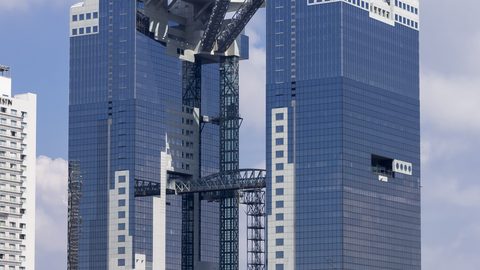 Umeda
How to navigate Umeda's multi-station maze in Osaka's Kita district: which exits to use, where to meet someone, and why the department stores are your best landmark.
Umeda
How to navigate Umeda's multi-station maze in Osaka's Kita district: which exits to use, where to meet someone, and why the department stores are your best landmark.
-
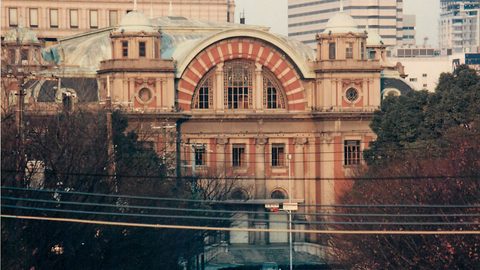 Nakanoshima
 is Osaka's museum island, a riverside strip of civic galleries, rose gardens and the quietest central walk in the city.
Nakanoshima
Nakanoshima is Osaka's museum island, a riverside strip of civic galleries, rose gardens and the quietest central walk in the city.
-
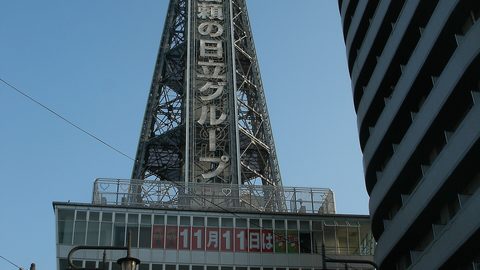 Shinsekai
 is Osaka's 1912 future district, home to kushikatsu alleys, Tsutenkaku tower and an unpolished Showa-era atmosphere that rewards the right visitor.
Shinsekai
Shinsekai is Osaka's 1912 future district, home to kushikatsu alleys, Tsutenkaku tower and an unpolished Showa-era atmosphere that rewards the right visitor.