A Walk From the Nakameguro Canal to the Quiet Streets of Daikanyama
Walk the Nakameguro canal past cherry trees and design shops, then climb the hill into Daikanyama's calm boutiques and quiet residential streets.
- Flag
-

- ISO code
- JP
- Currency
- JPY
- Timezone
- Asia/Tokyo
A Walk from the Nakameguro Canal to the Quiet Streets of Daikanyama
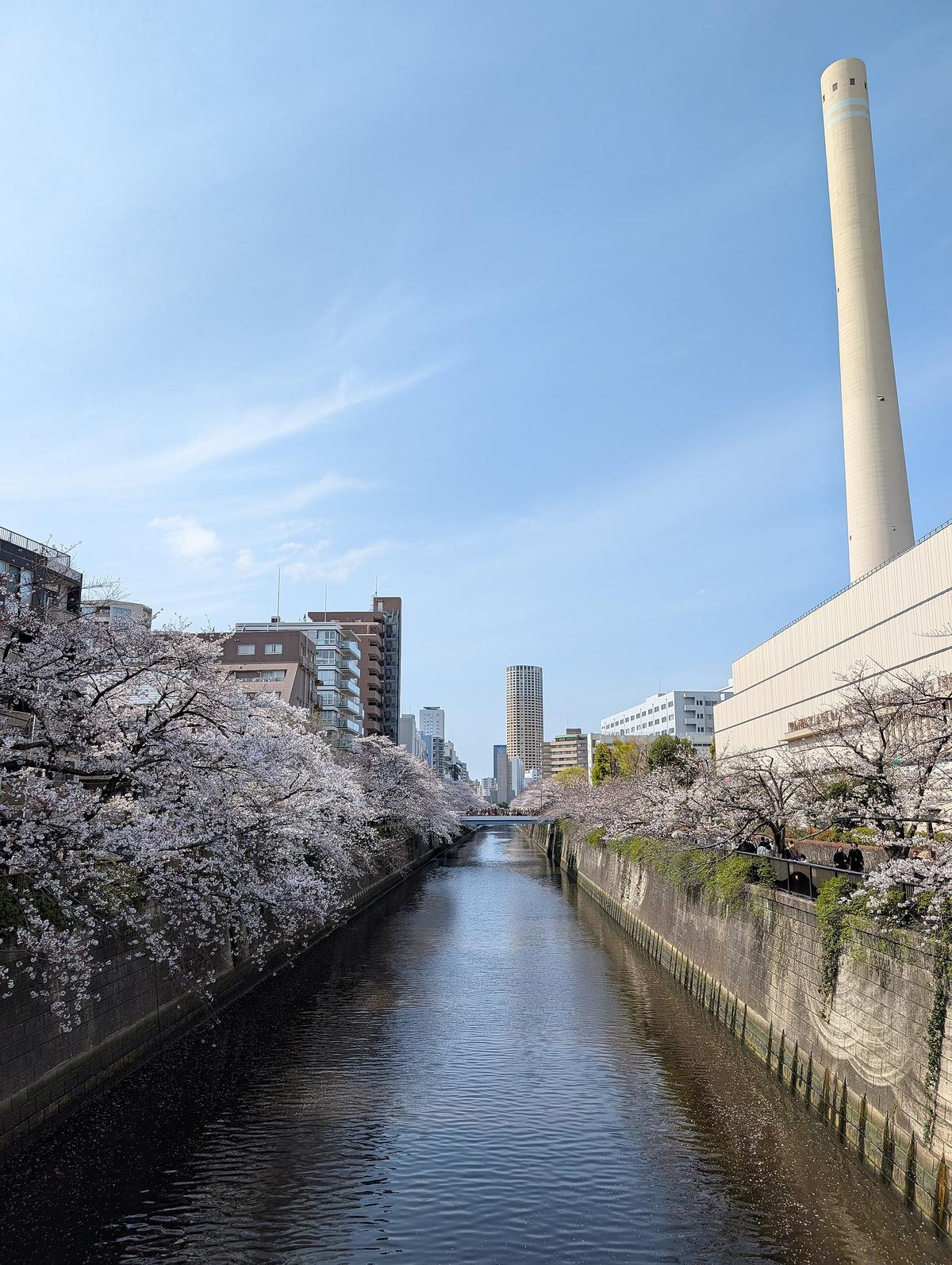
The canal is empty again. Nine months of the year the Meguro River runs low, grey concrete exposed on both banks, the Somei-Yoshino cherry trees just a bare lattice against the sky. Take the east exit from Nakameguro Station, Tokyu Toyoko Line, three minutes from Shibuya, and descend the short flight of stairs to the water. This is a walk that does not need an itinerary, only a direction: upstream, then uphill, into Daikanyama.
The Canal Path
In late March the tunnel of blossoms runs 3.8 kilometres from Ohashi down to Fudo-mae, roughly 800 trees on both banks, and the footpath becomes a slow shuffle under pink canopy. The illumination runs 17:00 to 20:00 during festival dates set each year by the Nakameguro Sakura Festival organisers. Check the ward office schedule for the precise 2027 window. For the other eleven months you walk beside a quiet canal, footfall subdued enough that you hear the bicycles and the clatter of restaurant kitchen doors. Stay on the south bank heading east. The path gives you the better light in the afternoon and puts the cafes on your right when you want a break.
From Water to Hillside: the Route to Daikanyama
Leave the canal at the Kamimeguro intersection, about a ten-minute walk from the station if you do not stop. The street climbs immediately. You gain elevation fast enough that the canal noise drops away within two blocks. This transition is the point of the walk: waterside energy shifts to residential stillness inside five minutes.
Log Road Daikanyama
At the top of the hill the ground levels onto Log Road Daikanyama, a 220-metre strip built on the former elevated tracks of the Tokyu Toyoko Line. It opened in 2015. Five tenants occupy the low wooden buildings — coffee, denim, beer and flowers — though the line-up turns over. The queue system at the Starbucks Reserve Roastery Tokyo, four floors designed by Kengo Kuma and opened in 2019, uses digital numbered tickets during peak times. Weekend waits run 60 to 120 minutes. Weekday waits run 15 to 45. Both depend on season and hour; the real figure is posted at the entrance. On a slow day you skip it and buy a drip coffee from the stand at the east end of Log Road instead.
Tsutaya Books and T-Site
Cross the main road at the end of Log Road and walk 200 metres east to Tsutaya Books, the anchor of Daikanyama T-Site. Klein Dytham architecture designed the three-building complex in 2011. The open hours run 09:00 to 22:00; the Anjin lounge inside stays open until 02:00 with a cover charge for evening access. The magazine wall on the first floor runs floor to ceiling on the north facade, selected by a dedicated team of curators who rotate titles weekly. This is not a souvenir bookstore. Come here to sit in the courtyard with a borrowed volume and watch the neighbourhood move at its own speed.
Hillside Terrace
Fifteen minutes east on foot, past the boutiques that spill down side streets without signage, you reach Hillside Terrace. Fumihiko Maki designed the complex across seven phases between 1969 and 1998, a 12,000-square-metre campus of white concrete, brick and glass that contains galleries, ateliers and apartments. The architecture is the attraction. Walk through without a destination. The open passageways and stepped plazas reward aimless movement, and the absence of chain retail means nothing urges you to spend.
Where You Eat and When You Stop
Nakameguro and Daikanyama do not do cheap street food. A bowl of abura soba runs 1,100 to 1,500 yen at the handful of standing shops near the station. The depachika basement food halls are twenty minutes away in Shibuya at Tokyu Food Show, not here. Budget for a sit-down lunch at one of the small Italian or Japanese-French places on the streets between the canal and Hillside Terrace. Most require reservations two to three weeks ahead even on weeknights; walk-in refusals are standard post-pandemic. If you did not book, eat before 11:30 or after 14:00 at the cafes along the canal, which accept walk-ins for coffee and pastries but not for full meals.
The walk from Nakameguro Station to Daikanyama Station is 700 metres and about ten minutes direct. With detours through Log Road, Tsutaya Books and Hillside Terrace you cover roughly three kilometres and two to three hours depending on how long you sit. Daikanyama Station is one stop back toward Shibuya on the Tokyu Toyoko Line, a two-minute ride. You could also walk the 2.5 kilometres from Shibuya via Shoto and Aobadai in 30 minutes. The pleasure of this route is starting at the canal and rising into the quiet, not rushing back into the scramble.
Who This Walk is for
This walk suits the repeat visitor who has already done the public sights and wants a day that feels like a neighbourhood, not an attraction. It suits the solo traveller who does not need conversation, who can sit by an empty canal in November and call it a good afternoon. It suits the design enthusiast who wants to see what Maki built across three decades and the efficiency nerd who appreciates that the Tokyu Toyoko Line connects both ends of the walk in a combined two minutes of train time.
It is not for the shoestring traveller. There are no hostels on this route. The food costs more than Shimokitazawa or Kichijoji and the boutiques sell canvas bags at prices that make you pause. It is not for the first-timer who needs the checklist: Shibuya Scramble, Meiji Jingu, Senso-ji. Those belong to another day. The canal walk and the uphill transition reward the person who already has the map of Tokyo in their head and wants a single afternoon that moves from chatter to calm, from water to hill, without a single item crossed off a list.
That is the quiet trick of Nakameguro and Daikanyama. You walk the canal, you climb the hill, you arrive somewhere you did not plan to be. The city does not demand anything else of you until you decide to go back down.
.jpg)

| Route | Distance | Walking Time | Train Time |
|---|---|---|---|
| Nakameguro Station to Daikanyama Station (direct) | 700 m | ~10 min | 2 min |
| Meguro River canal path to Tsutaya Books | 600 m | ~8-10 min | N/A |
| Shibuya Station to Nakameguro Station | 2.5 km | ~30 min | 3 min |
| Shibuya Station to Daikanyama Station | ~1.8 km | ~20 min | 2 min |
Other areas in Tokyo
- Akihabara
- Asakusa
- Ebisu
- Futako-tamagawa
- Ginza
- Harajuku
- Ikebukuro
- Jimbocho
- Jiyugaoka
- Kagurazaka
- Kichijoji
- Kiyosumi-Shirakawa
- Koenji
- Kuramae
- Marunouchi
- Nakano
- Nihonbashi
- Ningyocho
- Odaiba
- Omotesando and Aoyama
- Roppongi
- Ryogoku
- Sangenjaya
- Shibamata
- Shibuya
- Shimokitazawa
- Shin-Okubo
- Shinagawa
- Shinjuku
- Sugamo
- Takadanobaba
- Todoroki
- Tsukiji
- Tsukishima
- Ueno
- Yanaka
- Yurakucho and Shinbashi
Common Questions
When should I walk this route to avoid crowds?
Midweek, November to February, on a weekday morning. The canal is nearly empty. Log Road and Tsutaya Books see their quietest hours before 10:30. The only tradeoff is the trees are bare. The stillness is the compensation.
Can I do this walk with a suitcase?
Not comfortably. The route from the canal up to Daikanyama climbs steadily on narrow pavements. Some steps and gravel paths in Hillside Terrace. Leave luggage at your hotel or a coin locker at Shibuya or Nakameguro Station.
Is the cherry blossom walk worth the crowds?
Yes, once. Arrive before 08:00 to see the tunnel without shoulder-to-shoulder foot traffic. The festival illumination runs 17:00 to 20:00 on dates set each year by the ward. Expect full restaurants and hotel rates at their seasonal peak.
What do I do if the Starbucks Reserve Roastery queue is too long?
Skip it. The coffee stand at the east end of Log Road serves a filtered pour-over. The Anjin lounge at Tsutaya Books also sells drinks until 02:00. Neither requires a ticket or a 90-minute wait.
Read next
-
 Tokyo Hotels by Type and Budget from Capsules to Luxury
Tokyo hotels organised by type and price band, from efficient capsule pods to full-service luxury towers, to help you book the right room.
Tokyo Hotels by Type and Budget from Capsules to Luxury
Tokyo hotels organised by type and price band, from efficient capsule pods to full-service luxury towers, to help you book the right room.
-
 Where to Stay in Tokyo by District and Travel Style
A comparison of Tokyo's major districts to help you choose the right base for your travel style, whether you want calm or chaos.
Where to Stay in Tokyo by District and Travel Style
A comparison of Tokyo's major districts to help you choose the right base for your travel style, whether you want calm or chaos.
-
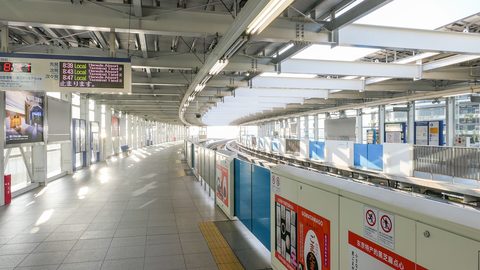 Narita or Haneda for Tokyo and What That Airport Choice Costs You
Narita or Haneda for Tokyo: compare door-to-district time, transfer cost, and what the wrong airport choice eats from your trip.
Narita or Haneda for Tokyo and What That Airport Choice Costs You
Narita or Haneda for Tokyo: compare door-to-district time, transfer cost, and what the wrong airport choice eats from your trip.
-
 Things to Do in Tokyo That Are Worth Your Limited Days
A curated list of Tokyo's highest-impact sights and experiences, from immersive art to quiet backstreets, to help you prioritise your days.
Things to Do in Tokyo That Are Worth Your Limited Days
A curated list of Tokyo's highest-impact sights and experiences, from immersive art to quiet backstreets, to help you prioritise your days.
-
 Best Time to Visit Tokyo Month by Month Tradeoffs
A month-by-month guide to visiting Tokyo, laying out the trade-off between weather, crowds, price, and what's actually open.
Best Time to Visit Tokyo Month by Month Tradeoffs
A month-by-month guide to visiting Tokyo, laying out the trade-off between weather, crowds, price, and what's actually open.
-
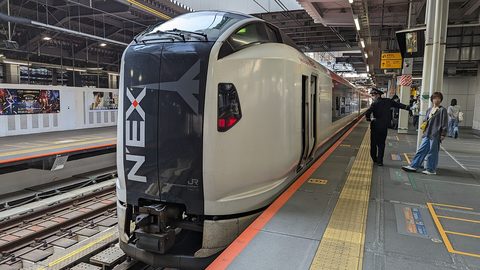 Getting Around Tokyo by Train Airport Transfers and IC Cards
A practical guide to Tokyo's rail network, covering airport transfers, IC cards, and how to avoid the station navigation mistakes that eat your day.
Getting Around Tokyo by Train Airport Transfers and IC Cards
A practical guide to Tokyo's rail network, covering airport transfers, IC cards, and how to avoid the station navigation mistakes that eat your day.
-
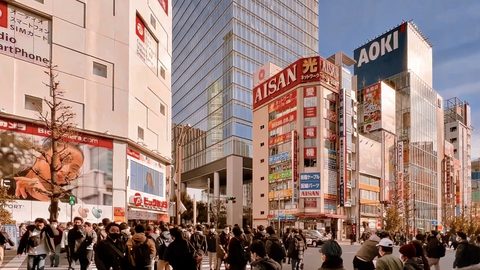 Akihabara
 Tokyo guide: electronics, anime, and arcades stacked floor by floor, from Radio Kaikan to the maid cafe touts.
Akihabara
Akihabara Tokyo guide: electronics, anime, and arcades stacked floor by floor, from Radio Kaikan to the maid cafe touts.
-
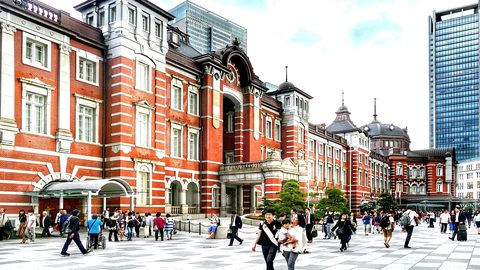 Marunouchi
Staying in Marunouchi puts you steps from Tokyo Station's Shinkansen platforms and Narita Express, trading nightlife buzz for unmatched rail connectivity and wide, quiet weekend boulevards.
Marunouchi
Staying in Marunouchi puts you steps from Tokyo Station's Shinkansen platforms and Narita Express, trading nightlife buzz for unmatched rail connectivity and wide, quiet weekend boulevards.
-
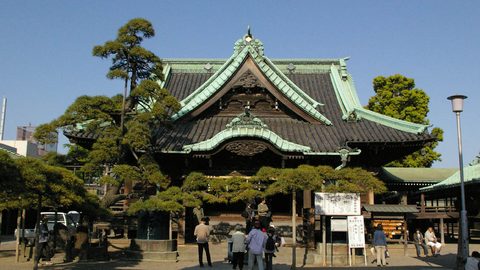 Shibamata
 preserves a 1950s Tokyo on its temple approach street, forever tied to the Tora-san film series and best visited for unagi and old-school snacks.
Shibamata
Shibamata preserves a 1950s Tokyo on its temple approach street, forever tied to the Tora-san film series and best visited for unagi and old-school snacks.