Nakazakicho: Osaka’s Pocket of Pre-War Wooden Houses and Slow Coffee
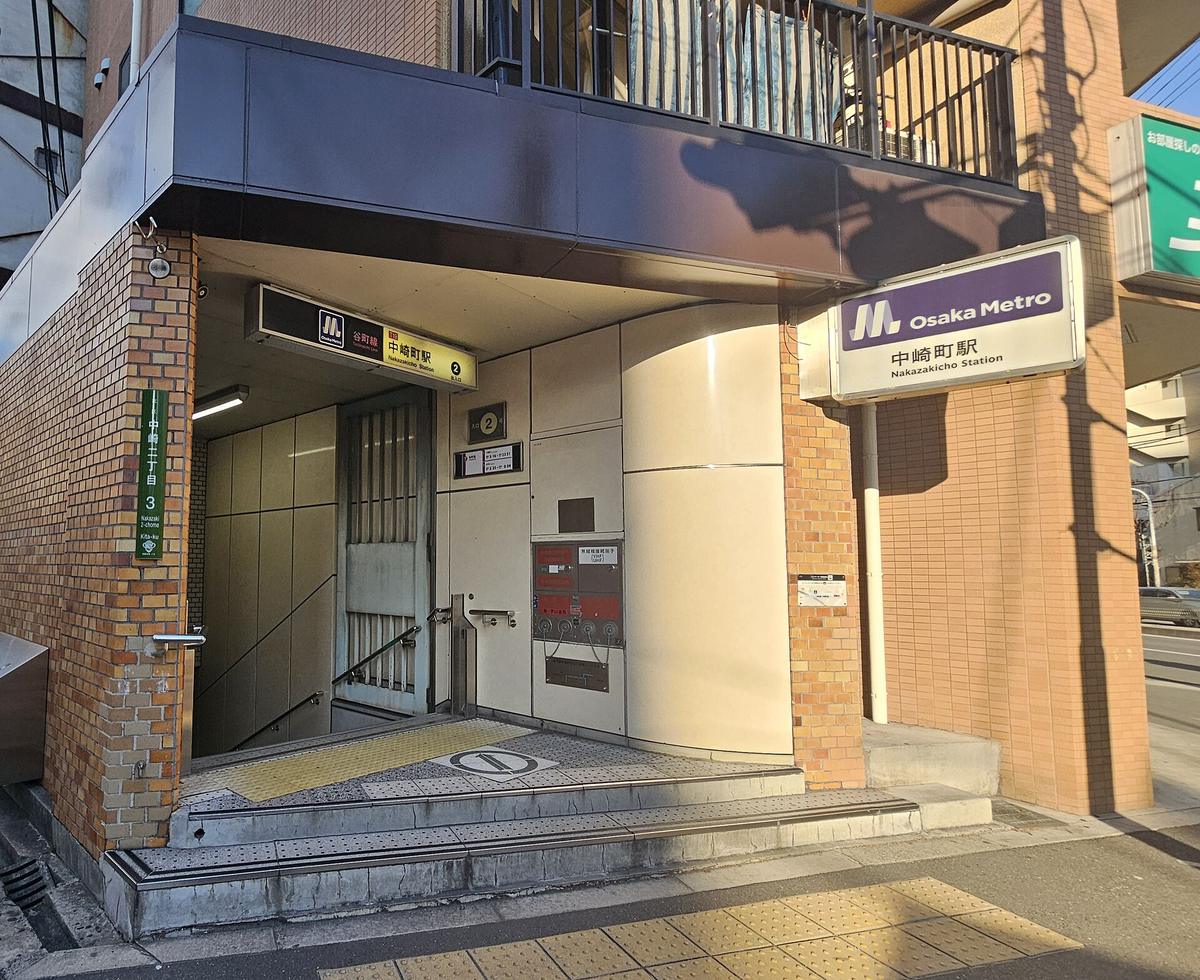
Nakazakicho is a pocket of pre-war wooden houses, indie cafes and vintage shops, a quiet anomaly in loud, concrete Osaka.
- Flag
-

- ISO code
- JP
- Currency
- JPY
- Timezone
- Asia/Tokyo
Nakazakicho: Osaka’s Pocket of Pre-War Wooden Houses and Slow Coffee
Osaka is loud, unpolished and concrete-heavy. Its famous friendliness does not survive the morning crush on the Midosuji Line. Umeda station is a three-dimensional maze of six separate rail operators, and the city's key districts are separated by wide rivers and multi-level blocks, not compact walking streets. Nakazakicho is Osaka's anomaly. It is quiet. It is low-rise. It is pedestrian-priority to the point of being effectively car-free. The grid of unnamed lanes forces you to slow down. If you came to Osaka for Dotonbori at midnight or kushikatsu in Shinsekai, Nakazakicho will feel like a different city. It is. That is precisely why you should go.
Walking the Nagaya Lanes
What You Will Not Find
You will not find a temple. You will not find a museum. You will not find a souvenir shop or a takoyaki stand. Nakazakicho is bad at being a tourist attraction. It has no infrastructure for crowds, no public toilets you can rely on, and no English menus at most cafes. That is its protection. If you need amenities, use the convenience store on the main road before you enter the lane grid. Once you are inside, the nearest restroom is a cafe's, and you will need to buy a drink to use it.

Where to Stop for Coffee and Vintage
What It Costs
A pour-over coffee runs from a few hundred yen. A vintage shirt runs ¥2,000 to ¥5,000. Cash is expected. Several of the smallest shops do not take cards. The ATMs at the nearby 7-Eleven on Sakurahonmachi-dori accept foreign cards, but withdraw before you enter the lane grid. You do not want to walk back to Umeda mid-morning because you forgot.
Making Nakazakicho Fit Your Osaka Itinerary
Who Should Skip It
Skip Nakazakicho if your Osaka time is under two days and you have not yet seen Dotonbori after dark, eaten kushikatsu in Shinsekai, or stood under the Umeda Sky Building's open-air escalator at sunset. This is a bonus stop for repeat visitors, slow travellers, and anyone who arrives in Osaka and feels the absence of the quiet they left in Kyoto. It is the single block of traditional wooden Japan that Osaka accidentally kept. Treat it as a reward, not an obligation.
| Detail | Value |
|---|---|
| Area | Kita-ku, Osaka, adjacent to Umeda |
| Surviving pre-war blocks | Approximately 4 to 5 city blocks |
| Period of conversion | Early 2000s onward |
| Walk from JR Osaka Station | Approximately 10 minutes |
| Walk from Umeda subway (Midosuji Line) | Approximately 10 minutes |
| Typical visit duration | 1 to 3 hours |
| Primary appeal | Preserved pre-war streetscape |
| Commercial types | Cafes, vintage clothing, small galleries, craft shops |
| Vehicle access | Pedestrian-priority, effectively car-free |
| Notable sights | None. The streetscape is the attraction |
Other areas in Osaka
Common Questions
How much time do I need in Nakazakicho?
One to three hours. The district covers approximately four to five blocks of narrow lanes. You can photograph the streets, browse two vintage shops, and drink a coffee in that time. Anything longer requires repeating the same few streets, which is not a problem if you are reading a book in a cafe, but you should not plan half a day here.
How do I get from Umeda to Nakazakicho?
Walk. It takes approximately ten minutes from JR Osaka Station or the Umeda subway station on the Midosuji Line. Exit at the south side of the station complex and walk straight past the Osaka City Hall annex. You will see the concrete drop away into low wooden buildings. Do not take a taxi. The lanes are too narrow for cars and the driver will not know the unmarked entrance.
Are the cafes in Nakazakicho cash only?
Many are. The smaller coffee roasters and vintage shops operate on cash. A few of the larger cafes accept cards, but carry at least ¥5,000 in notes to be safe. The nearest ATM is at the 7-Eleven on Sakurahonmachi-dori, about five minutes walk from the lane grid.
What food is available in Nakazakicho?
Coffee and light snacks. You will find toast sets, cake, and pour-over coffee. There is no street food, no okonomiyaki, no takoyaki. If you want a meal, walk back toward Umeda or take the subway to a food district. Nakazakicho is for the atmosphere and a caffeine stop, not lunch.
Is Nakazakicho good for photography?
Yes, especially in the morning light between 09:00 and 11:00. The wooden nagaya facades, the absence of parked cars, and the lack of crowds make it one of the most photogenic corners of Osaka. But be respectful. These are working homes and shops. Do not block doorways or photograph residents without permission.
What is the difference between Nakazakicho and Shinsekai?
Shinsekai is retro-gritty, loud, built around the Tsutenkaku Tower, and famous for deep-fried skewers. Nakazakicho is quiet, low-rise, residential in feel, and built around coffee and vintage clothing. Both are old Osaka, but Shinsekai is a tourist destination and Nakazakicho is a local neighbourhood that happens to be walkable.
Can I visit Nakazakicho in the evening?
Not for its cafes, which close by 18:00. The lanes themselves are safe to walk at dusk, but most shops are shut and the area becomes purely residential. Visit in the morning or afternoon for the full experience.
Read next
-
 Osaka Hotels, Sorted by Price Band and Property Type Not Neighbourhood
Osaka hotels sorted by budget and type, business towers, luxury high-rises and the few ryokan, with the trade-off each choice demands.
Osaka Hotels, Sorted by Price Band and Property Type Not Neighbourhood
Osaka hotels sorted by budget and type, business towers, luxury high-rises and the few ryokan, with the trade-off each choice demands.
-
 Where to Stay in Osaka, Pick the District That Matches Your Nights
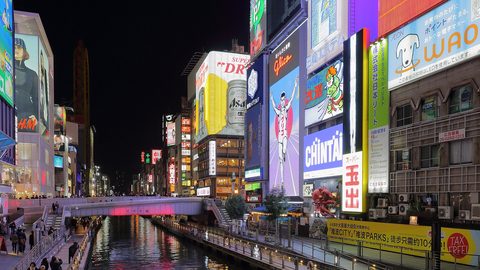
Osaka's districts switch character after sunset. Pick where to stay based on whether you want street food chaos, standing-bar crawls or a quiet lane.
Where to Stay in Osaka, Pick the District That Matches Your Nights
Osaka's districts switch character after sunset. Pick where to stay based on whether you want street food chaos, standing-bar crawls or a quiet lane.
-
 Osaka Flights Which Airport to Choose and When to Book
KIX or Itami? Which Osaka airport to fly into, when flight prices spike during cherry blossom and November, and the booking windows that matter.
Osaka Flights Which Airport to Choose and When to Book
KIX or Itami? Which Osaka airport to fly into, when flight prices spike during cherry blossom and November, and the booking windows that matter.
-
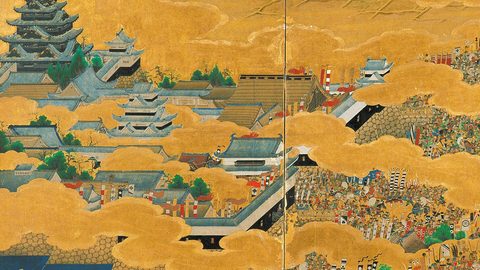 Osaka Things to Do, What Earns a Slot in Two Full Days
Osaka is not a monument city. This page ranks what earns a slot in two full days, from Dotonbori's neon to Shinsekai's retro grit.
Osaka Things to Do, What Earns a Slot in Two Full Days
Osaka is not a monument city. This page ranks what earns a slot in two full days, from Dotonbori's neon to Shinsekai's retro grit.
-
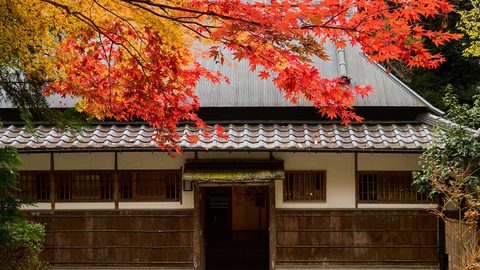 Best Time to Visit Osaka, Month by Month and the Trade Off Each One Asks
-
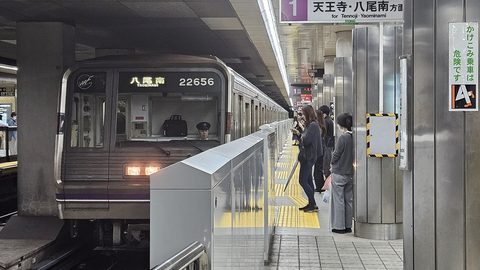 Getting Around Osaka, The Subway, the Private Railways and the Umeda Maze
Osaka's transit is fast but fractured. The Umeda station maze, private railway tickets and the ICOCA card explained before you go.
Getting Around Osaka, The Subway, the Private Railways and the Umeda Maze
Osaka's transit is fast but fractured. The Umeda station maze, private railway tickets and the ICOCA card explained before you go.
-
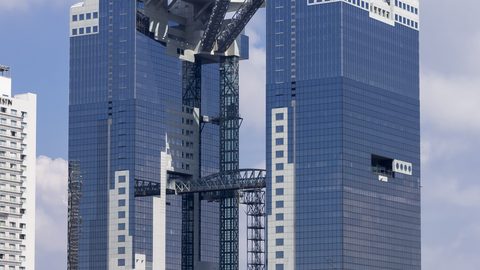 Umeda
How to navigate Umeda's multi-station maze in Osaka's Kita district: which exits to use, where to meet someone, and why the department stores are your best landmark.
Umeda
How to navigate Umeda's multi-station maze in Osaka's Kita district: which exits to use, where to meet someone, and why the department stores are your best landmark.
-
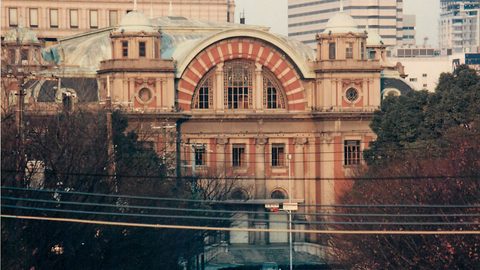 Nakanoshima
 is Osaka's museum island, a riverside strip of civic galleries, rose gardens and the quietest central walk in the city.
Nakanoshima
Nakanoshima is Osaka's museum island, a riverside strip of civic galleries, rose gardens and the quietest central walk in the city.
-
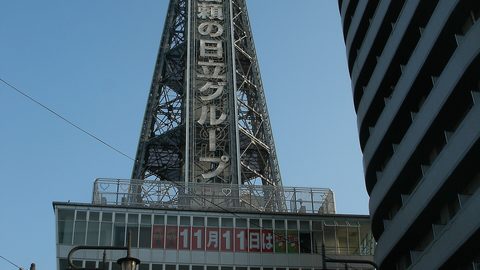 Shinsekai
 is Osaka's 1912 future district, home to kushikatsu alleys, Tsutenkaku tower and an unpolished Showa-era atmosphere that rewards the right visitor.
Shinsekai
Shinsekai is Osaka's 1912 future district, home to kushikatsu alleys, Tsutenkaku tower and an unpolished Showa-era atmosphere that rewards the right visitor.