TeamLab Botanical Garden Osaka: An Outdoor Night Visit Through Digital Art
TeamLab Botanical Garden in Osaka's Nagai Park is an outdoor night exhibition where booking, dusk arrival, and weather decide everything.
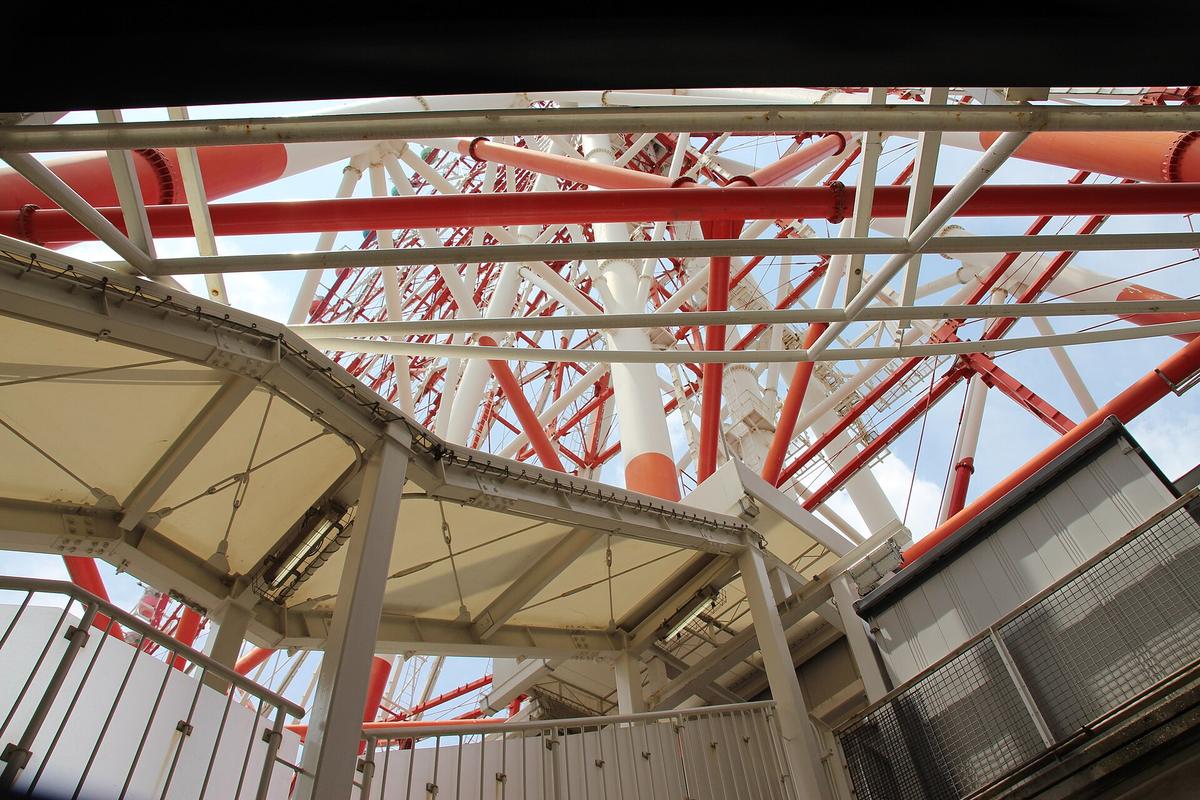

TeamLab Botanical Garden Osaka: an Outdoor Night Visit Through Digital Art
The gate at Nagai Botanical Garden opens for the 18:30 slot, and the first people through step straight onto wet grass under a sky that is still a deep bruised blue. That moment defines the experience. Everything else hinges on two decisions you make before you arrive: which time slot you book and whether you checked the rain forecast.
There is no roof. The art lives on trees, on pond surfaces, on the slope of the garden earth, and it changes with the season, the weather, and the growth cycle of the plants themselves. Treat it like a standard museum visit with a flexible schedule and no weather plan and you will arrive either too early to see anything against the light, too late and rushed, or soaked with nowhere dry to stand for two hours.
Go only if you have already decided to book. The question is what you need to know about timing, booking, and weather so the experience works.
- Official Name: teamLab Botanical Garden Osaka
- Venue: Nagai Botanical Garden
- Address: 1-1 Nagaikoen, Higashisumiyoshi-ku, Osaka
- Type: Fully outdoor night-time digital art exhibition
- Ticket Type: Timed-entry, online advance purchase only. No on-site sales.
- Adult Admission: 1,800 JPY weekday / 2,000 JPY weekend and holiday
- Opening Time (2025): 18:30 to 20:00 depending on month (sunset-based)
- Closing Time: 22:00 (last entry 21:00)
- Rain Policy: Operates in rain. Closed only for typhoon or lightning.
- Average Walk Duration: 60 to 90 minutes on a 1 km loop
- Nearest Station: Nagai (Osaka Metro Midosuji Line or JR Hanwa Line)
- From Umeda: 20 minutes on the Midosuji Line
- From Namba: 12 minutes on the Midosuji Line
- Station to Entrance: 5 minutes from Nagai Station East Exit
Why the Time Slot You Book Determines Everything
Sunset in Osaka shifts by roughly two hours across the year. In late December, the sun goes down before 17:00. In late June, it hangs in the sky until nearly 19:30. The garden opens at a time tied to sunset, not to a fixed clock hour, so the 18:30 opening in winter gives you a fully dark garden within moments of entry. That same 18:30 slot in July puts you inside while the sky is still bright. The projections read as faint coloured blobs on trees rather than immersive installations.
The 2025 opening time range runs from 18:30 to 20:00. The earliest openings are December and January. The latest are June and July. Book the first entry slot of the evening in summer and you waste the first twenty minutes waiting for the sky to cooperate. Book the second slot, around 19:30 in high summer, and you walk in precisely as the garden turns dark.
Here is the rule. Visiting between May and August? Book the second or third time slot of the evening, not the first. Visiting between November and February? Book the first slot and arrive before the gate opens. March, April, September and October fall somewhere in between. Check the exact sunset time for your date in Osaka and subtract thirty minutes. That is the earliest moment you want to be inside the garden.
Booking the Ticket Before it Disappears
Tickets go on sale roughly four to six weeks before each date. There is no ticket window at the gate. No standby line for people who show up without a reservation. If the online inventory for your chosen slot is gone, you do not get in. The popular slots on weekends, holiday periods, and during the autumn foliage weeks in November sell out days or weeks in advance.
The 2025 adult price is 1,800 JPY on a weekday and 2,000 JPY on a weekend or holiday. High school and junior high school students pay 1,200 JPY weekday and 1,400 JPY weekend. Elementary school children pay 600 JPY or 700 JPY. Preschool children enter free.
Set a calendar reminder for when tickets go live for your date. The official teamLab site is the only place to buy. Do not look for third-party resellers. Do not assume you can buy a ticket on the day from a convenience store kiosk. You cannot.
Which Slot To Pick
The garden stays open until 22:00, with the last entry at 21:00. The walk loops through a flat 1 km route and takes 60 to 90 minutes. Enter at 18:30 and you finish around 20:00. Enter at 20:00 and you finish around 21:30. The late evening slots are less crowded than the first one. Couples and groups book the earliest entry. Solo visitors and repeat visitors book the last slot of the night for a quieter experience with fewer people in frame.
Avoid the weekend evening slots if you can. The weekday rate is cheaper, and the garden is less crowded on a Tuesday or Wednesday night than on a Saturday.
What to Do About the Weather
The garden operates in rain. It closes only for severe weather: a typhoon or lightning storm. If you live in Japan long enough you will visit in the rain at some point. Plan for it.
Rain affects the experience in two ways. First, the projections on wet leaves and wet ground can look better than on dry surfaces. The light reflects, the colours spread, and the pond installations gain an extra layer of reflection. Second, the paths become muddy and slippery. The route is unpaved in sections. You need closed shoes with grip. Heels are a bad idea even in dry weather. In the rain they are dangerous. Umbrellas are permitted but some areas near projectors may restrict their use to avoid blocking the light beams. A waterproof jacket with a hood beats an umbrella.
Check the hourly forecast for Higashisumiyoshi-ku on the afternoon of your visit. Sustained rain? Wear waterproof footwear and leave your good coat at the hotel. Lightning in the forecast? Monitor the teamLab social media feed for closure announcements before you travel from central Osaka. Nagai sits south of the typical tourist zone, a 20-minute ride from Umeda on the Midosuji Line and a 12-minute ride from Namba. You do not want to ride the train for 20 minutes only to find a closed gate.
What To Skip If The Weather Is Bad
Unprepared for wet conditions? Do not go. The experience demands at least an hour outdoors with no shelter except the small garden entrance building. No roofed corridor. No alternate indoor route. Cold, wet and uncomfortable turns the art into a chore. Skip it. Come back on a dry night. Your ticket is date-specific, so you will need to rebook, but a 1,800 JPY loss is cheaper than a ruined evening.
Getting There and What to Expect on the Ground
Nagai Station is served by the Osaka Metro Midosuji Line and the JR Hanwa Line. From Umeda, ride the Midosuji Line south for 20 minutes. From Namba, it is a 12-minute trip. Exit via the East Exit and walk five minutes to the garden entrance. The garden sits inside the Nagai Park complex, a working botanical garden that operates normally during the day. The teamLab exhibition takes over the grounds after the daytime closing time.
The one mistake most visitors make is arriving too early and standing outside the gate in the light. The garden is closed during the transition period between daytime operations and the evening setup. You cannot enter before your timed slot. Arrive ten minutes before your booking. Not forty.
The 1 km loop is flat and easy. No stairs. No steep climbs. No sections that require special fitness. The paths mix paved sections with unpaved garden earth. In dry weather the unpaved sections are firm. In wet weather they turn to mud. The projections are spread along the entire loop, and you walk at your own pace. There is no guided route, no audio guide, and no timed segments that push you forward.
Common Questions
Can I buy a ticket at the gate?
No. On-site ticket sales are not available. All tickets must be purchased online in advance through the official teamLab site. Tickets go on sale roughly four to six weeks before each date.
What is the best time slot to book?
Book a slot that puts you inside the garden about 30 minutes after sunset on your date. From May to August, book the second or third slot, not the first. From November to February, book the first slot. For March, April, September and October, check the sunset time and adjust accordingly.
What happens if it rains?
The garden operates in rain. It only closes for severe weather like a typhoon or lightning storm. Paths become muddy and slippery. Wear closed shoes with good grip and bring a waterproof jacket with a hood. Umbrellas are allowed but may be restricted in some areas near projections.
How long does the experience take?
The walk is approximately 1 km on a flat loop route. Most visitors spend 60 to 90 minutes inside. The garden closes at 22:00, with the last entry at 21:00.
Is this worth doing if I have already visited a teamLab venue in Tokyo?
Yes. The Osaka venue is fully outdoor and its artworks change with the season, weather, and plant growth. The indoor Tokyo venues use fixed rooms and controlled lighting. The two experiences are materially different and do not overlap.
Read next
-

 Osaka Hotels, Sorted by Price Band and Property Type Not Neighbourhood
Osaka hotels sorted by budget and type, business towers, luxury high-rises and the few ryokan, with the trade-off each choice demands.
Osaka Hotels, Sorted by Price Band and Property Type Not Neighbourhood
Osaka hotels sorted by budget and type, business towers, luxury high-rises and the few ryokan, with the trade-off each choice demands.
-
 Where to Stay in Osaka, Pick the District That Matches Your Nights
Osaka's districts switch character after sunset. Pick where to stay based on whether you want street food chaos, standing-bar crawls or a quiet lane.
Where to Stay in Osaka, Pick the District That Matches Your Nights
Osaka's districts switch character after sunset. Pick where to stay based on whether you want street food chaos, standing-bar crawls or a quiet lane.
-
 Osaka Flights Which Airport to Choose and When to Book
KIX or Itami? Which Osaka airport to fly into, when flight prices spike during cherry blossom and November, and the booking windows that matter.
Osaka Flights Which Airport to Choose and When to Book
KIX or Itami? Which Osaka airport to fly into, when flight prices spike during cherry blossom and November, and the booking windows that matter.
-
 Osaka Things to Do, What Earns a Slot in Two Full Days
Osaka is not a monument city. This page ranks what earns a slot in two full days, from Dotonbori's neon to Shinsekai's retro grit.
Osaka Things to Do, What Earns a Slot in Two Full Days
Osaka is not a monument city. This page ranks what earns a slot in two full days, from Dotonbori's neon to Shinsekai's retro grit.
-
 Best Time to Visit Osaka, Month by Month and the Trade Off Each One Asks
-
 Getting Around Osaka, The Subway, the Private Railways and the Umeda Maze
Osaka's transit is fast but fractured. The Umeda station maze, private railway tickets and the ICOCA card explained before you go.
Getting Around Osaka, The Subway, the Private Railways and the Umeda Maze
Osaka's transit is fast but fractured. The Umeda station maze, private railway tickets and the ICOCA card explained before you go.
-
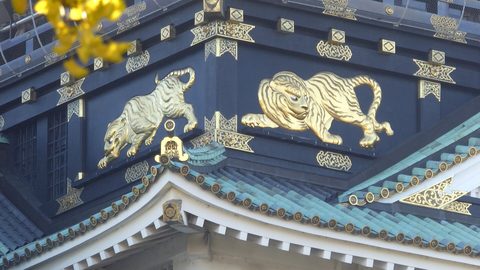 Osaka Castle
's park and moat walks outshine the concrete-reconstructed keep, which houses a museum and observation deck rather than original interiors.
Osaka Castle
Osaka Castle's park and moat walks outshine the concrete-reconstructed keep, which houses a museum and observation deck rather than original interiors.
-
 Dotonbori
 is Osaka's neon-lit eating canal, best used as a full-evening food and bar crawl rather than a quick Glico Sign photo stop.
Dotonbori
Dotonbori is Osaka's neon-lit eating canal, best used as a full-evening food and bar crawl rather than a quick Glico Sign photo stop.
-
 Universal Studios Japan
 demands a full day and a pre-purchased timed-entry ticket; here is whether USJ is worth it and how the ticketing actually works.
Universal Studios Japan
Universal Studios Japan demands a full day and a pre-purchased timed-entry ticket; here is whether USJ is worth it and how the ticketing actually works.